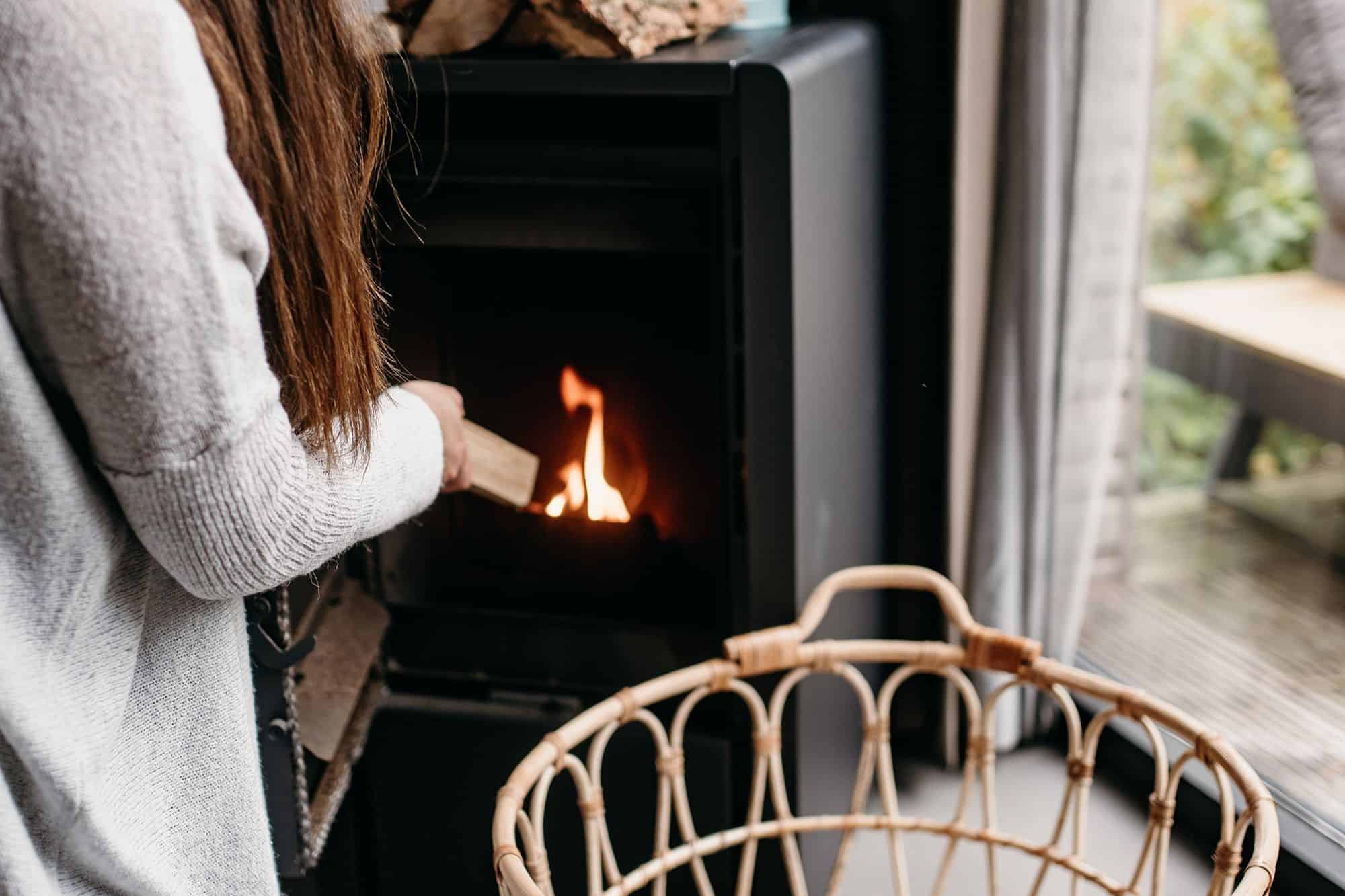
AD | A cozy fireplace can be the heart of a home. The crackling flames, the gentle warmth – it’s where we gather and memories are made. But… fireplaces also come with risks, especially for households with little ones and furry friends. Simple fireplace safety measures, like adding a fireplace screen, can make all the difference. Let’s take a look at some practical tips and insights to create a safer space.
First Things First, Understand Fireplace Hazards
Fireplaces are beautiful, but they’re also powerful heat sources. That means understanding their risks is the first step to keeping your family safe.
Types of Fireplaces and Their Safety Challenges
Wood-Burning Fireplaces
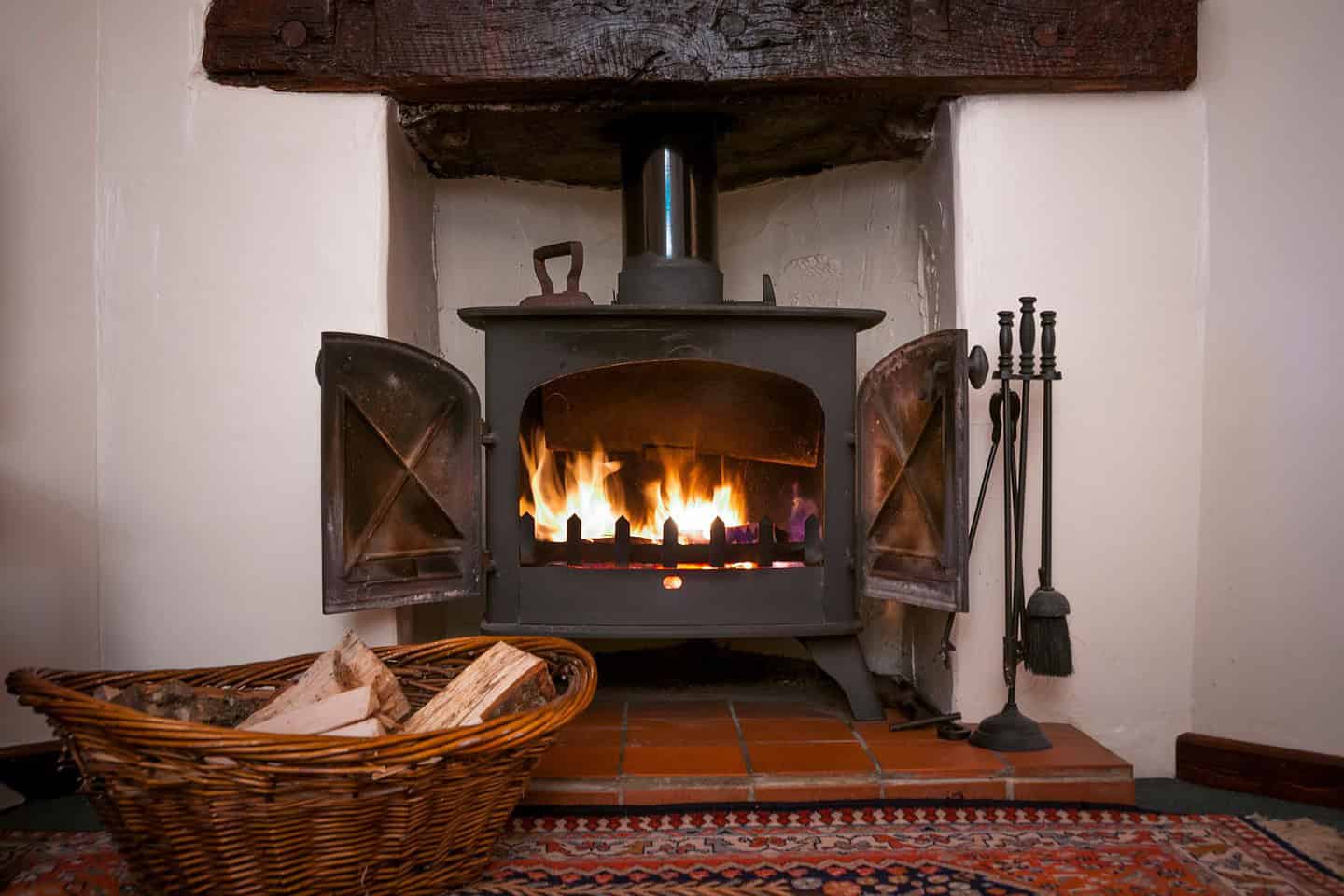
Wood-burning fireplaces offer a rustic charm. But they also come with live flames, flying embers, and smoke. These can be unpredictable – and dangerous – without proper precautions.
Gas Fireplaces
Gas fireplaces are easier to control. Just flip a switch, and you have fire. But remember, they still get hot. The glass doors on gas units can cause severe burns if touched, even after the fire is off.
Electric Fireplaces
Electric fireplaces might seem the safest option with no open flames. But they still generate heat and can pose risks, especially if curious kids or pets decide to investigate.
Common Fireplace Risks for Children and Pets
Kids and pets are naturally curious, and fireplaces can be like magnets for wandering hands and paws.
- Burns – Touching hot surfaces or flames.
- Falls – Tripping over fireplace tools or hearth edges.
- Choking – Swallowing small objects like decorative stones.
- Smoke inhalation – Breathing in fumes from a poorly ventilated fireplace.
- Fire hazards – Knocked-over candles or flammable objects placed too close to flames.
Childproofing and Pet-Proofing Your Fireplace
Here are five easy tips to create a safer fireplace zone for pets and kids alike.
Use a Fireplace Screen
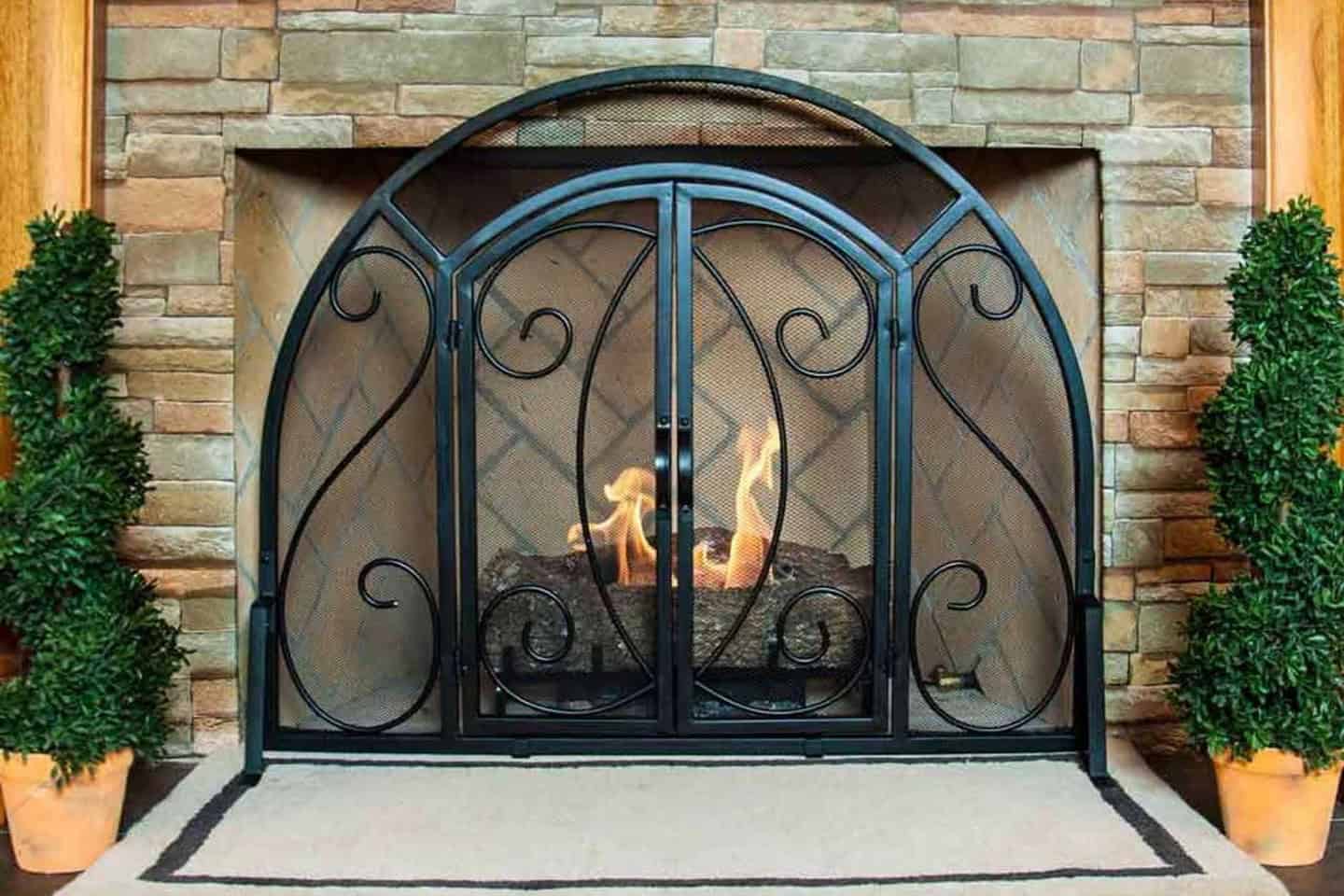
A sturdy fireplace screen is your first line of defence. It blocks sparks and prevents accidental contact with flames. Look for designs with small gaps to keep tiny fingers (and paws) out. Make sure it’s stable enough that it won’t tip over if bumped.
Install Heat-Resistant Barriers
Consider a freestanding gate or heat-resistant barrier. These create a safe zone around the fireplace, keeping kids and pets at a safe distance. Choose barriers that can be securely mounted or freestanding models with weighted bases to prevent tipping.
Secure Fireplace Tools and Accessories
Tongs, pokers, and brushes? They’re fascinating toys for little ones – but they’re also dangerous. Store them out of reach or in locked cabinets. Wall-mounted racks or toolboxes can be a great option to keep these items organized and inaccessible.
Cover Sharp Edges and Corners
Hearth edges can be sharp. Use foam padding or corner guards to soften those hard surfaces and prevent bumps and bruises. Make sure you check these guards regularly, as adhesive covers can sometimes loosen over time.
Keep Flammable Items Away
Blankets, pillows, and toys have no business near the fireplace. Keep the area is clear of anything that could catch fire. This also includes decorative items like wreaths or hanging stockings during the holidays. Pin decorations high up and far away from flames to ensure fireplace safety.
Preventative Measures for Safe Fireplace Use
Being proactive goes a long way. Here’s how to keep your fireplace in top shape.
Regular Maintenance and Inspections
Hire a certified chimney sweep at least once a year. They’ll clean out creosote build up (a major fire hazard) and check for cracks or damage, and even birds’ nests (we had this issue when we moved in). Don’t skip this step – it’s essential for preventing chimney fires. If you use your fireplace frequently, consider scheduling a mid-season check up as well.
Cleaning Tips to Prevent Fires and Smoke Hazards
- Remove ashes regularly – but leave a thin layer to protect the base.
- Use a metal bucket for ash disposal, not plastic. Always store it outside until completely cool.
- Clean glass doors to avoid soot build up, which can block visibility and create additional hazards for fireplace safety.
- Check vents and dampers to ensure they’re free of debris and working properly. Obstructions can lead to poor ventilation and increased carbon monoxide risk.
Proper Storage of Firewood and Combustible Materials
Stack firewood at least 30 feet from your home. Inside, keep only a small supply near the hearth. And never store flammable liquids near the fireplace. Invest in a covered firewood rack to protect the wood from moisture, which can lead to smoky, inefficient fires.
Fireplace Safety and Supervision Rules
Rules are the foundation of a safe home when you have kids, pets, and fires.
Teach Children About Fireplace Dangers
Young kids understand a lot more than most people give them credit for. So, explain how fire works – and why it’s dangerous. Use simple terms like, “Hot things can burn you.” Create visual reminders, like warning signs, to reinforce the message. Role-play scenarios to show safe behavior, like what to do if their toy rolls too close to the fire.
Train Pets to Avoid Fireplace Areas
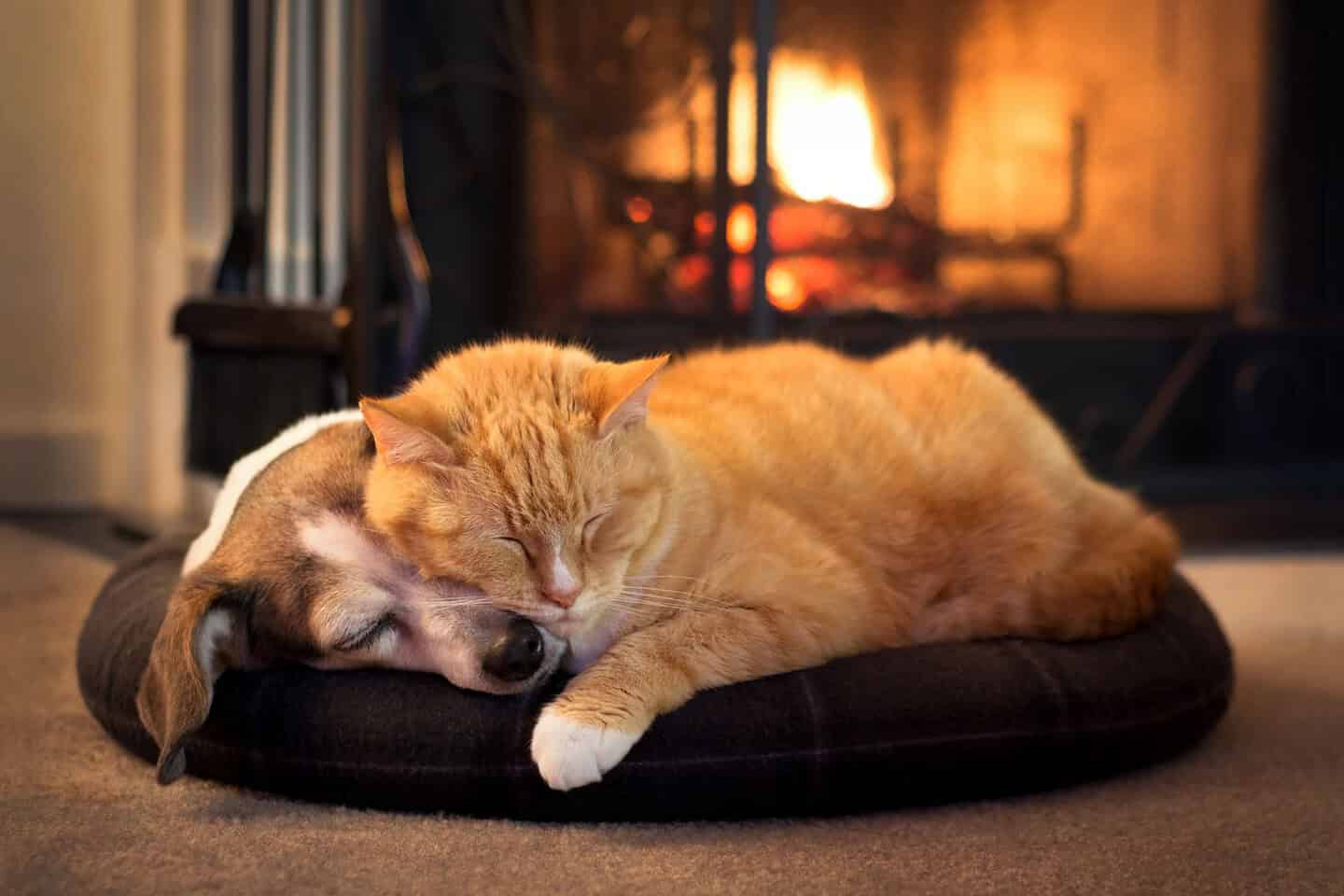
Pets need boundaries, too. Try pet gates or training mats to keep them at a safe distance. Treats and praise work wonders for reinforcing good behavior. If your pet tends to nap near the warmth, provide a cozy bed a safe distance away.
Establish Rules for Safe Behavior Around Fireplaces
- No running or playing near the fireplace.
- No touching fireplace tools.
- Always ask an adult before approaching the fire.
- Never throw objects into the fire. Even small items can create dangerous flare-ups.
- Use the fireplace only under adult supervision – no exceptions.
Emergency Preparedness for Fireplace Accidents
Because accidents happen. Proper fireplace safety means being prepared and knowing what to do when they do.
Install Smoke and Carbon Monoxide Detectors
Detectors save lives so test them monthly and change the batteries twice a year. Install them in every room where a fireplace is located and near bedrooms for added protection.
Keep a Fire Extinguisher Nearby
Place it where you can grab it quickly. Make sure everyone in the house knows how to use it. Think about conducting occasional practice drills so family members feel confident in emergencies.
Create and Practice a Fire Escape Plan
Plan at least two escape routes. Practice them with the whole family – pets included. Assign responsibilities, like who grabs the emergency kit or who gathers the pets.
First Aid for Burns and Injuries
If you do end up with a small burn, cool it under water for 10 minutes. For bigger burns, call 911 or 999 immediately. Keep a first-aid kit stocked with burn cream, sterile gauze, and pain relief medications handy.
Have Emergency Contacts Ready
Post emergency numbers where everyone can see them. Include neighbors, poison control, your insurance company, and your vet. Keep copies of the contacts in your phone and near exits.
Creating a Cozy and Safe Home
Fireplaces bring comfort and warmth, but safety should always come first. Whether you’re relaxing with a book or roasting marshmallows, take the time to childproof, pet-proof, and prepare for possible emergencies. A few simple steps today can prevent big problems tomorrow. So, check your fireplace screen, set some rules, and then relax and enjoy your fire – worry-free.
Do you have a fireplace in your home? Have you ever had any accidents or burns? What additional fire safety tips would you share to keep everyone safe?
* This is a collaborative post – please see my Disclaimer.

I love how detailed this post is. It’s clear you’ve done your research—thank you for sharing!
Thank you, I’m glad you found it useful. 🙂
It’s easy to get distracted, but a few seconds can make a big difference. Thanks for sharing such valuable advice!
Absolutely – thank you for reading.
We’ve been with our dog in cottages that had open flame fireplaces, but it was easy to keep on top of that, as we were there for a week or so and we were paying attention. When it’s at home and people get used to it, then it can be an issue, ignoring what pets or children might do. Good advice.
Yes, exactly. I believe the saying is, “Familiarity breeds contempt,” and that’s right. Thank you, Anca.
Over in the UK, my Mum has a lovely little fireplace that her dog, Maisie likes to lay in front of (she’s a Border Collie who likes to be cozy at all times). These safety tips are so helpful, and my Mum is very careful and conscientious about making sure everything is safe, but it’s always good to have a refresher on what is available to buy/use. I’ll be passing this on!
Our friends have a border terrier called Maisie, small world! Thank you, Molly, I hope your Mum finds this helpful (although she sounds like she’s very careful).
It’s so smart to plan ahead and not leave anything to chance! I loved your idea to use some kind of heat resistant barrier. This would be such an easy way to keep the fireplace safer for both kids and pets. I also loved your tip for having a fire extinguisher handy.
Thank you, Heidi, I’m glad you enjoyed the article. 🙂
Great tips for ensuring a safe fireplace experience for families with kids and pets! I especially love the emphasis on preventative maintenance, like regular chimney inspections and cleaning.
Simple precautions like using a sturdy fireplace screen and heat-resistant barriers can make a huge difference in keeping loved ones safe while still enjoying the warmth and coziness of a fire.
Yes, indeed, prevention is always better than cure, particularly where fire’s concerned.