AD | Some journeys begin long before you recognise a place. You feel them in posture rather than position – the way pace shifts, how attention widens or narrows without instruction. In Europe, movement often carries its own atmosphere, softening expectations before streets or landmarks appear. Montmartre in Paris and the Royal Mile in Edinburgh reward this kind of arrival. They don’t clarify themselves immediately, they let you settle first.
Paris and Edinburgh: Two Cities That Resist Summary
Despite their differences, Montmartre and the Royal Mile share a resistance to simplification. One loosens movement through curves and interruption. The other compresses it through stone and incline. Both refuse straight interpretation. You don’t leave either place with a narrative. You leave with habits – walking more slowly, accepting detours, noticing how often routes were shaped by use rather than design.
A Corridor That Prepares the Body
Travel through France has a way of easing you into cities rather than delivering you abruptly. The train from Paris to Lyon is often spoken of as a practical connection, but it behaves more like a calibration. Urban edges loosen, then dissolve into long stretches of land that don’t insist on being read. Speed exists, but never dominates attention. By the time cities re-form around you, movement has already quieted the impulse to rush around on arrival.
Montmartre’s Refusal of Straight Lines
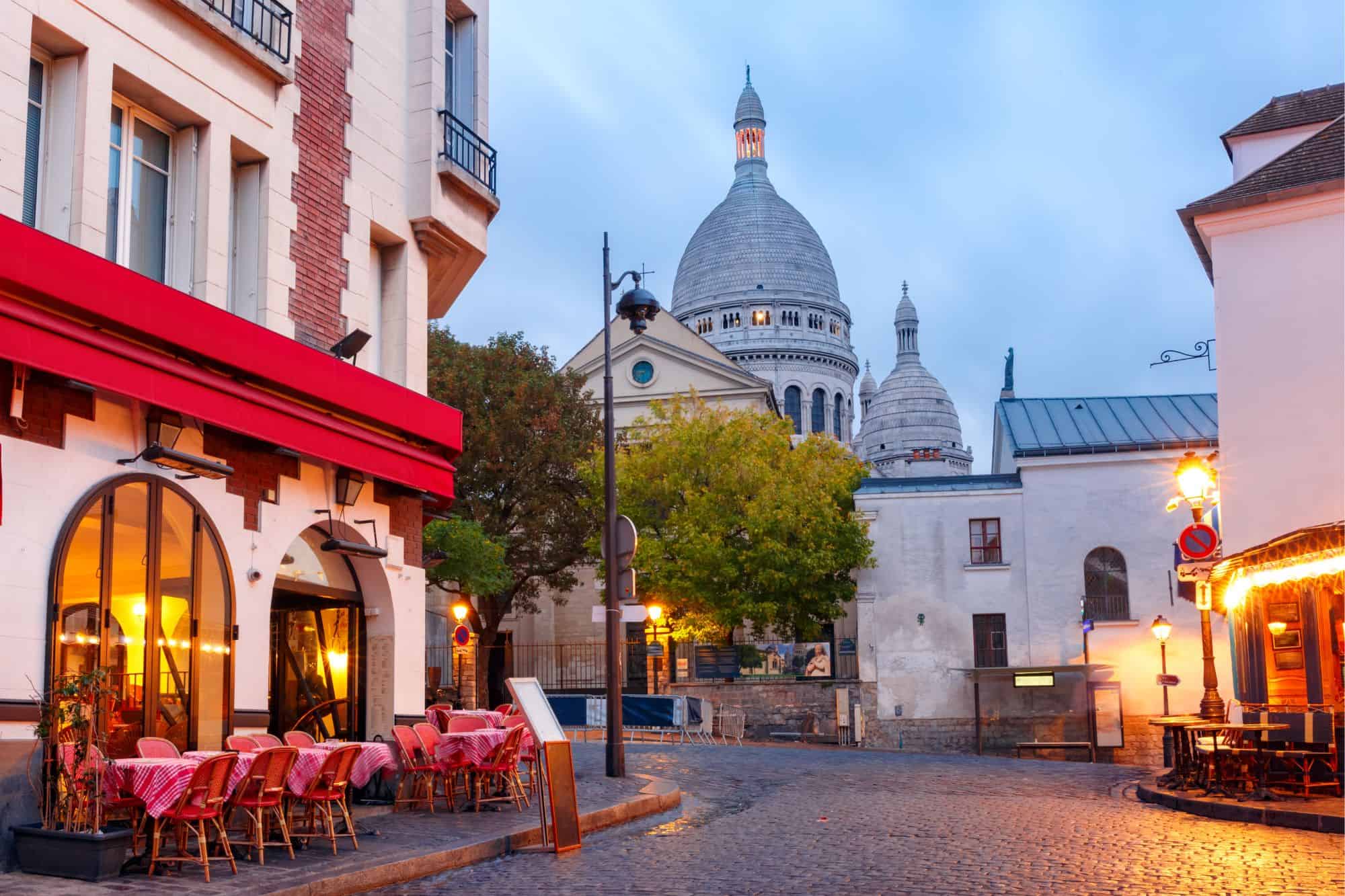
By the time you reach Montmartre, efficiency has already been undone. Streets tilt unexpectedly, staircases interrupt momentum, routes curve and double back without apology. You don’t move quickly here, even when you intend to. Cafés gather on corners that feel chosen rather than planned. Art history lingers unevenly, not as reverence, more as residue. The neighbourhood feels accustomed to being observed without responding, allowing its bohemian reputation to fade into habit.

Distance That Doesn’t Feel Like Departure
That same sense of continuity carries north. The train from London to Edinburgh unfolds steadily, allowing geography to rearrange itself without demanding reaction. Towns appear briefly, then recede, light changes, and borders lose importance. You don’t feel transported from one identity to another. You feel adjusted, as though the corridor itself were teaching you how to enter a city without resistance.
Walking as a Form of Adjustment in Montmartre
What Montmartre does quietly is recalibrate how you move. You slow without deciding to, you stop scanning for orientation and start responding to slope, to sound, to how light falls between buildings. Streets don’t guide you efficiently, they guide you indirectly. Over time, the urge to “see” anything specific fades because being present becomes enough.
Edinburgh’s Stone Memory
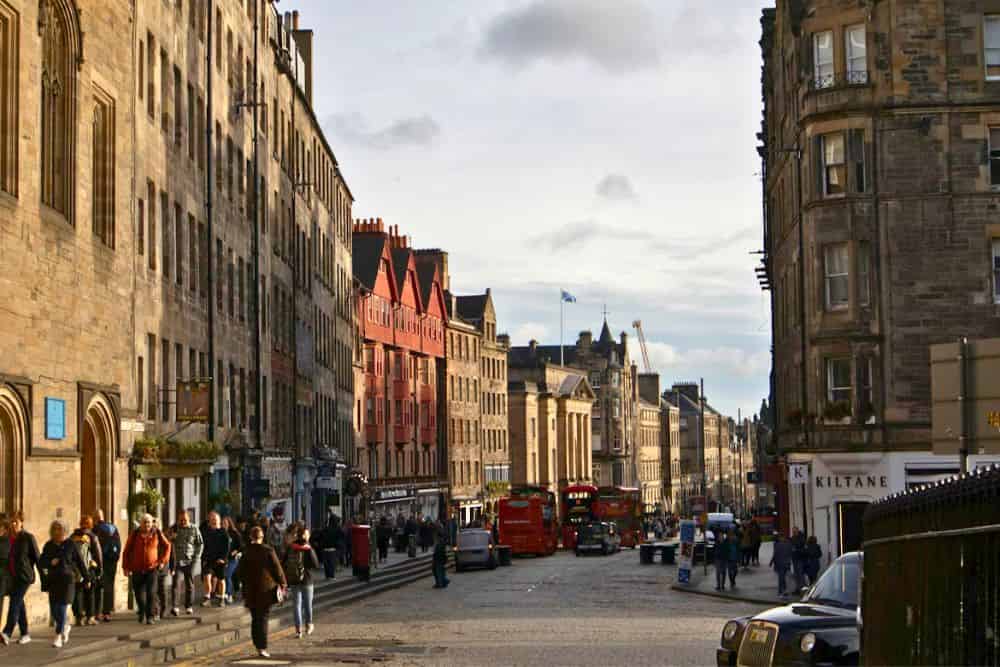
Edinburgh receives you differently. Stone dominates your experience – dark, textured, layered with weather and use. The Royal Mile runs through the city like a spine, pulling you uphill and releasing you again. Wynds branch off suddenly, narrow and shadowed, redirecting movement without explanation. History here isn’t framed or separated, it presses close, shaping how space is navigated rather than how it’s understood.
Movement That Belongs to the Ground
Walking the Royal Mile doesn’t feel directional, it feels gravitational. Elevation dictates pace, sound shifts abruptly as streets open and close, and shops and doorways feel embedded rather than presented. You don’t feel as though you’re completing a route. You feel as though you’re passing through something ongoing, something that doesn’t need to resolve itself for you.
When Memory Stops Being Visual
Over time, what stays isn’t imagery, it’s sensation. Uneven steps, sudden stillness in narrow passages, and the feeling of emerging into openness without warning. These details return later, unprompted, altering how you notice other cities without announcing their origin.
What These European Corridors Leave Behind
Later still, Montmartre and the Royal Mile don’t reappear as destinations you visited. They share a tolerance for irregular ground, an ease with cities that don’t explain themselves, a comfort with movement that isn’t efficient. The corridors between them fade first. What remains is a quieter way of entering places, shaped by slope, stone, and repetition rather than arrival. And that experience doesn’t end, it stays with you as a background rhythm long after the streets themselves have slipped from view.
Have you ever visited Montmartre or the Royal Mile? Do you agree they influence how you view Paris and Edinburgh?
* This is a collaborative post – please see my Disclaimer.

Leave a Reply