
AD | Travel often introduces us to unexpected passions. A city may captivate us with architecture, a quiet coastal town might reveal hidden culinary gems, and sometimes a journey through wine country opens the door to an entirely new appreciation for craftsmanship. For many travelers exploring France, the vineyards of Bordeaux create exactly that experience.
While wandering through historic wine regions, visitors frequently encounter conversations about legendary estates and the heritage behind their wines. Among these stories, travelers often discover a fascination with a luxury Lafite Rothschild collection, which represents one of Bordeaux’s most admired and historic wine traditions.
For those who enjoy meaningful travel experiences, learning about the history of these wines adds depth to any journey.
Bordeaux: A Destination Where Travel Meets Wine Heritage
Bordeaux has long been considered one of the most influential wine regions in the world. Travelers who arrive here quickly realize that wine is not simply a beverage but an essential part of the region’s culture and history.
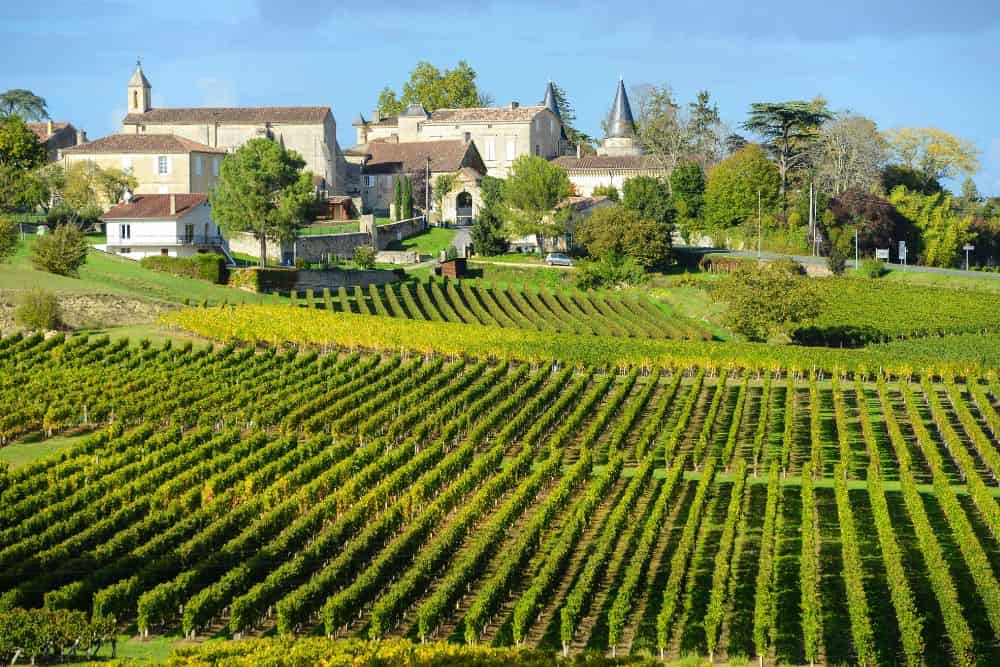
The countryside surrounding Bordeaux is filled with vineyards stretching across rolling landscapes. Stone châteaux sit quietly among the vines, many of them producing wines that have been celebrated for centuries.
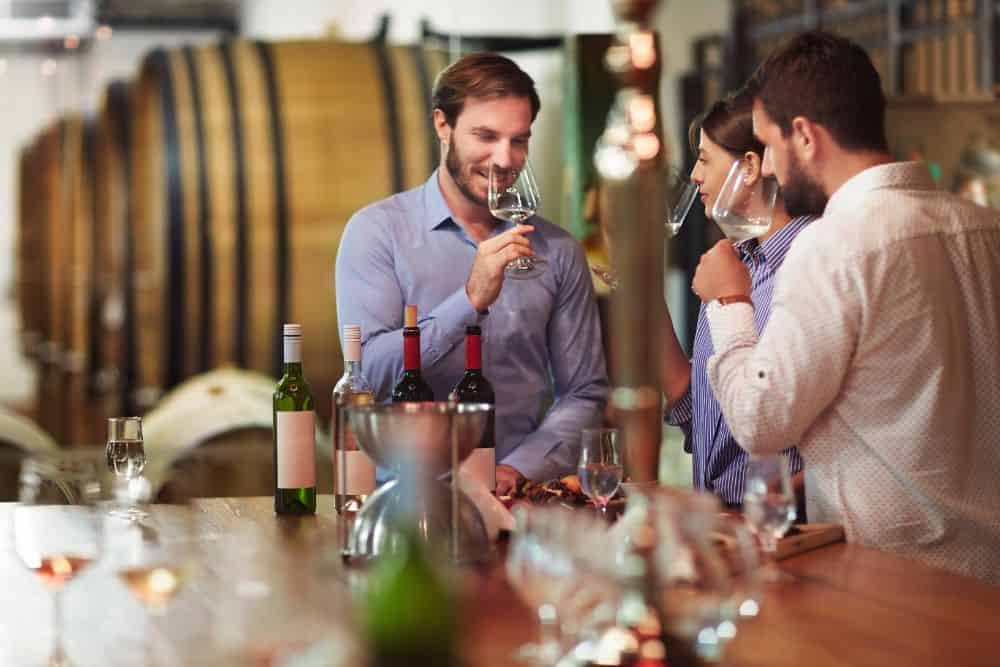
Visitors often spend their days exploring vineyard estates, tasting local vintages, and learning about the delicate balance between climate, soil, and grape varieties that defines Bordeaux wine. These experiences allow travelers to see firsthand why certain wines have gained global recognition.
Among these estates, Château Lafite Rothschild consistently stands out as one of the most prestigious names associated with Bordeaux’s legacy.
The Story Behind Château Lafite Rothschild
The history of Château Lafite Rothschild dates back to the 17th century, when the estate began producing wines that would later become known for their elegance and remarkable aging potential.
Today, the estate is classified as a First Growth in the famous 1855 Bordeaux Classification. This recognition placed Lafite among the most respected wines ever produced in France.
Travelers who explore Bordeaux often find themselves fascinated by how carefully these wines are produced. The vineyards benefit from gravelly soils that provide excellent drainage and help create the refined structure that Lafite wines are known for.
Cabernet Sauvignon typically forms the backbone of these wines, supported by smaller portions of Merlot and other grape varieties. The result is a wine that often displays remarkable balance, depth, and complexity.
For visitors discovering the estate’s legacy, the experience offers insight into centuries of winemaking tradition.
How Wine Travel Changes the Way We Experience Destinations
Wine-focused travel has grown increasingly popular over the past decade. Many travelers now plan trips specifically around wine regions, hoping to explore the landscapes and traditions behind some of the world’s most celebrated bottles.
Unlike many other travel activities, wine tourism encourages visitors to slow down and appreciate their surroundings. Tasting rooms often overlook vineyards that have been cultivated for generations, creating an atmosphere that feels both historic and peaceful.
Visitors also gain a deeper understanding of how winemakers approach each vintage. Weather conditions, harvest timing, and aging techniques all influence the final wine.
For travelers who appreciate storytelling through culture and food, wine regions like Bordeaux provide endless inspiration.
From Vineyard Visits to Wine Collecting
Many travelers return home from Bordeaux with a new interest in fine wine. Some begin exploring different vintages they tasted during their travels, while others start learning about collectible wines and how they evolve over time.
Certain wines, particularly those from renowned estates, are valued not only for their taste but also for their rarity and aging potential. This makes them appealing to collectors who appreciate both the craftsmanship and the history behind each bottle.
Wine enthusiasts often enjoy researching specific vintages, vineyard conditions, and production details. Each bottle represents a snapshot of a particular year in a vineyard’s life.
For travelers who discovered Lafite during their journey, exploring curated wine collections later can become a natural extension of the travel experience.
Why Provenance Matters in the World of Fine Wine
As collectors and enthusiasts deepen their interest in rare wines, provenance becomes an important factor to consider. Provenance refers to the history of a wine bottle, including how it has been stored and handled over time.
Well preserved wines are typically stored in controlled environments where temperature and humidity remain stable. These conditions help ensure the wine ages properly and maintains its quality.
Wine collectors also pay attention to bottle details such as fill levels, label condition, and capsule integrity. These factors provide clues about a wine’s storage history and authenticity.
Understanding these details helps collectors feel confident that the wine they purchase truly reflects the vintage and estate from which it originated.
The Lasting Memory of Wine and Travel
One of the most beautiful aspects of wine travel is how it connects memories with taste. A single bottle can bring back vivid memories of vineyard landscapes, quiet tasting rooms, and conversations shared during a journey.
For travelers who once walked through the vineyards of Bordeaux, opening a special bottle later can feel like revisiting that moment in time.
Wine has a unique ability to capture the spirit of a place. From the soil that nourishes the vines to the craftsmanship of the winemaker, each bottle reflects the culture and history of its origin.
Whether discovered during a journey through France or explored through thoughtful collecting, the legacy of Lafite Rothschild continues to inspire travelers and wine lovers around the world.
Have you ever tried anything from the luxury Lafite Rothschild collection? Does a wine tasting trip sound like something you’d enjoy too?
* This is a collaborative post – please see my Disclaimer.

I feel like Americans get so divorced from the idea of provenance when it comes to wine, cheese, or other goods. Definitely very European, but trying to explain why this matters to family stateside is… difficult. LOL.
I think you’re right, it is more of a European thing!