AD | Some cities impress immediately. Others unfold slowly, revealing themselves through routine rather than revelation. Paris and Amsterdam manage to do both – not by competing for attention, but by expressing confidence in very different ways. One organises beauty through alignment and ceremony. The other lets it emerge through repetition, water, and everyday use.
Moving between these two cities highlights a particular European talent: the ability to carry history forward without freezing it in place. Streets remain active, icons remain functional, and elegance survives, not as performance, but as habit.
Grandeur With Purpose in Paris
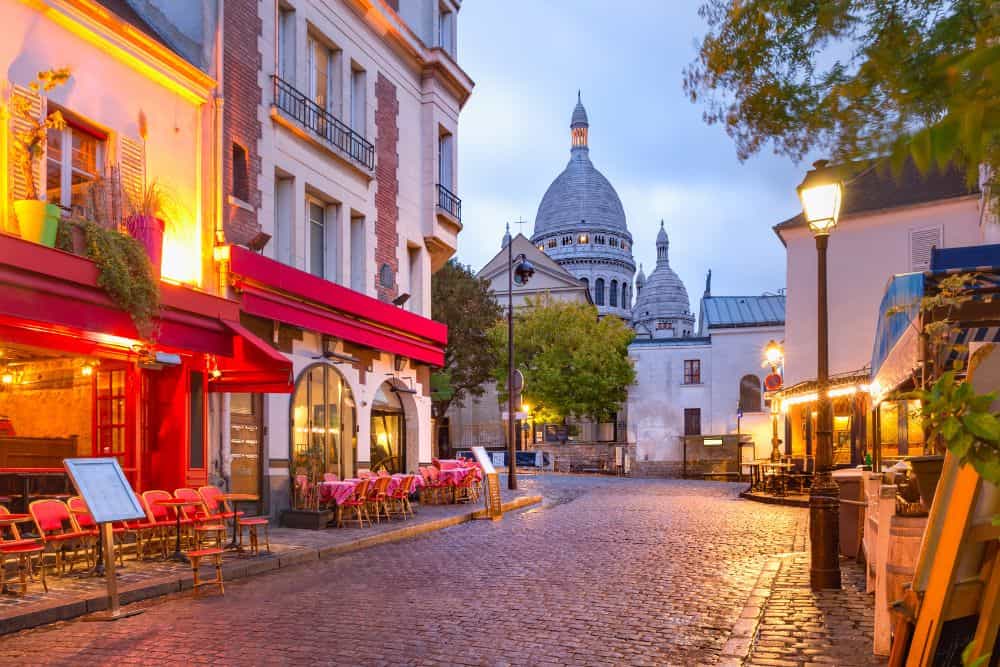
Paris does not hide its ambition. Avenues extend deliberately, sightlines are protected, public space is treated as civic responsibility rather than leftover land. The city’s elegance comes from intention – the sense that things were placed where they are for reasons that still matter.
Yet beneath that formality, Paris remains deeply lived in. Neighbourhood markets unfold daily, cafés anchor corners, parks fill with routine rather than reverence. Beauty here is not fragile; it tolerates repetition. For many travellers considering France vacations, this balance becomes the defining impression – a city that expects to be used, not just admired.
The Eiffel Tower as Orientation, Not Ornament
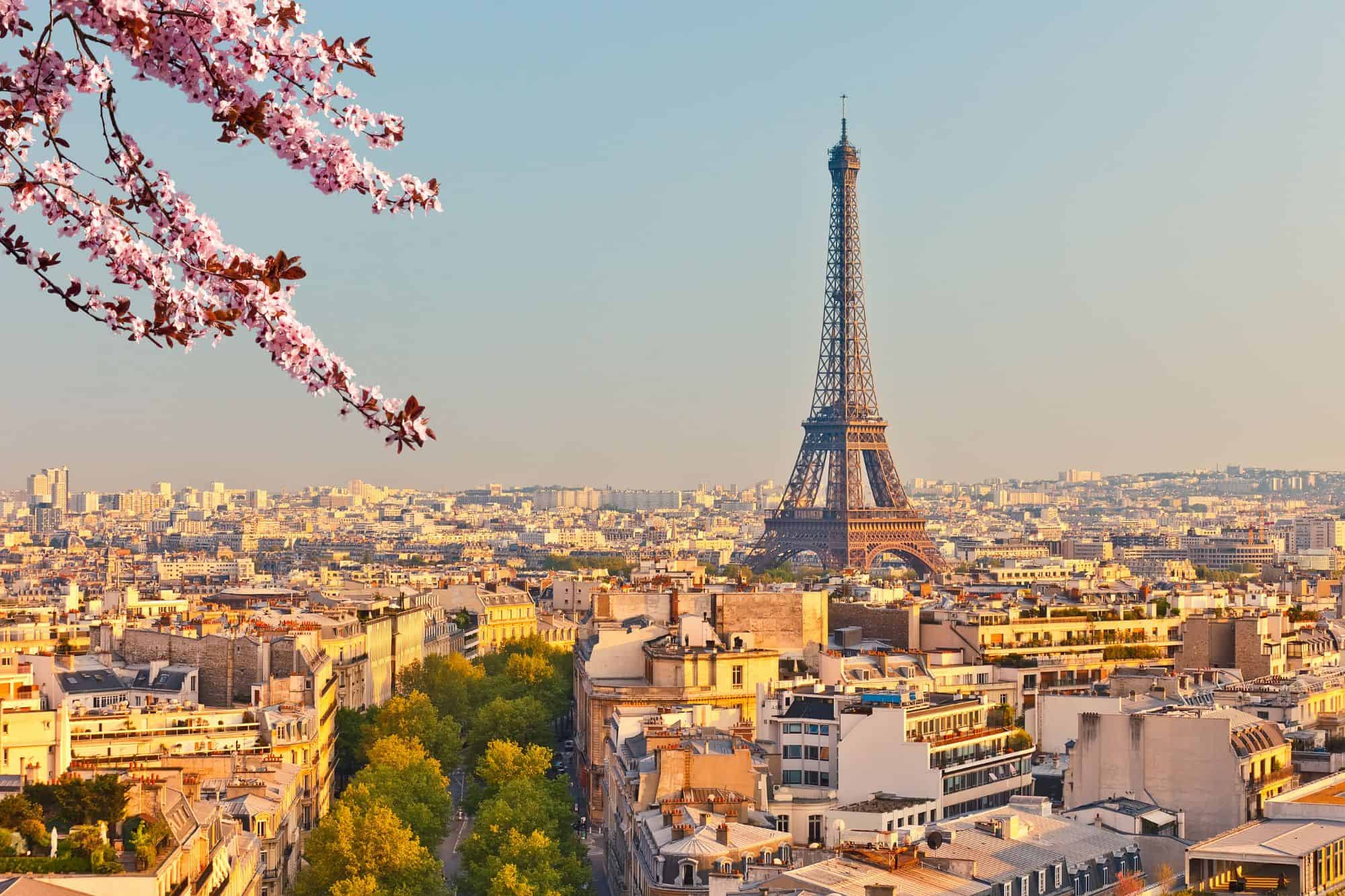
The Eiffel Tower’s power lies in how little it demands. It doesn’t dominate every experience, but it orients them. You glimpse it down side streets, across bridges, between buildings. It becomes a reference point rather than a destination. This quiet omnipresence keeps the landmark human. It belongs to the city’s rhythm – appearing, disappearing, returning – much like Paris itself. The tower works because it does not insist on attention; it accepts familiarity.
Elegance That Allows Interruption
What distinguishes Parisian elegance is tolerance. Streets accommodate protest and procession alike. Historic façades absorb scaffolding without complaint. Daily life interrupts beauty constantly – and beauty survives. This resilience prevents nostalgia from taking over. The city feels current because it allows friction.
Leaving Without Losing the Thread
Travel between Paris and Amsterdam preserves context rather than erasing it. Routes follow long-established corridors shaped by trade, politics, and movement. Understanding how to travel from Paris to Amsterdam becomes less about logistics and more about sequence. Fields widen. Density shifts. Urban logic reorganises. You arrive carrying one rhythm into another without needing to reset expectations. The journey feels connective, not corrective.
Water, Scale, and Habit in Amsterdam
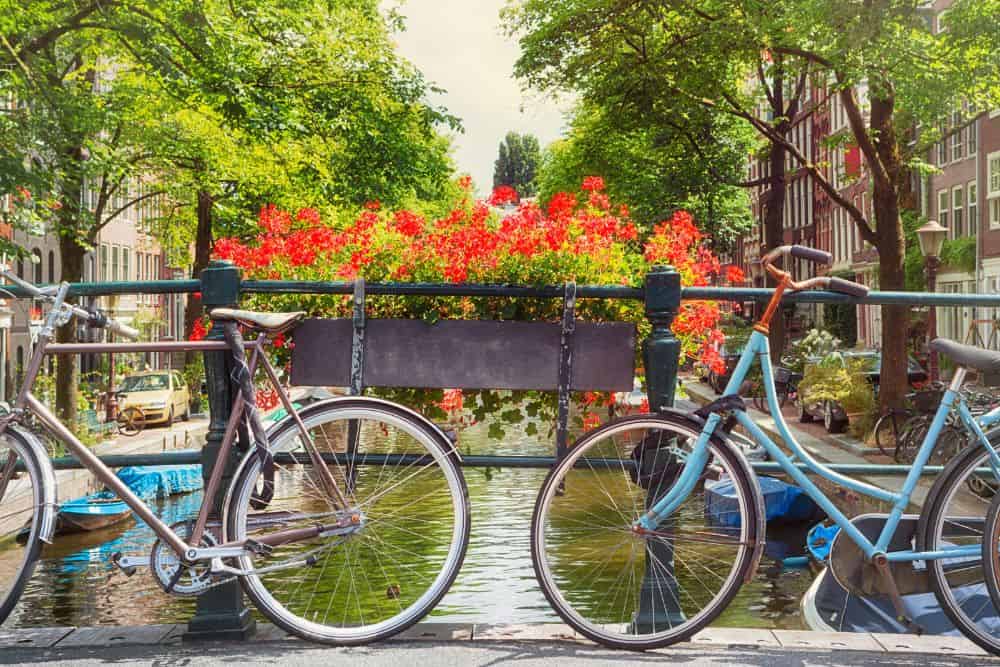
Amsterdam approaches beauty sideways. It rarely announces itself. Instead, it repeats gently – canals, gables, bridges appearing again and again with small variation. This repetition builds familiarity quickly. Streets remain walkable. Neighbourhoods feel legible. Even historic districts continue to function as places of work, residence, and routine rather than display. Amsterdam’s Golden Age streets survive because they never stopped being useful.
The Intelligence of the Canal System
The canal ring is not scenic infrastructure; it’s practical design. Water regulates movement, light, and scale. It prevents buildings from growing too large, it invites pause without isolating space. Daily life unfolds at canal level. People sit on edges, cross bridges without ceremony, orient themselves instinctively. The city teaches navigation through repetition rather than signage. Beauty here is structural.
Streets That Carry Memory Lightly
Amsterdam’s historic streets feel relaxed because they don’t carry the weight of explanation. Plaques exist, but they don’t dominate. The past remains visible without being narrated constantly. This lightness allows the city to feel contemporary. New cafés open inside old shells. Modern life fills historic frames without tension. Memory survives because it’s not burdened.
Paris and Amsterdam as Counterparts
Paris and Amsterdam are often framed as opposites – grand versus intimate, formal versus informal. In practice, they function as counterparts. Paris demonstrates how alignment creates clarity. Amsterdam shows how repetition builds comfort. One arranges experience; the other accumulates it. Both trust public space to carry meaning. Together, they reveal different solutions to the same question: how does a city stay beautiful without becoming static?
Why These Streets Still Work
The Eiffel Tower endures because it orientates rather than overwhelms. Amsterdam’s Golden Age streets endure because they remain practical rather than precious. In both cities, history stays active. Streets are crossed, not cordoned off. Landmarks are passed daily, not reserved for ceremony. Culture remains embedded because it’s allowed to be ordinary.
A Journey Defined by Continuity
Travelling between Paris and Amsterdam doesn’t feel like moving between eras. It feels like shifting emphasis. One city sharpens attention through structure, the other softens it through familiarity. This continuity is what lingers. Not a single monument or canal view, but the sense that beauty can survive use – that elegance and ease are not opposites, but complementary habits learned over time. And in that shared understanding, both cities continue to invite return – not to rediscover them, but to live with them a little longer each time.
Two very different cities but sharing so many similarities – which one appeals to you most, Paris or Amsterdam?
* This is a collaborative post – please see my Disclaimer.

Leave a Reply