AD | When you holiday abroad, how do you normally get around? By car? By bus? By train? Have you ever considered active travel – most often walking, hiking, or cycling? Unlike traditional tourism that relies on engines and schedules, it’s about slowing down, experiencing the world step by step or pedal by pedal, so your journey itself to become as meaningful as the destination.
Beyond the obvious health and environmental benefits, active travelling opens doors to more genuine encounters with people and places, creating connections that are often missed when speed and convenience take priority.
Active Travel at a Human Pace
One of the defining features of active travel is its slower pace. When you move without engines, you naturally cover less ground in a day, but you notice more along the way. This shift in speed not only changes how you experience landscapes but also how you interact with the people who live there. Locals often see travellers on foot or by bike as approachable and curious rather than rushed or distant, opening the door to more meaningful connections.
Approachable by Nature
There’s something disarming about arriving in a place on foot or by bicycle. Without the barrier of a car window or the anonymity of a tour bus, you appear open and accessible. Locals are more likely to greet you, ask where you are from, or offer advice.
These small gestures often lead to conversations that reveal far more about a place than any guidebook could. A brief exchange while filling a water bottle, or a chat with a shopkeeper as you rest, becomes part of the story of the journey.
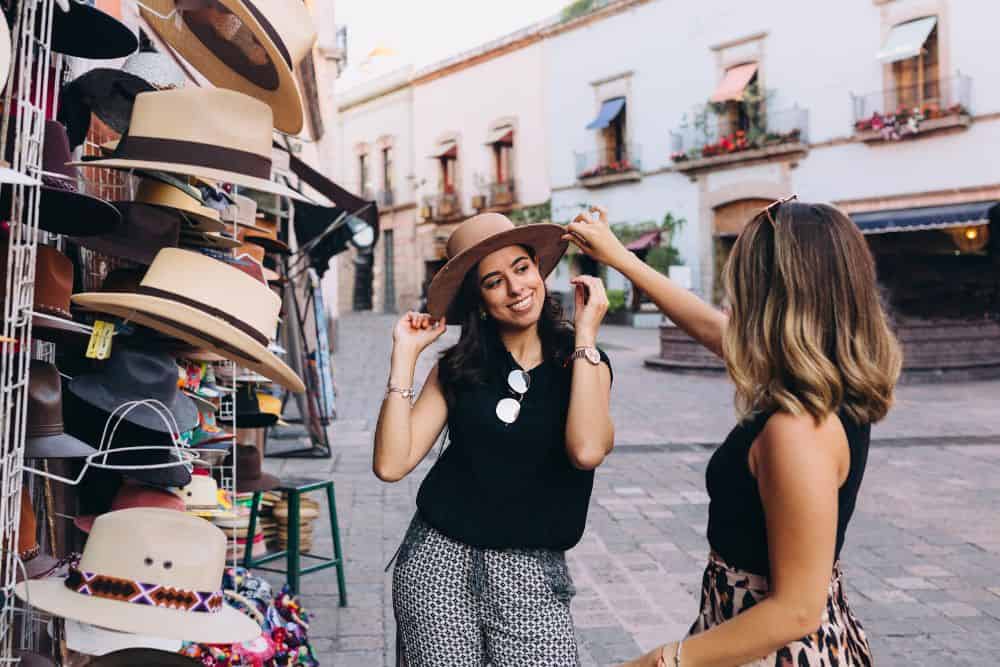
Active travel often sparks curiosity on both sides. Locals wonder about your route, where you are headed, and why you chose to travel this way. In turn, you learn about their routines, traditions, and opinions. These shared questions create a natural starting point for interaction.
A villager might explain a local festival you happen to pass through, or a farmer might describe the land you are walking across. By travelling slowly, you make yourself part of the environment in a way that encourages exchange.
Time to Stop and Listen
Engines prioritise speed; active travel prioritises presence. When you move under your own power, you have time to stop when something catches your attention – a market stall, a local café, or a roadside bench where people gather.
These pauses create opportunities to engage with locals in everyday settings. Because you’re not rushing to catch the next train or meet a strict schedule, you can give conversations the time they deserve. This unhurried attention often leads to richer and more genuine interactions.
Encounters That Feel Spontaneous
Some of the most memorable travel moments come from unplanned encounters. Asking for directions might lead to being shown the way personally. A quick stop at a bakery might turn into an invitation to sit and share a snack.
These moments happen more frequently when you are walking or cycling, because you are moving slowly enough for chance to intervene. Spontaneity becomes part of the rhythm of the journey, and locals become fellow participants rather than background figures.
Hospitality in Small Communities
Active travellers often pass through smaller towns and villages that see fewer tourists. In these places, hospitality tends to be personal and warm. Locals may go out of their way to help, whether by offering a meal, pointing out a scenic shortcut, or simply showing interest in your journey. These acts of kindness stay vivid in memory precisely because they are rooted in genuine human connection rather than commercial exchange.
Many travellers on bike tours Italy speak of this kind of hospitality – finding themselves welcomed with wine tastings, shared meals, or conversations that stretch late into the evening, all sparked by the approachable nature of slow travel.
Sharing Effort and Story
Effort creates common ground. When locals see that you’ve cycled up a hill or walked a long stretch of trail, they often respect the determination it took. This recognition can bridge cultural differences, creating a shared sense of achievement.
Likewise, when you share your story – why you’re travelling this way, where you’ve been, and what you’ve noticed – it invites locals to share their own. The exchange of stories becomes a form of hospitality, strengthening the bond between traveller and host.
Beyond Transactions
Many forms of tourism focus on transactions: buying tickets, booking hotels, paying for tours. Active travel shifts the focus to relationships. Of course, you still pay for meals and accommodation, but the connection often goes further. A guesthouse owner might share family recipes, or a café worker might recommend a local trail.
These small acts extend beyond business – they represent a willingness to connect as people. Travellers often leave feeling like they have made temporary but meaningful friendships.
Memories Rooted in People
When reflecting on active journeys, travellers often recall not just the landscapes but the people they met. The smile of someone who helped when you were lost, the laughter shared during a meal, or the advice given about the next stage of your route become part of the journey’s most enduring memories. These connections stand out because they weren’t orchestrated – they happened naturally, shaped by the openness of travelling without engines.
A Different Way of Belonging
Ultimately, active travel allows you to feel like part of a place, even briefly, rather than just a visitor passing through. By moving slowly, remaining approachable, and welcoming spontaneous encounters, you create space for genuine connections with locals. These interactions enrich the journey far more than rushing between landmarks ever could. They remind us that travel is not only about places but about the people who give those places life.
How do you feel about active travel as a way of making closer, deeper connections in your host country? Is this a type of holiday you’d consider in the future?
* This is a collaborative post – please see my Disclaimer.

I wrote about active travel a while ago, and while researching it all it was clear how great it is for making the connections you’ve outlined here. If accessible, it’s a lovely way to really get to see and know an area. I must try doing more of this myself!
I hadn’t realised there were so many benefits before I published this article – definitely going to try and do more of it from now on!
Active travel is such a great way to truly connect with locals. When you walk, bike, or take public transport, you slow down and really see the world around you. You get chances to chat with people, ask for directions, or even share a smile. It feels more natural and friendly, and locals often open up when they see you’re genuinely interested in their daily life. It’s a beautiful way to make real, human connections while exploring new places.
Yes, indeed, thank you for your lovely comment.