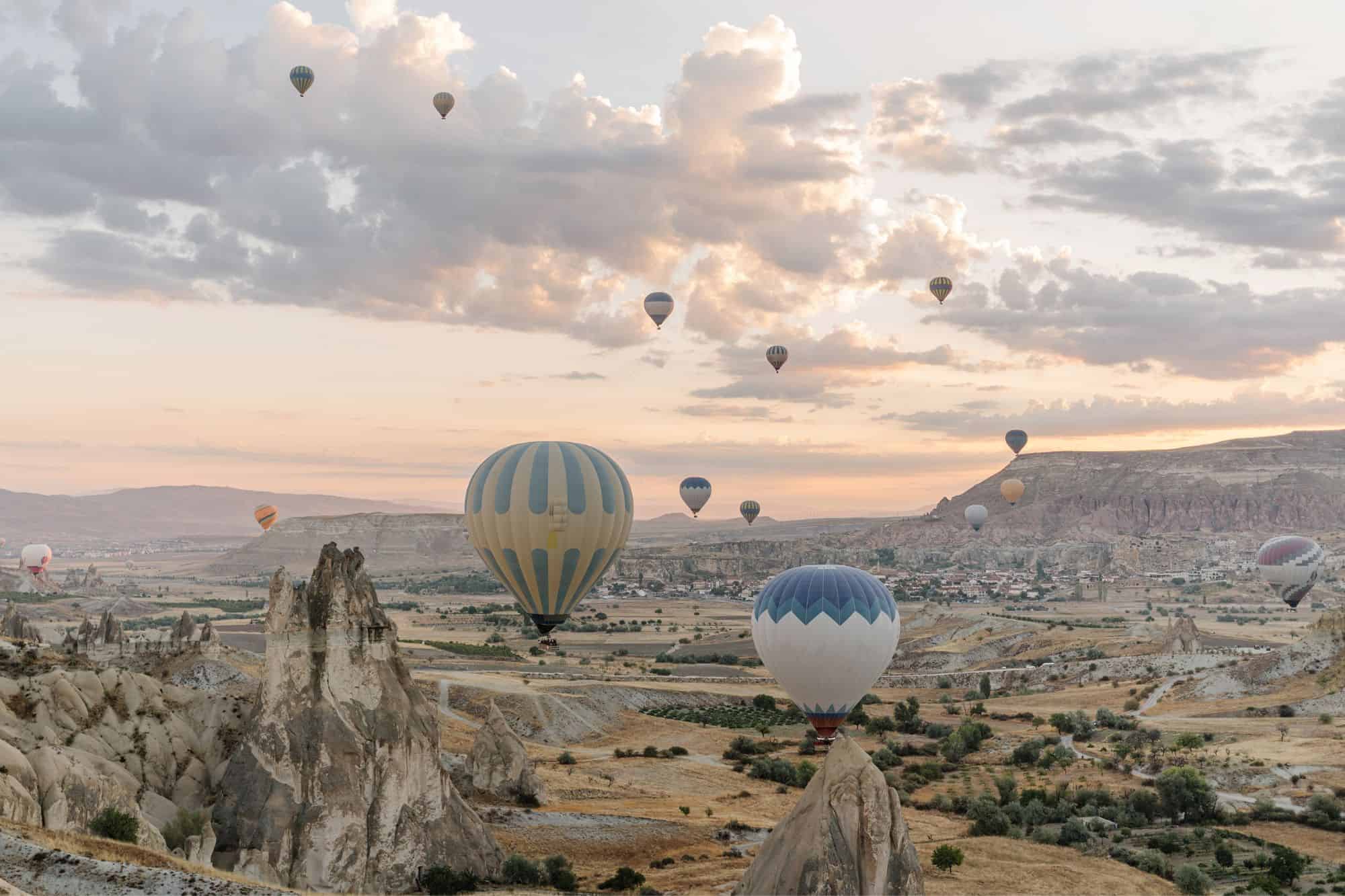
AD | Setting off on a journey to new destinations offers a treasure trove of photographic opportunities that simply have to be captured. And whether you’re a seasoned shutterbug or a budding enthusiast, the best camera accessories can significantly enhance your ability to tell visual stories. From adaptable lenses that capture sweeping landscapes to sturdy yet lightweight tripods that keep your shots steady, the right travel photography equipment makes all the difference to capturing those spontaneous, magical, memorable moments.
Must-Have Travel Photography Gear
Having the right accessories and equipment can elevate the quality of your photographs and make capturing those perfect moments so much easier. Here are a few of the must-have items for travel photographers.
Best Camera Accessories for Travel
Camera accessories are indispensable tools for enhancing your travel photography. Versatile lenses are a great starting point, such as a zoom lens that can allow you to easily capture both wide landscapes and detailed close-ups.
For steady shots, a compact, lightweight tripod is invaluable. It provides stability in low-light conditions, allows for long-exposure shots, and is easy to carry around.
It’s also a good idea to invest in spare batteries and memory cards. Running out of storage or power is a common pitfall, and if you want to continue shooting uninterrupted, it’s good to have backups on hand.
Additionally, filters, such as polarising filters, can help manage reflections and glare, enhancing the colours in your images.
Essential Photography Equipment for Travel
Your choice of photography equipment can greatly influence your travel photography experience. A versatile digital camera, such as the Nikon Z9, offers high-quality imaging and adaptability.
Compact cameras are ideal for travel due to their portability, and they’re easy to use without compromising on quality. Consider a portable flash for indoor or low-light situations so you can illuminate your subject without overexposing the image.
Lens hoods can help reduce lens flare and protect your lenses from accidental bumps. And a remote shutter release can help you capture sharp images without camera shake.
Reliable Camera Protective Gear
Keeping your equipment safe with the right travel camera gear is very important. Camera protective gear ensures your equipment remains in top condition, even in challenging environments.
- Invest in a sturdy camera bag with adequate padding. It should be weather-resistant and have compartments to organise your equipment.
- Use lens caps and UV filters to protect lenses from dust and scratches. These are simple but effective safeguards for your gear.
- For additional protection, consider a rain cover. This can shield your camera during unexpected showers or in humid conditions.
Top Tips for Capturing Stunning Shots
Capturing stunning travel photographs goes beyond having the right gear. Understanding light, location prep, and embracing spontaneity can all contribute to the quality of your shots.
Understand Lighting Conditions
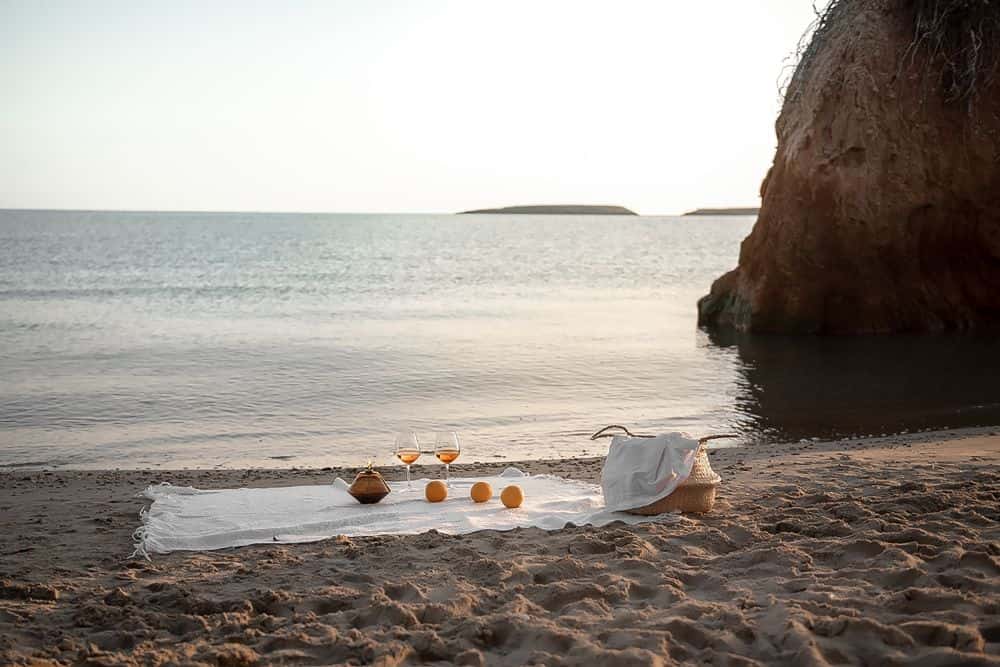
Lighting is one of the most critical elements in photography. Golden hour, the period shortly after sunrise and before sunset, offers warm, diffused light that’s ideal for photography (think of all those influencer photographs on Instagram).
Natural light can vary significantly throughout the day, so adjusting your camera settings to the lighting conditions is essential. In challenging lighting, such as bright midday sun, consider using a diffuser or seeking shaded areas to manage harsh shadows.
That said, experimenting with lighting can be fun and lead to some unique and compelling images.
Research Locations in Advance
Thorough research can make a significant difference in the quality of your travel photos. Check out online resources to find popular photography spots and plan your visits during the best lighting conditions for your subject and surroundings, for more intentional and impactful shots.
Consider cultural and seasonal aspects too, as they can help you capture the real essence of your chosen location. A little research can also reveal less-known spots offering unique perspectives and fewer crowds.
And for personal safety while shooting, check out these safety tips.
Embrace Spontaneity in Photography
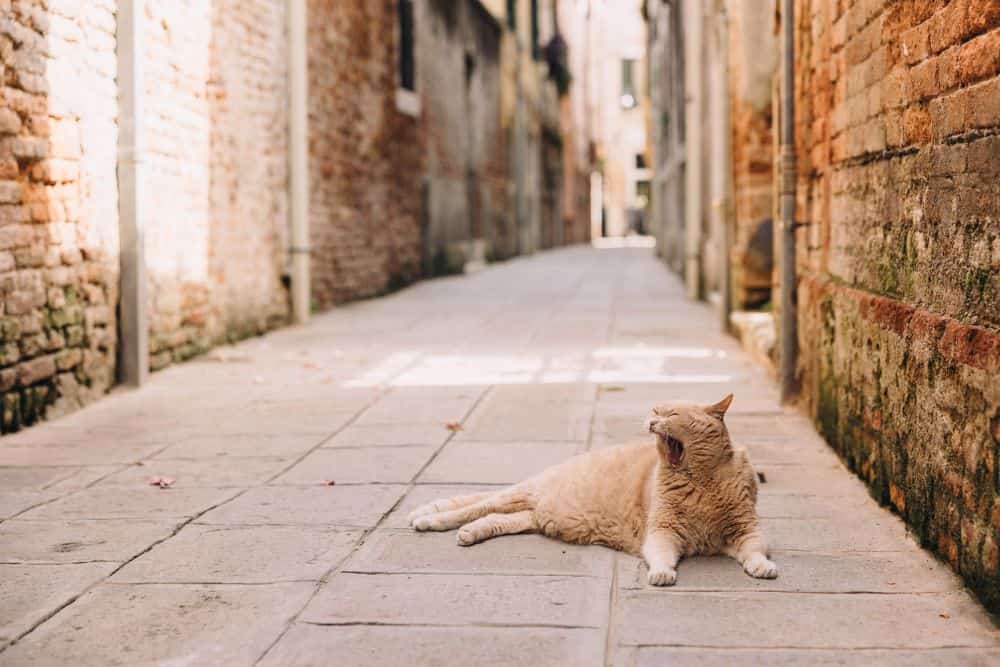
While planning and research is important, embracing spontaneity can lead to some of your most memorable shots. Unplanned moments often let you capture the real essence of your journey.
Keeping your camera accessible and ready to shoot means you don’t miss fleeting opportunities. When you interact with locals and adapt to spontaneous events, you’ll often find they offer really rich storytelling opportunities.
As with most things in life, striking a balance between planning and improvisation can enhance your travel photography experience.
Beauty is in the Eye of the Camera Holder
Travel photography is a hugely enjoyable pursuit combining the thrill of adventure with the art of capturing moments. Investing in the best camera accessories, right protective gear, techniques, and tips, your photography won’t only document your travels, it can also inspire others to explore and take photographs of their own for travel album filled with a lifetime of memories.
* This is a collaborative post – please see my Disclaimer.

Embracing spontaneity is essential with photography! Thanks for sharing all of your tips and this great guide!
Your’re welcome, glad you found it useful. 🙂
I could definitely get better at taking photos, so this was a useful read! I must admit that I often don’t know how to make the best of the settings I may find myself in, but the tips here have given me some great places to start improving!
That’s great to hear, Molly, so pleased you found this article useful!
So practical, your tips. Lighting conditions remain my greatest challenge to this day. But heho, I’ve picked up another little pointer to help with my Travel photography and better capture the essence of a place.
That’s great to hear, Bev, so pleased this article was useful – happy snapping!
These are great tips! I only take photos on my phone when traveling, but it would be nice to invest in an actual camera. My dad has a camera with a variety of lenses, and his photos from our trips always turned out great.
iPhone camera for convenience, but I do find a proper camera takes much better photos when things are further away or much larger. Thank you, Karalee. 🙂
I used to travel with a camera, but now the phone is so good that I am not bothering with a camera. Of course, professional photographers need to have a proper camera with all the features one has.
Yes, I think that’s the case with a lot of travellers. That said, my husband always takes his professional camera away with him, and the quality of his photographs versus my iPhone snaps is very different!
I’m having trouble with taking photos, so I will have to give this a re-read! Thank you.
That’s great, Giulia, I’m so pleased this post was helpful.
I loved your tips for having a compact tripod, a portable flash and a lens hood. These 3 would have saved my pictures so many times. When traveling, we often only have one chance to get the perfect photo, making your tips for being prepared absolutely essential!
That’s so true, being able to capture the moment is often key – done is better than perfect though!
Such a thoughtful and comprehensive guide, Lisa! I really appreciate how you balanced practical gear suggestions with creative tips—especially the reminder to embrace spontaneity. That’s often when the most authentic travel shots happen! I’ll definitely be upgrading my tripod and investing in a rain cover before my next trip. And your advice on researching locations ahead of time is spot on—it makes such a difference. Thanks for the inspiration and helpful reminders to make every photo count!
Thank you, that’s very kind – I’m so pleased it was helpful and I absolutely agree about the spontaneous shots often being some of the best, even though researching ahead of time is also very useful!
Thanks for the great tips! I found the gear suggestions super useful – especially the reminder about spare batteries and tripods. Also loved the advice on lighting and spontaneity.
You’re welcome, glad you found it useful. 🙂