AD | You know all those trips organised around learning – the cooking course, the language immersion, the guided history tour? Don’t you find they often produce less than they promise? Whereas the holidays that teach you the most are usually the ones that weren’t trying to.
The Problem With Educational Travel
There’s a category of holiday that announces its educational intentions upfront – the cultural tour with a scholar-guide, the artisan workshop in a foreign kitchen, the heritage trail with a detailed itinerary of significant sites.
These trips are not without value, but they tend to produce a particular kind of learning: structured, curated, delivered in manageable portions, and retained about as well as anything else encountered under conditions of mild obligation. You come back knowing more facts about a place than you did before. Whether you understand it any better is a separate question.
The holidays that produce genuine understanding tend to work differently. They’re not organised around instruction. They’re organised around experience – and the learning arrives sideways, as a byproduct of being fully immersed somewhere rather than being taught about it efficiently.
What Sailing Teaches About Geography
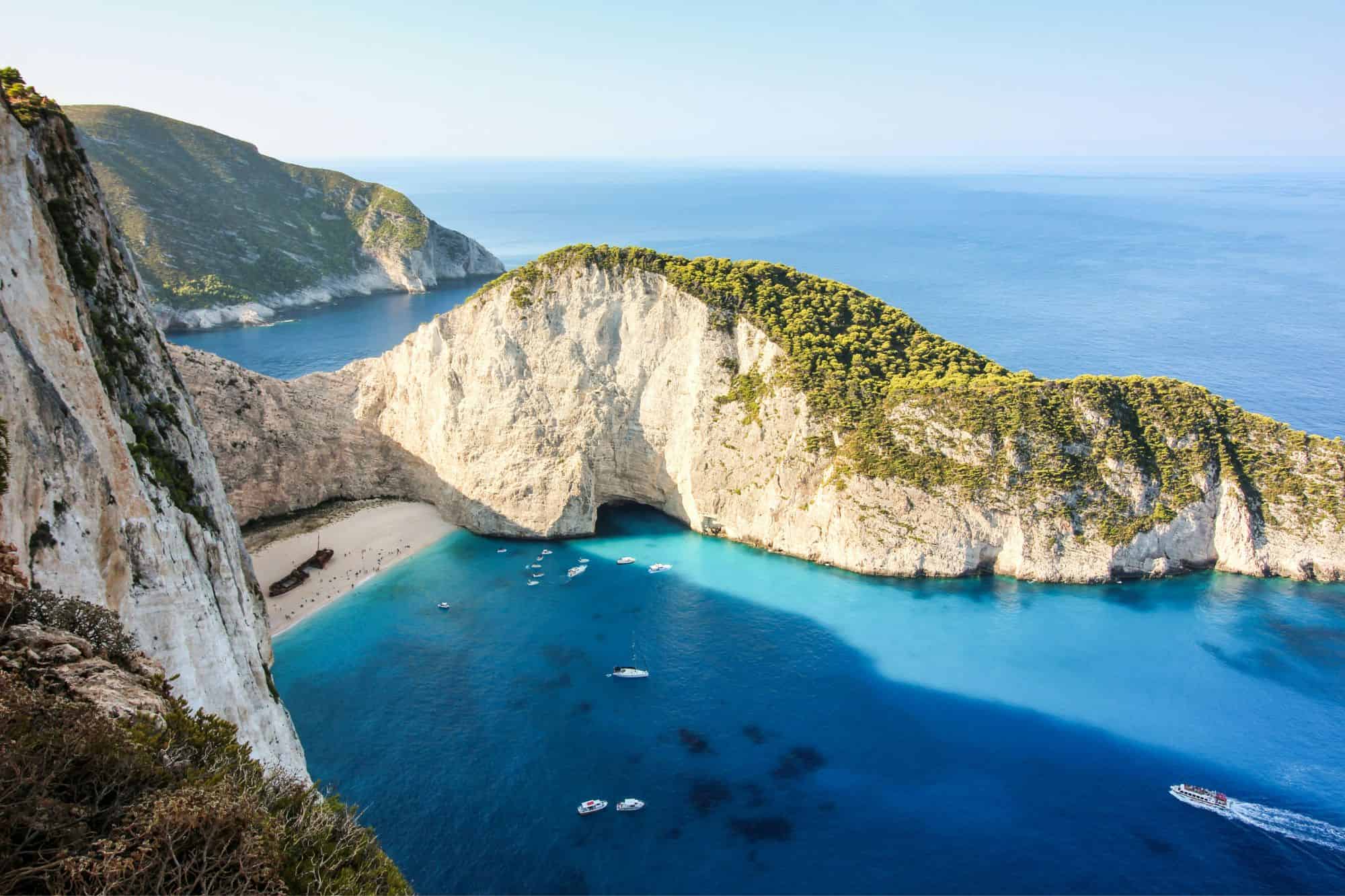
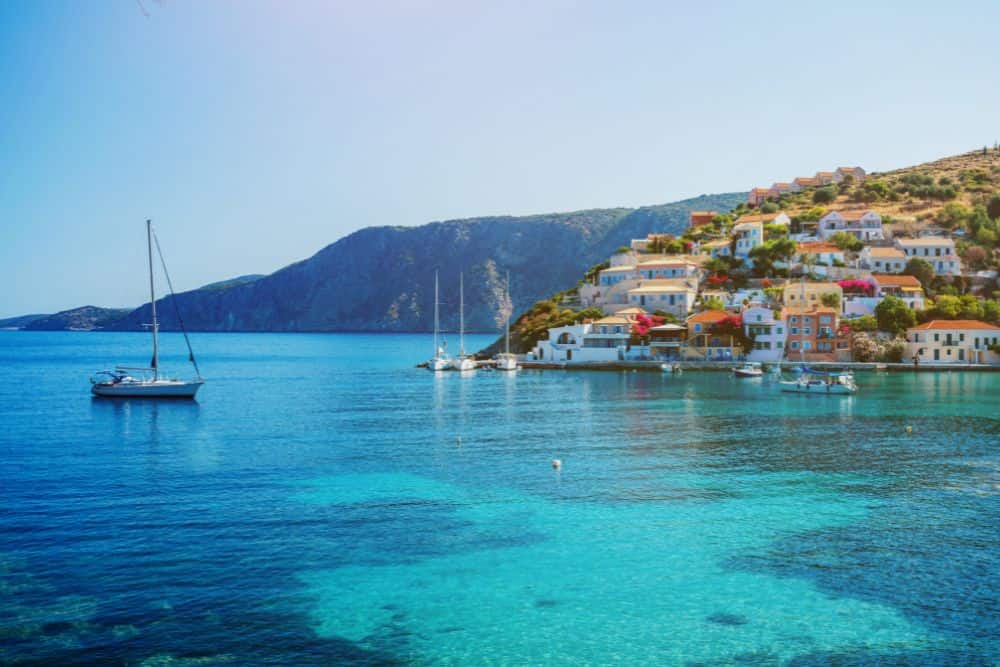
A week sailing the Greek islands produces a more visceral understanding of Greek history and geography than most classroom encounters with the subject manage in years.
The relationship between the islands and the sea – the way each island is defined by its position in the water rather than its connection to the land, the distances between them that determined which cultures traded and which fought, the way the prevailing winds shaped the routes that ancient ships could follow. These all become immediately legible when you’re moving through on a vessel subject to the same winds and currents.
A yacht charter Greece puts you in direct physical contact with the geography that produced one of the formative civilisations in human history, and it does so without any educational agenda. You’re simply sailing, and making decisions about where to go based on wind and weather and inclination.
So, your understanding accumulates as a consequence of being attentive rather than as a result of being taught. By the end of the week you know things about the Aegean that no book quite conveyed, not because anyone explained them but because you experienced them directly.
“The best education travel provides is never in the itinerary. It arrives in the gaps – in the unplanned hour, the wrong turn, the conversation you didn’t expect to have.”
What Walking Teaches About Landscape
Walking through a landscape at three miles an hour produces an understanding of it that no other form of travel replicates. The gradient of a valley, the relationship between a river and the settlements along its banks, the way a mountain range creates a weather boundary that produces different vegetation on either side. These things are visible from a car window as abstractions and but they become comprehensible on foot as facts.
Your body registers the landscape in a way the mind alone cannot, and the knowledge that accumulates over a week of walking somewhere is of a different order from the knowledge acquired by reading about it.
This is why people who walk long-distance routes through unfamiliar countries consistently report understanding those countries differently afterwards. Not because the walking was educational in any formal sense, but because moving through a place slowly and physically produces an intimacy with it that faster travel prevents. The landscape stops being scenery and starts being somewhere you have been, in the fullest sense of the word.
What Living Simply Teaches About Necessity
Trips that reduce the complexity of daily life – whether through the enforced simplicity of a long-distance walk, the self-contained world of a boat at sea, or the stripped-back routine of a remote mountain hut – tend to clarify the essentials that’s difficult to arrive at any other way.
The question of what you need, when the answer is constrained by what fits in a pack or what’s available on an island with one shop, turns out to be considerably simpler than ordinary life suggests.
And this is a lesson that’s neither sought nor taught. It arrives as a consequence of the conditions, and it tends to be one of the more durable things a trip produces – a revised sense of the relationship between having things and needing them that persists long after the trip itself has faded.
Most people who’ve experienced this would struggle to point to the moment it happened. It simply arrived, somewhere between the second and fifth day, in the gap left by everything that turned out not to be necessary after all.
* This is a collaborative post – please see my Disclaimer.

I really like the idea behind this article because travel can be one of the best ways to learn outside a traditional classroom. Visiting new places exposes us to different cultures, histories, food, languages, and ways of life, while also encouraging us to become more adaptable and open-minded. I especially appreciate the idea of choosing holidays that offer something more meaningful than simply visiting popular attractions. Even a short trip can teach us something new when we take the time to understand the people and places around us. A lovely reminder that some of the most valuable travel experiences are the ones we bring home with us.
Beautifully articulated, thank you for your lovely comment!