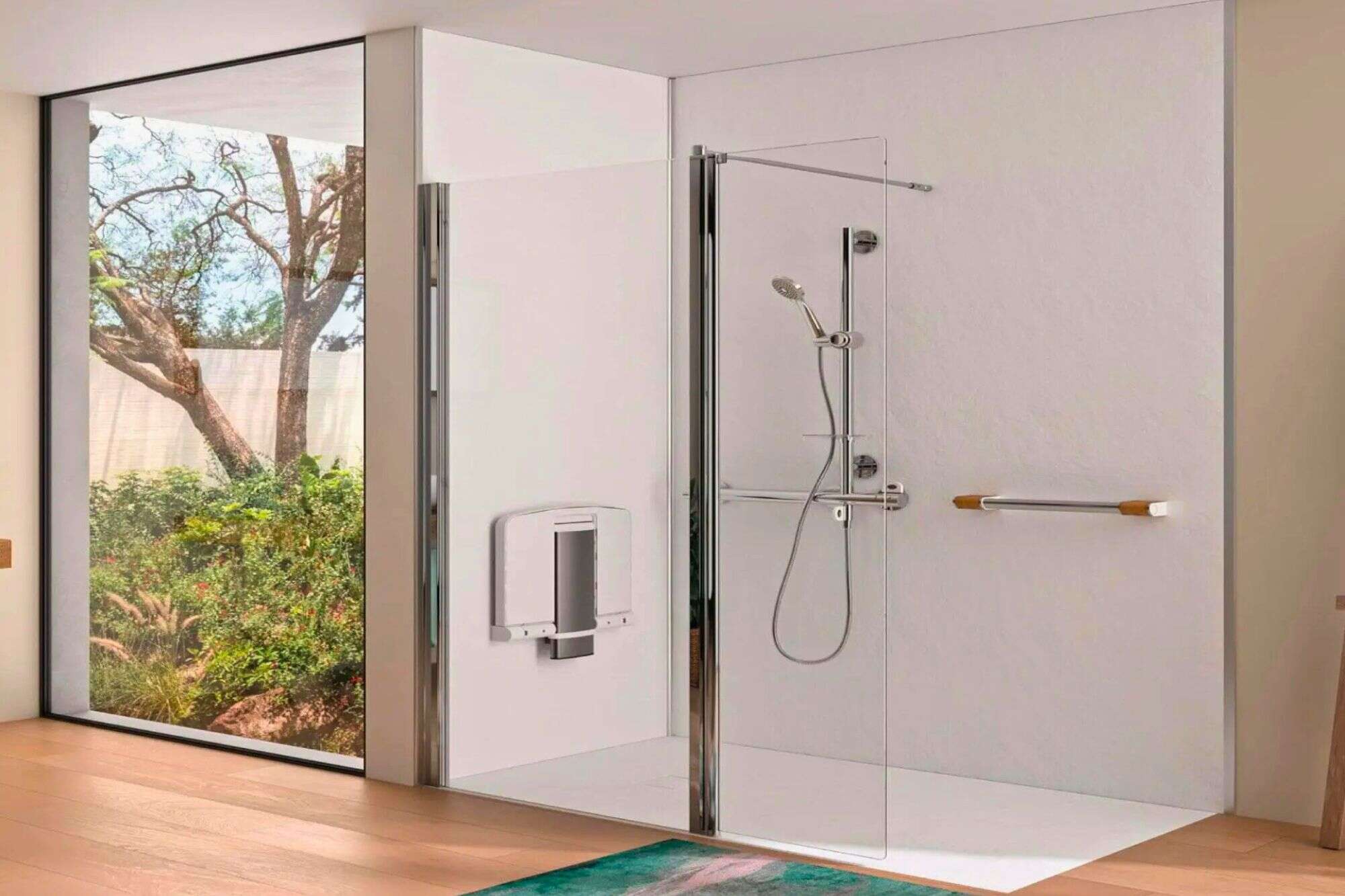
AD | When your parents struggle to step over the bathtub edge or your elderly relatives mention feeling unsteady in the shower, it’s time to consider making some changes. The bathroom can be one of the most dangerous rooms in the house for older adults, but with some modifications, it can become a safe, comfortable space that supports independence and dignity.
Whether you’re preparing for elderly guests, caring for ageing parents, or future-proofing your own home, creating an accessible bathroom doesn’t mean sacrificing style or comfort. Small changes can make enormous differences, and larger renovations like installing a walk in shower or walk in bath can transform daily routines from worrying ordeals into pleasant, safe experiences.
Essential Safety Features Every Accessible Bathroom Needs
Grab Rails and Support Bars
The simplest yet most effective safety addition to any bathroom is strategically placed grab rails. These aren’t just for people with severe mobility issues – they provide confidence and stability for anyone who occasionally feels unsteady.
Install grab rails beside the toilet, inside the shower or bath area, and near the entrance. Choose rails that can support at least 25 stone and ensure they’re properly secured to wall studs, not just plasterboard. Horizontal rails work best for sitting and standing, whilst vertical ones help with balance.
Modern grab rails come in attractive finishes that complement your bathroom’s style. Long gone are the days when accessibility features had to look clinical or institutional.
Non-Slip Solutions
Wet surfaces become treacherous for older adults. Add non-slip strips or mats inside baths and showers, and consider textured tiles for shower floors. Bath mats with suction cups provide extra security, but do make sure they lie completely flat to avoid creating tripping hazards.
For a more permanent solution, anti-slip coating can be applied to existing tiles, creating a safer surface without the need for complete refitting.
Improved Lighting
Poor lighting contributes to many bathroom accidents, so install bright, even lighting that eliminates shadows. Motion-sensor lights provide illumination without fumbling for switches in the dark, particularly helpful for nighttime visits.
Consider adding a nightlight that creates a gentle path from the bedroom to the bathroom, reducing the risk of falls during those essential middle-of-the-night trips.

Choosing Between Walk In Showers and Walk In Baths
Two of the most transformative modifications you can make are installing a walk in shower or walk in bath. Both eliminate the dangerous step over traditional bathtub edges, but they serve different needs and preferences.
Walk In Shower Benefits
A walk in shower removes barriers entirely, creating level access that’s perfect for people using walking frames, wheelchairs, or those who simply want to eliminate stepping over edges. These showers typically feature:
- Level or low-threshold entry
- Built-in seating
- Hand-held shower heads
- Spacious interior design
- Easy-clean surfaces
Walk in showers suit people who prefer quick, efficient bathing and those with significant mobility challenges. They’re also easier to maintain and generally cost less than walk in baths.
Walk In Bath Advantages
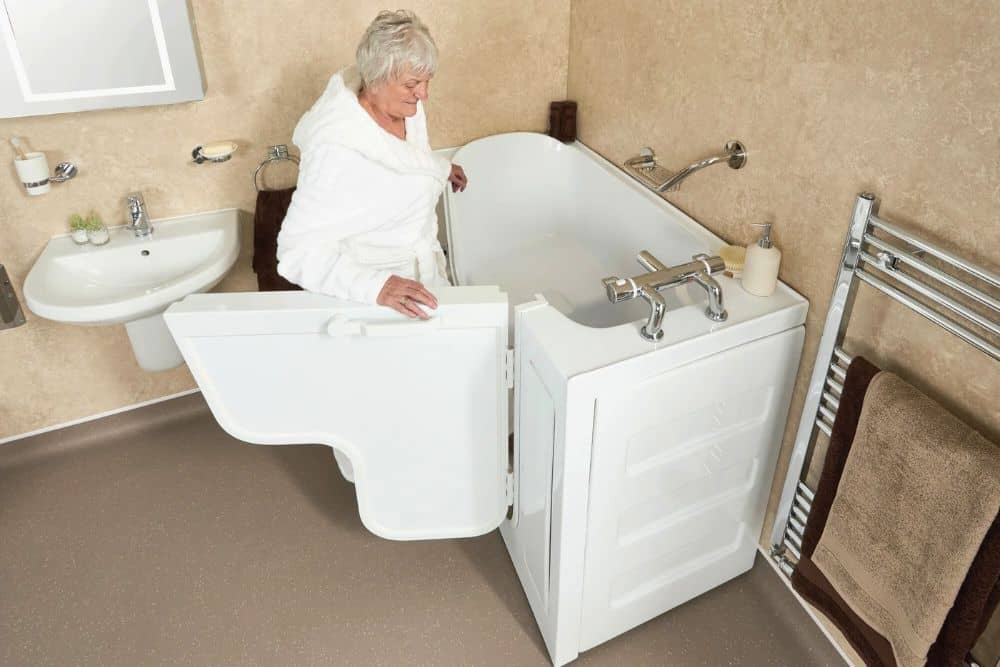
For those who cherish a relaxing soak, a walk in bath preserves the traditional bathing experience whilst dramatically improving safety. These baths feature:
- Watertight doors for easy entry
- Built-in seating
- Therapeutic jets (in many models)
- Anti-slip surfaces
- Quick-drain systems
Walk in baths particularly benefit people with arthritis, circulation problems, or those who find warm water immersion helpful for pain relief.
Toilet Modifications for Better Accessibility
Raised Toilet Seats
A higher toilet seat reduces the distance needed to sit and stand, making the process less strenuous. Raised seats with armrests provide additional support and stability. Some models clamp onto existing toilets, whilst others replace the entire seat.
Comfort Height Toilets
If you’re replacing the toilet entirely, consider a comfort height model. These toilets sit 2-3 inches higher than standard ones, making them more accessible for people with knee, hip, or back problems.
Toilet Frames and Rails
Freestanding toilet frames surround the toilet with grab rails and armrests. These work particularly well for renters or situations where a permanent installation isn’t possible.
Doorway and Access Improvements
Widening Doorways
Standard bathroom doors often create access challenges for people using mobility aids. Widening doorways to at least 32 inches (ideally 36 inches) accommodates wheelchairs and walking frames comfortably.
If major renovation isn’t possible, consider replacing hinged doors with sliding doors or curtains to maximise available space.
Door Handles and Locks
Replace round doorknobs with lever-style handles that are easier to operate with limited hand strength or dexterity. Ensure locks can be easily operated from inside and quickly released in emergencies.
Threshold Modifications
Remove or reduce raised thresholds that create tripping hazards. Transition strips can create smooth movement between different flooring materials.
Practical Storage and Accessibility Solutions
Reachable Storage
Move frequently used items to accessible heights between waist and shoulder level. Install pull-out drawers in vanity units to bring items closer rather than requiring reaching into deep cabinets.
Shower Caddies and Seats
Wall-mounted shower caddies keep toiletries within easy reach. Fold-down shower seats provide resting spots during longer showers and can be tucked away when not needed.
Accessible Taps and Controls
Lever-style taps require less grip strength than traditional round handles. Thermostatic mixing valves prevent dangerous temperature fluctuations and can include easy-to-see temperature indicators.
Professional Help vs DIY Modifications
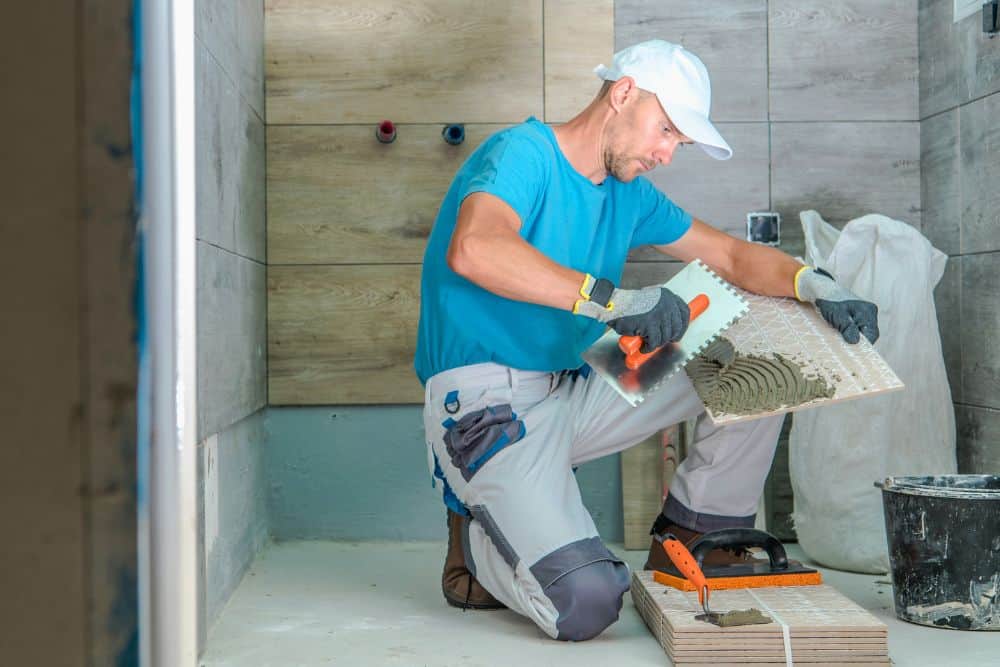
Whilst some accessibility modifications like grab rails, raised toilet seats, and improved lighting can be DIY projects, major changes like walk in showers or walk in baths require professional installation.
When choosing contractors, look for those experienced in accessibility modifications. They understand building regulations, proper installation techniques, and can advise on the best solutions for specific situations.
Always get multiple quotes and check references. Good accessibility modifications should last for years and provide reliable, safe service throughout.
Planning for Future Needs
When making bathroom modifications, think beyond current requirements. Conditions can change, and it’s more cost-effective to install comprehensive solutions initially rather than making repeated modifications.
Consider what might be needed if mobility decreases further. Can a walk in shower accommodate a shower chair? Does the bathroom layout allow for future wheelchair access? Planning ahead prevents the need for disruptive renovations later.
Making Safety Beautiful and Dignified
Creating an accessible bathroom doesn’t mean compromising on style or creating a clinical environment. Modern accessibility products come in attractive designs that complement any décor style.
Choose grab rails and accessories that match your existing fixtures. Many walk in showers and baths feature elegant designs that enhance rather than detract from bathroom aesthetics.
Remember that the goal is maintaining dignity and independence. The best accessible bathroom feels like a comfortable, attractive space that happens to be safer, rather than a medical facility.
The investment in bathroom accessibility pays dividends in safety, confidence, and continued independence. Whether you choose simple modifications like grab rails and better lighting, or major changes like a walk in shower or walk in bath, these improvements create peace of mind for everyone involved.
Your elderly family members deserve to feel safe and comfortable in what should be a private, relaxing space. With considered planning and the right modifications, the bathroom can remain a place of comfort and dignity throughout their golden years.
* This is a collaborative post – please see my Disclaimer.

Thank you so much for the tips! I think this is something I need to start considering seriously, especially since my dad just retired recently and spends more time at home now.
Thank you, I’m very pleased the article was helpful – best wishes for your dad’s happy retirement!
I loved your practical approach to making a bathroom more accessible for aging parents. Honestly, I could also benefit from improved lighting! It always seems like I am bumping into things!! 🙂
I know just what you mean!
This is a useful post. Years ago, when my great-grandmother lived with my grandmother, they renovated the bathroom to make it more accessible.
There are lots of easy ways to make bathrooms accessible, aren’t there?