
Did you know our sense of smell is one of our most powerful senses? Its direct connection to our brain influences our mood, memory, taste, and overall health and wellbeing. That’s why aromatherapy – an ancient practice using natural plant extracts – has become so popular. And using some of the best essential oils for beginners is a great way to tap into the benefits of scent. Whether you’re looking to relax, boost your mood, or simply enjoy some lovely fragrances, essential oils can offer a simple, natural path to feeling better every day.
What is Aromatherapy?
Aromatherapy is a holistic healing treatment that uses natural plant extracts, often in the form of essential oils, to enhance the health of the body, mind, and spirit. It’s not just about smelling good – these powerful oils can have a profound effect on your overall emotional, mental, and physical health.
Beginners Guide to Essential Oils
At the heart of aromatherapy are essential oils. These are concentrated plant extracts obtained through distillation or mechanical methods, like cold pressing. Each oil has its unique composition and properties.
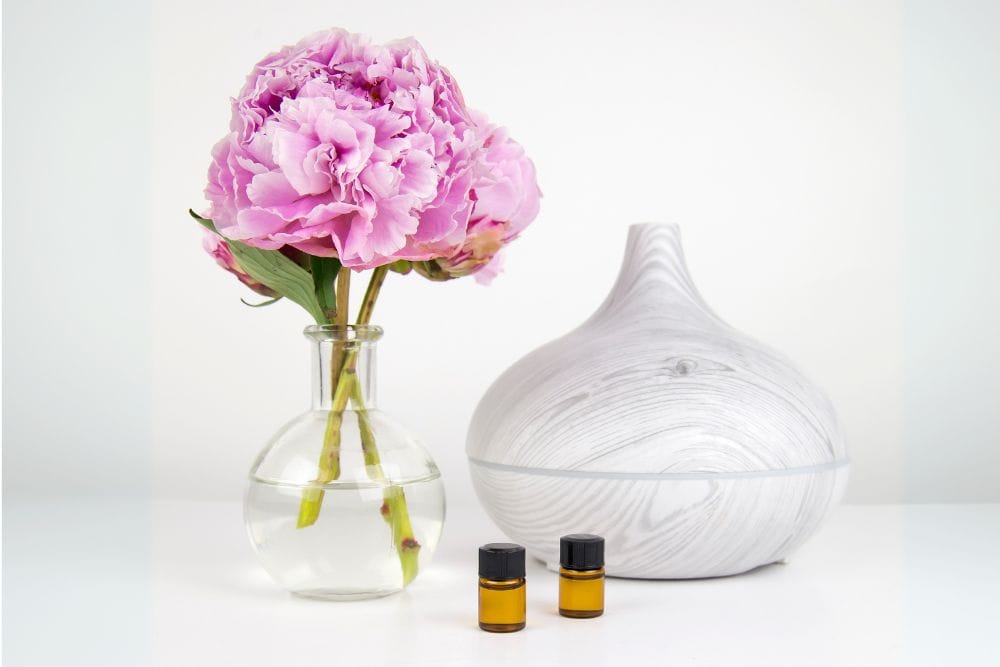
What Are Essential Oils?
Fragrant essential oils are found in seeds, bark, stems, roots, flowers, and give plants their distinctive smells, protect plants, and play a role in plant pollination. Unique aromatic compounds give each essential oil its characteristic essence and also determine its specific therapeutic properties. Today, as in early Egyptian, Chinese, and Roman times, these same natural oils can be used in food preparation, beauty and skincare treatments, and health-care practices, including aromatherapy.
How Are Essential Oils Made?
The production of essential oils is a careful and intricate process. There are two main methods:
- Distillation: Most commonly used where plants are steamed, and the steam carries the aromatic compounds away. When this steam is cooled and condensed, the oil is separated from the water.
- Cold Pressing: Often used for citrus oils like lemon and orange, this mechanical process involves pricking and pressing the fruit rind to release the oils.
The Unique Composition of Essential Oils
Each oil has a unique chemical composition, which varies depending on factors like the plant’s species, how it was grown, harvested, and processed. This means each oil offers distinct therapeutic properties. For instance, lavender is known for its calming effects, while peppermint is invigorating and refreshing.
The Potency of Essential Oils
Because they’re so concentrated, essential oils offer powerful therapeutic benefits even in small amounts. This potency also means they need to be used with care and respect. For most oils, a few drops are all that is required for them to be effective.

The Versatility of Essential Oils
The beauty of essential oils lies in their versatility. They can be used for a wide range of purposes:
- Therapeutic Use: Many essential oils are believed to have health benefits, including reducing anxiety, easing pain, and improving sleep.
- Aromatherapy Applications: When inhaled, the scent molecules in essential oils travel from the olfactory nerves directly to the brain, influencing emotions and behaviours.
- Skincare: When diluted, some essential oils can be applied to the skin for cosmetic and healing purposes.
- Household Use: Essential oils can be used as natural alternatives to chemical fragrances in cleaning products, laundry detergents, and air fresheners.
- Food Production: Certain herbal and fruit oils can be used to enhance culinary dishes and drinks.
How Do I Get Started With Essential Oils?
- Inhalation: This is the most common method. You can use a diffuser, inhale directly from the bottle, or add a few drops to a bowl of hot water and breathe in the steam.
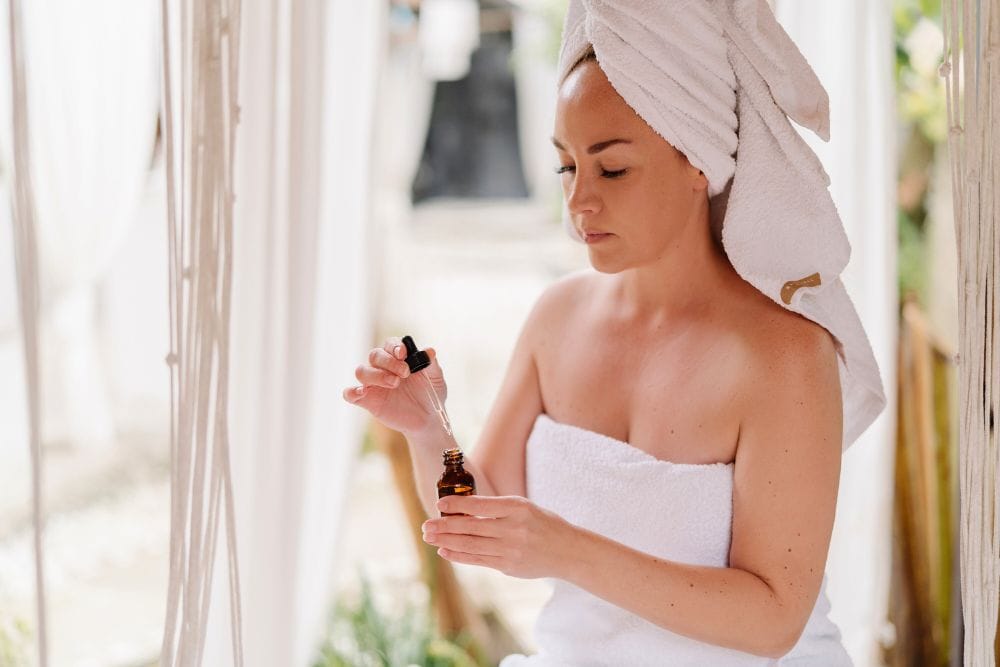
- Topical Application: Essential oils can be applied to the skin, but they should be diluted in a carrier oil to avoid irritation.
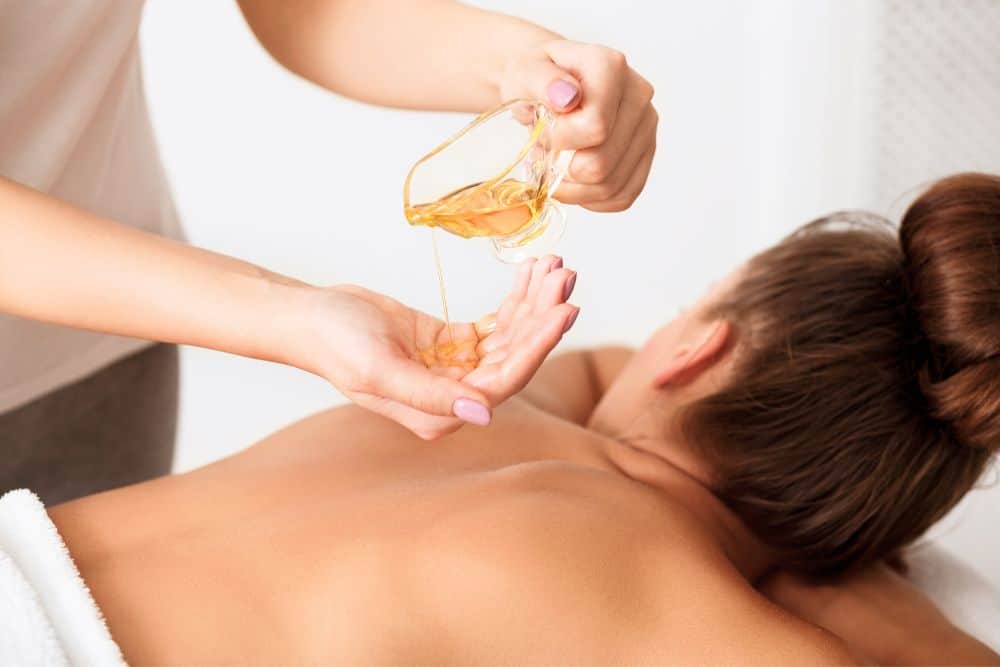
- Other Uses: You can add them to bath water, use them in a massage, or even incorporate them into cleaning products for a natural scent boost.
5 Best Essential Oils for Beginners
- Lavender essential oil: The all-rounder, lavender oil is known for its calming and relaxing properties. It’s perfect for unwinding after a long day and promoting a restful night’s sleep.
- Peppermint essential oil: The perfect pick-me-up, peppermint oil is invigorating and refreshing. It’s also great for easing headaches and digestive issues.
- Lemon essential oil: Bright and uplifting, lemon oil is wonderful for boosting your mood and energy levels. It’s also a natural cleaner and deodoriser.
- Eucalyptus essential oil: Feeling congested? Eucalyptus oil is your go-to for clearing sinuses and promoting respiratory health.
- Tea Tree essential oil: Known for its antimicrobial properties, tea tree oil is excellent for skin health and fighting off bacteria.
Essential Oils Dos and Donts – Aromatherapy Tips for Beginners
While essential oils are natural, they’re also potent. Here are some quick safety tips for how to use aromatherapy oils:
- Always Dilute: Essential oils should be diluted before applying to the skin, ideally a few drops in carrier oils such as almond oil, jojoba oil, argan oil, or grapeseed oil. These oils are lightweight and non-comedogenic (won’t clog pores).
- Patch Test: Do a small skin patch test to check for allergic reactions.
- Quality Matters: Purchase high-quality, pure essential oils from reputable sources.
- Consult a Professional: Especially if you’re pregnant, nursing, or have health concerns. And if you experience any side effects, seek medical advice straight away.
How Do I Get Started with Essential Oils? 6 DIY Aromatherapy Blends
Are you ready to experiment beyond those five best essential oils for beginners? Here are a few simple blends to start with:
- Relaxation Blend: 3 drops of lavender, 2 drops of chamomile, and 1 drop of ylang-ylang. Add to your diffuser or mix with a carrier oil for a calming massage.
- Energising Morning Blend: Mix 3 drops of orange, 2 drops of peppermint, and 1 drop of rosemary into an unscented body wash. Use in your morning shower for an invigorating start to your day.
- Focus and Concentration Blend: When you need a mental boost, mix 2 drops of rosemary, 2 drops of lemon, and 1 drop of basil. This blend is great in a diffuser in your workspace or applied topically to your temples and back of the neck (diluted in a carrier oil).
- Sweet Dreams Sleep Blend: For a restful night’s sleep combine 3 drops of lavender, 2 drops of cedarwood, and 1 drop of vetiver. Add this blend to your diffuser in the bedroom, or mix it with a carrier oil and apply it to your wrists or pillow before bedtime.
- Stress Relief Blend: When you need to unwind and de-stress mix 3 drops of bergamot, 2 drops of frankincense, and 1 drop of patchouli. This blend can be used in a diffuser, or you can add it to a warm bath or massage oil for a soothing experience.
- Immune Boost Blend: To help boost your immune system, especially during cold and flu season. Combine 3 drops of eucalyptus, 2 drops of tea tree, and 1 drop of lemon. This blend is great for a diffuser or as a part of a homemade cleaning spray to keep your home or workplace healthy and fresh.
Embracing Your Aroma Journey
Aromatherapy is a personal and ever-evolving journey. Because once you’ve experimented with the best essential oils for beginners, there’s a whole spectrum of fragrances waiting for you to explore. As you try different oils and blends, keep a note of your favourites, and how they make you feel – emotionally, mentally, and physically. Let your inner aromatherapist guide you, revel in how these amazing oils work their magic, and have fun. Happy sniffing!

Leave a Reply