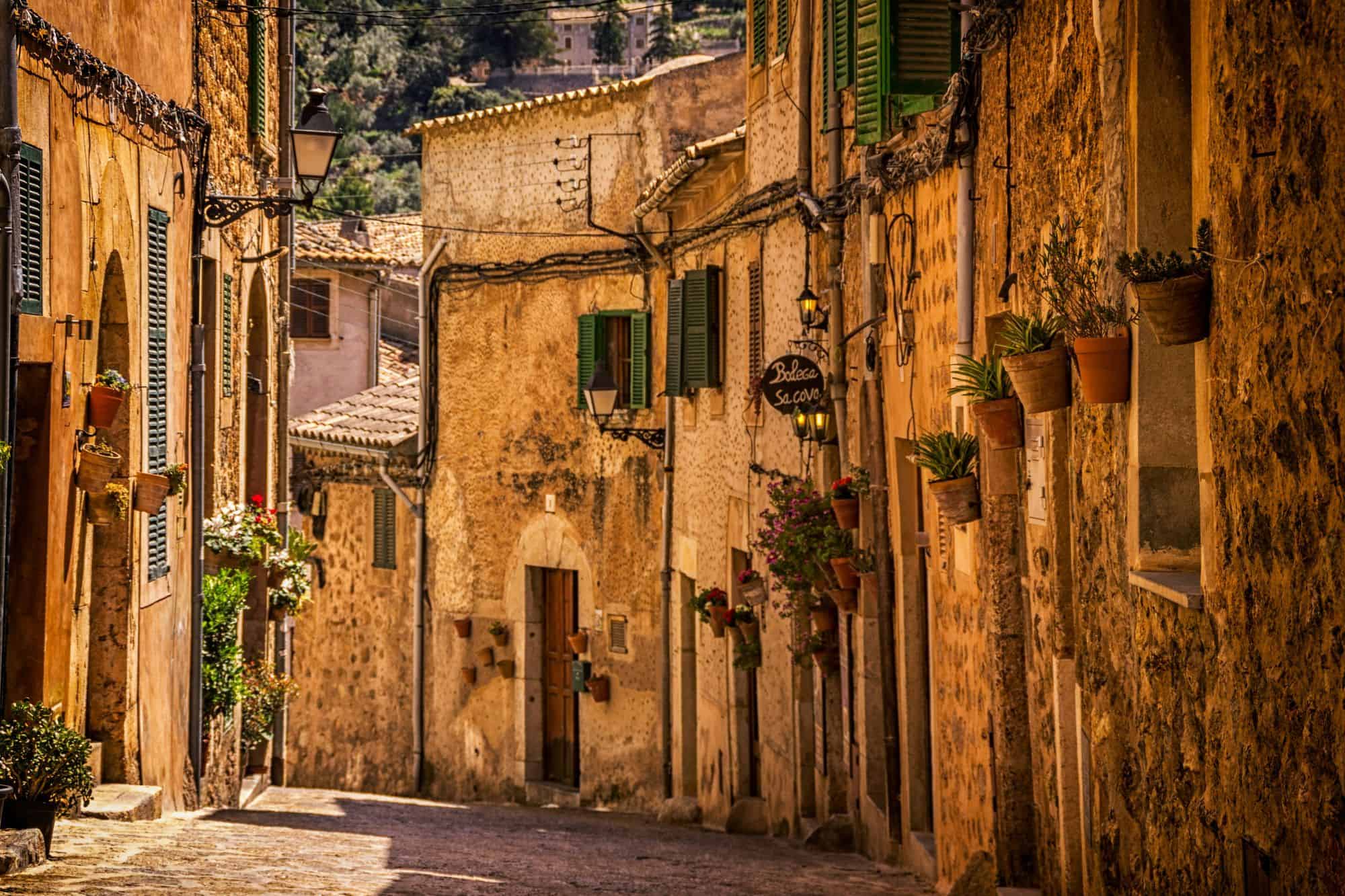
AD | Spain caught me off guard. I went expecting sangria, paella, and crowded beaches but found a country with incredible regional diversity, fantastic food culture, and some of Europe’s most underrated destinations. After six visits spread across different regions and seasons, I’ve barely scratched the surface of what this country offers. Here’s why I believe Spain offers you so much more than just flamenco and beaches.
Madrid: The Unexpected Capital
First Impressions Beyond Tourist Traps
Madrid initially disappointed me. Coming from Barcelona’s architectural drama, the capital seemed ordinary – wide boulevards, less distinctive buildings, and no beach nearby. But Madrid grew on me in ways Barcelona never did.
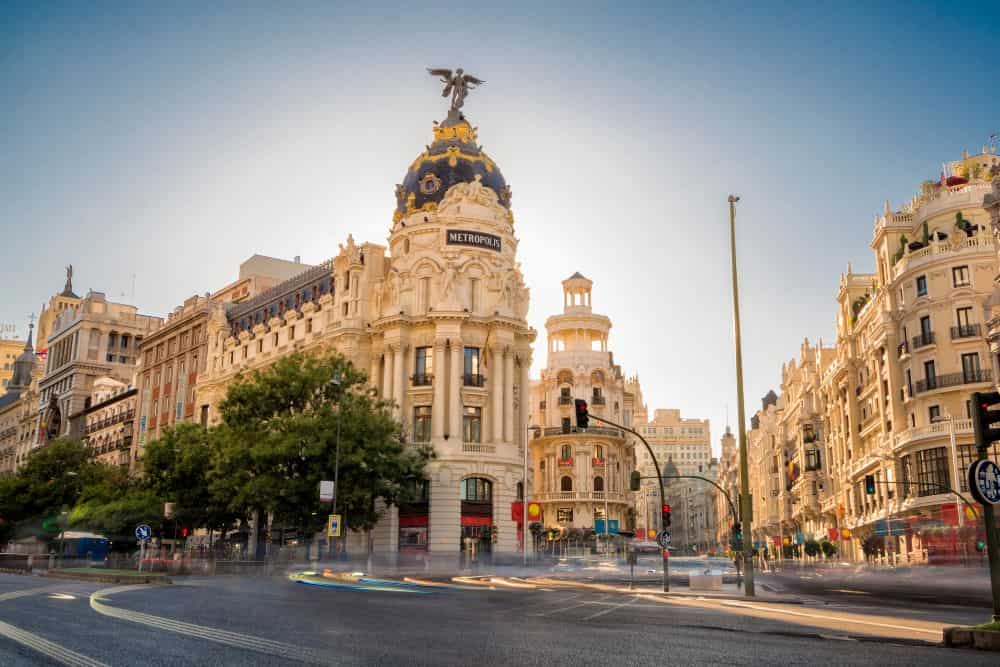
The Prado Museum is overwhelming in the best way. I spent three separate visits just focusing on different sections – Velázquez, Goya, and then everything else. The Reina Sofia’s Picasso collection, especially Guernica, hit me harder than I expected. These aren’t just tourist attractions; they’re genuinely world-class art collections.
What won me over was Madrid’s neighbourhood life. Malasaña has excellent bars and vintage shops without feeling manufactured for tourists. Chueca combines great restaurants with a relaxed atmosphere. La Latina’s Sunday flea market at El Rastro became my weekly ritual during a month-long stay.
Spanish Food Culture Reality
Spanish eating schedules took serious adjustment. Lunch at 2pm, dinner at 10pm, and substantial snacks in between. Initially frustrating, but I learned to love the rhythm once I stopped fighting it.
Tapas culture is nothing like the small-plates trend elsewhere. Real tapas bars serve simple, high-quality ingredients prepared perfectly. Jamón ibérico, manchego cheese, and good bread with olive oil beat elaborate fusion dishes every time.
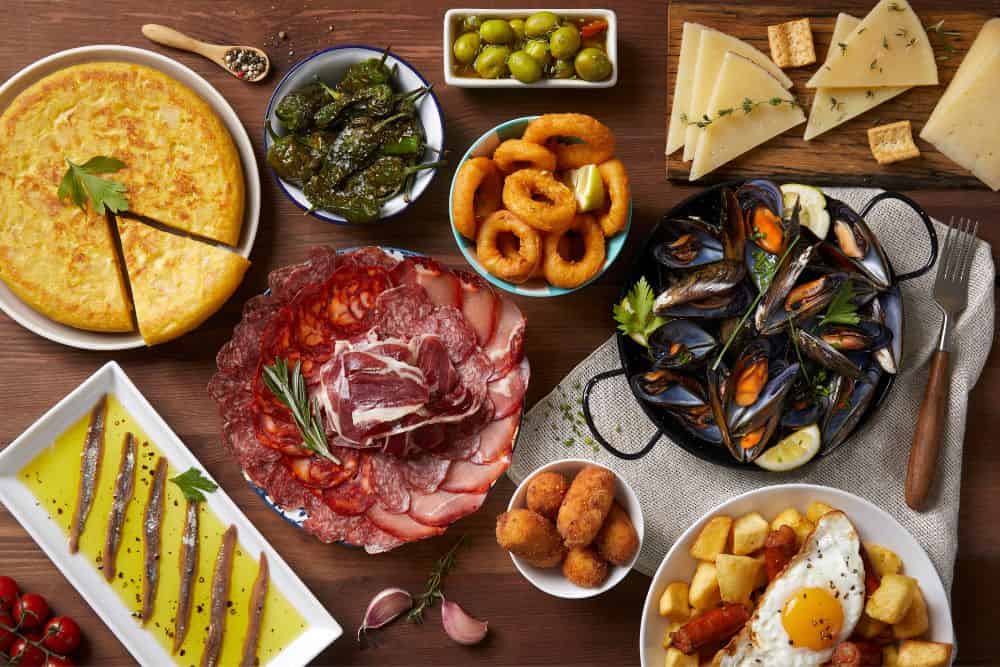
The mercados (food markets) became my favorite discovery. Mercado de San Miguel is touristy but fun, while neighbourhood markets like Mercado de la Paz offer better prices and more authentic experiences. I learned to shop like locals – frequent small purchases of very fresh ingredients.
Barcelona: Beautiful But Complicated
Gaudí and Beyond
Barcelona’s architecture is undeniably spectacular. The Sagrada Familia still takes my breath away despite multiple visits. Park Güell’s mosaics and city views create perfect morning walks before tour groups arrive.
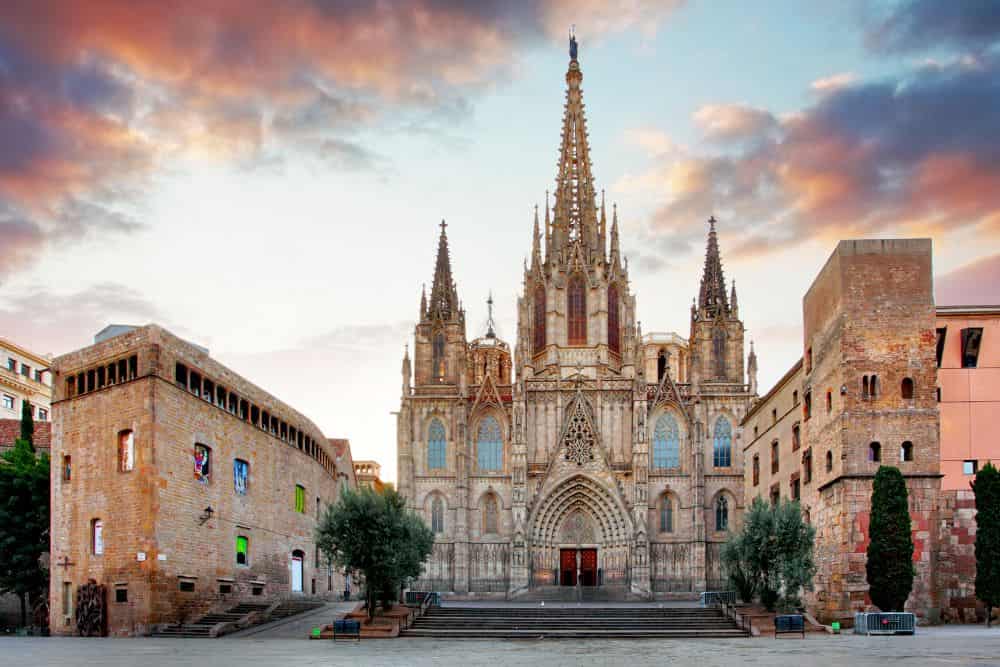
But Barcelona has a tourism problem that affects the experience. La Rambla feels like a theme park, restaurant quality varies wildly, and pickpocketing is genuinely concerning in crowded areas. I learned to avoid the Gothic Quarter during peak hours and explore neighbourhoods like Gràcia instead.
The beach surprised me – not because it’s beautiful (it’s fine) but because it feels authentically used by locals. Early morning joggers, evening volleyball games, and families having weekend picnics. Barceloneta neighbourhood maintains character despite being touristy.
Catalan Culture
The Catalan independence movement is real and affects daily life. Street signs, menus, and conversations often happen in Catalan first. Most people speak Spanish too, but making an effort with basic Catalan phrases earned noticeably warmer responses.
Catalan food differs from stereotypical Spanish cuisine. Less olive oil, more butter and cream. Excellent seafood preparations and unique dishes like pan con tomate that seem simple but require perfect ingredients and technique.
Regional Spain: The Real Discoveries
Andalusia: More Than Stereotypes
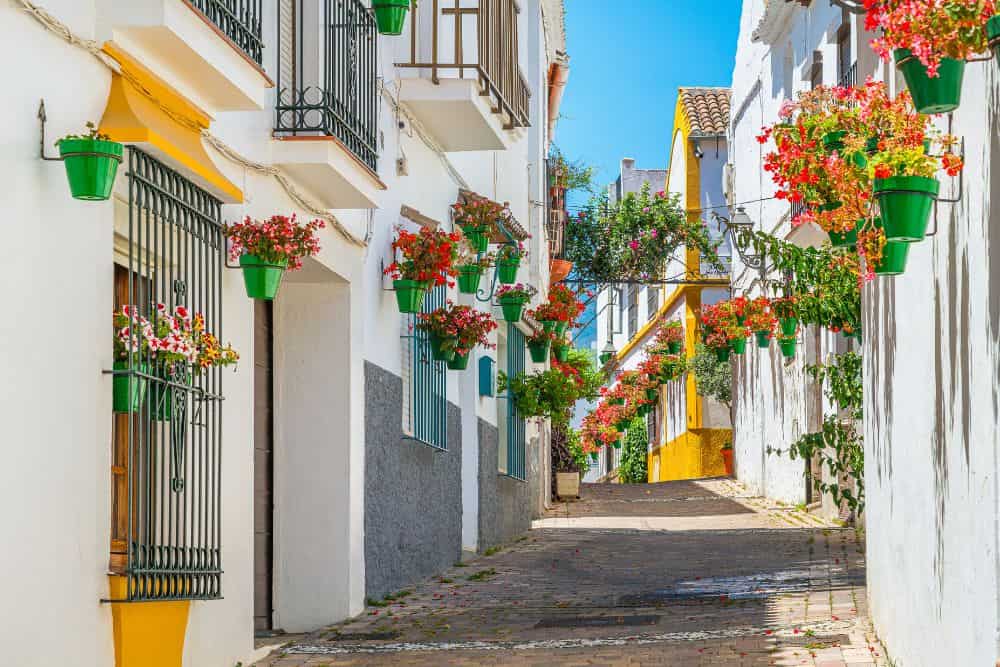
Seville became my favourite Spanish city, combining manageable size with incredible architecture and authentic culture. The cathedral and Alcázar are stunning, but I preferred wandering the Santa Cruz neighbourhood’s narrow streets and discovering hidden plazas.
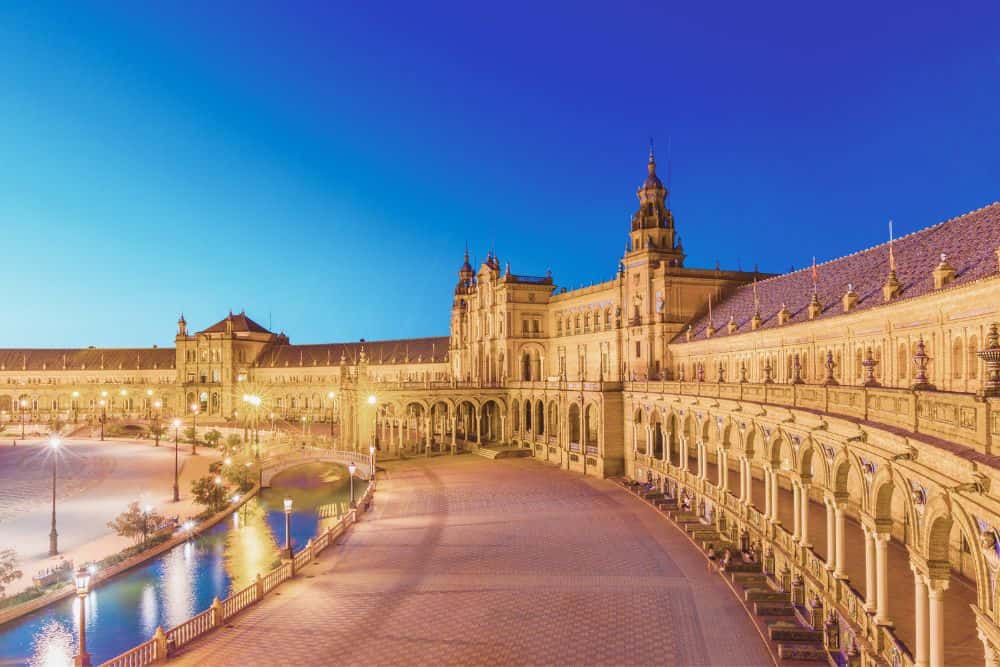
Flamenco in Seville is the real thing, not tourist performance art. Small tablaos like Casa de la Memoria offer intimate shows where you can see genuine emotion and skill. It’s expensive but worth experiencing properly at least once.
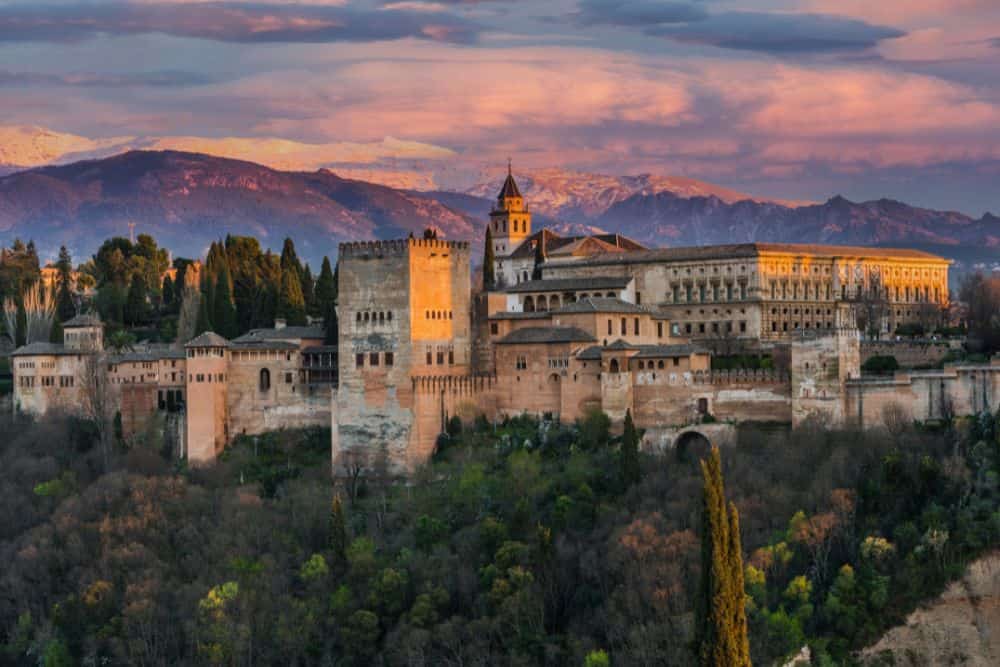
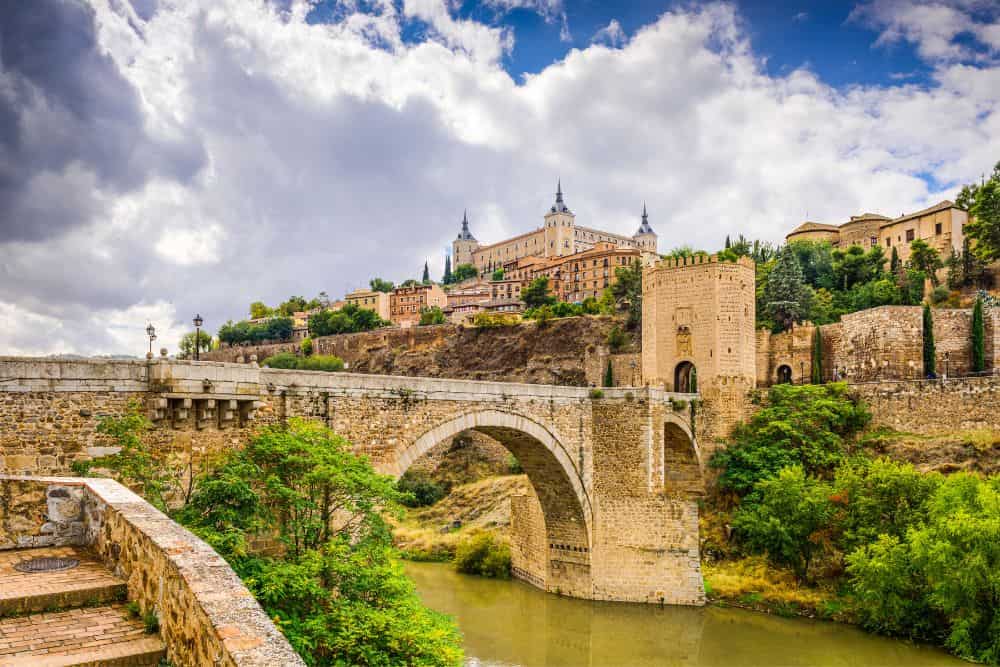
Granada’s Alhambra requires advance booking and crowds patience, but delivers on every expectation. The Moorish architecture and mountain backdrop create one of Europe’s most beautiful settings. Staying in the Albaicín neighbourhood put me within walking distance and offered incredible sunset views.
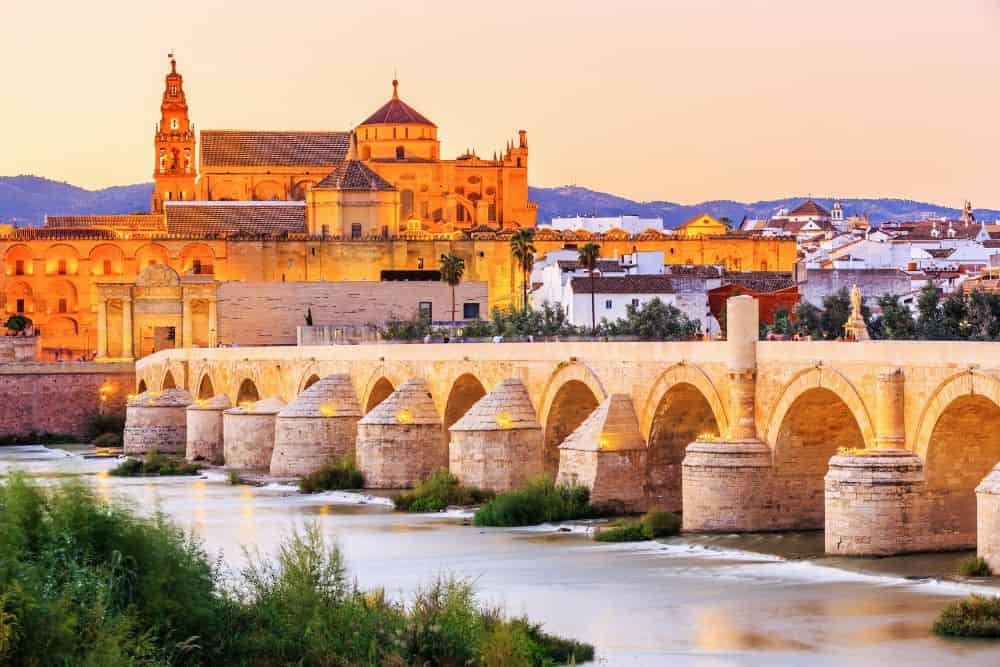
Córdoba’s Mezquita blew me away – a mosque turned cathedral that showcases Spain’s complex religious history. The city feels more manageable than Seville or Granada, with excellent restaurants and fewer tour groups.
Northern Spain: The Hidden Gem
The Basque Country completely changed my perception of Spanish food. San Sebastián has more Michelin stars per capita than anywhere except Paris, but even casual pintxos bars serve incredible food.
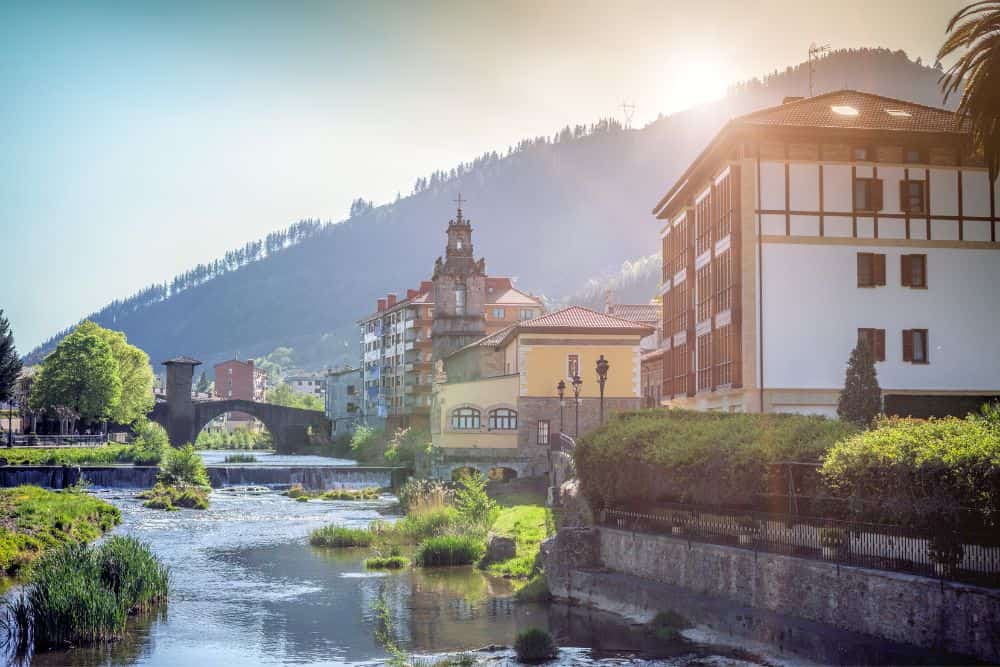
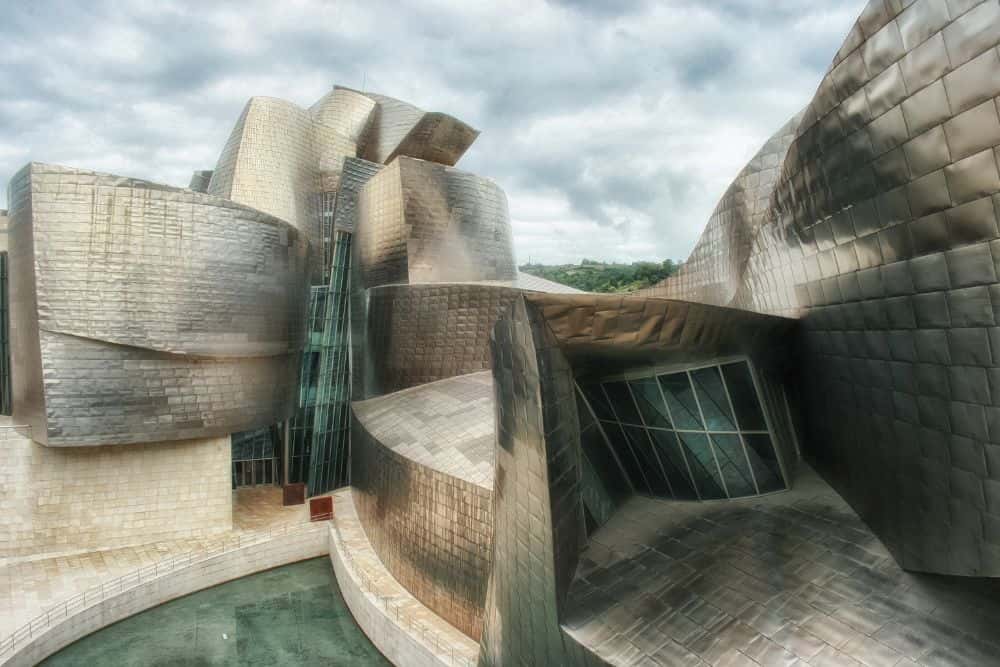
Bilbao’s Guggenheim Museum justified the hype, but I preferred the city’s traditional architecture and riverfront walks. The surrounding hills offer excellent hiking with views over the industrial landscape transformed into something surprisingly beautiful.
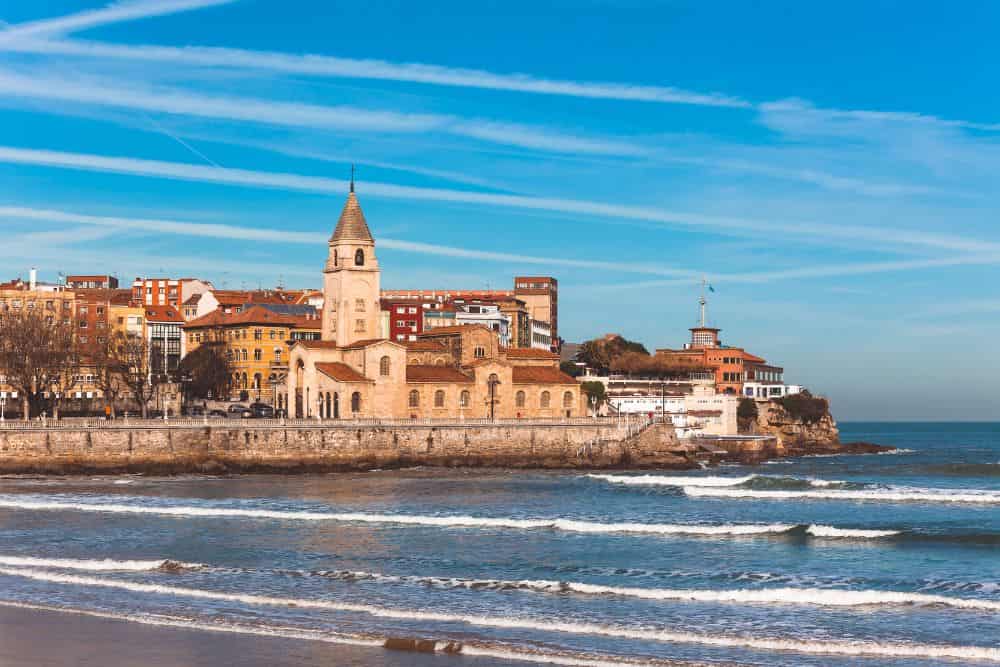
Asturias became my unexpected favourite region. The coastline rivals anything in Europe, with dramatic cliffs, hidden beaches, and traditional fishing villages. The mountains inland offer serious hiking, and sidra (cider) culture provides perfect après-hike refreshment.
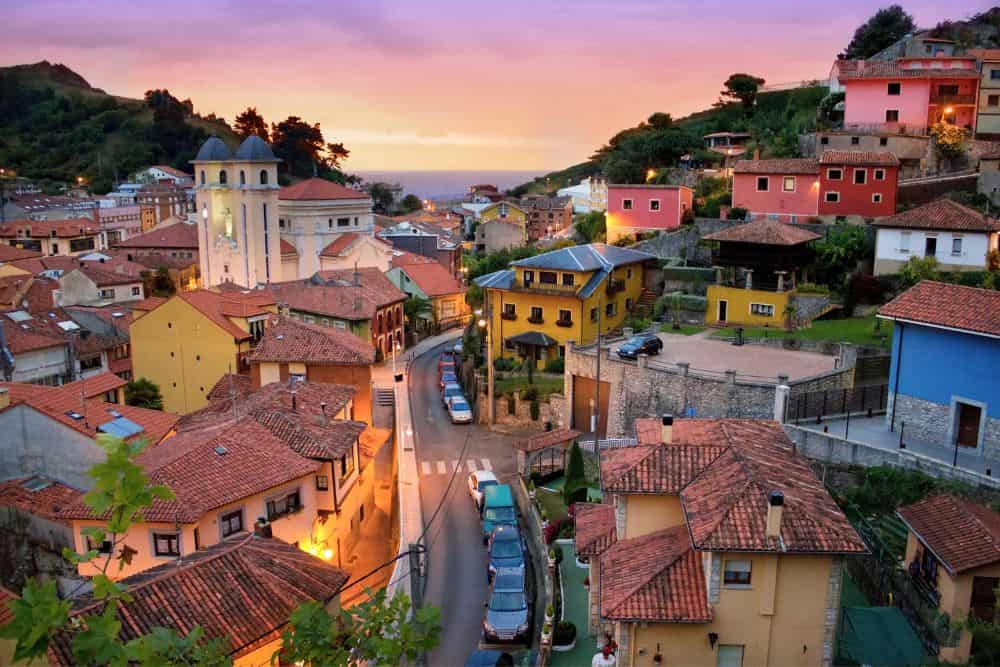
I spent a week based in Llanes, exploring the coast by car and on foot. The beaches are spectacular but cold – this is the Atlantic, not the Mediterranean. Local seafood is exceptional and reasonably priced compared to southern Spain.
Galicia: Spain’s Celtic Corner
Santiago de Compostela attracts pilgrims from around the world, but the city works even for non-religious visitors. The cathedral ceremonies are genuinely moving, and the old town has excellent restaurants serving Galician specialities.
What fascinated me most were the other travellers I met. Many had walked sections of the Camino de Santiago pilgrimage route, while others were doing bike tours in Spain along the same ancient paths. Some had even combined their Spanish journey with Portugal bike tours, creating extended cycling adventures that crossed borders seamlessly.
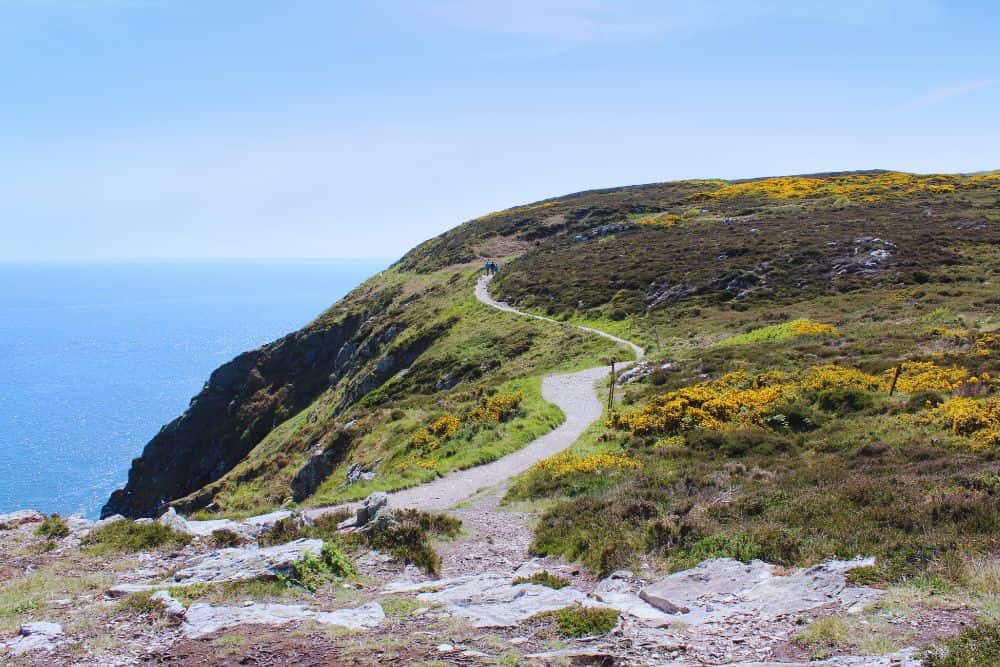
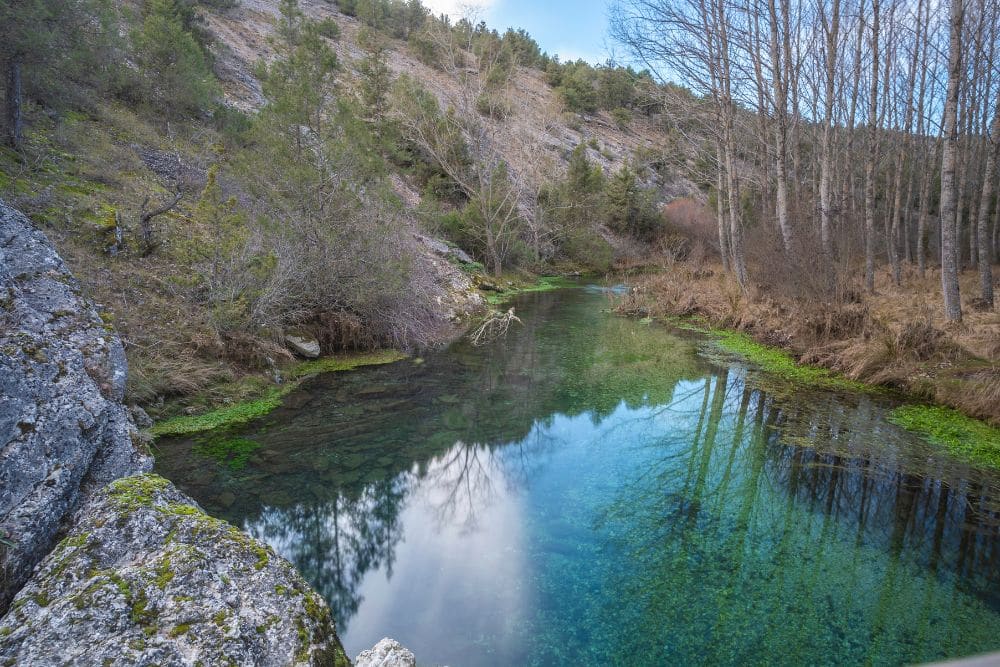
These cycling pilgrims covered much more ground than hikers but still engaged with the spiritual aspect of the journey. The infrastructure supports both – dedicated paths, pilgrim hostels, and local services geared toward slow travel.
The Rías Baixas region produces excellent white wines, especially Albariño. Small family wineries welcome visitors, and the coastal setting makes tastings particularly pleasant. Seafood here rivals anywhere in Europe – octopus, mussels, and fish prepared simply but perfectly.
Practical Spanish Lessons
Regional Differences Matter
Spain isn’t one country culturally – it’s several distinct regions with different languages, foods, and traditions. What works in Madrid might not apply in Barcelona or Seville. Each region has pride in its distinctiveness.
Learning basic Spanish helps everywhere, but regional languages (Catalan, Basque, Galician) earn extra appreciation from locals. Even failed attempts at pronunciation get positive responses.
Food varies dramatically by region. Paella is Valencian, not universally Spanish. Pintxos are Basque, not Andalusian. Understanding regional specialities leads to much better meals.
Seasonal Planning
Summer in southern Spain is genuinely hot – 40°C+ in Seville isn’t unusual. I learned to plan sightseeing for early morning and evening, with afternoon siestas that aren’t just tourist clichés.
Spring and fall offer perfect weather but varying regional differences. Northern Spain stays cool and rainy, southern Spain remains warm and sunny. Plan accordingly based on your destinations.
August means vacation time for Spaniards, so many local restaurants and shops close while tourist areas become more crowded and expensive. September offers great weather with locals returning to normal routines.
Transportation and Logistics
Spain’s high-speed rail network (AVE) is excellent for major routes. Madrid to Seville in 2.5 hours, Madrid to Barcelona in 3 hours. Comfortable, punctual, and competitive with flying when you factor in airport time.
Regional trains are slower but scenic, especially in northern Spain. The narrow-gauge railway along the Cantabrian coast offers spectacular views but requires patience.
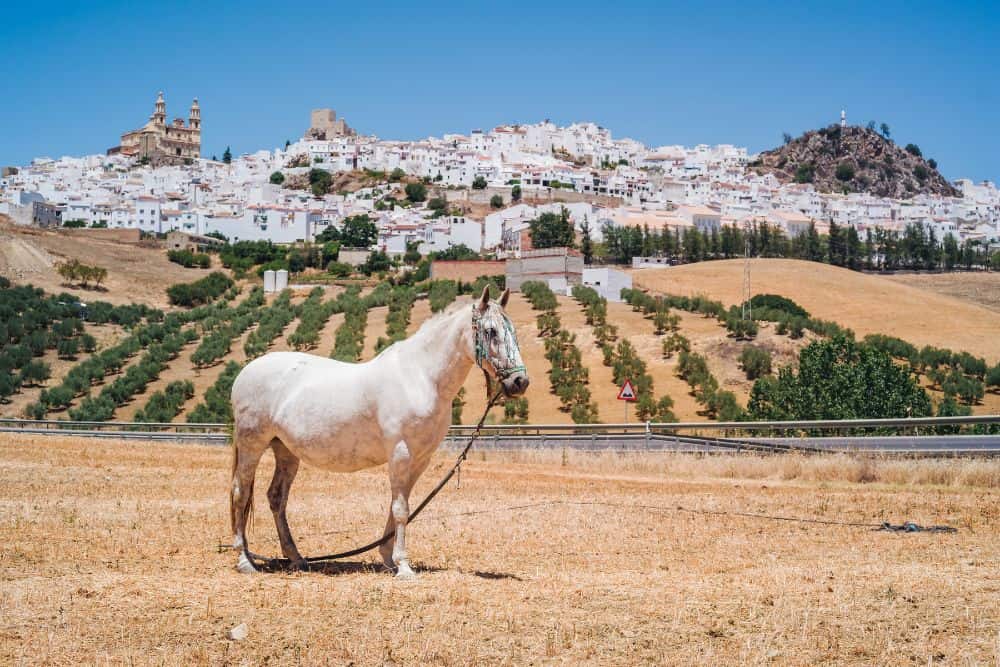
Rental cars open up rural areas and smaller towns that public transport doesn’t reach effectively. Spanish highways are excellent, though tolls add up on longer trips. Parking in city centres is challenging and expensive.
Spanish Culture Beyond Stereotypes
Daily Rhythms
Spanish daily schedules still surprise visitors. Shops close for siesta (roughly 2-5pm), dinner happens late, and social life extends well past midnight. Fighting this rhythm makes travel more difficult.
Sunday family lunches are serious affairs lasting several hours. Restaurants get crowded around 2-3pm with multi-generational groups sharing elaborate meals. It’s lovely to observe even if you’re not participating.
Spanish friendliness isn’t superficial politeness – people genuinely seem to enjoy conversation and helping visitors. Learning to engage in this social culture enhanced every trip significantly.
Modern Spain
Spain has changed dramatically since Franco’s death in 1975. The transformation from dictatorship to modern European democracy happened remarkably quickly and successfully.
Contemporary Spanish culture balances tradition with modernity effectively. Ancient festivals continue alongside cutting-edge architecture, traditional foods coexist with innovative restaurants, and regional pride strengthens rather than weakens national identity.
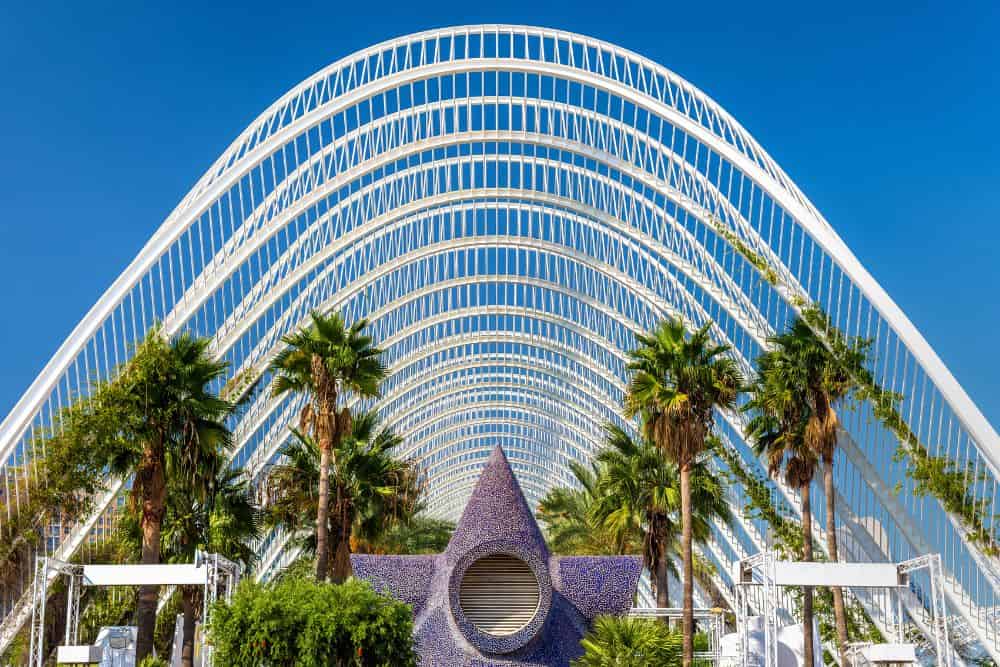
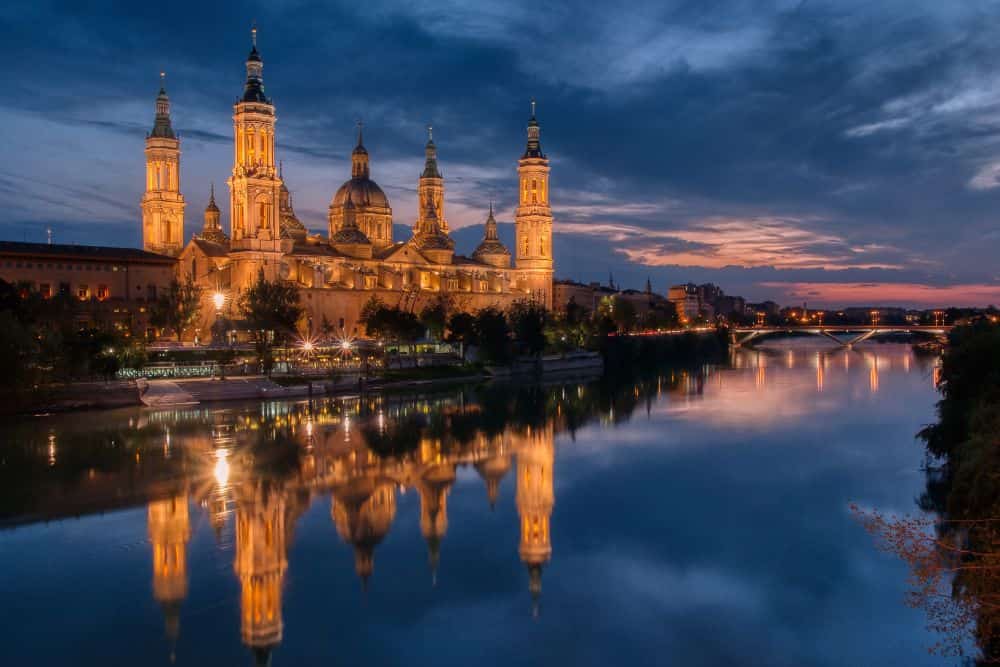
The economic crisis of 2008-2014 left visible marks, especially youth unemployment, but also created opportunities for creative industries and alternative tourism that make Spain more interesting to visit now.
Why Spain Rewards Multiple Visits
Spain’s regional diversity means you can return repeatedly and have completely different experiences. My beach vacation in Valencia, cultural trip through Andalusia, and hiking adventure in Asturias felt like visiting separate countries with shared language and some common traditions.
The food culture alone justifies multiple trips. Understanding regional specialities, seasonal ingredients, and local eating customs takes time but transforms how you experience Spanish travel.
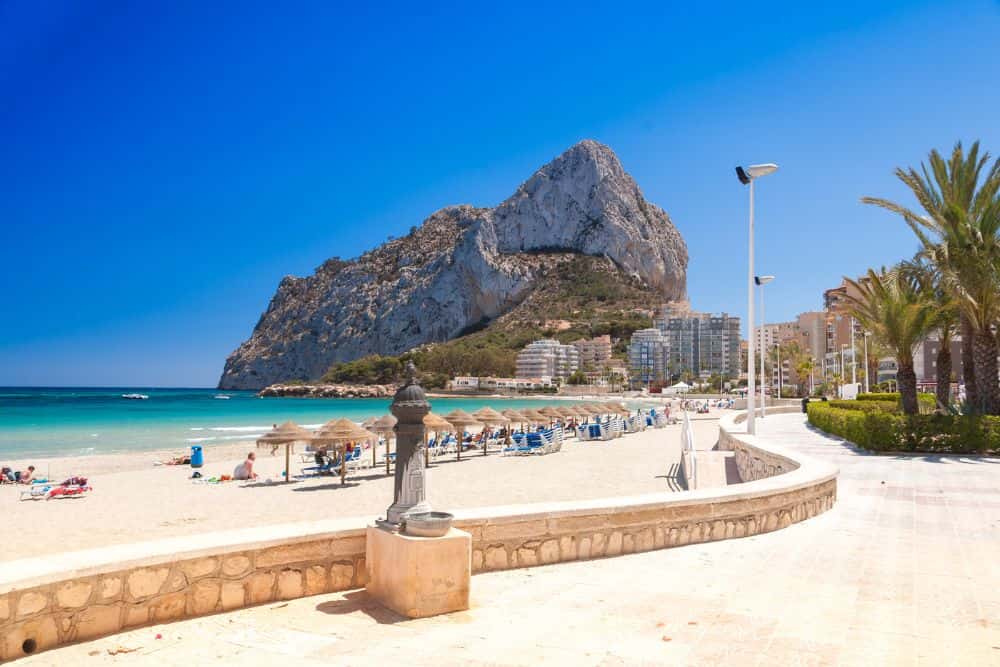
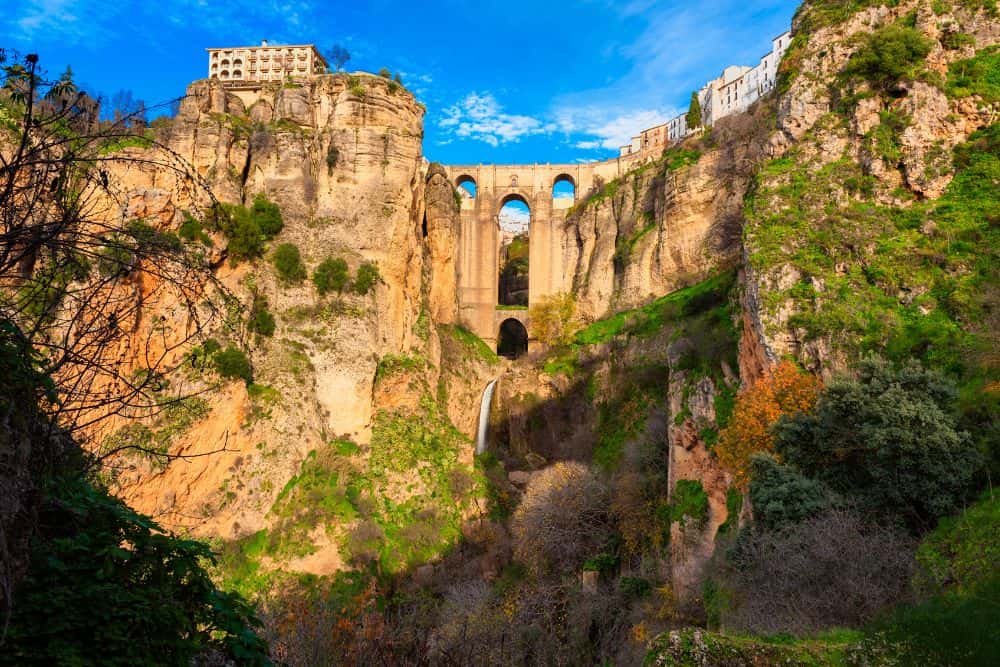
What keeps drawing me back is how Spain balances accessibility with authenticity. Tourist infrastructure works well, but you can still find traditional villages, family restaurants, and cultural experiences that feel genuine rather than manufactured for visitors.
Spain exceeded my expectations by being more complex, diverse, and interesting than its international reputation suggests. It’s a country that rewards curiosity, patience, and appetite for both historical depth and contemporary creativity. And it’s a destination that works for all of us.
Have you visited Spain? Which regions did you like best? What are your favourite traveller tips?
* This is a collaborative post – please see my Disclaimer.

Leave a Reply