AD | A good European rail trip doesn’t have to follow a straight line between the continent’s most obvious capitals. Sometimes, the appeal lies in combining places with different rhythms, cuisines, and landscapes, allowing the journey itself to become part of the holiday. Imagine beginning the morning with a cardamom bun in Copenhagen, watching Scandinavian countryside slip past the carriage window, then planning a second chapter among French market squares, vineyard-covered hills, and long lunches that stretch into the afternoon.
A two-country rail trip to Denmark and France might seem an unusual pairing for one itinerary, particularly when Sweden and Germany sit between them geographically. Yet that contrast is precisely what makes the idea appealing. With sensible connections and a little flexibility, a trip can bring together Nordic design, waterfront cities, traditional bakeries, and the wine-growing landscapes of southwestern France, without turning the entire holiday into a logistical exercise.
Start Slowly in Copenhagen
Copenhagen rewards travellers who resist the temptation to rush straight between its famous sights. Begin around the city centre, where bakeries open early and the smell of freshly baked pastries drifts onto the pavements. A traditional Danish pastry, or wienerbrød, pairs well with strong coffee, while a cardamom bun offers a less sugary alternative for breakfast before a day of exploring.
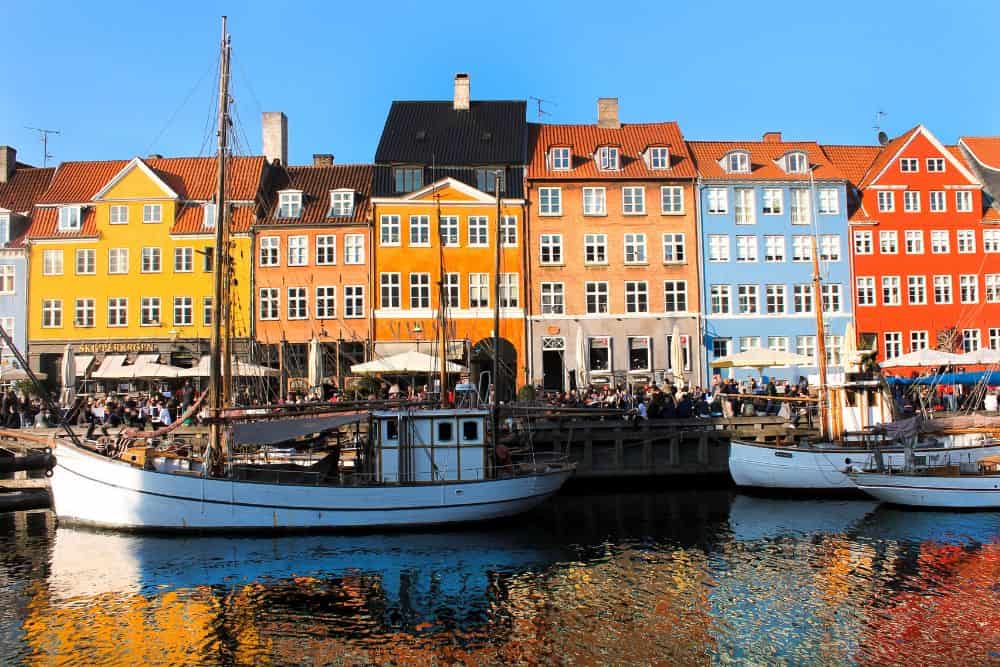
The city is particularly enjoyable by bicycle, although its compact streets also make walking practical. Wander along the harbour, admire the colourful buildings of Nyhavn, and continue towards Christianshavn, where canals and houseboats create a more residential atmosphere. Torvehallerne food market is worth a stop for Danish specialities and ingredients that reflect the country’s wider food culture.
Leave some time for neighbourhoods beyond the postcard views too. Nørrebro has independent shops, international restaurants, and cafés frequented by locals, while Vesterbro combines creative spaces with a lively dining scene. These areas show a more contemporary side of Copenhagen and provide a good introduction to the balance between design, everyday practicality, and food that characterises Danish city life.
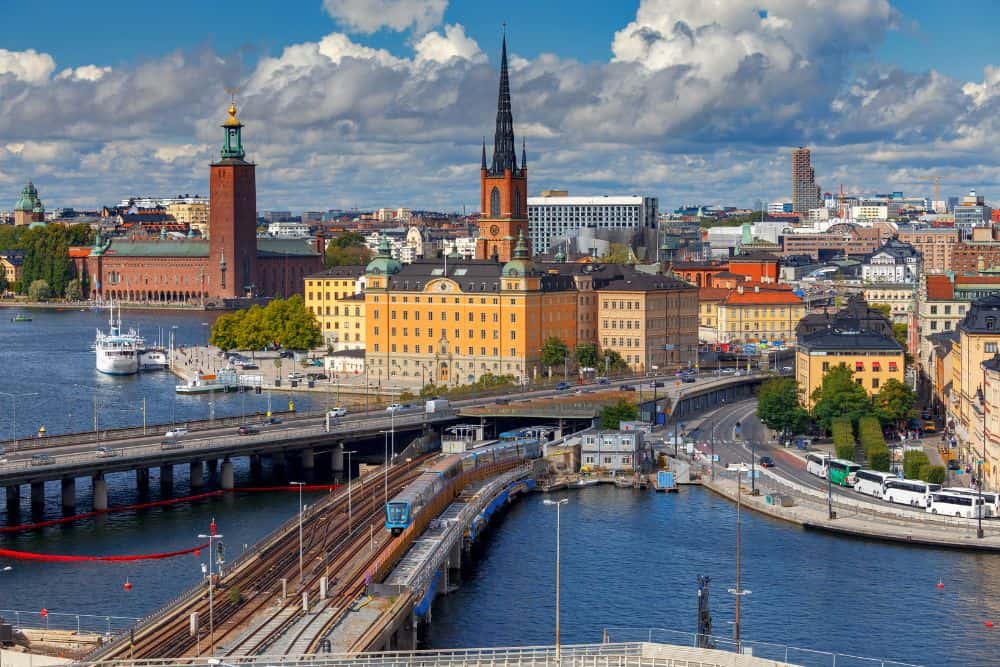
Rather than treating the move north or south as a simple transfer, consider giving Stockholm a place in the itinerary. The Swedish capital spreads across islands, with ferries, waterfront promenades, and historic streets providing a different atmosphere from Copenhagen.
Gamla Stan, the old town, is worth exploring early in the day, while Södermalm offers independent boutiques, cafés and views across the water. Travellers comparing Copenhagen to Stockholm trains can use the rail connection to link the two Scandinavian capitals without dealing with airport transfers. The journey takes several hours, so it’s worth checking departure times and choosing a service that leaves enough room for a relaxed morning or an evening arrival.
Booking ahead can also give you more choice of seats and fares, especially during weekends and school holidays. A night or two in Stockholm makes the itinerary feel less like a race across Europe. Visit a museum, take a ferry through the harbour, or simply spend an afternoon moving between cafés and small shops. The city’s maritime setting provides a fitting contrast to Copenhagen’s flatter streets, while both destinations share a strong interest in food, design and public spaces.
Paris Is the Gateway, Not the Whole Story
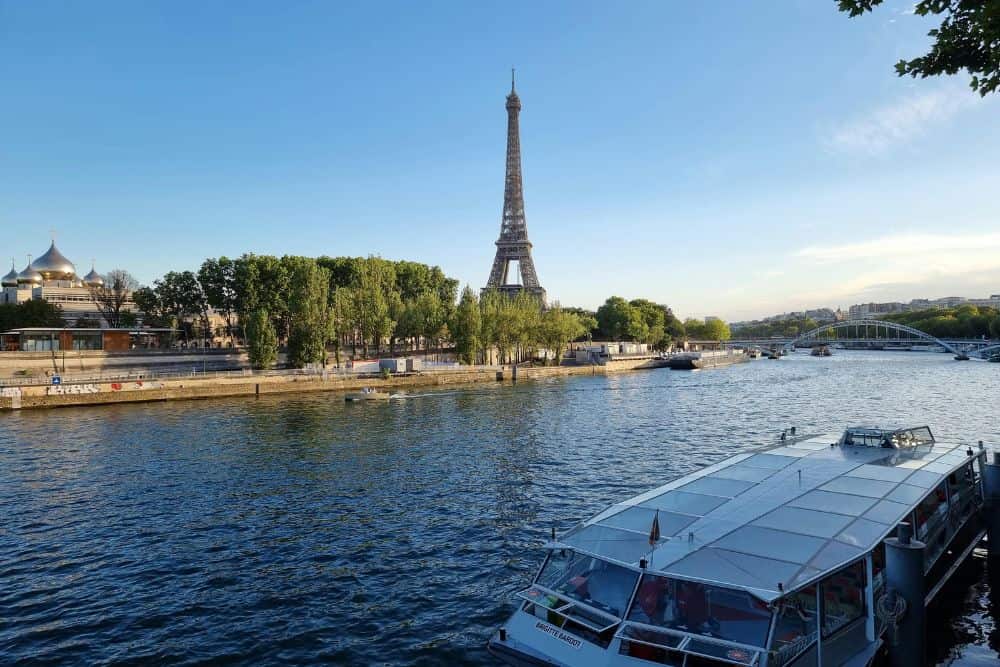
Paris deserves more than a hurried change of trains, even if the main goal is to reach the vineyards of southwestern France. A short stay allows time for a neighbourhood walk, a visit to a food market, or dinner at a small bistro away from the busiest tourist streets. Rather than trying to fit in every major monument, choose one or two activities and leave space for the city’s everyday pleasures.
The French capital is also a useful place to regroup after the longer journey from Scandinavia. It’s a chance to pick up supplies for the next leg, check your reservation details, and enjoy a proper meal before heading south. If the schedule allows, an overnight stay is preferable to making a complicated cross-country connection while tired.
Checking the Paris to Bordeaux train timetable in advance makes planning this part of the trip considerably easier. High-speed services connect the two cities, with journey times generally around two hours, depending on the departure. Reserving a seat ahead of busy travel periods is sensible, particularly if you want to arrive with enough daylight left to explore.
Follow the Rails Towards Bordeaux
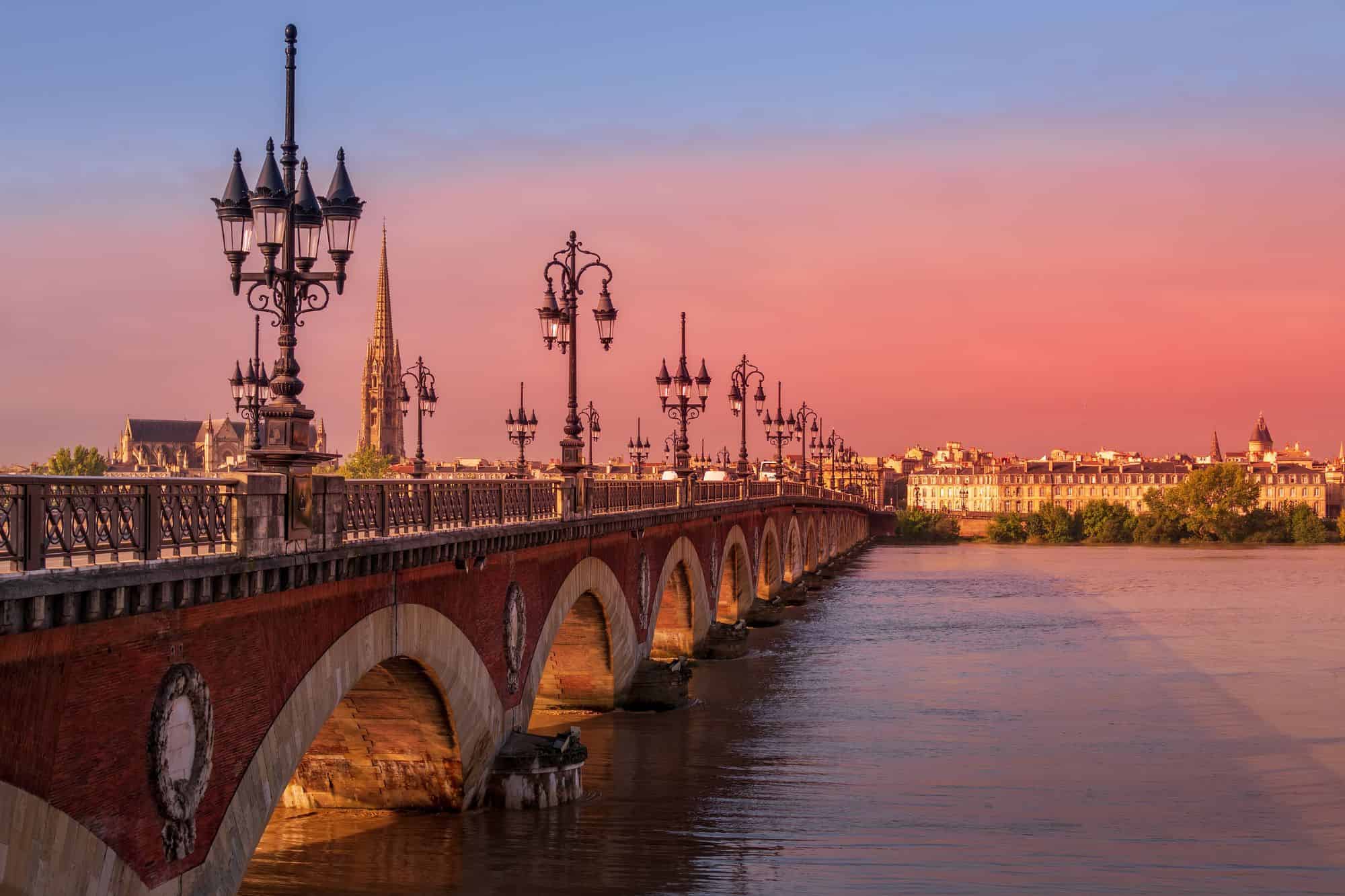
Bordeaux provides a natural change of pace after the northern capitals. Its elegant stone buildings, broad squares, and riverside paths create an inviting setting for walking, while cafés and wine bars introduce visitors to the region’s celebrated food and drink. The historic centre is compact enough to explore on foot, and the riverside offers room to slow down after several days of city travel.
Bordeaux itself is only the beginning. Take a regional train or join a guided excursion into the surrounding wine country to see vineyards, small towns, and estates that welcome visitors by appointment. Saint-Émilion is especially appealing for its medieval streets and surrounding vines, while the wider region offers opportunities to learn how climate, soil, and grape varieties influence local wines. If wine tasting is part of your plan, it’s best to arrange transport in advance rather than relying on driving between estates.

A Two-Country Rail Trip – Crossing Europe Without Losing the Plot
The journey from Scandinavia to France requires more planning than a straightforward trip between neighbouring countries. Depending on the route and timetable, travellers may pass through Germany and connect onwards towards Paris. Services and connection patterns can change, so check current schedules before booking and avoid choosing tight transfers simply to save an hour. It’s worth deciding whether you want to complete the long journey in one day or break it up with an overnight stop.
Hamburg can make a useful pause, with its harbour, warehouse district, and lively food scene offering plenty to explore between trains. Alternatively, a night in another well-connected city can make the transition from Scandinavia to France feel like part of your holiday rather than a tiring travel day.
Keep the practical details in mind. Check the station names on every ticket, allow enough time between services, and confirm whether seat reservations are required. If you’re travelling with luggage, a slightly longer connection can be more comfortable than rushing through a large station with only minutes to spare.
Two Countries, Several Ways to Travel
The appeal of this itinerary lies in its variety. Copenhagen introduces the pleasures of Nordic food and design, Stockholm adds islands and maritime history, and Bordeaux brings a distinctly French approach to dining and wine. The train journeys connect these experiences while allowing travellers to watch the landscape change along the way.
It’s best to allow enough nights in each destination to explore beyond the main attractions, and keep the rail schedule realistic. A two-country rail trip built around bakeries, canals, neighbourhood cafés, and vineyard visits should never feel like a checklist. With thoughtful planning, the distance between Denmark and France becomes part of your holiday story, linking two different European cultures through the simple pleasure of travelling by train.
* This is a collaborative post – please see my Disclaimer.


Leave a Reply