
AD | When you think of the Titanic fashion era, one image that probably springs to mind is the iconic Heart of the Ocean necklace from the movie, Titanic. Some of the major stars of the film were without doubt the costumes, which even won the designer an Oscar for her work. And they formed a fabulous backdrop to the love story between first class passenger, Rose, and lower class passenger, Jack. Who doesn’t remember the scene when Rose is taking off her uncomfortable shoes so she can dance? 😊
The Titanic Fashion Era: 1910 – 1912
With such a noticeable fashion history, it seems rather surprising that the Titanic fashion era only existed for two years, between 1910 – 1912. Titanic fashions focused on beauty and femininity and were influenced by the previous Edwardian fashion era, also called the Belle Époque era. However, there were some differences.
The Edwardian era was a decade of flowing trained skirts, ruffles, lace, and hourglass shape corseted silhouettes. During 1910, corsets were still highly popular but the designs had simplified and become columnar, which gave the body a long, more natural upright position, rather than showing off the hourglass figure. Evening dresses were commonly made from fine silks, satin, brocade, lace chiffon and embroidered silks. And they had short sleeves and open necklines, with a structured bodice lining which was closely fitted to the figure and boned.

So, what kind of clothes did they wear on the Titanic?
First Class Passengers on the Titanic
Starting with the wealthiest on board, the Titanic was not just seen as a way to travel. It was also a long and elegant party, consisting of many different events, which all needed multiple outfits. A simple dress was worn for breakfast, tea gown for teatime, and a fancy formal gown for the evening parties.
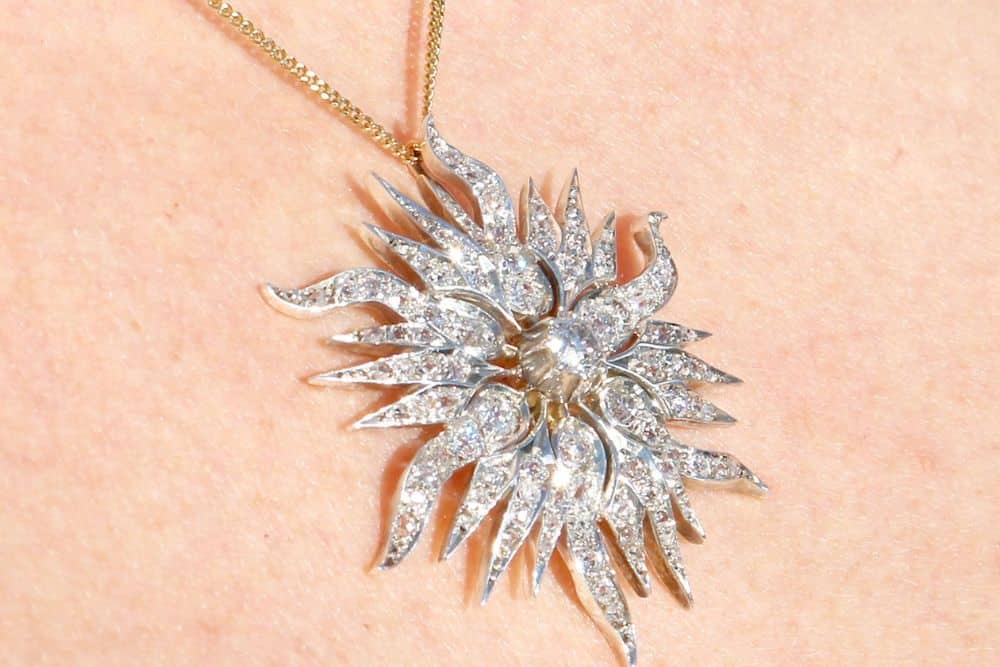
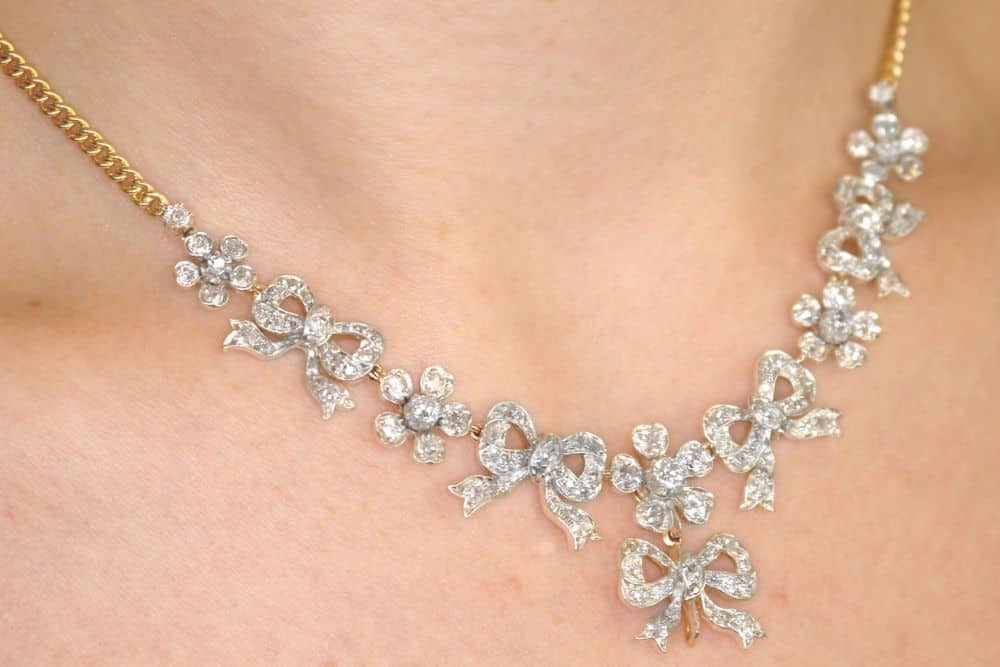
Fashion gave women the opportunity to show off their, taste, elegance, and wealth. They wore tight laced corsets and expensive tailored gowns, which included puffed shoulders, full length narrow sleeves, ruffled skirts, and petticoats. They would also combine expensive accessories, such as gloves, hats, scarfs, shawls, parasols, shoes, and handbags, often complementing their outfits with furs, pearls, and diamonds.
Men would wear tuxedo styled suits with bow ties, top hats, and polished shoes. For formal dinners, the men’s attire was tailcoats and a white pique waist coat.
From the insurance claims brought by surviving passengers, we have a unique insight to the types of items that were brought on board from designer dresses to lingerie, corsets to diamond jewellery. One passenger’s diamond necklace was valued at $20,000.
Servants on the Titanic
Travelling with the wealthy were their servants, including lady’s maids, nursery nurses, governesses, and valets. Although they also travelled first class to be near their employers, their attire was quite different. Most wore their ordinary clothes, as these weren’t washed as often as those of their employer.
Female servants wore ankle length, bell shaped, high neck dresses in a dark fabric as this made the dirt show up less. Many servants also wore a blouse and skirt combination as this was also the fashion at the time. The blouse was usually white, with embroidery, long sleeves, and a high neck, paired with a floor length black skirt, and an apron tied around the waist. They didn’t accessorise as much as their employers but they would add discreet jewellery, such as a wedding ring or a small brooch at the neck. Black or brown sturdy kitten heeled boots would have also been worn.
Male servants wore britches and shirts, with sturdy shoes. Again, most outfits were of a darker colour which reduced the need for washing.
Lower Class Passengers on the Titanic
Working and middles class families favoured cotton dresses trimmed in satin or a contrasting cotton material, as cotton was a much less expensive fabric to buy. Women wore high collared blouses, long skirts and the same boots worn every day until they were worn out. Men wore dark colours for both shirts and britches as white blouses and shirts were expensive to wash and keep clean. So their suitcases or trunks were smaller as one work outfit and one Sunday best outfit were enough.
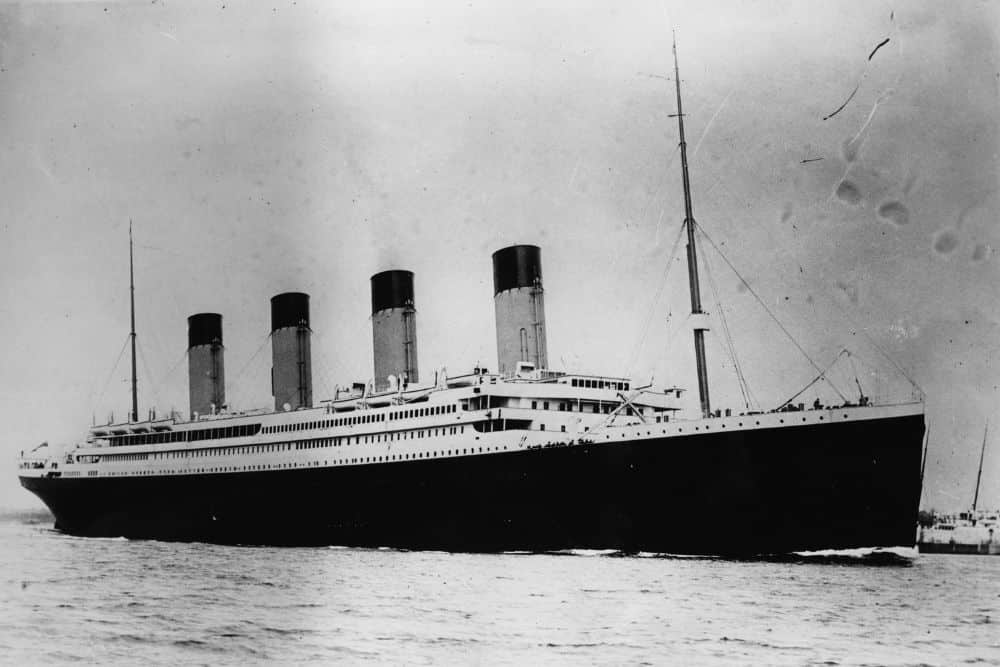
As the film showed so well, there were visible differences between the classes during the Titanic fashion era. The first-class passengers were very fashion conscious and would always wear their best to show off their social status and wealth. Whereas the servants and lower-class passengers wore what was practical for them, as well as what they could afford, as there was no need for multiple outfit changes or a fancy gown for every occasion.
What did you think of the costumes in the film, Titanic? Did you have a favourite outfit? Why do you think the Titanic fashion era only lasted two years?
* This is a collaborative post – please see my Disclaimer.


Leave a Reply