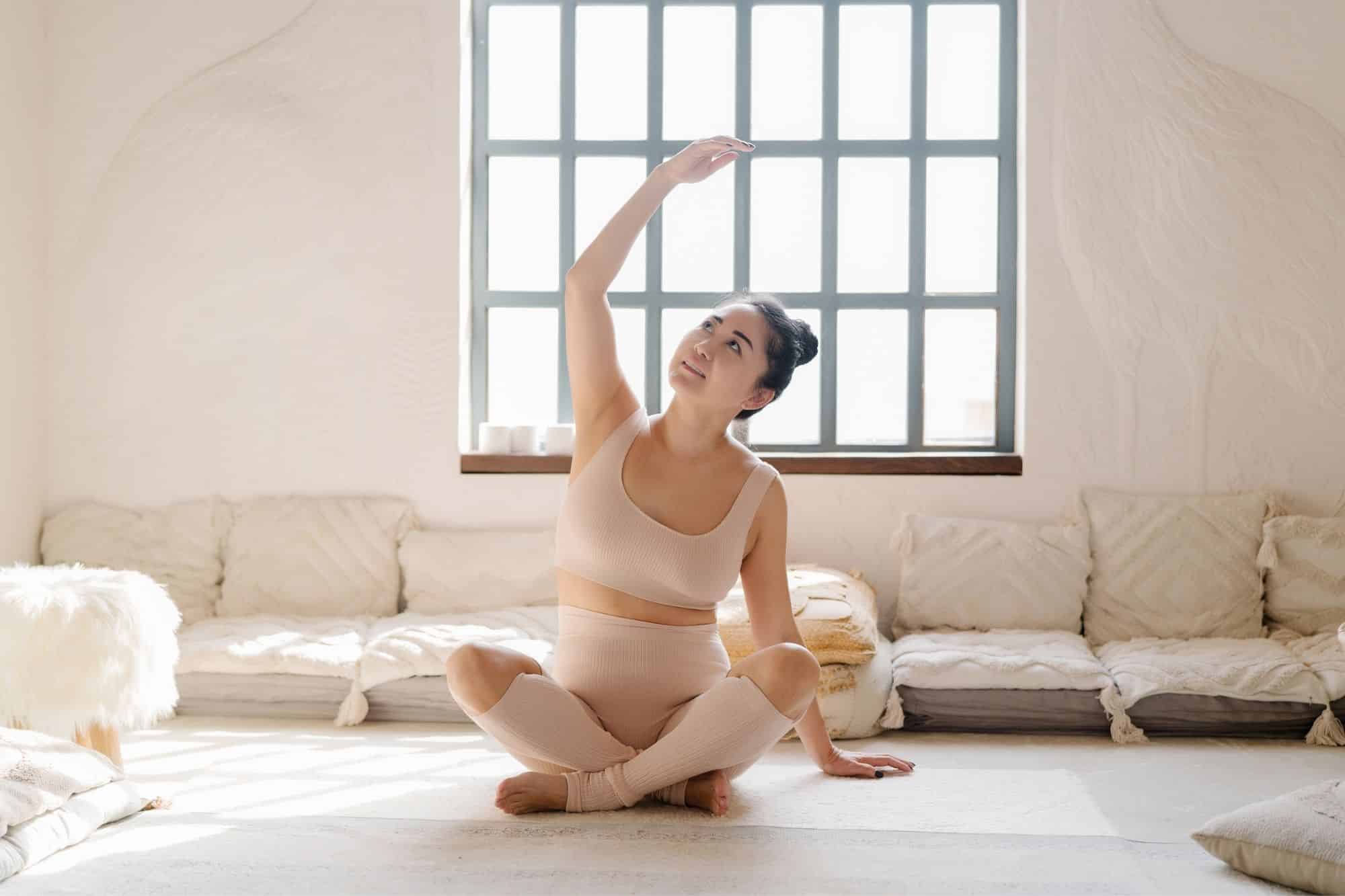
AD | Many people go through stretches of persistent worry, restlessness, or physical tension that don’t quite rise to the level of a diagnosable anxiety disorder but still chip away at daily comfort. Picture someone who lies awake replaying the day’s stresses, manages to function well at work, yet feels increasingly worn down as the days go by.
For this kind of mild anxiety, many people would rather start with lifestyle and behavioral changes than jump straight to medication – often out of concern about side effects, or simply a desire to build sustainable coping skills first. These strategies are not a substitute for professional diagnosis or emergency care, and anyone whose symptoms are escalating or becoming disabling should seek qualified support.
Understanding Mild Anxiety and When to Seek Help
Mild anxiety tends to show up emotionally as persistent worry, irritability, or trouble concentrating, and physically as muscle tension, a racing heart, stomach discomfort, or disrupted sleep. Even when it falls short of meeting criteria for an anxiety disorder, this cluster of symptoms can meaningfully erode quality of life.
Self-directed strategies are generally a reasonable place to start when symptoms come and go and aren’t significantly impairing work, relationships, or self-care. That said, certain signs call for professional evaluation rather than a self-help approach:
- Symptoms persisting for weeks or months without improvement
- Panic attacks, severe insomnia, or avoidance of everyday situations
- Any thoughts of self-harm or a sense of being unable to cope
Clinical guidelines consistently point to cognitive-behavioral therapy (CBT) and other structured treatments as first-line options once anxiety becomes moderate to severe. Self-help tools can complement professional care in those situations, but they should never stand in for it.
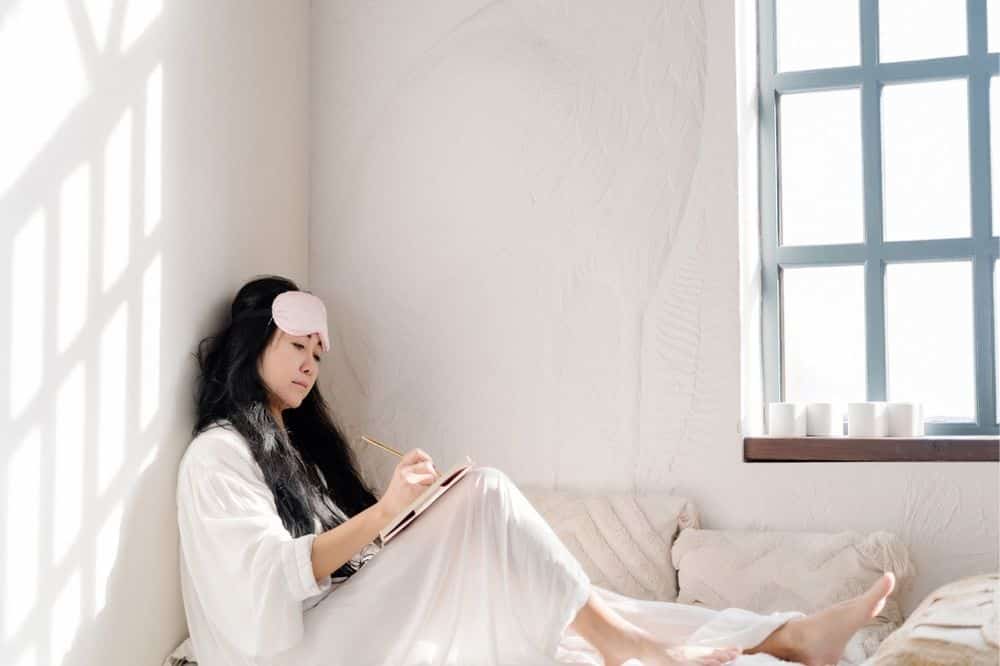
Lifestyle Foundations for Calming the Nervous System
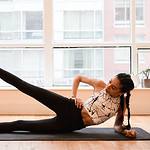
Regular physical activity – brisk walking or other moderate aerobic exercise, for instance – has been shown to ease anxiety symptoms by helping regulate stress hormones and improving sleep and mood. Exercise seems to calm an overactive sympathetic nervous system response while supporting the release of mood-related neurotransmitters like endorphins. Starting small, with short daily walks or beginner-friendly low-impact activity, tends to make the habit far more sustainable than an all-or-nothing approach.
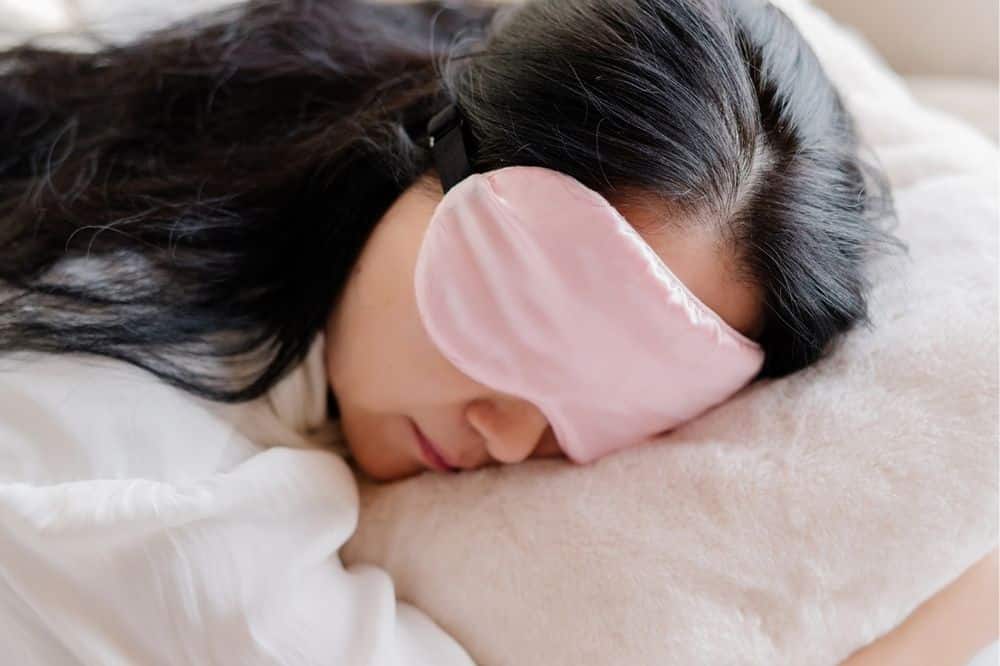
Sleep plays an outsized role as well. Poor sleep heightens physiological arousal and impairs emotional regulation, often creating a cycle where anxiety disrupts sleep and sleep loss, in turn, worsens anxiety. Practical steps here are fairly simple: keep consistent sleep and wake times, and limit screens and stimulants in the evening.
Key takeaway: Protecting sleep is one of the most powerful non-medication tools for managing mild anxiety.
Diet matters too. Highly processed foods and blood sugar swings may contribute to feelings of jitteriness, while caffeine and alcohol can make anxiety worse in people who are sensitive to them. Some research links low magnesium levels to anxiety symptoms, and omega-3 fatty acids have shown modest benefit in several analyses. Still, the evidence here is promising rather than definitive, and anyone considering supplementation should confirm safety and appropriate dosing with a healthcare provider – particularly if other medications are already in the mix.
Mind-Body Techniques: Training the Stress Response
Breathing and relaxation practices – diaphragmatic breathing, progressive muscle relaxation, body scanning – can reduce the physiological arousal linked to anxiety. A simple starting point is a five-minute breathing exercise: inhale slowly through the nose, then exhale even more slowly, letting the body’s stress response settle on its own. Someone struggling with nighttime tension, for example, might pair this with gentle muscle relaxation before bed to ease into rest.
Mindfulness-based approaches, which involve observing thoughts without judgement and gently returning attention to the present moment, are another well-studied option. Basic cognitive strategies – recognizing catastrophic thinking patterns and testing them against evidence – are drawn from CBT principles. Self-help versions of these techniques can be genuinely useful, but they work best as a complement to structured therapy rather than a replacement for it when therapy is actually needed.
Try this: A quick five-senses check-in (naming something you can see, hear, feel, smell, and taste) or a two-minute body scan offers an accessible entry point into mindfulness practice.
Evidence-Informed Perspective on Herbal and Nutritional Supplements
Some people also look toward herbal and nutritional supplements as part of a broader approach to easing mild anxiety, though the evidence varies considerably from one substance to the next – and supplements should never substitute for proven treatments when anxiety is moderate or severe.
Among lavender-based options, some individuals explore products such as Terry Naturally Anxiocalm as one example of this category marketed for promoting calm; even so, decisions about any specific product are best made in consultation with a qualified healthcare professional, since evidence for individual brands is limited and responses vary from person to person.
Zooming out to the broader research, oral lavender extracts have shown potential benefit for anxiety symptoms across multiple trials, in some cases performing comparably to standard approaches for mild cases. Kava has demonstrated anxiolytic effects in studies as well, though safety concerns – including possible liver toxicity – limit its use.
Chamomile, lemon balm, and passionflower have smaller studies pointing to possible benefit, though the findings remain mixed. On the whole, evidence across botanicals tends to be uneven, often resting on short-term or small trials, and many products marketed for anxiety lack robust supporting data.
Quality and safety are worth considering too: over-the-counter supplements can vary widely in dosing and purity, and herbal products may interact with prescription medications. No supplement can replace evidence-based therapy or emergency care when anxiety is severe or disabling. Useful questions to bring to a clinician include whether a given supplement suits your health profile, what dose and duration the evidence actually supports, and how effects and side effects will be monitored going forward.
Building a Personal Anxiety Management Plan
Effective anxiety management usually blends multiple approaches at once: lifestyle foundations like sleep and movement, mind-body practices like breathing and mindfulness, and professional support when it’s warranted. Supplements, if used at all, function best as adjuncts rather than primary treatments.
A manageable starting point might be choosing one lifestyle habit – say, a consistent wind-down routine – and pairing it with one mind-body practice, such as a daily five-minute breathing exercise. Keeping a simple log of anxiety levels, sleep quality, and strategies tried can help clarify what’s actually making a difference.
Key takeaway: Small, consistent changes in routine often matter more than juggling many strategies at once.
Putting the Pieces Together for Ongoing Calm
Non-medication approaches can play a meaningful role in managing mild anxiety, especially when they’re grounded in steady lifestyle habits, supported by mind-body practices, and paired with realistic expectations about supplements and other tools. If anxiety significantly interferes with daily life, professional help is essential – particularly where symptoms are severe, self-harm thoughts arise, or functional impairment becomes noticeable.
Over time, many people build a personalized toolkit that combines lifestyle changes, psychological techniques, and, when appropriate, medical support. Consider picking one evidence-based strategy to try this week, and talk through any additional options – including supplements – with a healthcare professional to shape a plan that fits your needs safely and sustainably.
* This is a collaborative post – please see my Disclaimer.

Leave a Reply