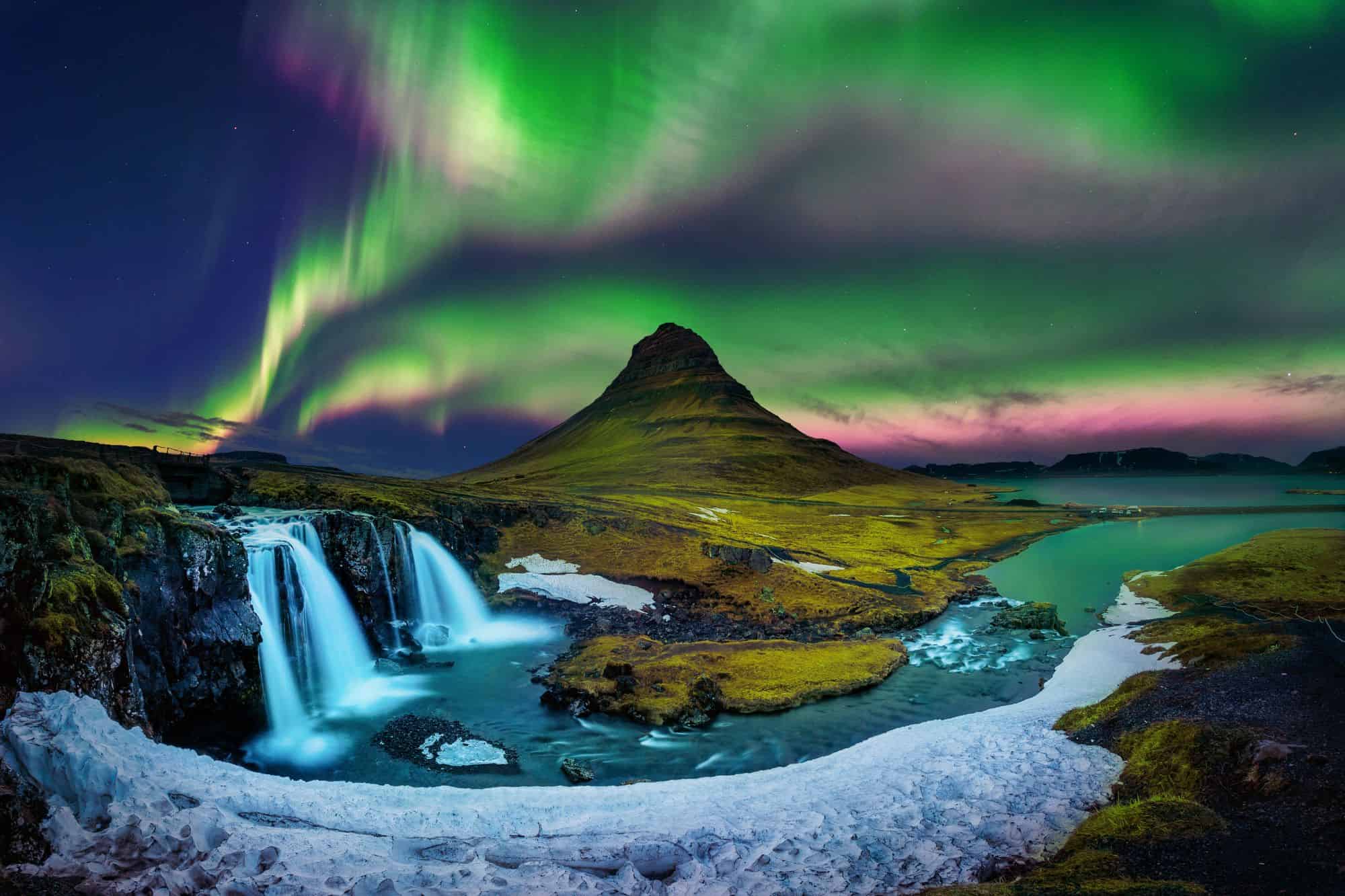
AD | Iceland is a place that makes you want to take the long way round. One moment, you’re driving past moss-covered lava fields; the next, a waterfall appears beside the road, or a stretch of black sand opens up beneath a sky full of shifting clouds. The scenery changes constantly, and there’s something wonderfully unpredictable about travelling through a country where nature often takes centre stage.
An Iceland road trip gives you the freedom to experience this remarkable landscape at your own pace. You can linger beside a waterfall, take a detour towards a quiet fishing village, or spend an extra hour watching the light change across a mountain. With a little planning, Iceland can be an incredibly rewarding destination for independent travellers. The trick is to choose the right time to visit, build a realistic itinerary, and leave enough room for the discoveries that make a journey memorable.
Why Iceland is perfect for a self-drive adventure
Few destinations offer quite the same variety of scenery within a single trip. Iceland’s landscapes include glaciers, volcanic fields, geothermal areas, dramatic coastlines, and mountain passes, with picturesque towns and small communities scattered between them. Even relatively short drives can feel like a journey through several different worlds, making the road itself an important part of the experience.
Travelling independently also makes it easier to explore beyond the busiest attractions. You might discover a coastal viewpoint that deserves an unplanned stop or find a quieter walking trail while travelling between destinations. Reykjavík provides an excellent starting point, but some of Iceland’s most memorable experiences lie further afield. Rather than rushing between famous sights, plan a route that gives you time to enjoy the landscapes along the way.
When is the best time to visit Iceland?
The best season depends on what you want to experience. Summer, generally from June to August, brings long daylight hours and more opportunities to explore without worrying about an early sunset. It’s particularly appealing for road trips, with many popular routes easier to access and plenty of time for outdoor activities. The trade-off is that this is also a busy period, so accommodation and popular attractions can require advance planning.
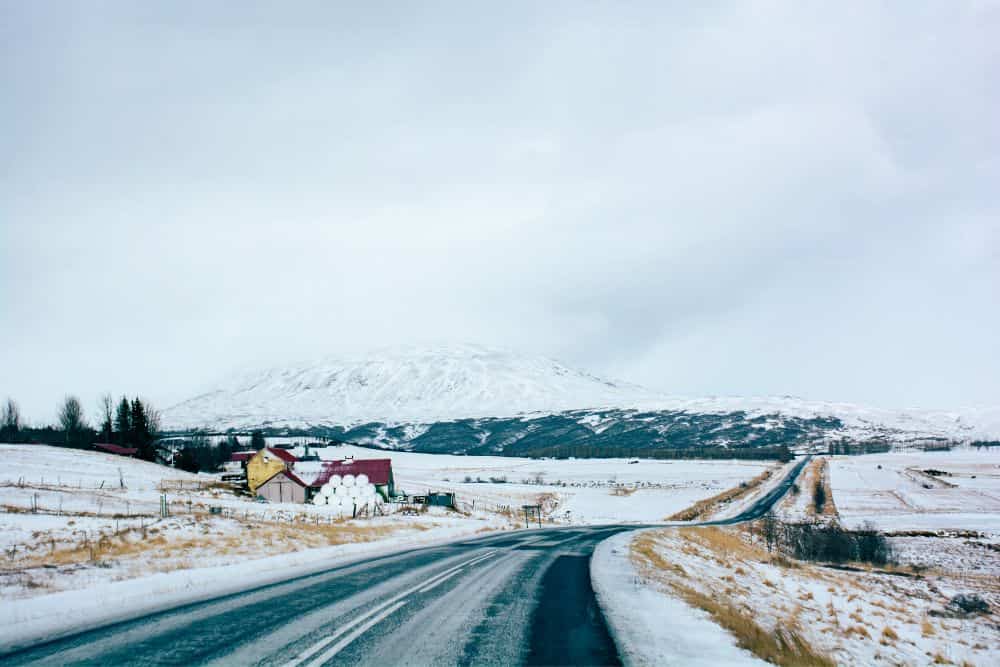
Spring and autumn offer a different atmosphere, with changing colours, quieter stretches of road in some areas and variable weather. Winter brings snowy scenery and opportunities to see the Northern Lights, but shorter days, icy surfaces and stronger winds can make driving more challenging. If you’ll be travelling in the colder months, allow extra time and be prepared to change your plans. Iceland’s weather can be unpredictable in any season, so flexibility is just as important as choosing the right dates.
Choose a route that suits your travel style
You don’t need to circle the entire island to enjoy a memorable Iceland road trip. In fact, first-time visitors often have a better experience by concentrating on one region rather than trying to see everything in a single week.
The Golden Circle and South Coast
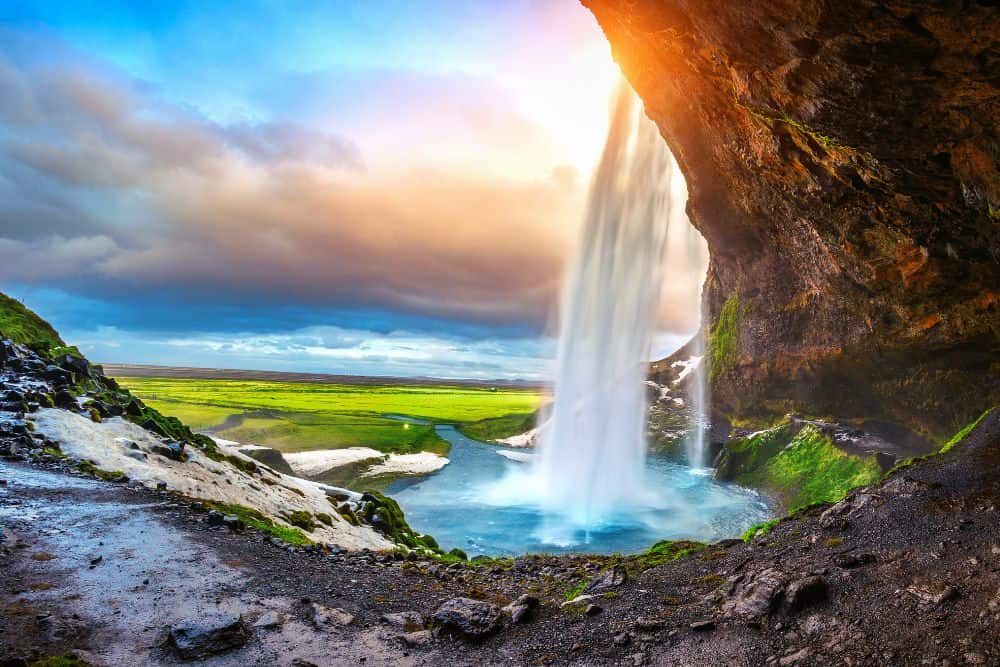
The Golden Circle is a popular introduction to Iceland, with Þingvellir National Park, the Geysir geothermal area, and Gullfoss waterfall among its best-known attractions. It’s relatively easy to visit from Reykjavík, making it a useful option for a shorter holiday. Continue towards the South Coast if you have more time, where you can discover waterfalls such as Seljalandsfoss and Skógafoss, striking black-sand beaches, and spectacular views of glaciers.
The South Coast is particularly rewarding for travellers who enjoy photography and walking, although it’s worth resisting the temptation to squeeze every attraction into one day. Give yourself enough time to explore, and remember that weather, parking, and walking distances can all affect how much you see.
The Snæfellsnes Peninsula
Often described as a miniature version of Iceland, the Snæfellsnes Peninsula brings together many of the landscapes that make the country so distinctive. Expect rugged coastlines, fishing villages, lava formations, mountains, and views of Snæfellsjökull glacier on a clear day. It’s a wonderful alternative for travellers who want variety without committing to a much longer journey around the island.
Allow at least a couple of days if you’d like to explore at a relaxed pace, particularly if you enjoy short hikes, photography, or stopping at smaller settlements along the way.
The Ring Road
For a longer adventure, Iceland’s Ring Road, also known as Route 1, loops around much of the country, connecting many of its main towns and popular attractions. The approximately 1,322-kilometre route passes through landscapes ranging from southern waterfalls and glacier country to the East Fjords and the volcanic scenery of North Iceland.
Although it’s possible to cover the Ring Road in around a week, allowing ten days or longer gives you more breathing room for detours and overnight stops. You can find further route-planning advice through Visit Iceland’s Ring Road guide.
How many days should you spend on your Iceland road trip?
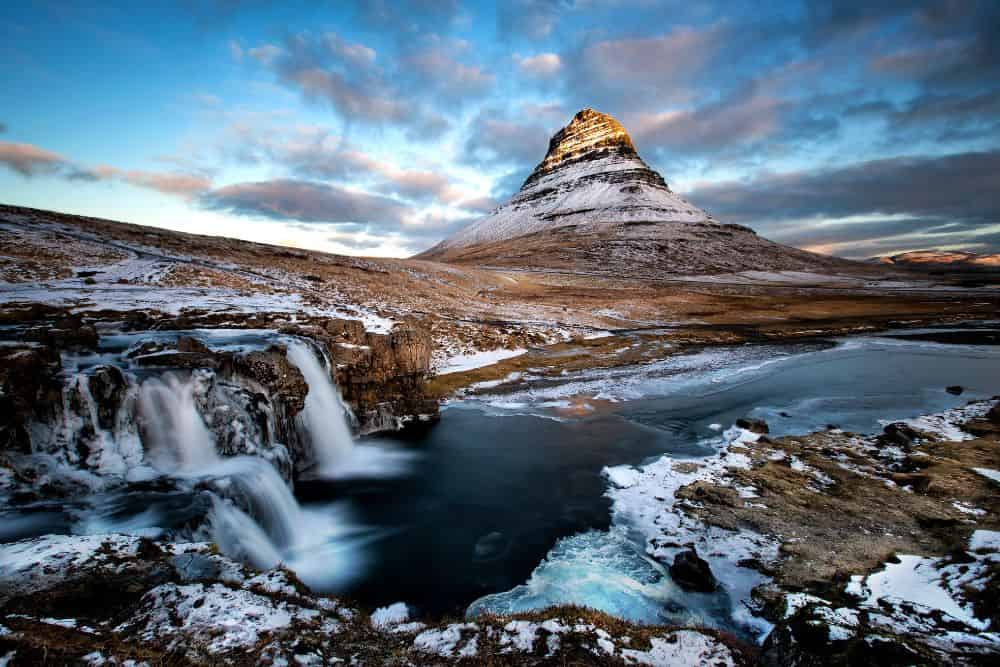
The right length of your trip depends on how much you want to see and how comfortable you are with driving. Three or four days can be enough for Reykjavík, the Golden Circle, and selected South Coast highlights. With five to seven days, you could explore the South Coast more thoroughly or combine several destinations within one region. An eight-to ten-day holiday gives you more freedom to build a varied itinerary, while ten to fourteen days is a better option if you want to explore much of the Ring Road without rushing.
Whatever your schedule, think carefully about the distance between overnight stops. A journey that looks short on a map can take longer once you account for weather, road conditions, and sightseeing breaks. Rather than filling every day with attractions, choose a handful of priorities and let the remaining time take care of itself. You’ll enjoy the experience far more if you’re not constantly watching the clock.
Should you hire a car or explore Iceland by campervan?
Your choice of transport can shape the whole experience. A traditional hire car is a good option for travellers who prefer staying in hotels or guesthouses and want to return to comfortable accommodation each evening. A campervan offers a different kind of freedom, combining transport and accommodation while allowing you to organise your journey around the places you most want to see.
For travellers who prefer the freedom to travel at their own pace, renting a campervan in Iceland can be an appealing way to experience the country’s changing scenery. Cozy Campers offers a range of vehicles, including standard campervans for conventional road trips and four-wheel-drive models designed for suitable Highland routes.
A campervan can also make it easier to enjoy quieter evenings surrounded by nature, provided you plan your overnight stops properly. Iceland has designated campsites across the country, but opening dates and facilities vary by location. Check the options along your route before travelling, especially outside summer. Whichever transport option you choose, prioritise comfort, flexibility, and the kind of journey you actually want to have.
Make room for unexpected discoveries
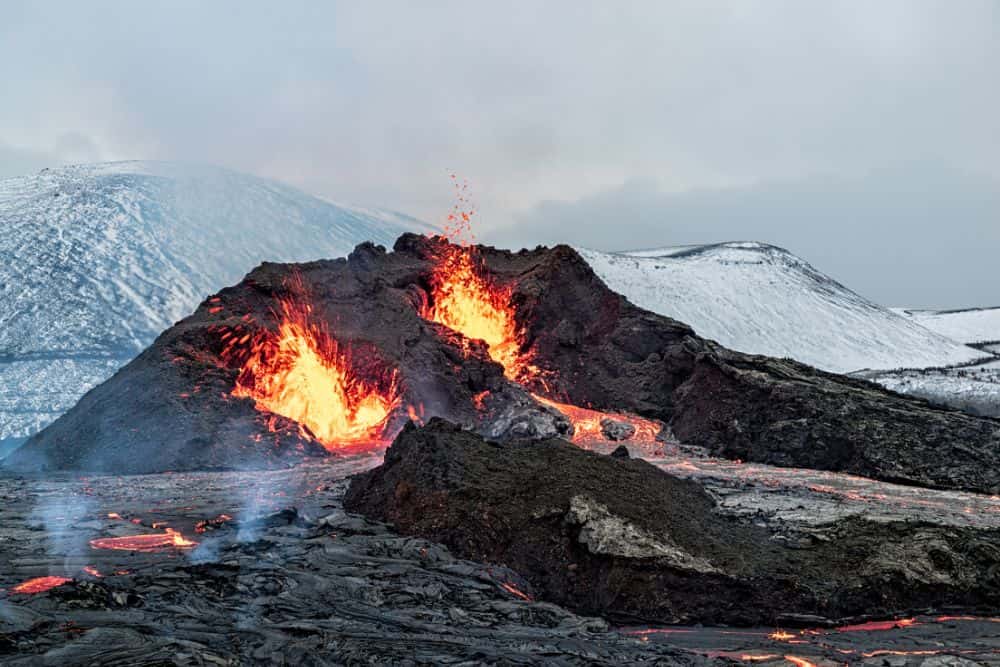
One of the best things about a self-drive holiday is the freedom to change your plans. You might notice a small village that looks worth exploring, come across a walking trail you hadn’t considered, or decide to stay longer at a viewpoint because the landscape looks completely different as the light changes.
These moments can become the highlights of your Iceland road trip, but they’re easy to miss when every hour is scheduled. Try to plan only the essentials for each day, leaving space for spontaneous stops. It’s also worth considering the pace of your journey: a scenic drive with several short stops can easily fill a full day, even when the distance is modest. A little breathing room makes the trip feel like an adventure rather than a checklist.
What should you know before driving in Iceland?
Iceland is a rewarding place to drive, but conditions can differ from those in many other countries. The main roads include paved routes as well as gravel sections, and you may encounter single-lane bridges, narrow roads, and strong coastal winds. Reduce your speed when moving from paved surfaces onto gravel, stay alert for sheep near rural roads, and use designated parking areas when stopping to admire the scenery.
Before setting out each day, check the latest weather forecasts and road conditions through SafeTravel Iceland. Don’t rely solely on a navigation app, particularly if your route includes remote areas or mountain roads. Conditions can change quickly, and you should be prepared to adjust your plans when necessary.
If you’re considering the Highlands, be aware that F-roads are seasonal mountain routes with more demanding conditions. They require a suitable four-wheel-drive vehicle, and some involve challenging terrain or unbridged river crossings. Not every 4×4 is suitable for every F-road, so check the specific route, opening status, and vehicle requirements before committing to the journey. You can find more guidance in SafeTravel’s Highland driving advice. For a first visit, sticking to the main tourist routes can still provide an extraordinary experience without adding unnecessary complexity.
Plan your overnight stops and pack sensibly
Accommodation is worth considering early, particularly if you’re travelling in summer or visiting popular destinations. Hotels and guesthouses work well for a traditional road trip around Iceland, while campervan travellers can organise their nights around campsites. In either case, choose overnight stops that make sense for your route instead of repeatedly driving back over the same roads. Check campsite facilities and seasonal opening arrangements in advance, and remember that overnight parking and camping rules should be respected.
Packing for Iceland is more about preparation than taking lots of clothes. Waterproof outerwear, warm layers, comfortable walking shoes, gloves, and a hat are useful throughout the year. A reusable water bottle, portable battery, camera, sunglasses, and swimwear for geothermal pools are also worth bringing. If you plan to spend plenty of time outdoors, choose practical layers that can be adjusted as the temperature and weather change. Keeping a few essentials readily accessible in your vehicle will make days out much easier.
Let Iceland set the pace
The most memorable road trips are not necessarily those with the longest itineraries or the greatest number of attractions. Sometimes the moments that stay with you are the simplest: watching a waterfall from a quiet viewpoint, finding a café in a fishing village, or seeing the landscape shift from green fields to dark volcanic rock as you drive towards the coast.
Plan the essentials, choose a route that suits your time and travel style, and keep an eye on the conditions before setting off. Beyond that, allow yourself some freedom to explore. Iceland rewards travellers who slow down, look beyond the obvious stops, and appreciate the journey as much as the destination. Take the scenic route when you can, leave room for a few surprises, and let this beautiful country reveal itself along the way.
* This is a collaborative post – please see my Disclaimer.


Leave a Reply