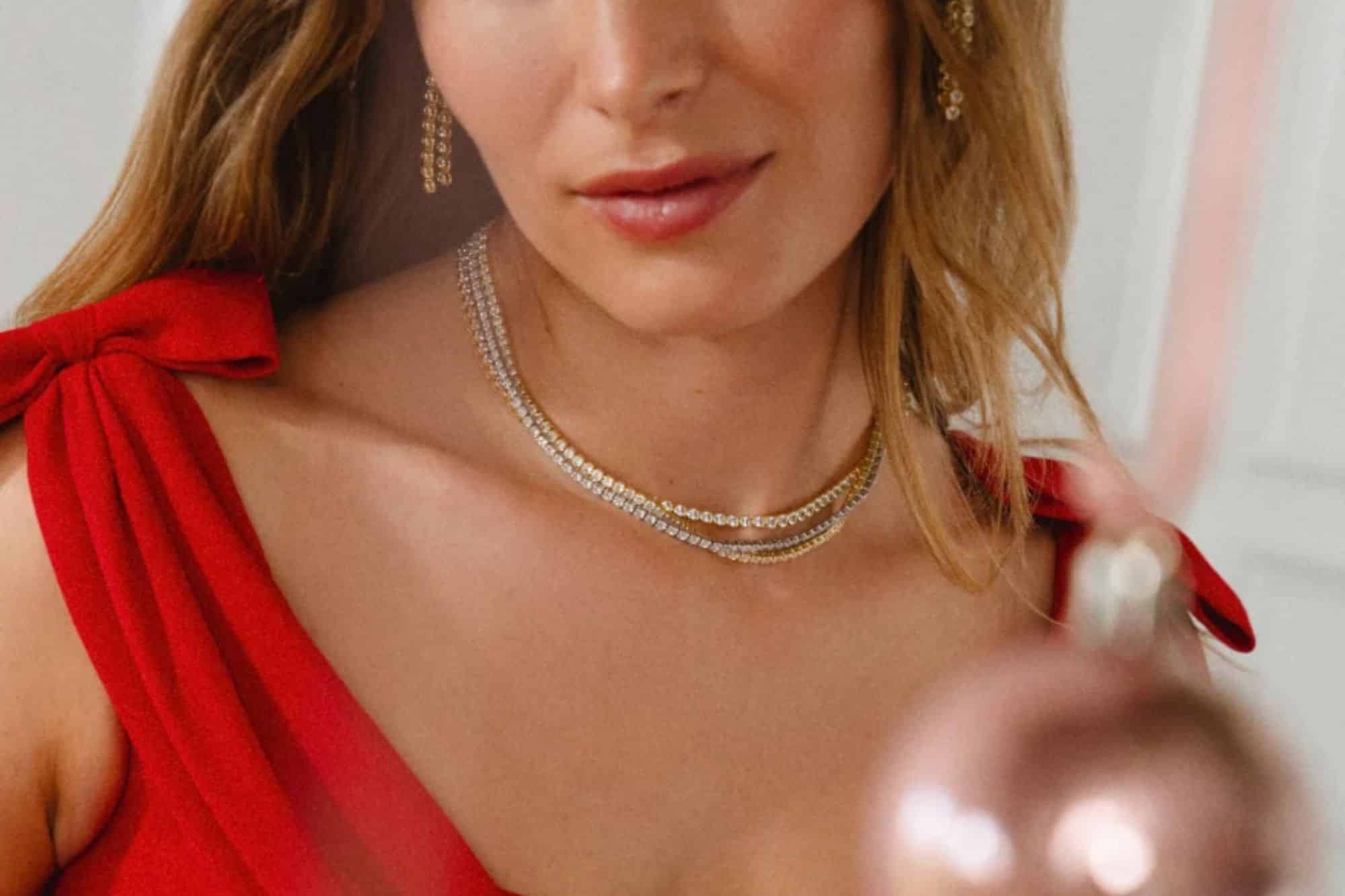
AD | Jewelry is rarely an impulse purchase in the truest sense – most of us buy pieces with the intention of wearing them regularly, to mark a meaningful occasion, or to pass them down over time. If you want to choose quality jewelry that really suits you then before settling on a piece, it helps to compare styles and materials side by side. Someone browsing for gold necklace women will notice real differences in construction, purity, and finish, even among designs that look nearly identical at first glance.
Jewelry as a Long-Term Personal Choice
This article walks through the practical factors worth evaluating: materials and purity, construction and durability, comfort and fit, versatility, maintenance, and how transparent a seller is about what you’re actually buying. Rather than steering you toward a specific brand, the goal here is to help you ask better questions – checking labels, specifications, and care instructions instead of taking the marketing copy at face value.
Start With How and Where You’ll Wear the Piece
How you intend to use the piece should shape nearly every decision that follows. Jewelry meant for daily wear needs different construction than something reserved for formal events or active pursuits. Ask yourself whether the piece will be exposed to water, sweat, cosmetics, or friction, and whether you naturally gravitate toward understated or statement designs.
Consider these two scenarios: someone selecting a delicate chain for occasional evening wear may prioritize lightness and visual detail over ruggedness. Someone choosing a piece for daily use, on the other hand, needs a sturdier clasp and a finish that can hold up to regular contact with skin and clothing.
Before you buy, ask:
- How often will I wear this?
- Will it face water, sweat, or lotion regularly?
- Does it need to match pieces I already own?
- Do I prefer a design I can wear without thinking about it, or one meant for special moments?
Understanding Metal Purity and Jewelry Terminology
What karat ratings mean
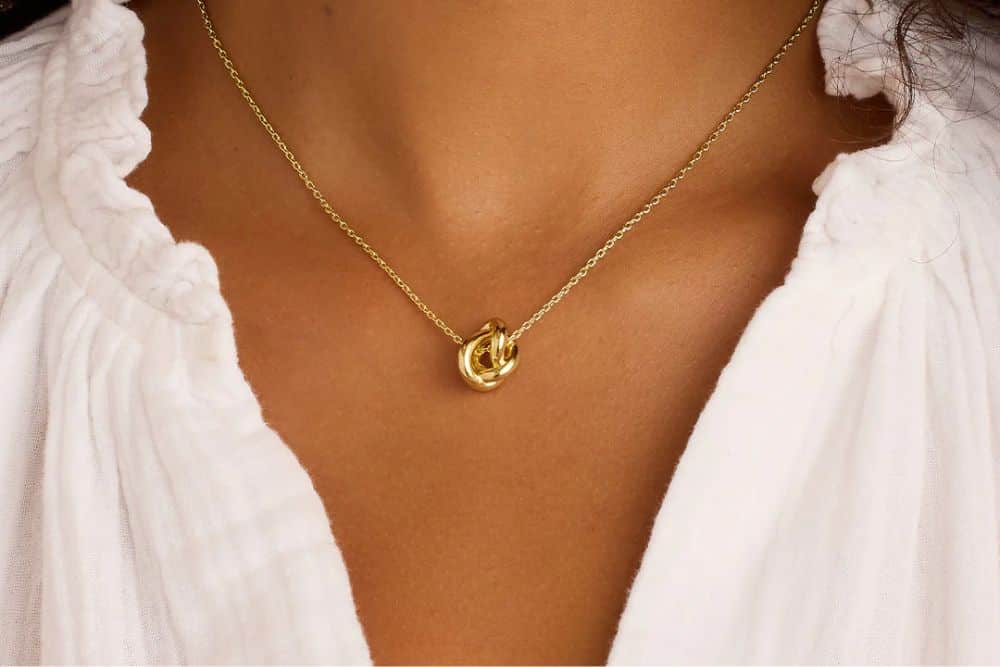
Karat measures the proportion of pure gold within an alloy. Pure gold, marked 24K, is soft and prone to scratching, which is why most jewelry blends it with other metals for added strength. An 18K piece contains 18 parts gold to six parts other metals, while 14K gold contains 14 parts gold to 10 parts alloy. Neither is objectively superior – the right choice depends on how the piece will be worn, your durability expectations, appearance preferences, and budget.
Gold-plated, gold-filled, and solid gold
Solid gold refers to an alloy that is gold throughout, at whatever karat is stated.
Gold-filled jewelry has a thicker layer of gold mechanically bonded to a base metal, giving it more longevity than plating.
Gold-plated items carry a thin gold layer applied electrochemically, which can wear thinner over time with friction or chemical exposure.
Vermeil refers specifically to gold plating over sterling silver, typically with defined minimum thickness requirements.
Look for product descriptions that spell out the base metal, gold content, and coating explicitly, rather than relying on vague phrases like “gold jewelry.” Terminology and disclosure rules vary by country, and the U.S. Federal Trade Commission provides guidance on quality marks, karat stamps, and identifying the responsible manufacturer.
Key takeaway: A higher karat number doesn’t automatically mean better jewelry – it means more gold and typically more softness, which matters differently depending on how you plan to wear the piece.
Examine Construction and Quality Before Buying
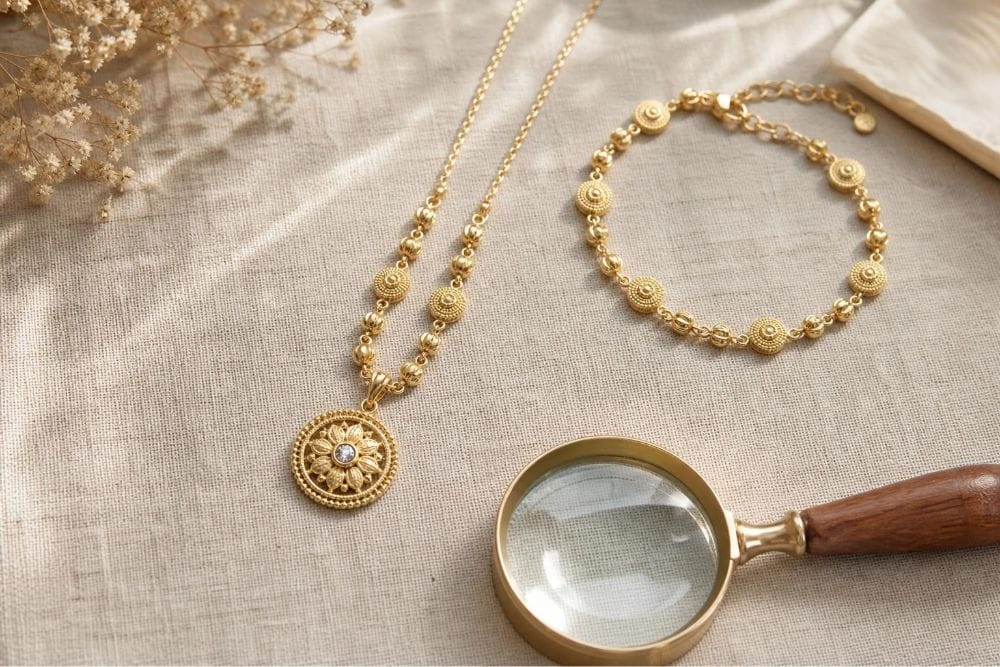
Durability often comes down to small details: chain links, clasps, jump rings, soldered joints, earring backs, and stone settings. When shopping online, examine close-up photographs or specifications closely; in person, test whether the clasp closes securely, whether links are evenly formed, and whether delicate areas seem prone to snagging.
Check for stated weight or dimensions, and whether replacement parts or repairs are available. Price alone doesn’t guarantee quality – a design can be intentionally delicate without being poorly made, and telling the two apart means taking a closer look at construction rather than the price tag.
Choose a Comfortable Fit and Proportion
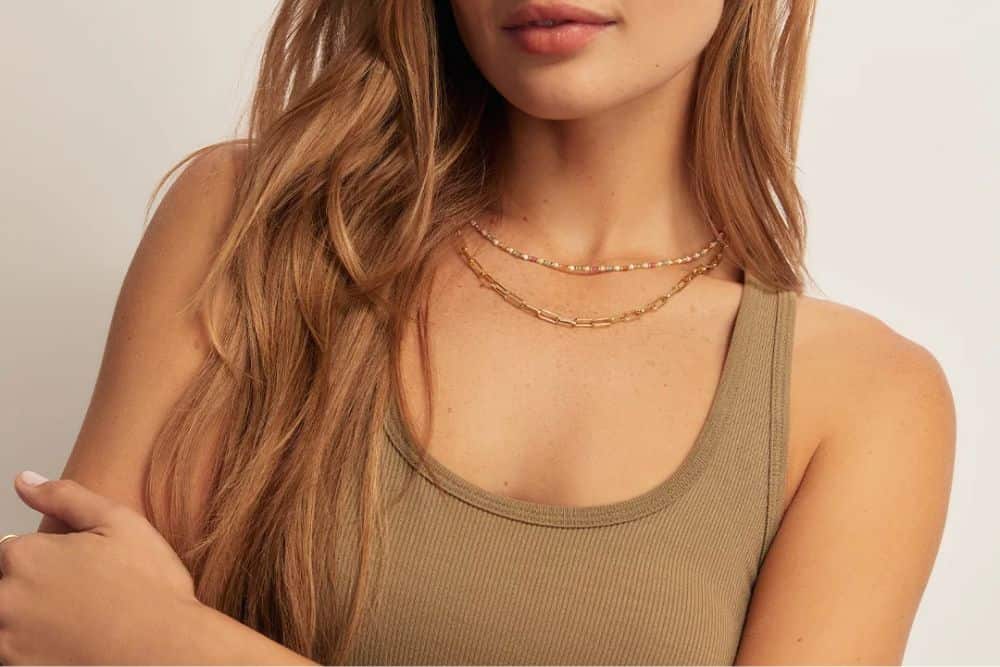
Length, width, weight, and shape all influence how comfortable and flattering a piece feels. For necklaces, measure your neck, compare standard chain lengths, and think about how a pendant will sit against your neckline. If you plan to layer multiple necklaces, look for varied lengths to avoid tangling.
Metal sensitivities, particularly to nickel found in some alloys, are worth checking against material disclosures if you have reactive skin. Comfort is personal, shaped by skin sensitivity, hair, clothing, and movement, so trying on comparable lengths – or using a string to estimate placement – can save you from disappointment after purchase.
Consider Versatility Without Losing Personal Style
A versatile piece typically features a neutral metal tone, adjustable length, or a scale that works across settings. Ask yourself:
- Will this pair easily with jewelry I already own?
- Can it move from casual to formal wear without feeling out of place?
- Is the design something I’ll still want to wear in several years?
A single well-chosen necklace, for example, might work equally well with a casual t-shirt, a tailored blazer, and an evening dress. Neither minimalist nor bold designs are inherently better – the right choice is simply one you’ll actually reach for consistently.
Learn Basic Jewelry Care and Storage
Proper care instructions depend on the specific metal, finish, and any gemstones involved. Good general habits include removing jewelry before swimming, exercising, or applying cosmetics, storing pieces separately to avoid scratching, and keeping them away from harsh chemicals.
Periodically inspect clasps and settings for looseness. Cleaning methods aren’t universal – some metals and stones require gentler treatment than others, and abrasive materials or strong household chemicals should be avoided unless you’ve confirmed they’re safe to use. The Gemological Institute of America offers general guidance on safe cleaning practices, particularly for pieces with loose or delicate stones.
When in doubt, especially for valuable or damaged items, it’s worth consulting a qualified jeweler.
Assess Seller Transparency and Responsible Practices
Trustworthy listings disclose exact metal composition, purity, plating details, dimensions, care instructions, and return or repair policies. Look beyond the glossy photography and testimonials towards independent information where possible.
Regarding responsible sourcing, look for clear policies referencing recognized standards, and stay cautious of vague sustainability claims that lack real detail. Organizations like the World Gold Council outline frameworks for supply-chain due diligence, though no single certification guarantees a flawless process – sourcing involves mining, recycling, labor conditions, and traceability, all of which are worth understanding rather than simply assuming.
Your Simple Decision Framework
- Define the use: everyday, occasional, formal, or active.
- Verify the material: purity, coating, base metal, and markings.
- Assess construction: clasps, links, settings, stated dimensions.
- Confirm comfort: length, weight, fit, skin sensitivity.
- Review aftercare and policies: cleaning guidance, repairs, returns.
This framework applies equally to necklaces, earrings, bracelets, rings, and watches.
Choosing Quality Jewelry With Confidence
A thoughtful jewelry purchase weighs more than appearance – it considers whether the material suits your intended use, whether construction and disclosures hold up to scrutiny, whether the fit is genuinely comfortable, and whether care requirements match your routine. Standards and labeling rules can differ by country, so it’s worth verifying the specifics for your own situation. Ultimately though, the best piece is one whose design, durability, and upkeep genuinely fit the life you plan to wear it in.
Are you a lover of gold jewelry too? What are your favorite pieces and how do you like to wear them?
* This is a collaborative post – please see my Disclaimer.



Leave a Reply