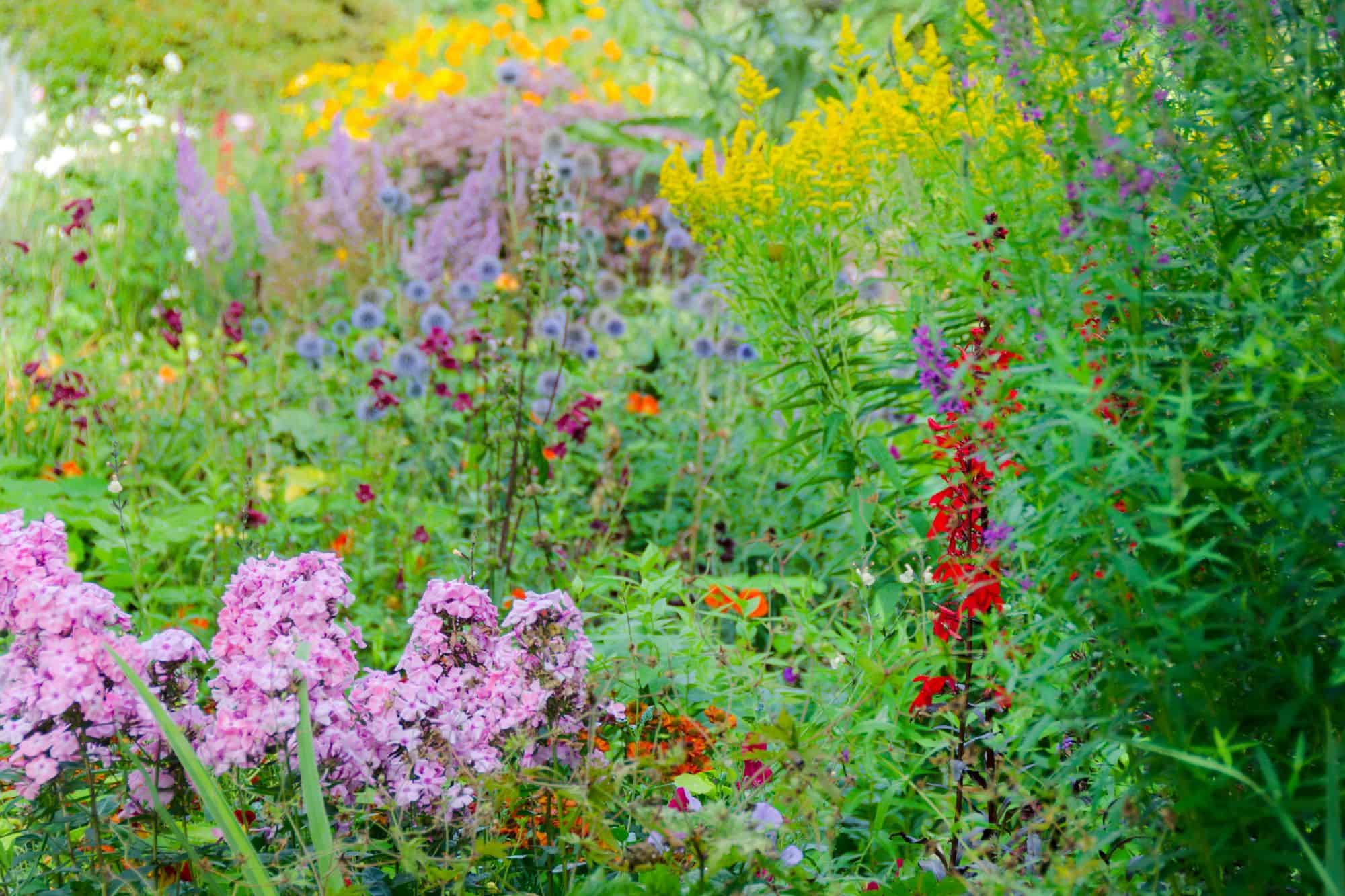
AD | Gardening trends come and go, but one of the most popular around at the moment is chaos gardening. It’s also one of the easiest (and laziest) gardening methods you’ll ever try, so it’s perfect for beginner gardeners, nature lovers, and anyone who hasn’t got time to be tending their plot every weekend (that would be me). And there are some other great benefits and reasons to give it a go too.
What is Chaos Gardening? How Do I Start a Chaos Garden?
Inspired by wild, natural cottage planting, chaos gardening is a free-spirited approach to gardening that embraces spontaneity, biodiversity, and natural ecosystems. Unlike traditional gardening methods that tend to follow plans and layouts, chaos gardening allows plants to get on with the business of growing by themselves. The trend went viral on TikTok, amassing more than 13 billion views last year, and was even showcased at the 2023 Royal Horticultural Society Chelsea Flower Show.
The best way to start a chaos garden is by copying Nature and choosing a range of native (or tolerant) plants that will work with your climate and soil conditions. Have a look at what’s growing well in your surroundings already and take inspiration from there. Then you can mix and scatter flower seeds or plant seedlings randomly, allowing them to self-seed and spread naturally. Nature will ensure they compete, co-operate, and evolve over time with minimal input or even without any further help from you.
8 Brilliant Chaos Gardening Benefits
Easy To Do
Have you ever come across a few packets of old, out-of-date seeds at the back of the cupboard? (Who’s with me on this one?) Rather then throw them out, why not simply sprinkle some of those seeds into your empty garden spaces? Even if you don’t think you’ve got a green thumb, it’s a great way to fill in those gaps as your seasonal plants die off.
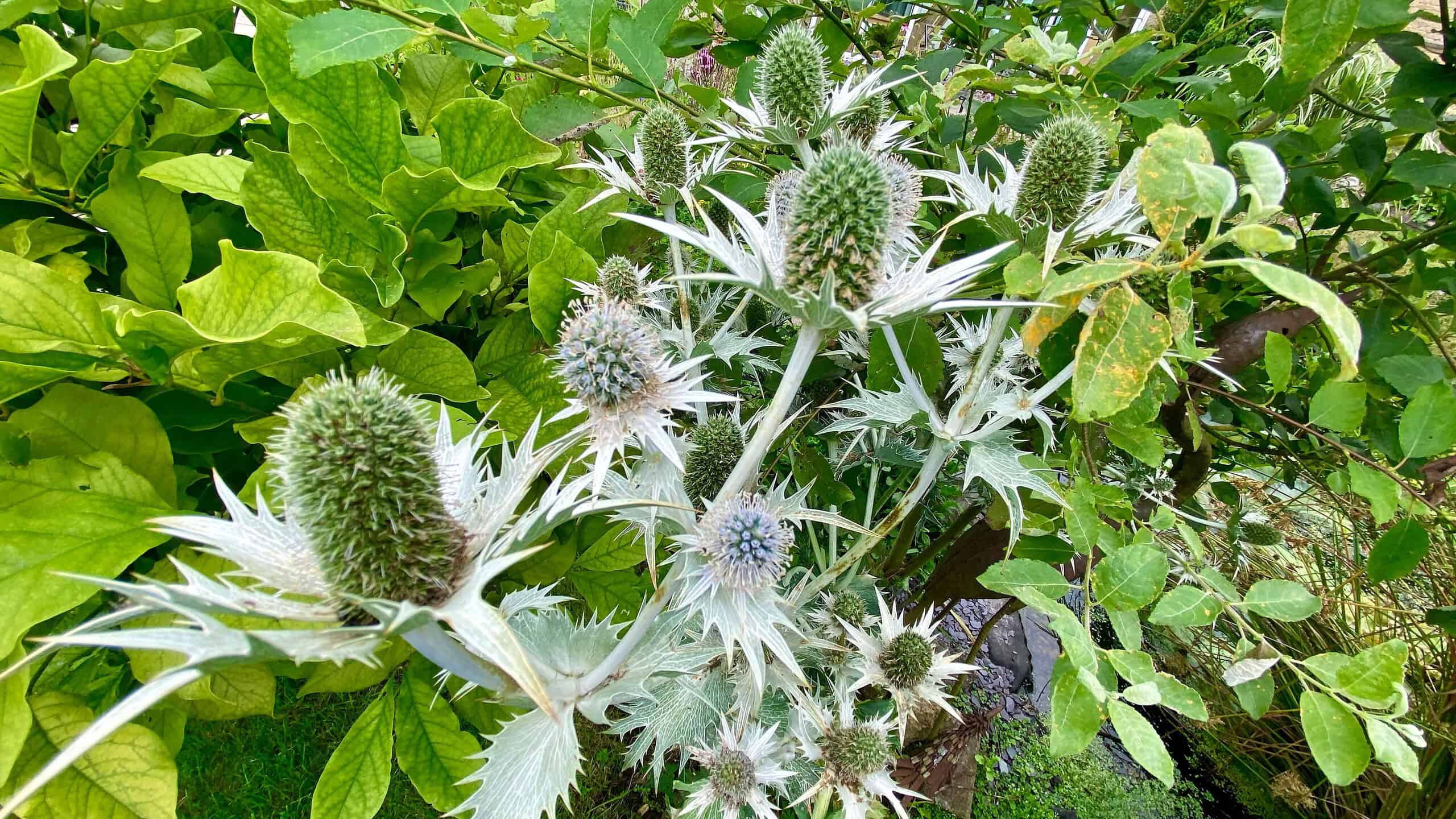
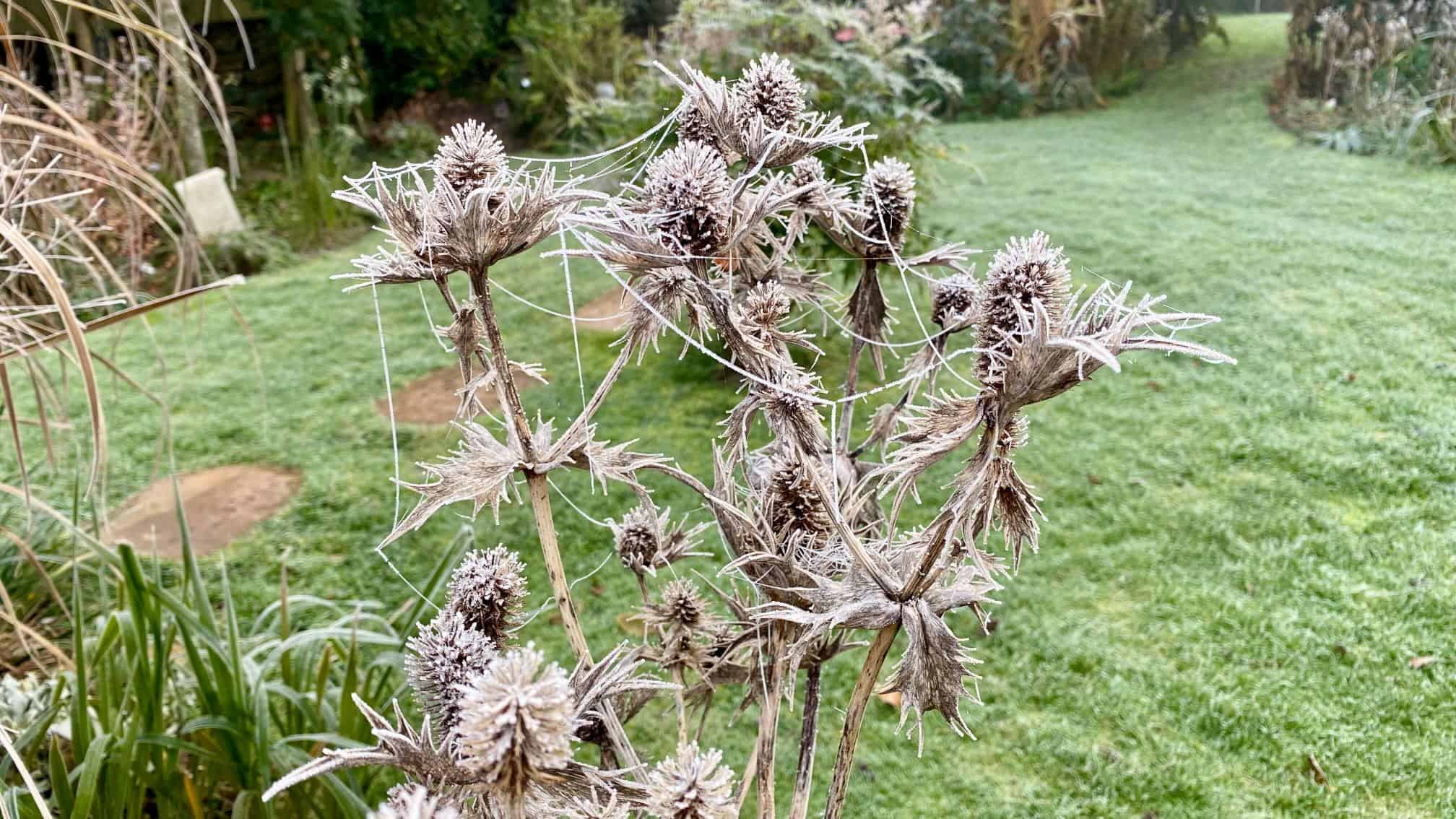
I did this last year, chucking a pack of out-of-date Teazel seeds down in an empty patch by our pond. We were rewarded the most stunning clump of spiky gorgeousness, which looked equally fabulous dried and dusted with frost at the end of the season. This, despite the packet instructions suggesting they needed lots of TLC to get growing.
Saves Time
If you really want to have a garden but you just don’t have time to be carefully placing all your seeds in perfect little rows, then thinning out, then staking the strongest plants, chaos gardening is your friend. Even if you’re starting out a little late in the season and you want some fairly instant impact, from planting to maintenance, this gardening trend really is as easy as it gets.
Reduces Water Use
Planting this way allows you to plant densely, so you’ll not only save time on watering, you’ll save on water as well. Your closely packed companion plants will shade the soil from the sun’s heat, so you can water less, and less often. Plus, if you live somewhere that gets a lot of rain (hello, British summertime), you may not need to water very much at all.
Less Maintenance
Chaos gardening tends to encourage plants to grow closely together, which creates a living mulch for the ground. Not only do they need less watering, you’ll get fewer weeds coming through as well. So, your chaos garden will more or less look after itself, taking up less of your time. If fact, if you plant a truly bio-diverse chaos garden, you’ll be looking one that doesn’t need weeding, can fight off pests, shade itself to prevent it from drying out between rain showers, and generally care for itself, exactly as Nature intended.
Creates Biodiversity
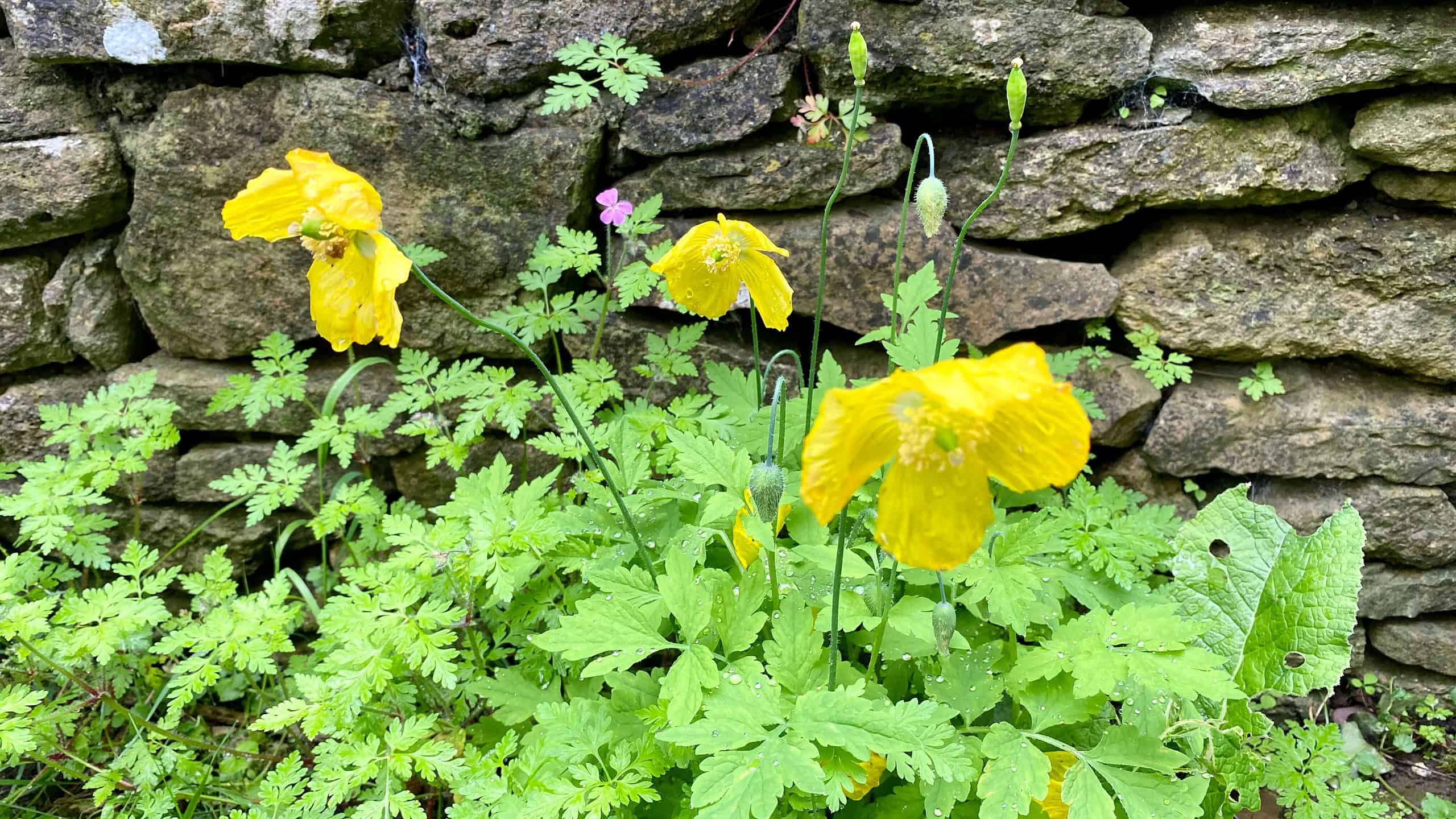
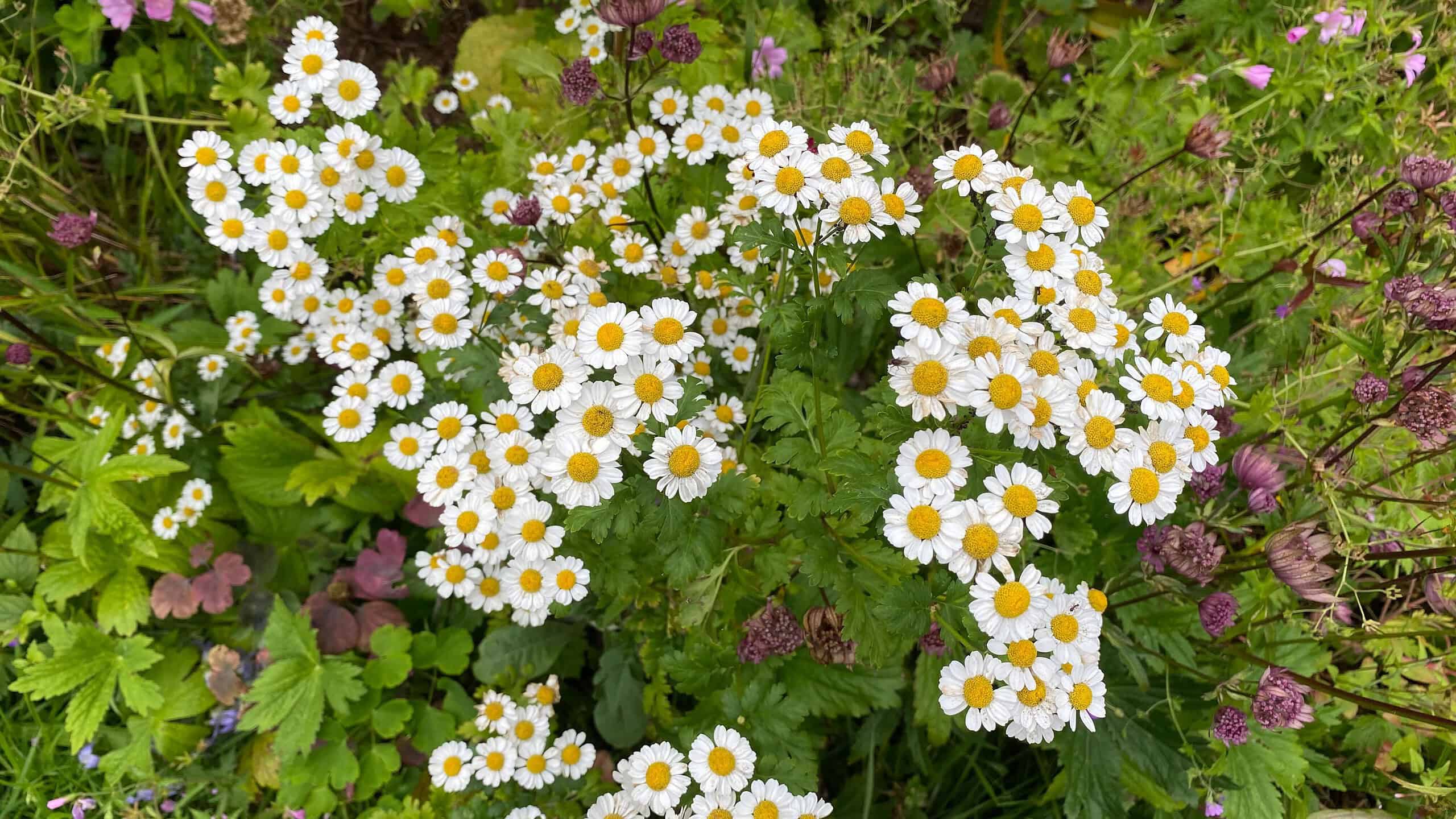
By creating biodiversity in your outside space you’ll be helping your garden nurture a thriving ecosystem. In Nature, you tend to find a large and varied number of plants all growing happily in the same space. It’s the same with your chaos garden. If you choose seeds that traditionally grow together well (Companion Planting) and sow them all in the one bed or space, you’ll foster biodiversity that will support pollinators, wildlife, and also your garden in the long term.
Improves Soil
Planting a diverse garden can also be a great way to improve your soil quality. Try planting some deep-rooted plants that will pull the nutrients from deep within the soil (such as Sweet Peas or Beans), together with more surface rooted plants (such as Wildflowers) so you can spread out the load on your soil. Tip: leave the roots of your Beans in the ground after harvesting, so all that nitrogen goodness is returned to your garden, ready for next year.
Can Return Native Habitats
If you’re choosing to put in native plants as part of your landscaping, chaos gardening allows them to grow in a more natural and diverse pattern, that will naturally spread and fill in for a stunning native plant garden. This is common practice for Wildflower gardens, and it’s also a great way to plant a Butterfly garden and even cultivate endangered or rare species.
Fun Surprises
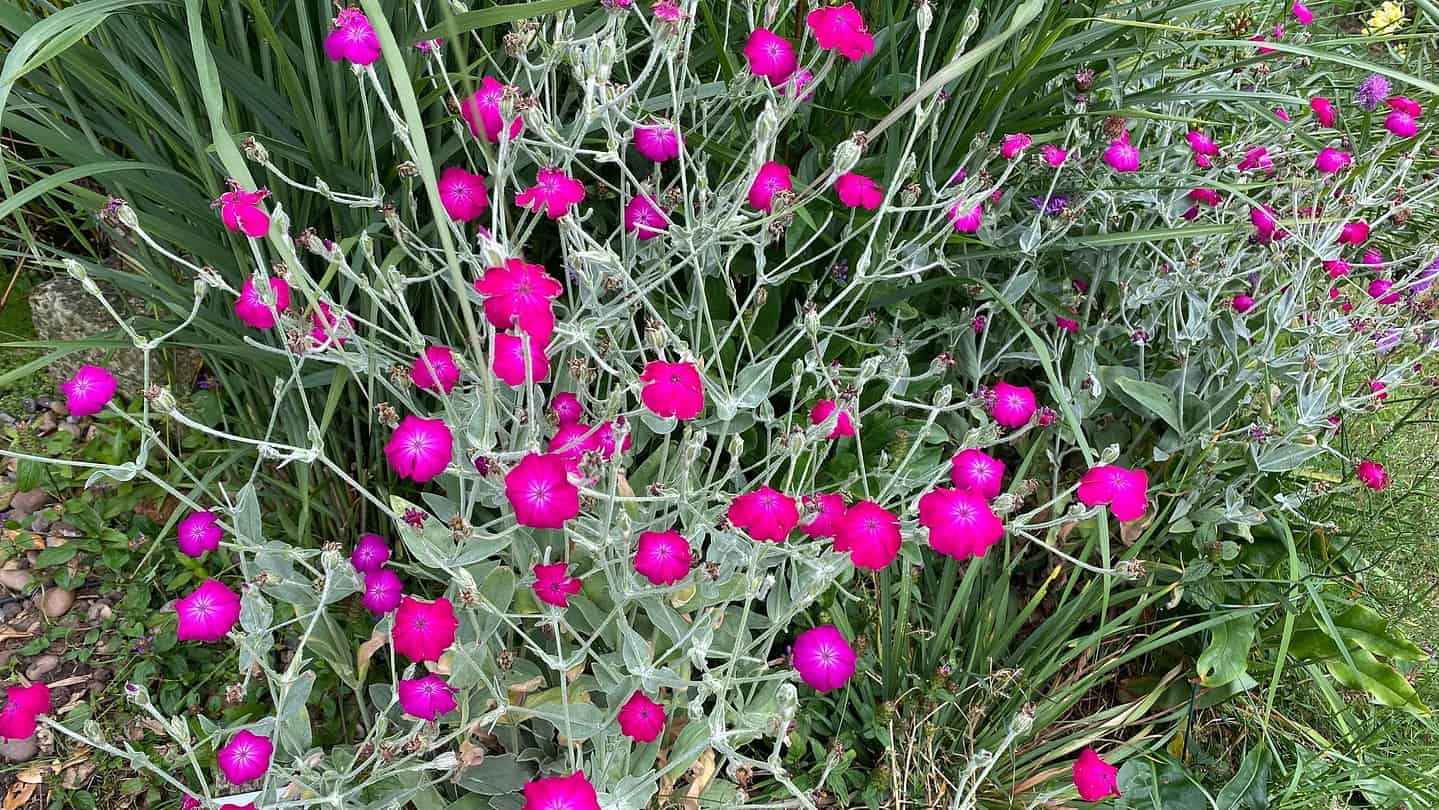
If you have chaos planned (!) in your garden, your flower and vegetable harvests can be a lot of fun. Instead of having neatly organised and labelled rows, you’ll be taking pot luck every time you head out to see what you can pick for the vase or serve for dinner. And, if you have kids, they’ll love exploring the garden for snacks. That said, you may want to install a Plant ID app on your phone, to help you keep track of what you/they might be picking, until you get used to what’s popping up.
What Plants are Good for Chaos Gardening?
So much for the benefits, what about the plants? What‘s worth growing for the best chaos gardening results?
Which Plants to Choose in a Chaos Garden
Go for easy to grow vegetables, herbs, and flowers such as Radishes, Lettuces, Beans, Parsley, Oregano, annual Grasses, Poppies, Cornflowers, Nigella, and any good Wildflower garden seed mix. Even if your seeds are years older than their “Sow by year end XXXX” date on the back of their respective seed packets, you’ll lose nothing by trying. Sow your larger seeds first, then scatter the smaller ones in between – rather like a traditional potager garden. Or just dump them into pots or an old wheelbarrow if you don’t have much space.
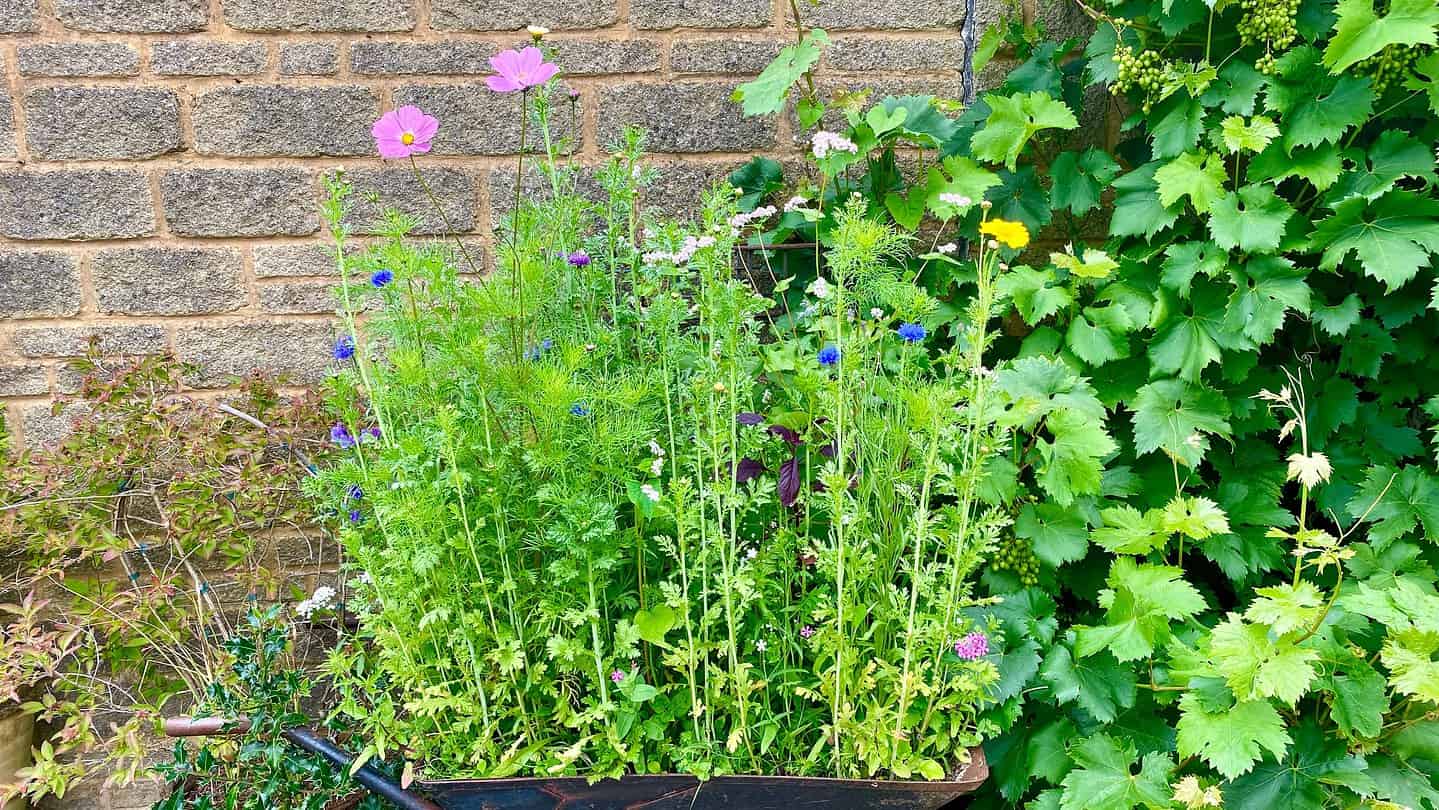
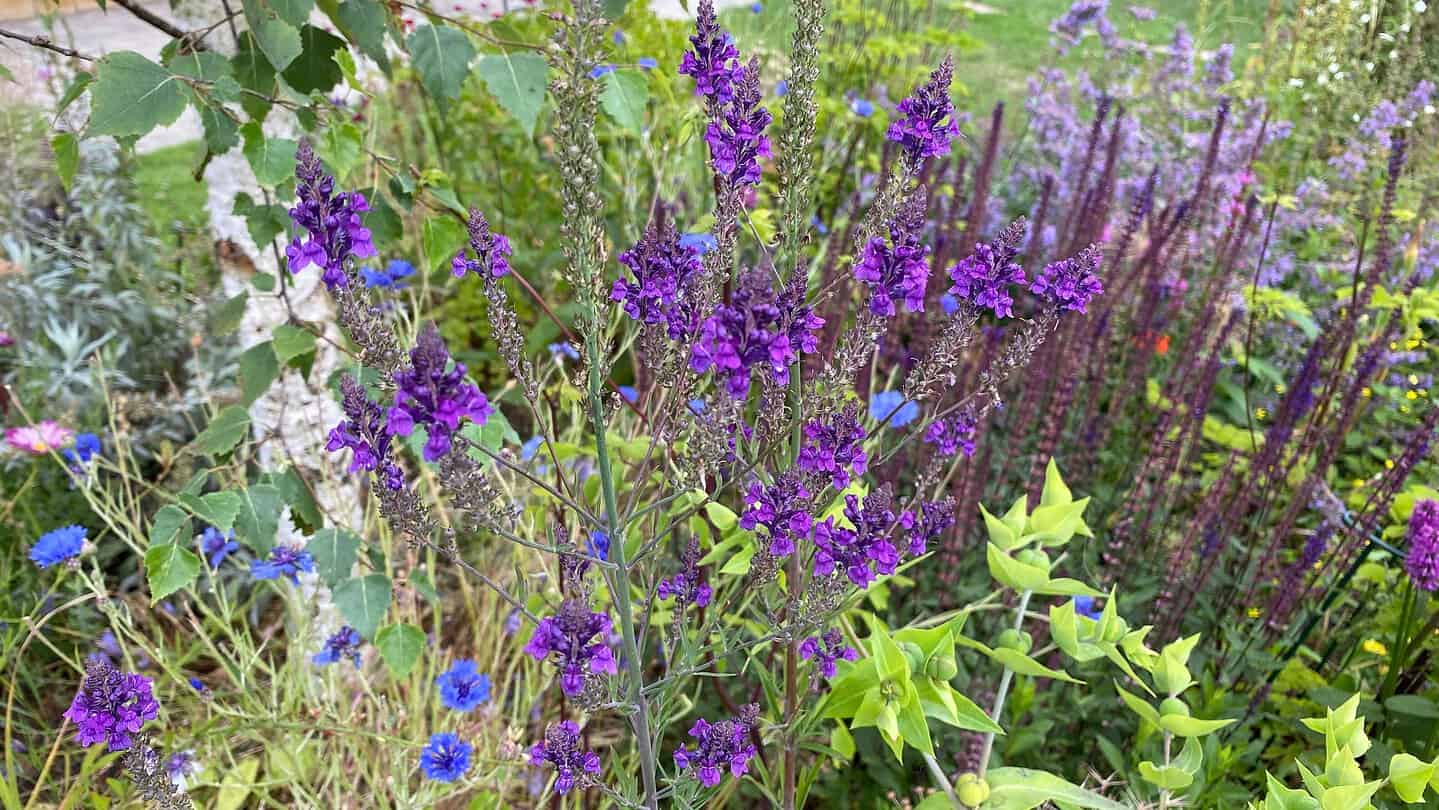
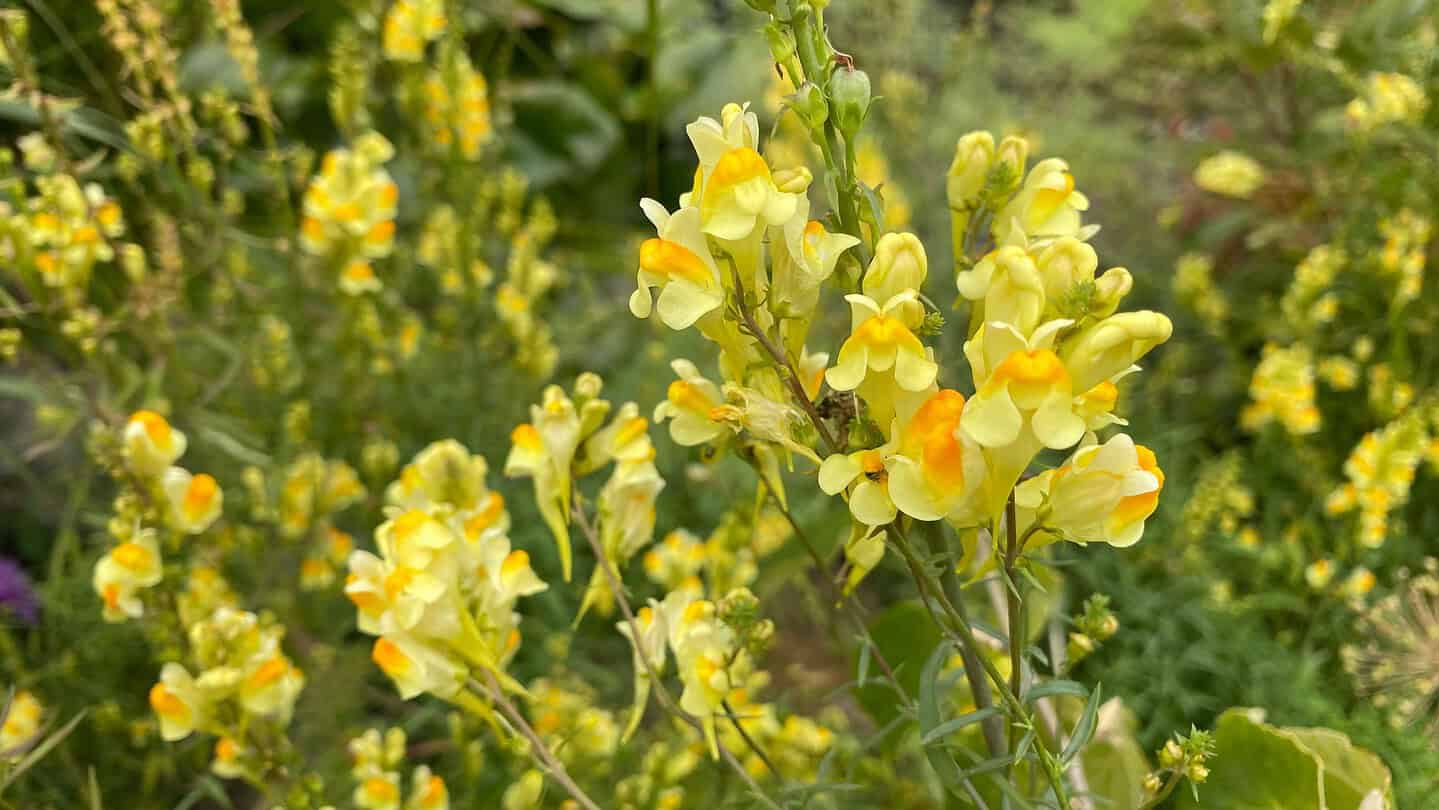
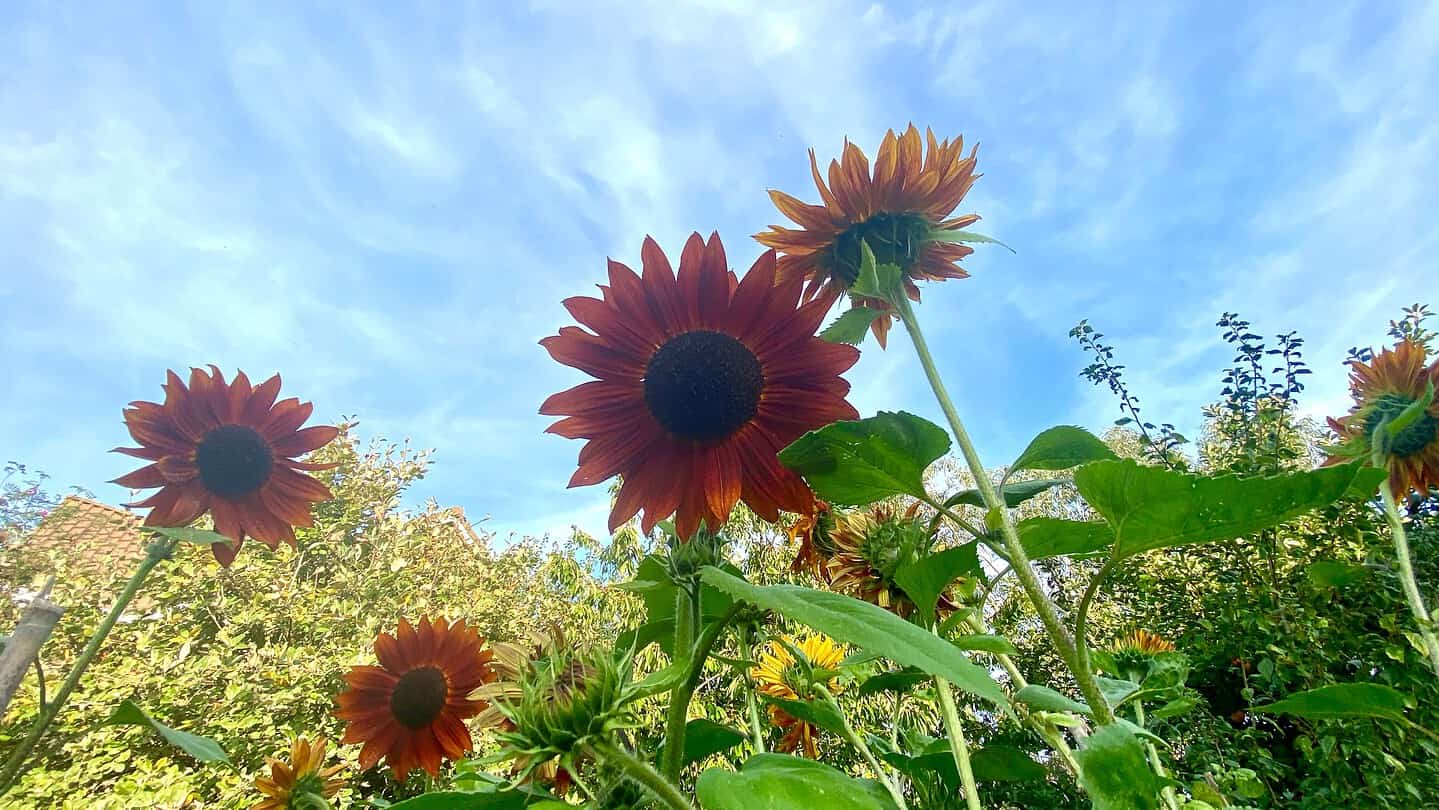
And don’t be in too much of a hurry to pull out all the weeds either, especially the edible weeds such as Dandelions and Nettles. Of course, you may well find Nature lends a helping hand, and you get plants pop up that you haven’t sown – such as seeds borne by the wind or dropped by birds. Like these pretty purple and yellow Toadflax by our pond, and the giant Sunflowers that arrived in our vegetable bed last year.
Which Plants to Avoid in a Chaos Garden
Three that spring to mind are Ground Elder, Bindweed, and Brambles. True, they all grow prolifically in Nature and provide food for a wide variety of wildlife, but they are no friends to gardeners. Virtually impossible to eradicate, they can quickly take over your artlessly planted chaos garden, and you’ll rue the day you ever laid eyes on them (speaking from bitter personal experience).
Chaos Gardening in a Nutshell
Chaos gardening offers a host of benefits for both gardeners and our environment. It fosters resilient ecosystems, supports local wildlife, conserves water and resources, encourages a deeper connection with nature, and promotes mindfulness and reduces stress. Additionally, chaos gardening requires less time and effort compared to traditional gardening methods, making it accessible to beginners and old hand gardeners alike.
So, whether you’re seeking a more sustainable approach to gardening, or simply a new adventure, embracing chaos gardening is something that’s well worth trying. The thing to remember is that most plants really do want to grow, and all a chaos garden does is, well, let them do their thing. What could be simpler and more enjoyable than that? 🙂
Have you heard of the chaos gardening trend? Is this a way of growing plants you’d ever tried? If not, would you be up for having a go now?
* This is a collaborative post – please see my Disclaimer.

That’s brilliant. I’m not into gardening though I wish I was. We try not to have any flowering plants near our house because my son is allergic to bees.
Ah, that’s such a shame about your son’s allergy – completely understand why you don’t want flowering plants near your house though.
lol this sounds like my kind of gardening. maybe I should dig out a little corner next to the fence and sprinkle and see what happens. although I think my FIL would get mower happy unless it looked properly like a little border.
Oh yes, perfect, why not give it a go? And maybe separate the area with a little border (bricks or stones) so he knows not to cut it 🙂
I like the concept of chaos gardening and I like that it saves time and creates biodiversity! x
Lucy | http://www.lucymary.co.uk
It’s a win-win all round 🙂 x
Chaos gardening sounds amazing. This is the first time I heard of it. I need to share this with my Dad. He really loves gardening. Thank you, Lisa.
I think most gardeners probably do some sort of chaos gardening – it’s just been given a name now!
Amazing ideas, I’m definitely with you on it, my friend showed me about their old plants and how they made a space for them in their garden. It’s good to fill the gaps indeed.
Thank you so much, that’s great your friend is a keen gardener too. 🙂
Chaos gardening seems to be how I do things. I have all these flowers I like and no plan on where they are going. 🙂
Sounds perfect, every gardener can relate!
I’m in love with the cottage garden aesthetic, so chaos gardening suits me perfectly. ❤️
Intentional Lucie | intentionallucie.com
That’s why I love it too!
Chaos gardening sounds like such a liberating and exciting way to connect with nature! Plus, the low-maintenance aspect is perfect for someone like me. Definitely sharing this with my mom too! xx
Lenne | lennezulkiflly.com
Low maintenance why I love it!
I love this idea!!! One day I hope to have a beautiful and cottage-inspired garden!
I’m still working on my dream cottage garden 🙂
I had no idea there is such a thing. I love it. My garden is small and I have raised beds for the plants, so I can’t try something like this, but it does sound lovely.
Perhaps you could try sowing some wildflowers in a few large pots, or even an old wheelbarrow?
13 billion views!!! OMG. I like this idea of chaos gardening. My mom kind of had a chaos garden. I prefer more wild/natural gardens myself or the English garden style of gardening. Thanks for all this info! My landlords are away all summer so I may buy some flowers and use their empty planters I am sure they will be thrilled.
Allie of
http://www.allienyc.com
Ha, I know, it’s crazy! But testament to how popular and easy it is – I think that’s a great idea about your landlord’s planters, I’m sure they’d be delighted. 🙂
I think if/when I ever get to have my own garden that I would use this technique. I love the idea of biodiversity and creating great habitats for creatures and critters. I always think places that have this look incredibly beautiful!
It’s such a good way of encouraging wildlife into your garden – native plants are what they love, and chaos gardening takes full advantage of this.
I loved your post, this is such a fabulous way to approach gardening. I think one of the highlights of this method of gardening is the surprise element. It really adds a dash of fun and mystery that is usually missing from traditional gardening!
Oh I love that, a dash of fun and mystery, that’s absolutely spot on!
I haven’t heard of chaos gardening before, but it does seem like a great way to save time while at the same time creating biodiversity and supporting wildlife.
I’m not sure who came up with the name, but yes, you’re absolutely right!
My parents have been doing this kind of gardening, and I didn’t know what it was called. Good to know their benefits.
I think a lot of gardeners have been doing this kind of gardening, it’s just that now it’s been given a label! 🙂