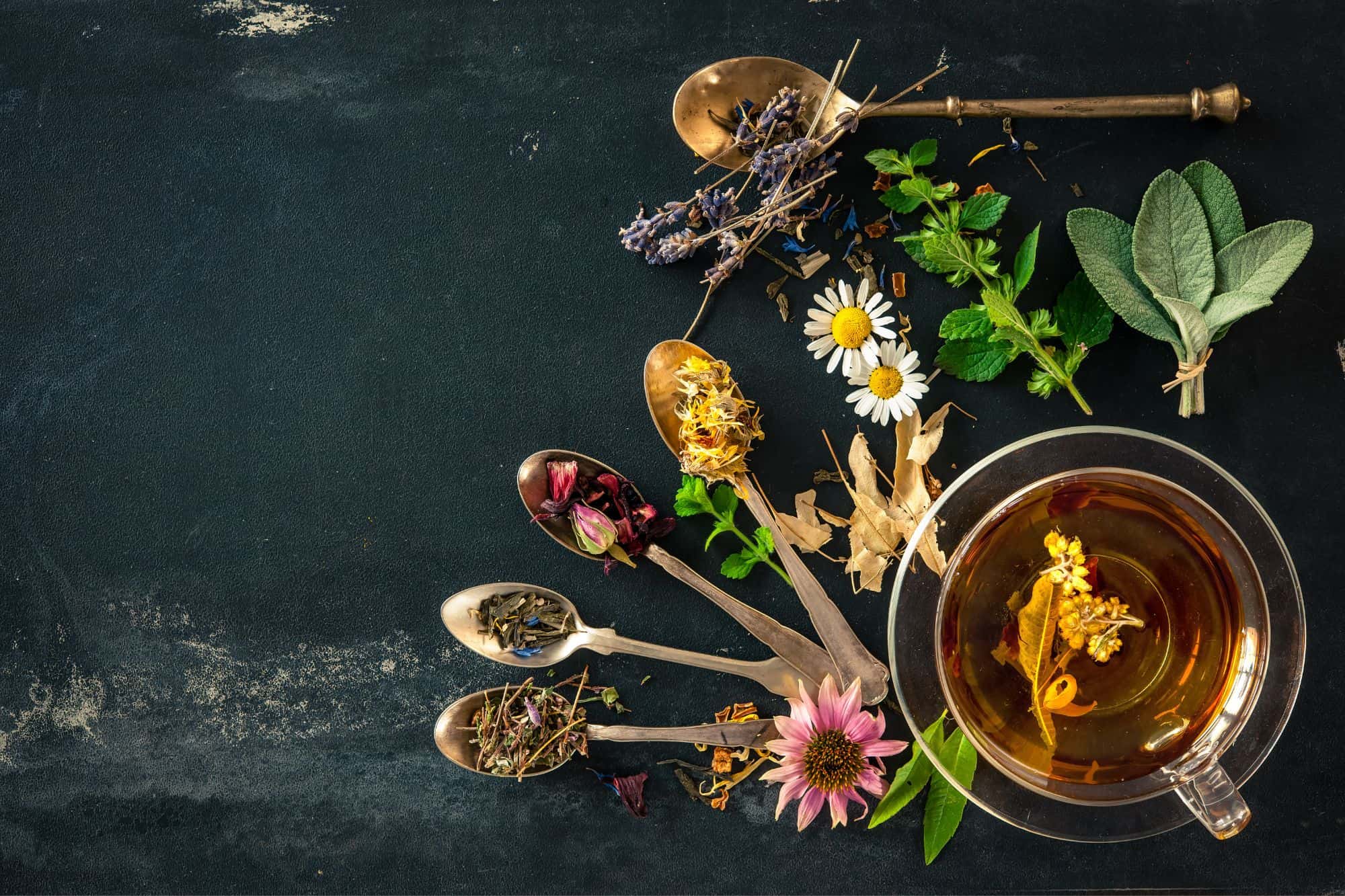
Weeds are often seen as nuisances in the garden, but did you know many of them are actually edible? And can quite easily be transformed into delicious and nutrient-rich dishes? Yes, it’s true! Many of our edible garden weeds are packed with vitamins, minerals, and various health benefits, and can add variety and flavour to your meals. Take a trip back to Nature with me – here are no less than 20 common edible weeds that you can grow, harvest, and use to liven up your cooking.
20 Edible Garden Weeds You Didn’t Know You Could Eat
Fun fact: nutritionally, many wild greens are higher in antioxidants, vitamins, and trace minerals than our cultivated crops. Growing and thriving in the wild, they’ve evolved their own strategies for getting everything they need in an often competitive, and occasionally even hostile, environment. I always say Nature is a generous and patient teacher – first up, here’s one of my favourites.
Dandelion Taraxacum officinale
Dandelions are a well-known childhood weed and all parts of the plant are edible: flowers, leaves, roots, even the seeds. Use the flowers (minus the bitter green sepals) in salads or to make dandelion wine, dandelion syrup, or dandelion honey (I’ve made dandelion honey and it’s easy, delicious, and also good for vegans).
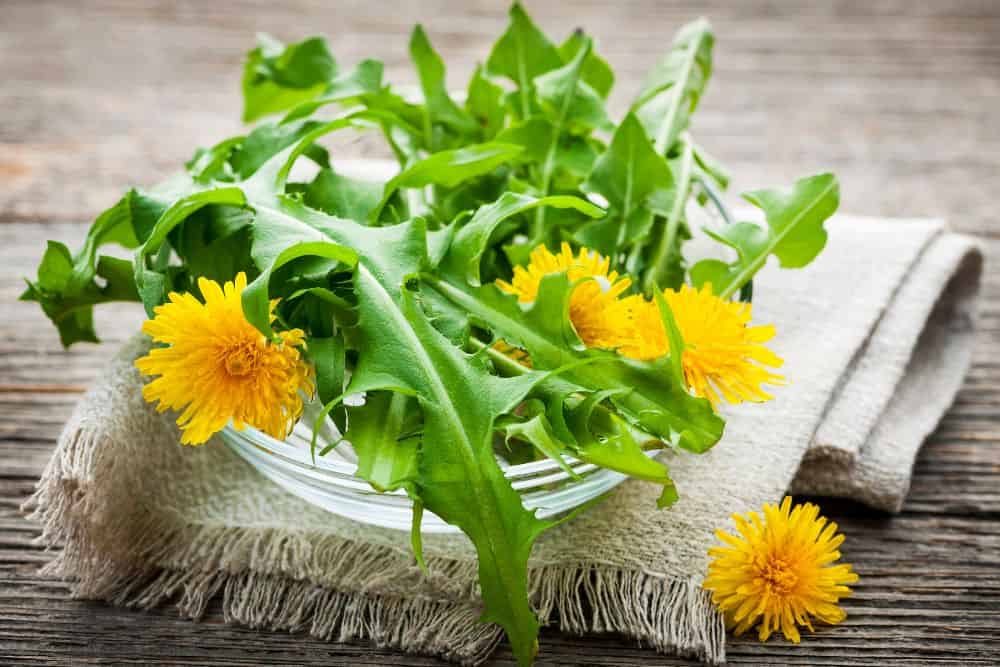
Pick the youngest and tenderest leaves for salads, stir-fries, or make a dandelion pesto. And if you dry the roots, you can grind them to powder and use it in teas. You can even use the new flower buds to make dandelion capers. These nutritional powerhouses are often used as a tonic or diuretic and are valuable medicinally for digestive issues and treating skin injuries.
Purslane Portulaca oleracea
Purslane is a succulent-like weed that can be grown in garden beds, containers, and in the cracks of your patio. The young leaves and stems are crispy and slightly sour in taste. Try them raw in salads, as a vegetable in soups or stews, or make them into a pesto. They add a slight tanginess and crunch to any dish.
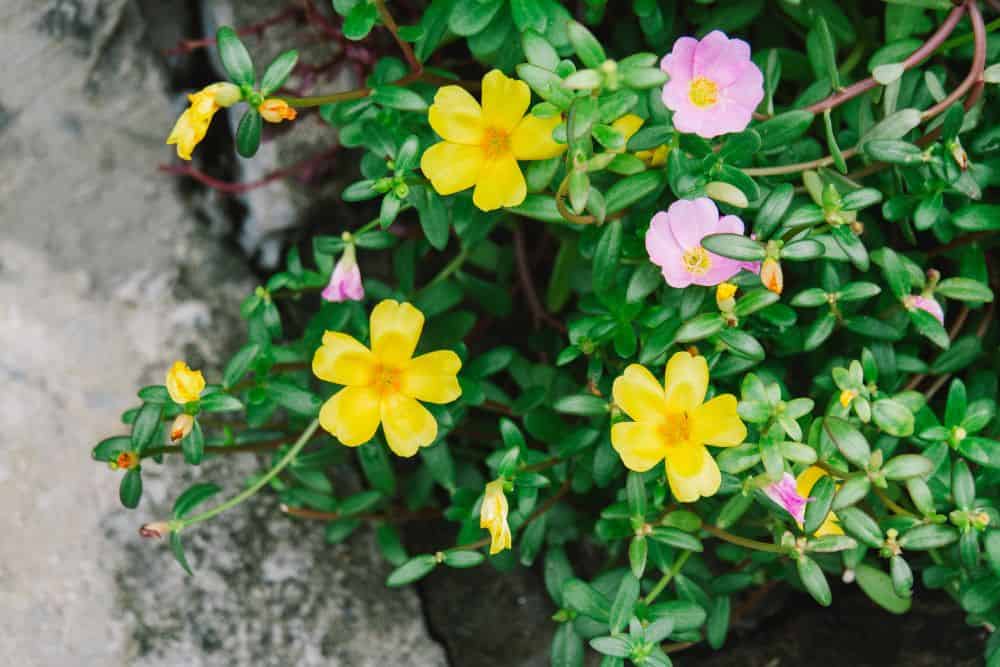
The plant is often used medicinally as a diuretic and anti-inflammatory as it’s rich in Vitamin A, Vitamin B, and is loaded with antioxidants, minerals, omega-3 fatty acids and other beneficial plant compounds.
Chickweed Stellaria media
Chickweed is a delicate, tender weed with a light, fresh flavour that’s similar to spinach. It thrives in damp soil, making it a fantastic addition to a shady garden. Harvest the tender shoots and leaves throughout its growing season, and use them raw in salads or as a garnish. You can also incorporate them into pesto or make a chickweed-infused tea.
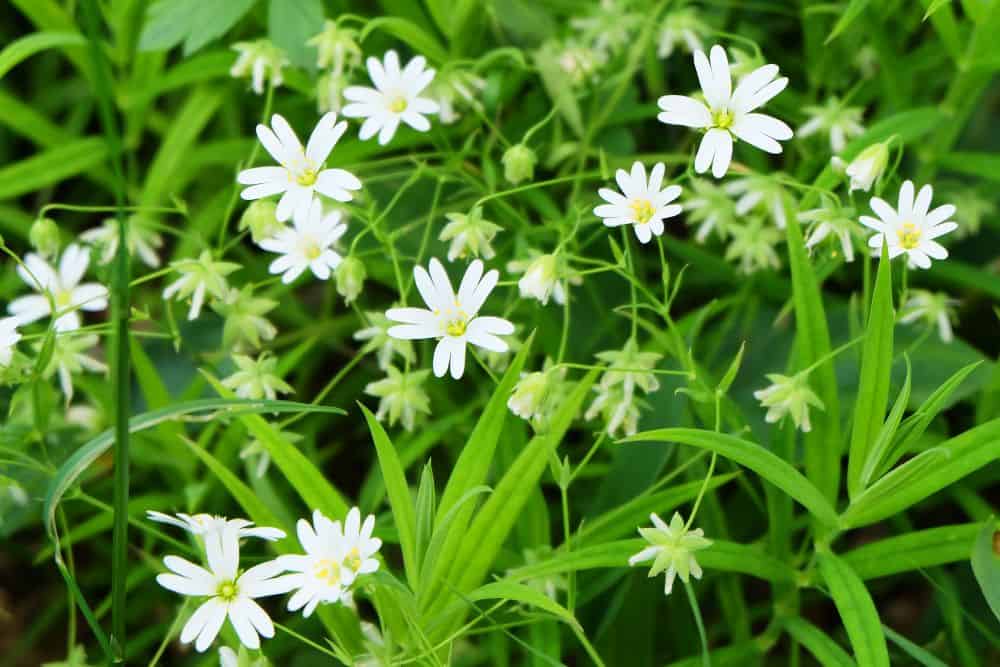
Medicinally, it can be used to make a soothing poultice for skin-related complaints, and as a diuretic for the kidneys, bladder and liver. It’s a natural antibacterial when used externally, and an anti-inflammatory and antihistamine that helps treat asthma and other respiratory diseases when used internally.
Shepherd’s Purse Capsella bursa-pastoris
Shepherd’s Purse leaves have a slightly bitter, peppery taste. They’re a common ingredient in Chinese dishes and can be added to soups and stews or used as a garnish. They’ve been used as an anti-inflammatory and antibacterial food and folk medicine for centuries in Asian and European countries, as a diuretic and for the treatment of dysentery, menstrual disorders, and fever.

Clover Trifolium
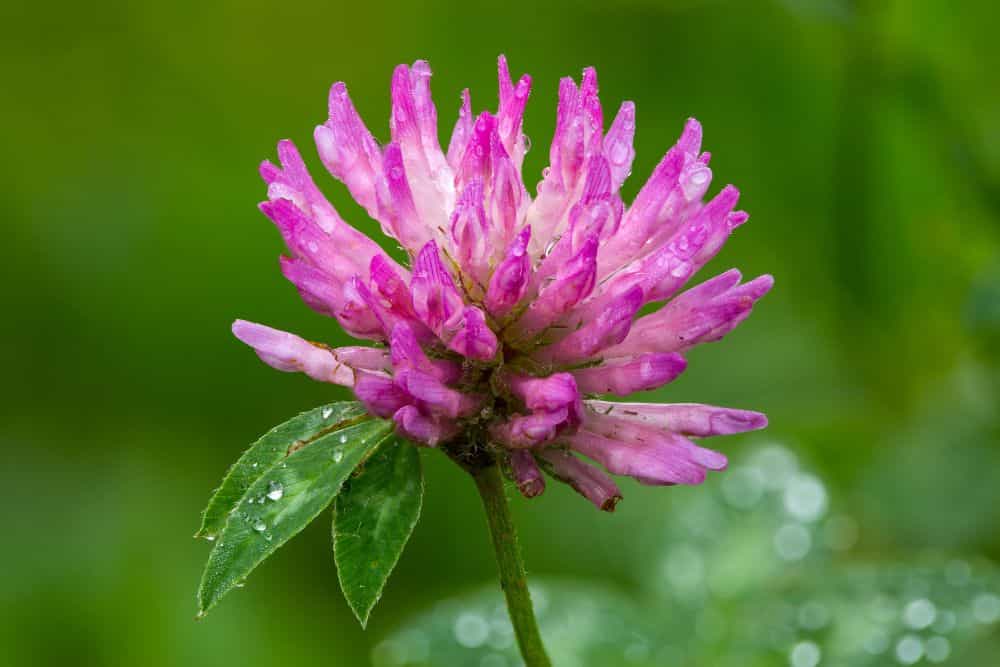
Clover leaves have a mild, slightly sweet flavour, reminiscent of fresh peas. The leaves can be added to salads or used in sandwiches, and the sweeter flowers can be used as a decoration, in tea, or to infuse honey or vinegar. Herbalists recommend a tea for colds, flu, and coughs, and a balm to help treat skin conditions like eczema. Studies show that red clover in particular can help balance hormones in menopausal women.
Lambs Quarters Chenopodium album
Beloved of foragers, Lambs Quarter is also known as wild spinach, and once you have any in your garden, it’s almost impossible to get rid of it (it’s true, believe me, I’ve tried!). Fortunately, the leaves have a slightly sweet, nutty flavour and are great in salads, stir-fries, quiches, or soups. You can also eat the flower buds, and the seeds are high in potassium, calcium, and phosphorus.
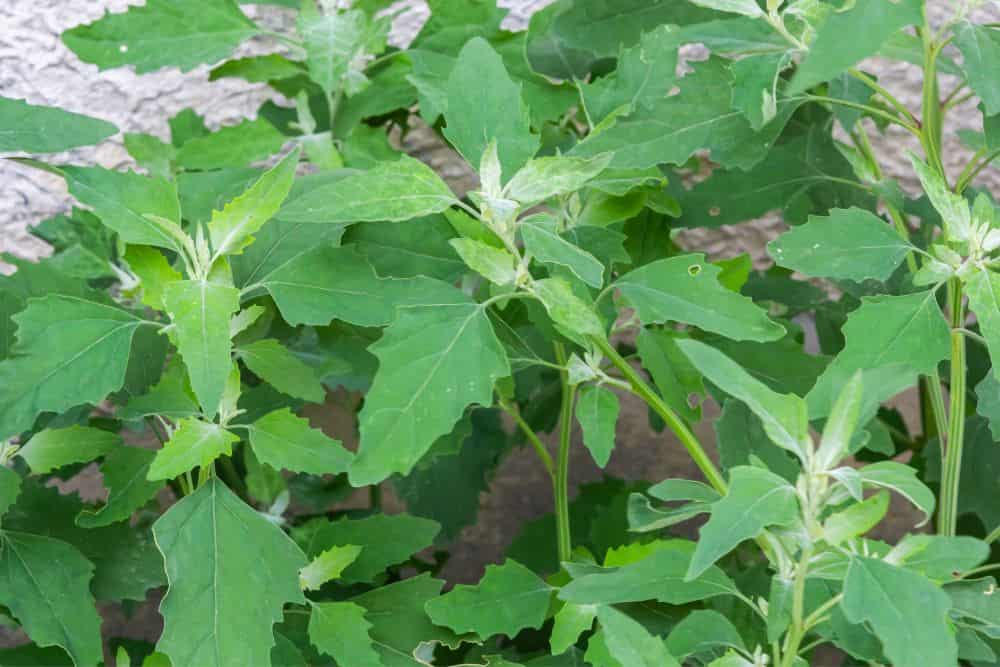
Lambs Quarter is related to quinoa and the seeds are often used as a substitute. A tea of the leaves is beneficial for diaorrhea, internal inflammation, stomach aches, and loss of appetite.
Nettle Urtica dioica
Stinging nettles are vibrant green weeds with a distinct herby flavour that’s rather like Arugula. They can be made into tea, soup, or a creamy pesto. As the name implies, they do have stinging hairs, so handle them with gloves until they’re cooked or dried

Once blanched or dried, you can enjoy the benefits without risk to your mouth, throat, and belly. Nettles are useful for a variety of inflammatory conditions such as arthritis and chronic myalgia.
Curly Dock Rumex crispus
Green Curly Dock leaves are lance-shaped with ruffles and sometimes red spots and veins. The leaves, fruits, and seeds are all edible. The leaves can be cooked into curries or baked into chips. The stalks are rather like rhubarb and benefit from being peeled before consumed. And you can grind the seeds to make a deliciously nutty-tasting flour too. Some dock species do contain a lot of oxalic acid though, so don’t eat too much at once.
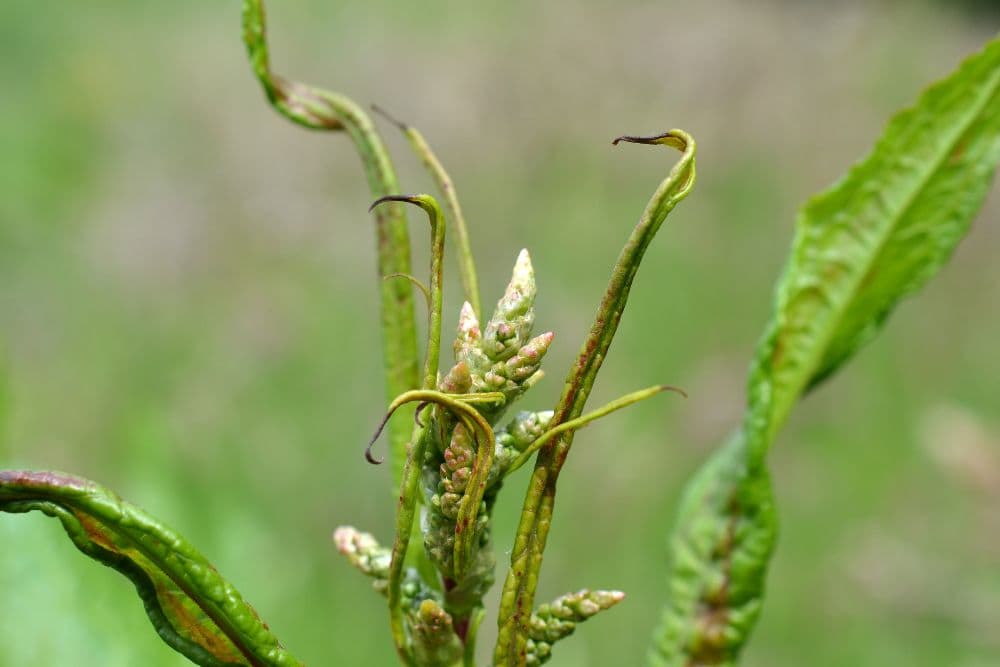
Health benefits include relieving constipation as the plant has a laxative effect. And its leaves are commonly used to soothe nettle stings – next to which, fortunately they often grow. Tip: crush a few leaves to produce the juice and rub gently over your stings to calm them down.
Plantain Plantago major
Plantain is a weed with a mild, pleasant, nutty flavour. The younger leaves are a great addition to salads or used as wraps like tortillas, while the older leaves can be battered, fried, or made into leafy green chips. The fresh seeds can be added to bread doughs, or ground as a wheat flour alternative. Plantain is loaded with many heart-healthy nutrients such as potassium, magnesium, Vitamin B6, and fibre.

One of the most popular traditional uses for this herb was to support lung health. Plantain leaves are rich in mucilage, a rich, gluey substance that moistens and coats the airways with a protective layer, reducing the irritation that causes a dry cough. Other medicinal uses for the leaves include making healing poultices for wounds.
Hairy Bittercress Cardamine hirsuta
Despite its name, Hairy Bittercress isn’t bitter, it has more of a mustardy, peppery note. You’ll most often run across in lawns, flower borders, or anywhere offering moist growing conditions. A rosette of small leaves forms the base for some small white flowers on upright stems.
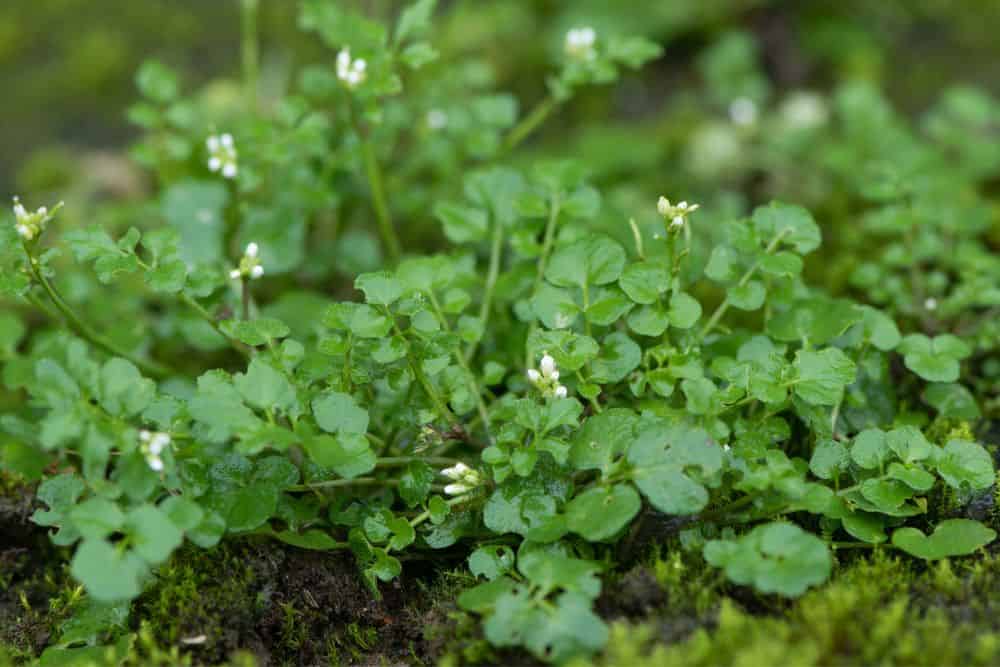
The entire plant is edible and has been used in traditional medicine to treat digestive problems, respiratory ailments, and skin conditions. Word of warning: speaking from personal experience, I can vouch that it self-seeds and grows rampantly, so you may find yourself constantly pulling it up by its (fortunately) shallow roots, as there’s always too much to eat.
Sweet Violet Viola odorata
Pretty little wild Sweet Violets love the woodland floor and are often used as a garnish for sweet and savoury dishes. You can use the leaves, flowers, and stems together in salads and soups. The flowers are often candied or made into violet jelly or violet syrup.
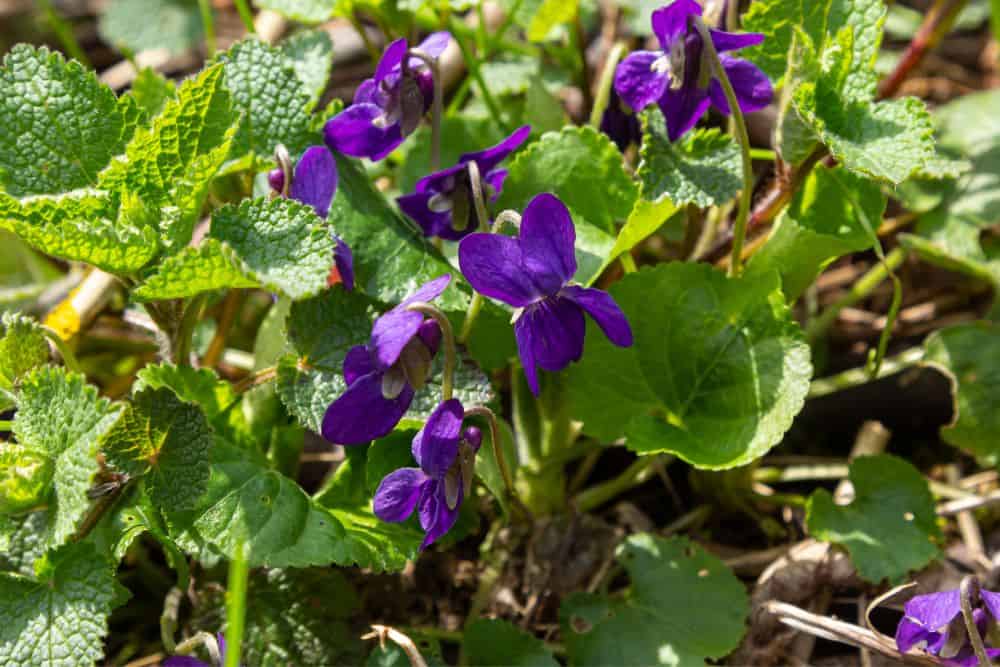
Both leaves and flowers contain a mild expectorant as well as demulcent properties, which help to break up chest congestion by thinning mucous and making it easier to cough up. The salicylic acid in the plant acts in the same way as aspirin, as a painkiller and an anti-inflammatory, so it’s useful to treat body aches and inflammation.
Yarrow Achillea millefolium
Yarrow is one of my favourite plants where I choose to grow it. However, it’s not so welcome in our lawn, where its extensive root system defies our attempts to pull it all out. That said, the tarragon-flavoured leaves are delicious used raw in salads as a garnish, so silver linings. And medicinally, yarrow is considered an invaluable herb to have around.

Traditionally used to help heal wounds and staunch bleeding thanks to its astringent qualities, it was also popular in European folk medicine to help improve digestion and relieve stomach and menstrual cramps.
Wild Garlic Allium vineale
Wild Garlic leaves are potent in flavour and a perfect addition to sauces, pestos, or even homemade garlic butter. Theirs isn’t a long season, so pick what you can, process it, and freeze it. The delicate white flowers are also edible, adding a more delicate garlicky garnish to dishes.

Tip: Wild Garlic leaves look very similar to the poisonous Lords and Ladies, so do take care when harvesting. Traditionally, Wild Garlic was a widely used medicinal herb treating ailments ranging from toothache, sore eyes, warts, measles, mumps, and even rheumatism.
Wood Sorrel Oxalis oregana
Wood sorrel is a tangy, lemony-tasting weed that’s an excellent addition to salads or used to flavour soups and sauces. Sorrel can also be made into a refreshing drink or dried in the sun.
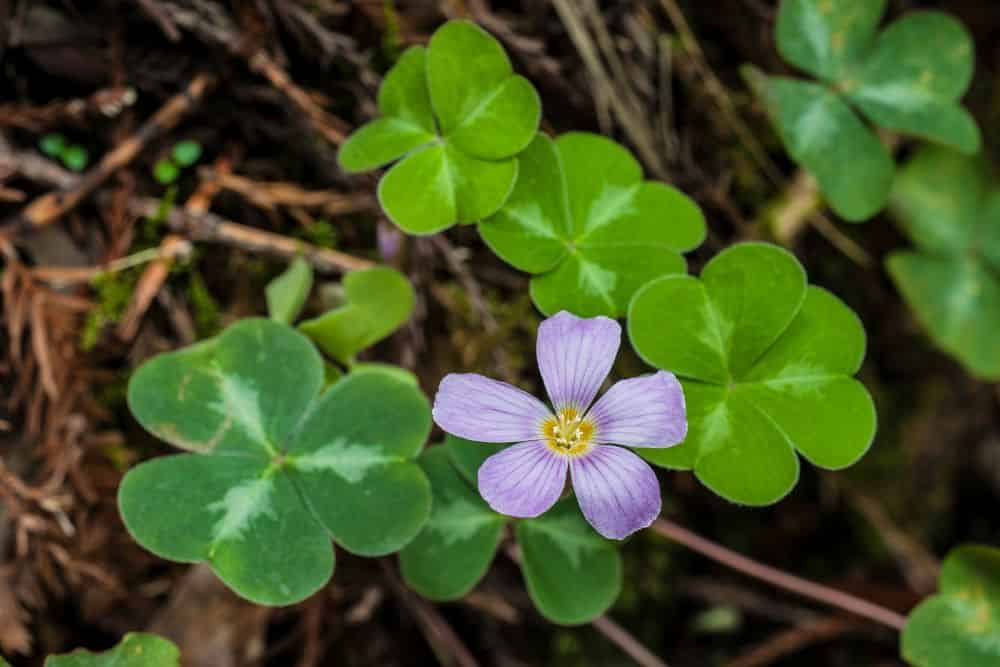
The fresh juice of the plant has been used as eye drops to ease sore eyes, and the leaves have been used as an antiseptic poultice, or wash, for wounds, burns, and insect bites. As with Dock, the plant should only be eaten in small quantities due to its oxalic acid content.
Amaranth Amaranthus cruentus
Amaranth has a nutty, slightly sweet flavour that can be used in many dishes, including salads, soups, and stir-fry dishes. Related to spinach, it can grow up to 6 feet tall, so it’s easy to spot in a garden. We grow red Amaranth, partly for the colour and partly because it’s delicious.
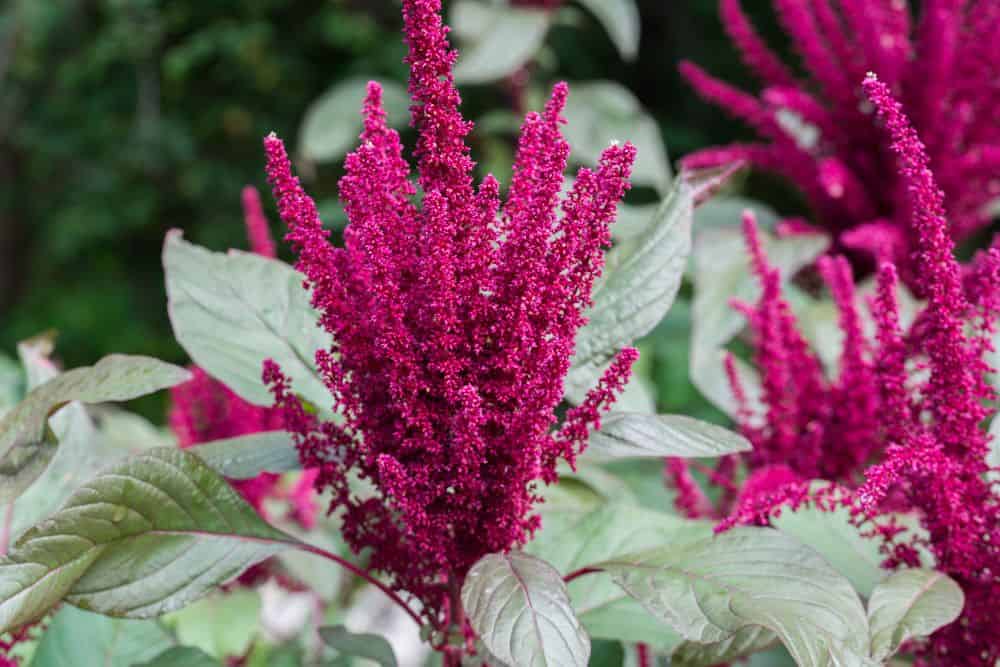
It’s also a nutritional powerhouse of Vitamins A, B, C, calcium, copper, magnesium, zinc, manganese, iron, fibre, protein, antioxidant, and anti-inflammatory properties. It may help lower cholesterol, aid weight loss, diarrhoea, ulcers, and is gluten-free too. Amaranth leaves and grains are known as a superfood because they’re beneficial for almost every organ of the body.
Mallow Malva neglecta
Mallow is a slightly sweet-tasting plant that has a viscous texture when cooked. The leaves are often used in the Middle East and can be added to soups or stews, cooked and used like spinach, or even baked into a sweet pie. The flowers are also edible and make great salad or cake decorations. After the flowers fade, you can also eat little yellow-green fruits before they dry out, when you can then harvest the seeds. And you can boil the roots to make homemade marshmallows.

Malva neglecta has a long history of traditional medicinal use in Europe. It was a ‘cure-all’ of Medieval herbal medicine used to treat conditions including sore gums, sore throats, stomach irritation, problems during childbirth, constipation, general aches and pains, coughs, and skin problems.
Fireweed Chamerion angustifolium
Fireweed loves moist soil and I see a lot of it near the ponds where I go running. It has long, lance-shaped leaves and pretty pink or purple flowers on long spikes atop three- to eight-foot-tall stalks. The shoots, stems, leaves, flowers, and roots are all edible, and can be lightly boiled or steamed like spinach. The inner stem is sweet and juicy, rather like cucumber. Apparently, Fireweed contains more Vitamin A and C than oranges!
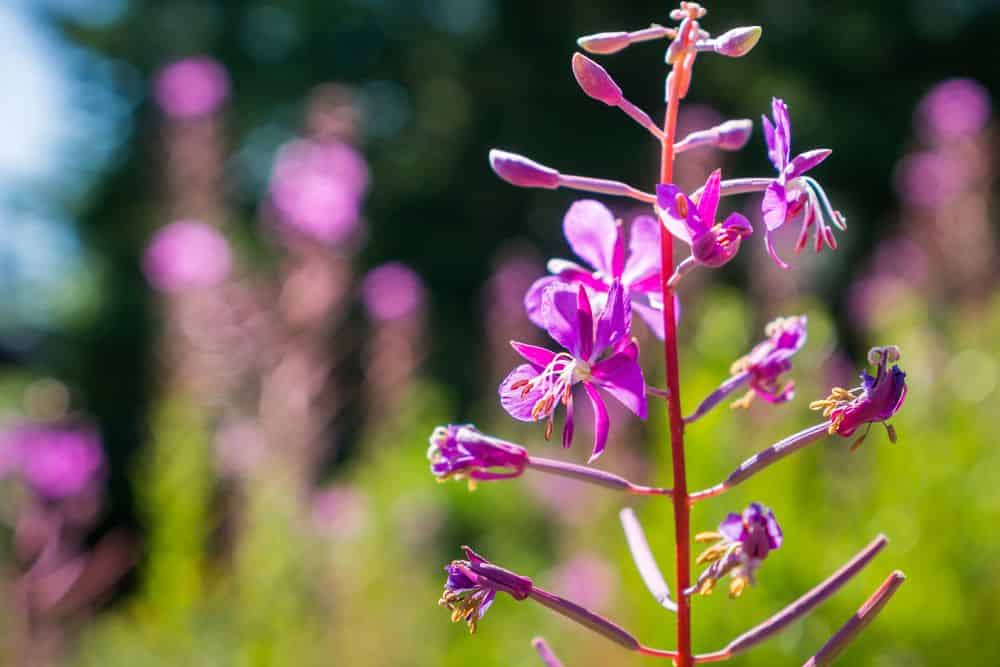
It was used in European and American folk medicine for skin complaints, whooping cough in children, asthma, and stomach disorders due to its astringent, antidiaorrhoeic, demulcent (soothing and anti-inflammatory), haemostatic (stops bleeding) and mildly antimicrobial properties.
Pineapple Weed Matricaria discoidea
Pineapple Weed looks a lot like Chamomile, to which it’s closely related. Often found in lawns, you can use the yellow flowers and feathery leaves in exactly the same way as Chamomile – in calming teas to relieve anxiety and treat insomnia.

Its antispasmodic and anti-inflammatory properties aid with menstrual cramps, and stomach and intestinal pains, and its analgesic properties can help when rubbed on insect bites or irritated skin. And yes, I promise you, it really does smell and taste of pineapple.
Self-Heal Prunella vulgaris
Mostly found in lawns (and in our orchard), Self-Heal’s oval leaves are topped by pretty little purple flowers in Summer. Also known as Heal All or Woundwort, people have used this relative of Mint to heal sore throats for centuries. You can eat the entire plant, roots and all, either cooked or raw.

Self-Heal can draw out infection, such as in an abscess, and is very beneficial in accelerating wound healing including burns and ulcers, as well as alleviating sore throats and fevers.
Cleavers Galium aparine
Also known as Sticky Weed, Sticky Willy, or Goose Grass, Cleavers’ shoots and leaves are edible, but they’re covered in tiny little jagged hooks. The best time to harvest Cleavers is from early March until mid-summer when they’re juicy, tender, and most nutritious but you can pick them all the way into early Autumn. Cook them as a green vegetable or infuse some leaves in boiling water to make a tea. You can also roast and grind the seeds as a coffee substitute.

The plant is used medicinally as a diuretic, to treat urinary tract infections, and topically as a salve to cool inflamed skin conditions such as eczema, acne, and psoriasis. A cooling Cleavers diuretic can move water and lymph out of the body through the urinary tract and soothe any accompanying inflammation. Because our lymphatic system is so closely connected to our immune system, taking Cleavers may also help move things along when experiencing sickness.
Foraging Tips for Edible Garden Weeds
If you’re new to foraging, I can recommend John White’s book, which I first came across courtesy of Hugh Fearnley-Whittingstall and River Cottage. The Forager’s Calendar* is a brilliantly engaging read, laid out clearly by month, with pictures, tips, and nuggets of wisdom. I’ve read it cover to cover many times, because it’s so easy to keep in your bag while you’re out on a walk:

I’m also a member of UK Wild Food Larder on Facebook, which is an absolute a TROVE, so many hints, tips, recipes, and more. Meantime, here are some things to bear in mind, before you head out on your first forage:
- Never eat anything you’re unsure of. Some weeds, and their flower, are toxic
- Take no more than you plan to consume, to avoid waste
- Only collect flowers, leaves, fruits and seeds where they’re growing in abundance
- Do not collect any rare species
- Check the Wildlife and Countryside Act 1981 to ensure you’re not picking anything illegally
Edible Garden Weeds – 3 Top Growing Tips:
- Many edible garden weeds prefer sunny areas with well-drained soil, so choose a suitable spot in your garden
- Some weeds, such as Purslane, thrive in dry and hot conditions, while others, like Nettles prefer moist soil
- Consider companion planting to prevent weeds taking over, and encourage healthy plant growth.
Edible Garden Weeds – 3 Handy Harvesting Tips:
- Harvest weeds in the morning when they’re at their freshest and most flavourful
- Select young, tender shoots and leaves for the best taste and texture
- Only harvest weeds from pesticide-free areas, you don’t want anything that’s been sprayed with harmful chemicals (nor watered by dogs…)
Go Forth and Forage
With the ever increasing cost of living impacting fresh fruits and vegetables as well as the spiralling obesity crisis, don’t you think it’s time to hark back at how Nature can help us? Incorporating edible garden weeds into your diet can be a great fun and super healthy way to switch up your meals, as well as adding some variety to your outside space. Just make sure you carry out some research beforehand, to identify your weeds before harvesting and consuming, and to avoid any unwanted side effects.
How many of my 20 common garden weeds do you recognise? There are plenty more out there, but this is a blog, not a book! Anyway, I hope I’ve given you a taste of what you can forage for free, and a few good reasons why you should. Do let me know how you get on – happy hunting!
* This post contains affiliate links – please see my Disclaimer.

Fascinating post. I knew about nettles but I had no idea dandelion and clover were edible. Thanks for sharing.
Thank you – it’s amazing what’s out there!
I love sorrel, my parents used to have some on the allotment which I would snack on! I knew that most of these were edible, but I have never been brave enough to try them (apart from wild garlic). Thank you for sharing, they all have lots of medicinal benefits 🙂
Thank you, Caroline, you know more than me – there were a couple in here I wasn’t completely sure about before I started researching the post!
I used to eat various garden weeds as a child when I lived in Cornwall, I forget what they were now, but this was great to read through and see just how many things there are like this. The natural world really is a wonder!
Oh yes, it is, I do often wonder why we keep tinkering with things when Nature has so many of the answers. 🙂
Some new ones on the list for me, thanks for sharing. As an Italian, we grew up with dandelion (cicoria), and I drink nettle tea every morning!
You’re very welcome – yes, I believe dandelions are used in an Italian stew? And you’re braver than me to drink nettle tea, although I do like cleaver from time to time!
Ok, I honestly didn’t know that there were weeds out there that are edible! This is such a brilliant post, full of things I never knew about whatsoever! x
Lucy | http://www.lucymary.co.uk
Ah, thank you, Lucy, that’s so kind – hopefully I’ve converted you to try a few then! x
This was so fascinating to read! I never knew that weeds were edible and contained health benefits. I have plenty of weeds in my garden at the moment, I may have to add them into my diet x
Thank you – and yes, do it, do it, do it! Let me know which ones you like best!
This is so interesting, I didn’t know any were edible!
There are a lot more than these 20, but I had to draw the line somewhere!
I learned so much from this post! I found out that dandelions were edible a few years ago, and I definitely want to try making dandelion honey now! Also, nettle grows a lot around here, but I have never been brave enough to pick some.
Ah, thank you, that’s great to hear. Definitely give dandelion honey a go, it’s a bit of a faff but worth it. And get some stout gloves for your nettles!
Oh wow!!! I don’t know some of these weeds are edible. They look good and sound healthy as well. Thank you for sharing.
I’ve not tried that many myself yet, but I’m looking forward to changing that this year!
I was watching a cooking programme at the weekend where they cooked with flowers. I find it really interesting. I wouldn’t know these are edible.
Oh yes, lots of flowers are edible. As well as the ones listed here you can eat borage, magnolia, dahlia, pansies, lavender, nasturtium, cornflower, honeysuckle, rose, and more. Maybe I should do a post about them?!
I had no idea so many of these weeds are edible! Thank you so much for sharing all of this information! 🙂 I hope you have a great week!
Thank you, I’m glad you found it useful 🙂
This is incredible! I had no idea so many weeds in our gardens are actually edible. Great post! 🙂
Thank you so much, I’m so pleased you found it useful 🙂
These are such fun ideas. Talk about a creative and tasty way to upgrade salads and other dishes. I was especially drawn to the violet and hairy bittercress… I need to try these!! Also, thanks for sharing links for the seeds. So helpful!!
Thank you, Heidi, I hope you have lots of fun creating some fabulously delicious and nutritious weeds-based dishes!
I grow edible flowers and some weeds too. Nettle is often used in Romania to make a stew, one can buy them from the farmer’s market.
I didn’t know all the ones you shared.
Oh that’s interesting about nettle stew – not too dissimilar to nettle soup then.
I knew about some of these like Dandelion but many of these weeds I had no idea. So many great ideas and information here. So funny what people like to dismiss as undesirable.
Allie
That’s so true, I do think we can learn a lot from the old ways 🙂