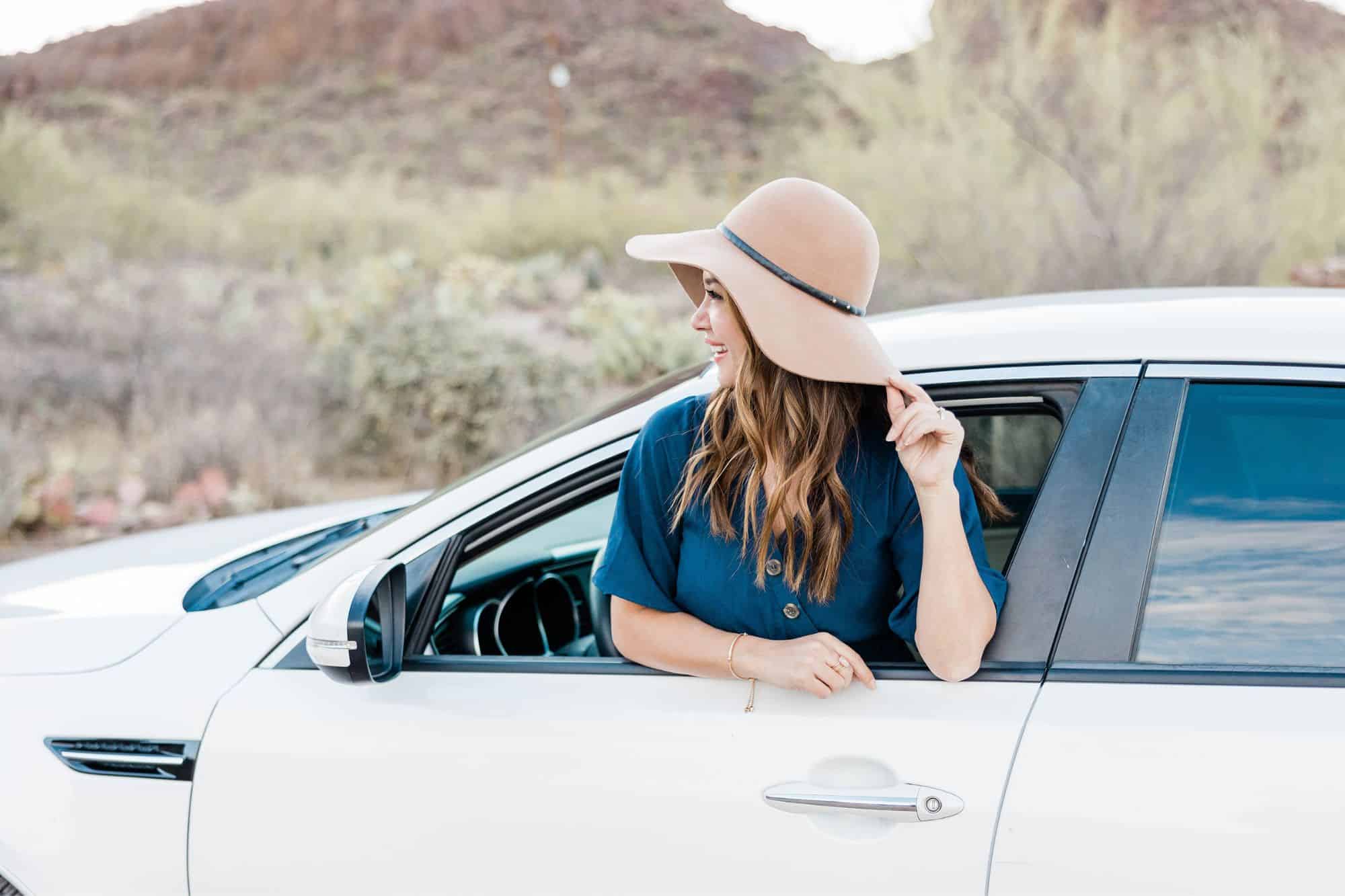
AD | Style isn’t limited to what someone wears. It shapes how we live, decorate, and even move through the world. The choices we make about our homes, routines, and daily essentials all carry traces of our personal aesthetic.
Cars, often overlooked in this conversation, are a surprisingly powerful extension of that style. They combine function with form and, for many of us, become an expression of taste, values, and identity.
From bold paintwork to soft interiors, vehicle design choices often mirror the same preferences found in wardrobes. Personal style doesn’t pause at the closet door. It keeps driving forward, straight into the driver’s seat.
Cars As Mobile Extensions of Personality
A car is more than a mode of transport. For many of us, it’s an extension of identity. It’s a space that reflects personal values, lifestyle, and design preferences.
Just as some gravitate toward vintage silhouettes in clothing, others prefer the retro charm of classic car models. The same way minimalists might choose structured coats and neutral tones, they often lean toward sleek exteriors and quiet interiors.
Design choices in cars reflect similar instincts found in fashion. Even subtle elements such as dashboard finishes or seat stitching can echo the tactile and visual preferences seen in our wardrobes. It’s about consistency in taste, whether wrapped around shoulders or under the steering wheel.
Wheels, in particular, often highlight how style blends with performance. For instance, selecting Corvette C8 rims isn’t only about enhancing speed or grip. It also shows a preference for a bold, polished look that aligns with a driver’s wider sense of style. Here, function meets fashion – just on a different kind of runway.
Color Choices and Emotional Resonance
Color plays a central role in expressing personal style. In fashion, it shapes mood and mood shapes perception. The same idea carries into car design. If you’re drawn to deep blues or crisp whites in your wardrobe, you’ll often mirror those tones in your vehicle’s exterior or interior details.
Psychologists have long noted how color influences emotion. A bold red jacket may project confidence, just as a red car might signal boldness or energy. Muted palettes, by contrast, often suggest restraint, calm, or elegance. These choices are rarely random. They reflect deeper personality traits and emotional instincts.
When we select car colors, we’re often working with the same emotional palette we use when dressing. The shade of a coat and the hue of a car’s finish both help tell a cohesive story. In both cases, color becomes a way of expressing identity without needing words.
Material and Texture: From Fabrics to Interiors
We often respond to texture before we even realise it. In fashion, soft knits, crisp cottons, or smooth silks all signal different moods and preferences. These tactile choices speak to comfort, elegance, and personality.
In cars, texture plays a similar role. Materials like leather, brushed metal, or natural wood trim create a sensory experience that mirrors those fashion instincts. The finish on a dashboard or the stitching on a seat isn’t chosen at random. It aligns with our preferences for touch, tone, and quality.
If you’re someone who values natural fibres at home, you may gravitate toward warmer, more organic materials inside a car. Or, if you prefer structure and polish, you’re likely to choose interiors that reflect precision and control. Across both settings, texture becomes a quiet but powerful expression of taste.
Functional vs. Personal Style: Balancing Aesthetics with Practicality
Style isn’t always about standing out. For many of us, it’s about simplifying decisions and creating ease. The same person who keeps a streamlined wardrobe often applies that logic to their car choices, prioritising comfort, efficiency, and control.
Practicality can be just as expressive as bold design. A well-cut coat that suits every season says something about how you value flexibility. Similarly, a car with intuitive features and a clean, cohesive layout reveals a preference for thoughtful function over clutter.
When personal style leans toward practical elegance, both fashion and automotive choices reflect it. A structured handbag and a well-organised console do the same job, just in different settings. They support daily life while quietly showcasing what matters most.
Accessories and Custom Details
Personal style often shines brightest in the details. A belt, a pair of earrings, or a signature watch can completely change the tone of an outfit. These accessories aren’t just decorative. They add depth, contrast, and a sense of individuality.
In cars, custom features serve a similar purpose. Small touches like personalised number plates, stitched headrests, or ambient lighting reflect your attention to detail. They don’t alter the function of your car but they do elevate its character, much like a handbag or scarf completes a look.
These finishing touches say more than they seem. They show care, creativity, and a desire to create harmony between form and function. Just like a statement necklace can transform a plain dress, thoughtful car details make a vehicle feel more personal and aligned with your personal aesthetic.
Seasonal Shifts in Taste and Driving Habits
Style naturally evolves with the seasons. Wardrobes shift from breezy linens to chunky knits, not only for comfort but also to reflect changing moods and environments. These updates help us stay practical while expressing our evolving aesthetic.
Cars adapt in much the same way. A convertible suits sunny days and open roads, while colder months call for features like heated seats or soft-touch interiors. These changes blend comfort with seasonal awareness.
Just as accessories like scarves or sunglasses rotate throughout the year, car owners often change floor mats, seat covers, or detailing routines. Each update mirrors how we refresh our look and space to suit the seasons.
And seasonal maintenance also becomes part of the styling process. From summer wax coats that enhance shine to winter tyres and protective finishes, practical changes echo the same instincts that guide seasonal wardrobe swaps. Style, after all, follows the weather.
Wrapping Up
Style doesn’t stop at clothing. It extends into daily choices, shaping how we live and what we do. Cars are part of that story, not separate from it.
When personal preferences show up consistently across fashion, interiors, and vehicles, they create a clear expression of identity. These patterns aren’t always intentional, but they’re rarely accidental.
Your car, like a favourite coat or a well-designed home, says something without speaking. It reflects your taste, habits, and values, all through design choices that feel natural and personal to you.
Beyond financial reasons, have you ever stopped to think about why you opted for a particular model, color, or finish on your car? Does your choice of car match your personal style too?
* This is a collaborative post – please see my Disclaimer.

One of the best examples when it comes to cars is that I avoid leather. I am not wearing leather and I am avoiding cars that have leather seats. Luckily there are loads of options these days, both fabric and faux leather.
Yes, I agree, there are plenty of faux options around – I’m a big fan of fabric anyway, it’s cosier.
I wish dealerships would have more than the regular silver/black/white on lots (with a handful of blue to shake things up). I would be nice to have more color options that are accessible! No shops around here to get a custom color for your car.
Ah, that’s a shame – we’re luckier over here in the UK, we have a more varied colour palette to choose from!