
AD | Unless you’ve been hiding under a rock, you can’t have failed to notice the recent buzz around the menopause, its symptoms, and how it adversely affects women. Night sweats are one of the more common (and debilitating) symptoms of menopause. They’re very similar to hot flashes, only they happen at night. So not only do they interrupt sleep, they can also aggravate other symptoms of this transitional period. If you’re looking for ways to relieve night sweats during menopause, here are some coping strategies for hot flash relief and to support overall health.
What Causes Night Sweats During Menopause?
Unfortunately, the underlying causes can be complex and varied. From fluctuating hormonal levels to lifestyle factors, there are many potential and disruptive issues that can lead to perimenopausal and menopausal night sweats. Fortunately, there are some effective steps you can take to reduce their severity and frequency.
Switch To An Anti-Inflammatory Diet
Your diet can significantly affect menopause symptoms. Doctors increasingly recognise how certain foods contribute to inflammation while others appear to combat it. Focusing on these anti-inflammatory foods helps support overall health and bodily functions. Some examples you might consider adding include fatty fish, berries, nuts, green leafy vegetables, and olive oil to your diet.

In addition to embracing anti-inflammatory foods, reducing the consumption of specific suspect trigger foods is also a good idea. Examples of food that that may contribute to hot flashes include spicy foods, caffeine, alcohol, and hot beverages. So, you could try drinking some cold water with some lemon essential oil or slice of lemon instead of a hot cup of tea before bed, for example. This will cool you down and may help relieve any potential night sweats during menopause.
Use Natural Hormone Support
During menopause, estrogen levels decrease. Hot flashes, night sweats, and sleep difficulties are among the most common effects of low estrogen associated with menopause. Natural hormone support with S-equol can reduce the impact of declining estrogen levels as S-equol has a similar structure as estrogen and can mimic some of its actions. If you’d like to learn more about this naturally occurring chemical, and how it can help, try researching topics such as “what is S-equol?”
Make Exercise a Habit
Regular exercise is vital to improving your overall health and wellness for several reasons. For starters, it supports things including:
- Healthy weight
- Cardiovascular health
- Positive self-image
- Lower stress levels
It may also help relieve night sweats during menopause as well as some of the other more common symptoms associated with this time of life. Exercise affects the release of hormones and endorphins in the body, fuelling feelings of happiness after workout or a run, and it also helps regulate levels of many other body chemicals too. Try to get about 30 minutes of physical activity daily to maximise this benefit.
Practice Relaxation Techniques
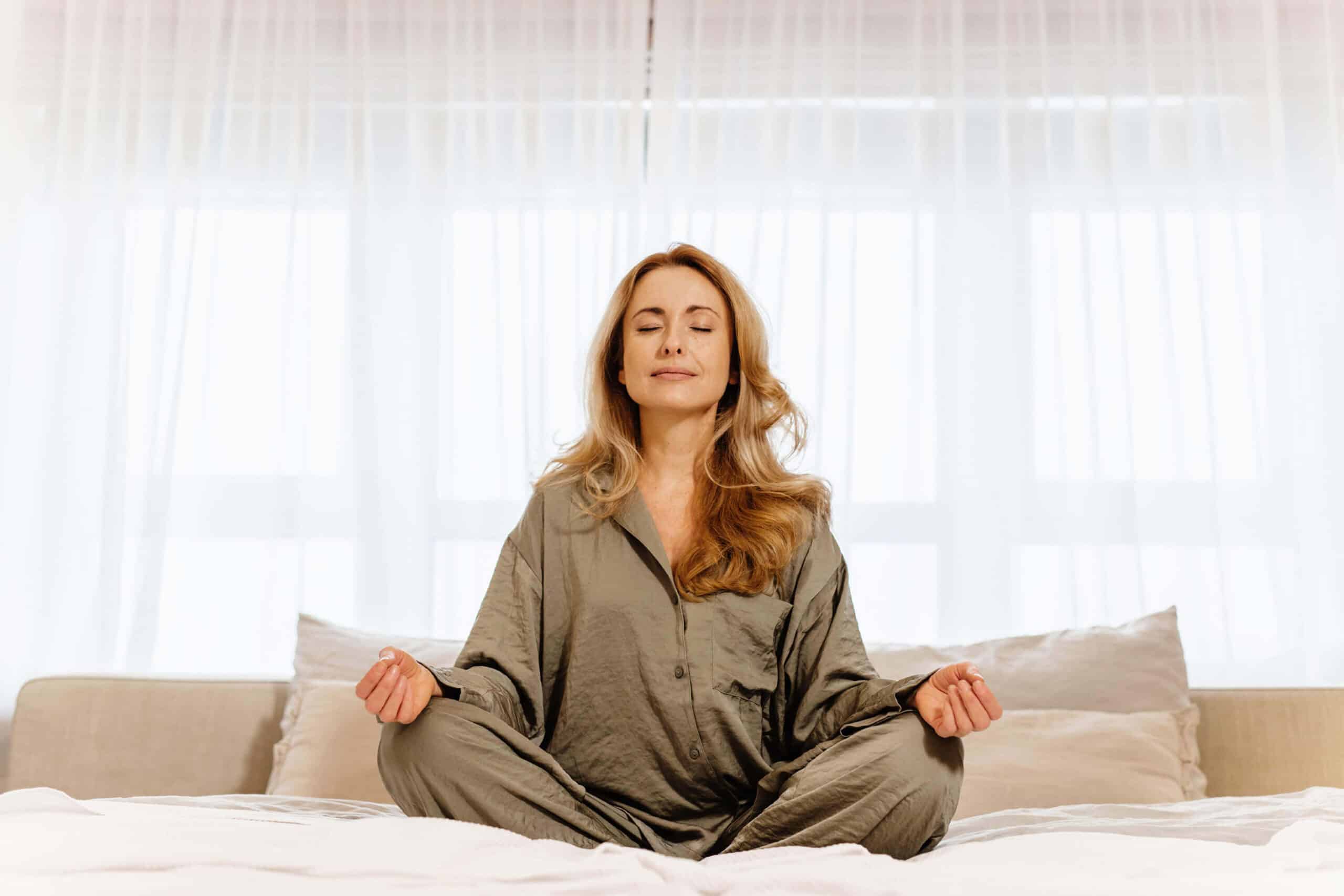
Reducing stress helps with various health conditions, including menopause, so research positive ways to combat stress, such as mindful meditation. Despite what many people think, meditation is simple to learn and very easy to incorporate into your daily routine. Try starting with a short breath meditation and then work up to longer sessions as you get more comfortable. Sticking to a realistic schedule, managing tasks, and taking breaks to allow yourself time to recharge can also help.
Adjust Your Bedroom Temperature
When night sweats rob you of good quality rest, turning the thermostat down a few degrees may help, as does leaving your window slightly open for some fresh air. A cooler bedroom won’t automatically make night sweats disappear, but it can make them more tolerable. It can also help you get a better night’s sleep, leaving you rested and in a better place to deal with all the other menopause symptoms.
So, as you can see, you don’t have to suffer silently from postmenopausal sleep problems such as night sweats. Instead, why not focus on some tried and trusted strategies, such as regular exercising, natural hormone support, and relaxation techniques, to help make night sweats more manageable?
* This is a collaborative post – please see my Disclaimer.


There is a lot of buzz surrounding menopause in the last couple of years or so and I think that’s great. This is something that affects half of the population and we all should know what to expect.
Absolutely, I’ve never understood how or why we need to struggle so much with something so debilitating that we literally have no control over.
If there’s one thing I’m grateful for Internet and social media platforms for is bringing awareness to a wider audience. Menopause and it’s adverse effects are one such awareness and I’m all for it. Too many women have suffered (thinking they’re going mad), their relationships too, their jobs, you name it, all because we weren’t aware.
Yes, that’s absolutely right, and it’s great that there’s so much more awareness now. Long overdue and much needed.