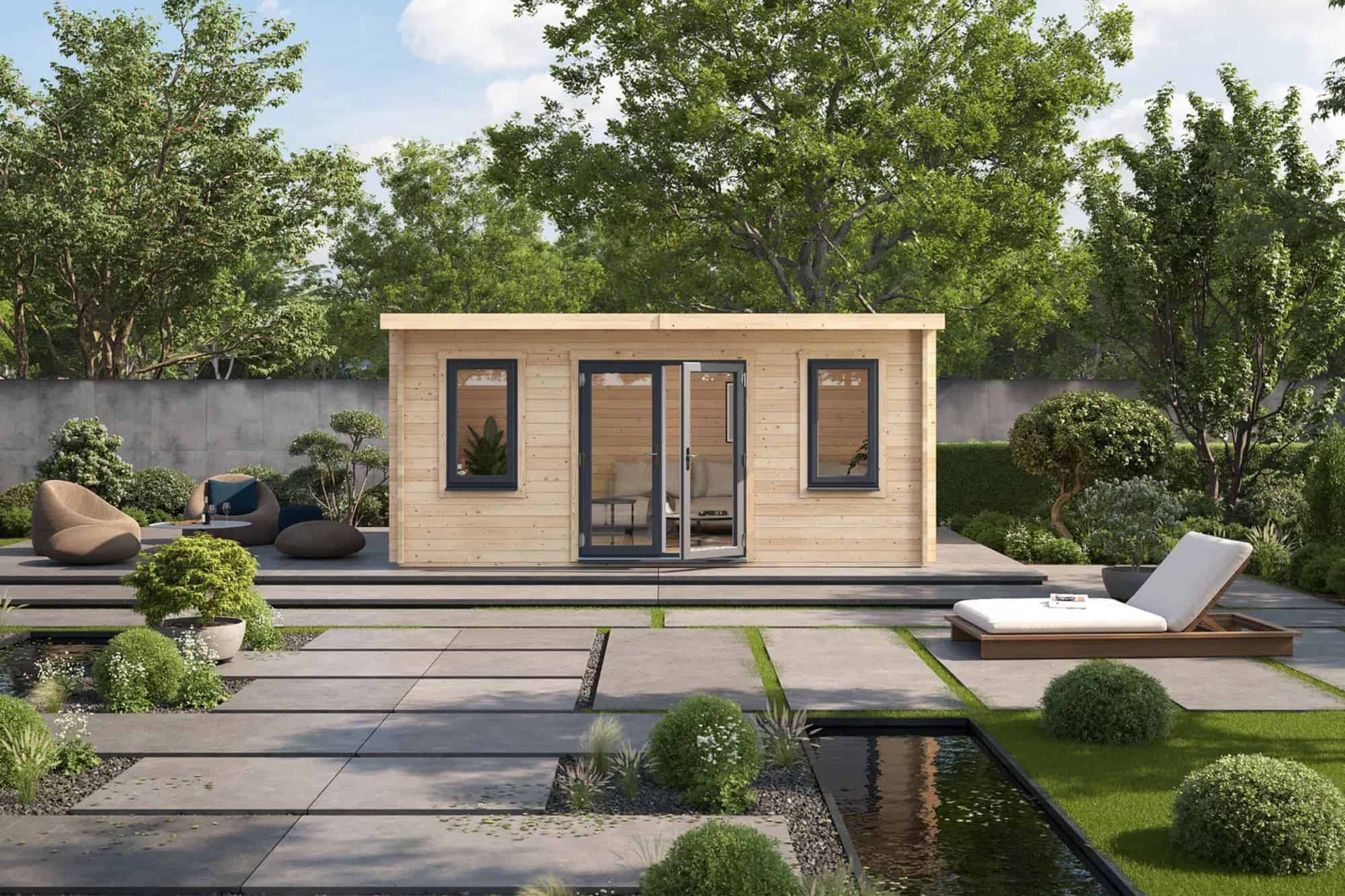
AD | Most gardens have one area that quietly does nothing. It may sit behind the shed, along the back fence, or in a corner that never quite found a purpose. The lawn stops there, the furniture never reaches it, and over time it becomes simply “the end of the garden.” More and more of us have begun to rethink the role of the garden in recent years. Rather than seeing it purely as somewhere for decoration and relaxation, that garden space is often now viewed as an additional usable building and room.
What Makes a Garden Building Genuinely Useful?
A garden building only becomes valuable if you use it regularly. And that usually depends on practical decisions rather than decoration. Such as, enough internal space for normal furniture, windows that allow daylight without exposing the interior to all your neighbours, and doors that open easily and close securely.
Another factor to think about: layout matters more than appearance. A room that can hold a desk today and a hobby table next year is far more useful than one designed for a single purpose. The best garden spaces are the ones that adapt alongside you, rather than locking you into a single use from the start.
When manufacturers design and produce garden buildings, these details are often considered early in the process. The structure arrives ready to become part of your daily life rather than something that requires constant adjustment. This approach also helps ensure the new building fits naturally into your garden and functions reliably over time.
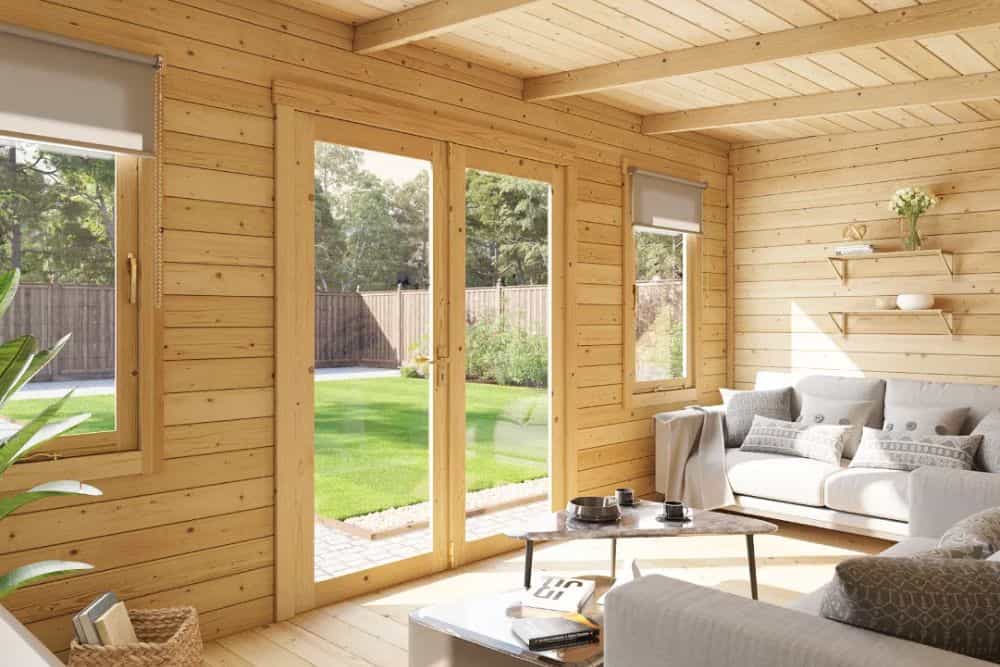
A Work-From-Home Space Outside Your House
Many of us try and work from home using whatever space is available. It’s doable for a while, but then the interruptions start. Phone calls overlap with kitchen noise. Video meetings compete with family routines. Work slowly spreads across rooms that were never meant to hold it.
This is why a garden office has become such a practical solution. It creates distance without forcing a long, tiring commute. Your workday starts by walking across the garden rather than travelling across town.
According to outdoor office experts Garden Buildings Direct, many remote workers have opted for a kind of “office shed” to offer a separate room away from the house, as it creates a cleaner working environment. Household noise and movement remain outside that space. And when your work day is over, returning to the house actually feels like you’ve finished work. The mental boundary that a separate garden space provides is something that no amount of rearranging furniture indoors can quite replicate.
When looking at the financial side of creating a workspace outdoors, in certain situations there may be tax considerations if you use the building primarily for running your own business. And this is why many people ask the same question: Is a garden office tax deductible?
In most cases, the building itself can’t be claimed as a tax deduction. However, certain business equipment or running costs may qualify. It’s always worth checking the details and speaking with a tax professional before making a decision.
A Quiet Room That’s Not Part of Your Main House
Not every extra space needs to be productive. Some of us simply want a room where the pace of the house doesn’t follow us. And a small garden room can fill that role surprisingly well. It might hold a comfortable chair, a small table, perhaps a shelf with books or sketchpads.
The important factor is the distance. Even a short walk across the garden changes how the space feels. A room placed just a little way away from the main house can feel far more secluded than any space inside. It’s not about size, it’s about separation. That small shift in physical location is often enough to change how you think, breathe, and unwind.
Landscape designers often place these structures where trees, hedges or planting soften the surroundings. The building becomes part of the garden rather than something placed on top of it. Done well, a garden space like this feels less like an addition and more like it was always meant to be there.
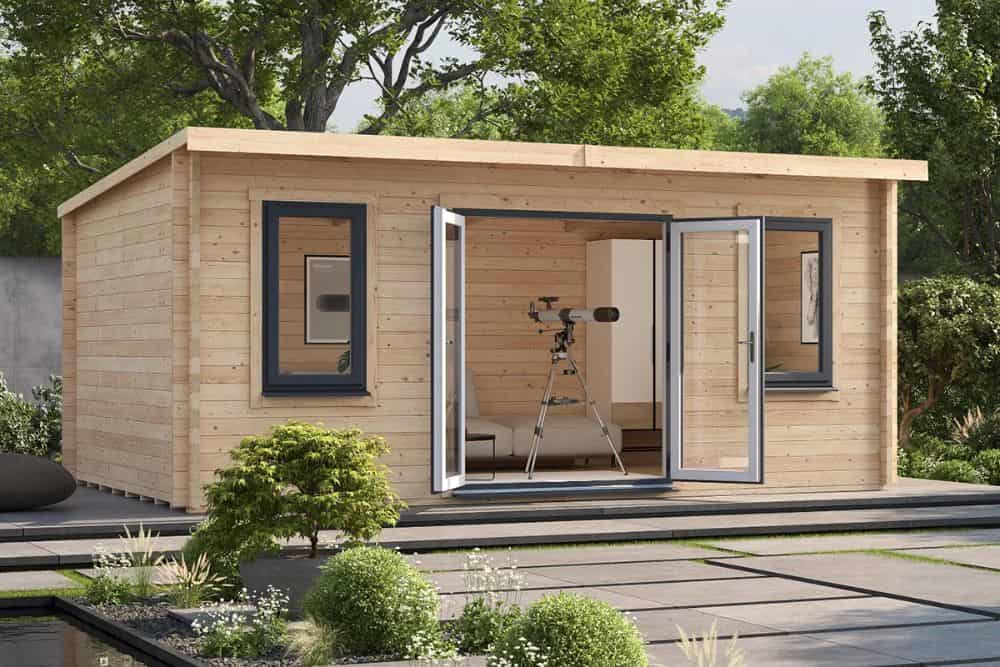
Space for Hobbies, Tools, and Unfinished Projects
Creative hobbies rarely fit comfortably inside busy homes, do they? Paints spread across tables, photography equipment takes up floor space, musical instruments need somewhere quiet to practice. Even simple activities like model building or woodworking need surfaces that can remain undisturbed.
Garden buildings solve that problem in a simple way. The project stays where it is, nothing needs to be packed away every evening. Your activity room simply waits until the next session. That alone – not having to dismantle everything before dinner – makes a meaningful difference to how often you actually pick a hobby back up.
Over time, many of these spaces evolve. A hobby room becomes a small workshop, and a workshop becomes a studio. The structure remains the same, but its role shifts with the household. One of the quiet advantages of treating outdoor garden space this way is that it grows with you.
When Unused Garden Space Becomes the Most Useful Part of Your Property
Unused space rarely stays that way once it gains a clear purpose. What used to be an empty corner of grass can become the place where work happens, ideas develop, or quiet moments appear during busy weeks. And this change doesn’t require altering the house itself, because it’s just using the land in a different way.
It’s also worth considering how much of our garden space goes unnoticed simply because we’ve never stopped to imagine it differently. A patch of lawn at the far end of the garden isn’t a problem to be solved, it’s an opportunity waiting for a plan.
With a well-placed structure and a bit of careful planning, the bottom end of your garden can become the room that everyone uses the most. And interestingly, it’s often the room that feels furthest away from everything else.
Do you have any unused space at the bottom of your garden? Would you consider building a garden room there?
* This is a collaborative post – please see my Disclaimer.



I don’t think I have any unused spaces large enough for something like this! Definitely have tucked berry bushes in hidden nooks and crannies, though.
Maybe a pergola with a retractable roof? 🙂