
AD | Deep in south west Germany, the Black Forest is a place where time seems to move at its own pace. Rolling hills give way to dense woods, farmhouses sit in green valleys, and church bells mark the hours. But it’s another sound — the cheerful call of the cuckoo — that has made this region famous worldwide. Following the Cuckoo Clock Trail is a journey into the heart of Black Forest craftsmanship, folklore, and hospitality. And each stop offers not only clocks but also a sense of connection to the traditions that have shaped this region for centuries.
The Black Forest Cuckoo Clock Trail Guide
Triberg: The Starting Point
Triberg is often considered the home of the cuckoo clock. The town itself is picturesque, with steep streets, timbered houses, and Germany’s highest waterfalls just a short walk away. Begin your exploration here by visiting one of the famous clock shops where thousands of hand-carved cuckoo clocks tick and chime in unison.
Some shops include demonstrations, showing how the bellows and gears work together to create the distinctive sound. It’s fascinating to watch artisans carving wooden figurines, carefully painting clock faces, and assembling mechanisms by hand.
House of 1,000 Clocks and Beyond
A must-stop is the so-called House of 1,000 Clocks, a combination shop and museum where you can trace the history of cuckoo clock design from simple farmhouse pieces to elaborate creations with dancing figures, music boxes, and moving woodcutters.
Nearby, you’ll find the world’s largest cuckoo clock — big enough to walk inside. Every half hour, a giant wooden bird emerges to announce the time, a playful reminder that this tradition is both serious craft and whimsical art.
Villages on the Trail
From Triberg, follow the B33 road or the quieter cycling and walking routes that link villages like Schonach, Furtwangen, and Hornberg. Each has its own charm and clockmaking heritage.
Furtwangen is home to the German Clock Museum, where you can see everything from medieval tower clocks to sleek mid-century modern designs. The exhibits reveal how clockmaking shaped the economy of the Black Forest, turning long winters into productive months when farmers became craftsmen.
Hornberg offers a romantic castle ruin with sweeping views over the Gutach Valley, perfect for a picnic stop. Some of the villages have traditional clockmaker’s houses open to visitors, with kitchens and workshops preserved as they were two centuries ago.
Riding Between Stops
Exploring by bike adds another layer of charm to your journey. The roads climb and descend gently, passing through open meadows and deep spruce forests. Along the way you might stop for Black Forest cake at a country inn, or sample kirsch brandy made from local cherries.
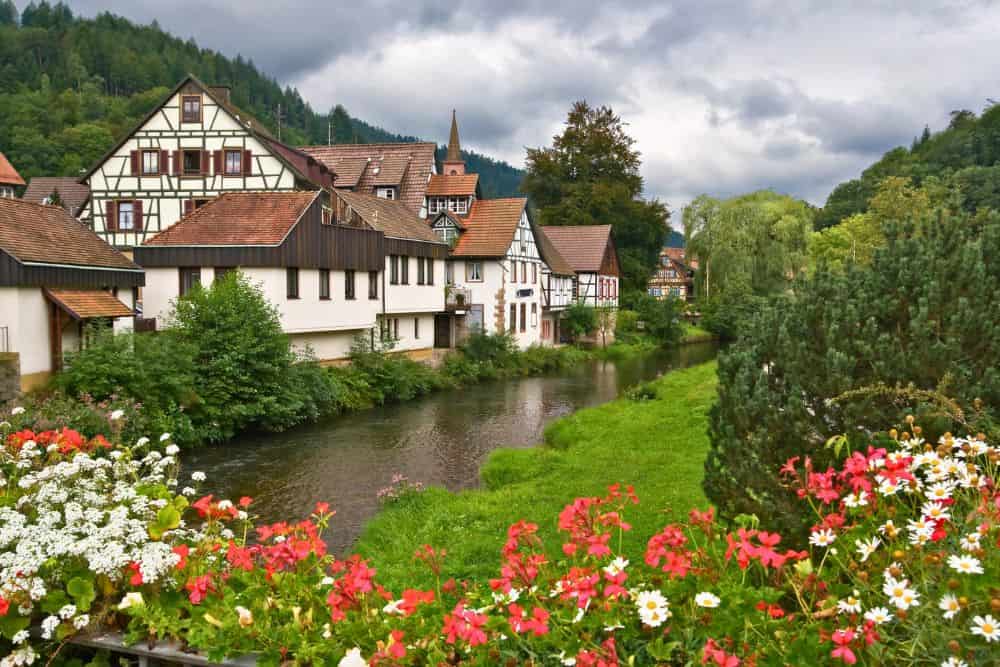
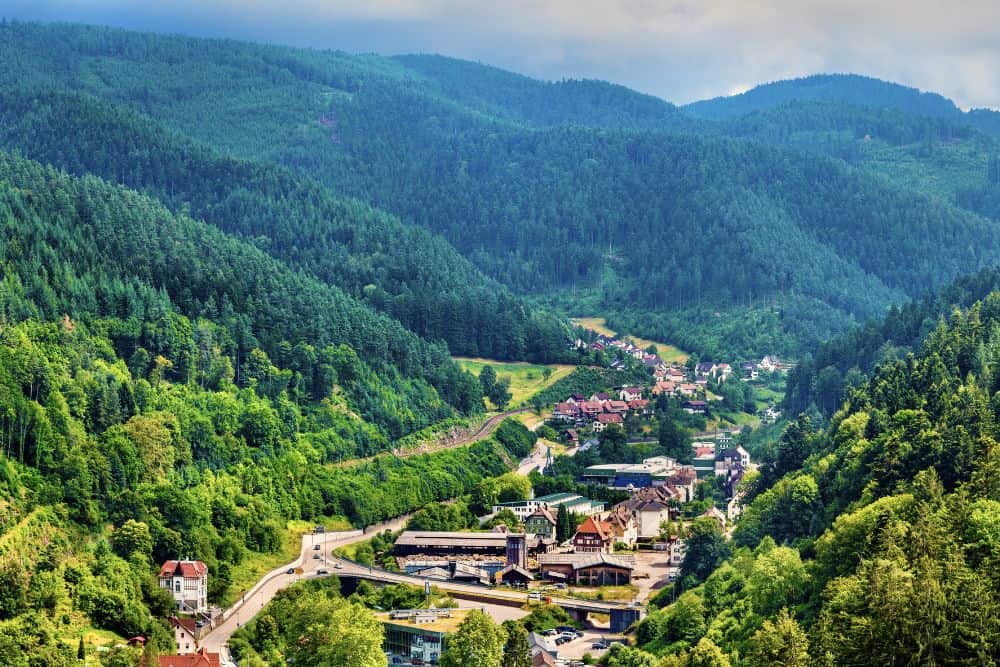
Many Germany cycling tours include this region as a highlight, combining the Cuckoo Clock Trail with other cultural experiences such as Freiburg’s cathedral square, Baden wine country, and spa towns. Riding between stops allows you to experience the slow rhythm of the landscape, much like the clocks that measure the hours.
Folklore and Storytelling
No trip to the Black Forest would be complete without diving into its legends. The same valleys that inspired clockmakers also inspired the Brothers Grimm, who collected tales of witches, wolves, and mysterious woods. Many inns and museums along the trail share these stories, and some even host evening storytelling sessions where you can hear the fairy tales where they were first told.
There’s something fitting about hearing these tales while surrounded by ticking clocks — a reminder of the passing hours and the enduring nature of stories passed down through generations.
Staying the Night
For the full experience, spend a night in a traditional Black Forest farmhouse inn. These guesthouses often have low-beamed ceilings, wood-burning stoves, and flower boxes overflowing with geraniums.
Evening meals might include venison from the forest, spätzle, and local wine, followed by a slice of Schwarzwälder Kirschtorte — the real Black Forest cake, soaked in cherry brandy and layered with cream.
At night, the forest grows quiet, and you may only hear the faint ticking of a clock in the hallway, lulling you to sleep.
Craftsmanship in the Modern Era
While mass-produced cuckoo clocks exist, the Black Forest artisans continue to make them the old way — with linden wood carvings, mechanical movements, and careful attention to detail. Some workshops even allow visitors to commission a clock and watch as it’s made, choosing designs and features to turn it into a very personal family heirloom.
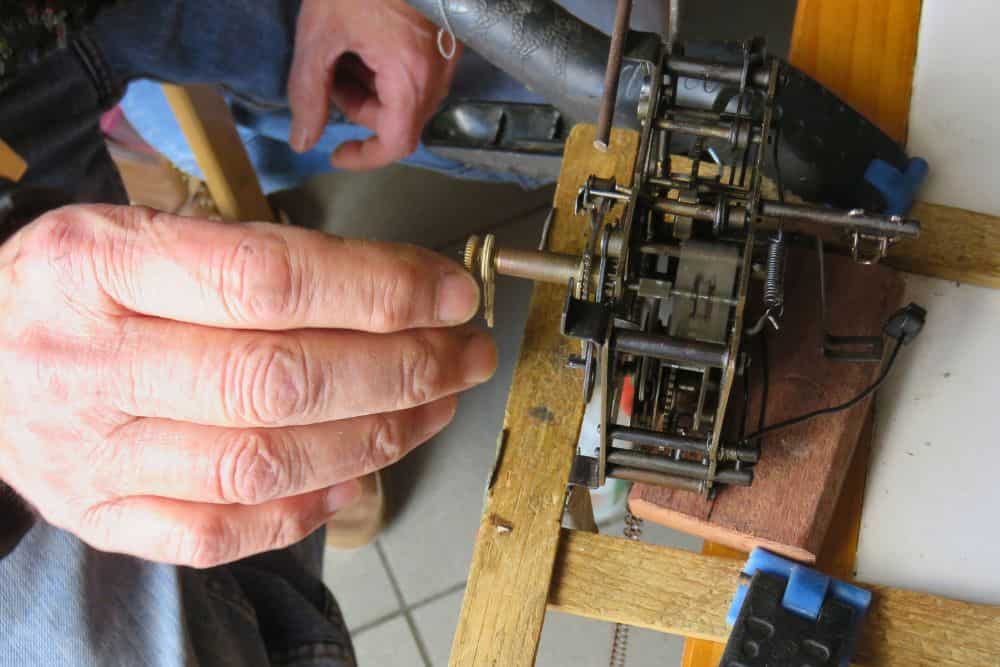

This hands-on connection to the craft ensures that cuckoo clocks remain more than souvenirs — they’re functional art pieces and a direct link to the region’s heritage.
A Journey Through Time
The Cuckoo Clock Trail is more than a tourist route. It’s a meditation on time itself: on how we measure it, how we spend it, and how we remember it. The sound of the cuckoo might be quaint, even old-fashioned, but in the quiet of the Black Forest, it feels exactly right.
Cycling or driving between villages, watching the sun move across the hills, you begin to sense the same rhythm that shaped generations of clockmakers. And when you finally bring a cuckoo clock home, every call of the bird will remind you not just of the hour but of the winding roads, dark forests, and warm hospitality of this timeless corner of Germany.
How would you like to commission your own cuckoo clock and watch it being made too?
* This is a collaborative post – please see my Disclaimer.

Well, who knew? Certainly not me but now I do.
Every day’s a school day!