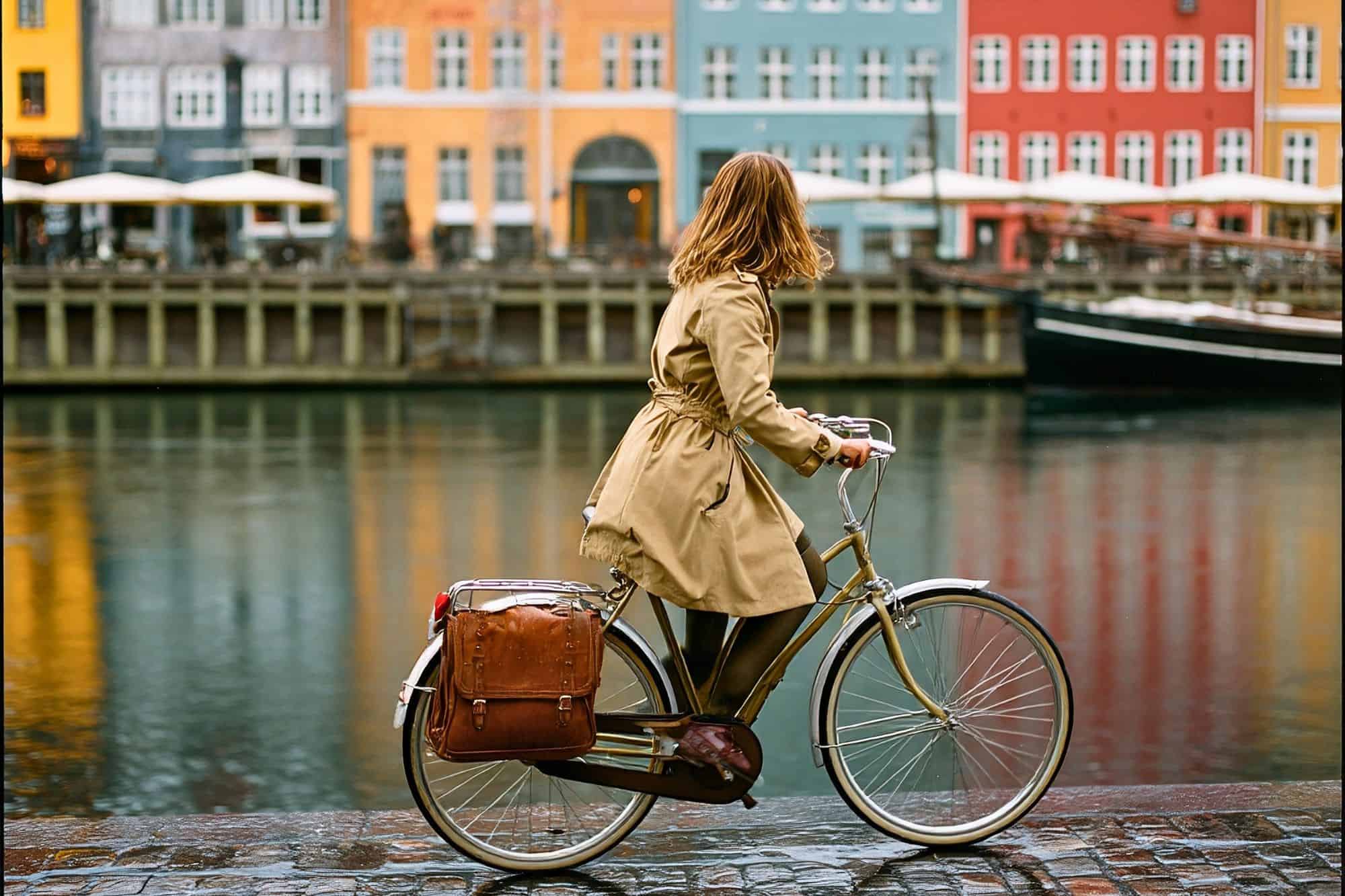
AD | Scandinavia has a reputation for being one of Europe’s most expensive corners, and it’s easy to see why when you first look at hotel rates, restaurant menus, and city-centre prices. A coffee and a simple lunch can cost more than expected, while accommodation in popular destinations such as Stockholm, Copenhagen, and Oslo can take a sizeable chunk out of your holiday budget.
But visiting the region doesn’t have to mean spending a fortune. The trick to enjoying Scandinavia without breaking the bank is to make a few thoughtful choices before travelling. You can enjoy beautiful waterfronts, dramatic mountain scenery, historic neighbourhoods, and excellent local food without booking luxury hotels or eating in restaurants every evening. Travelling outside the busiest months, choosing trains and buses carefully, and spending more time in fewer places can all make a noticeable difference.
Use the Train Network, but Book Ahead
Rail travel is one of the most enjoyable ways to move around Scandinavia, and planning ahead can help keep costs under control. The train from Stockholm to Oslo connects Sweden’s capital with Norway’s, making it possible to explore both cities without flying. Compare departure times and fares early, as the cheapest tickets are often limited and can become more expensive closer to travel.
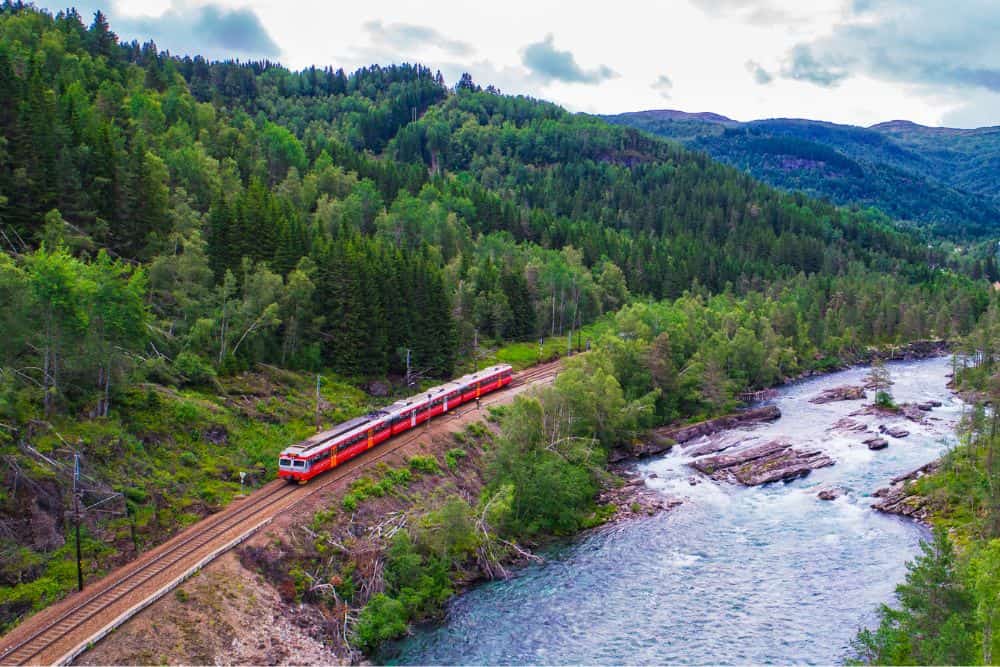
Booking early is important if you want to find lower-priced tickets, especially during summer. Don’t assume a rail pass will automatically save money. Compare the total cost of individual advance tickets with the price of a pass, including any required seat reservations. For shorter trips, long-distance buses may be cheaper, particularly between major cities. Norway has several express bus operators, and they can be useful for reaching destinations that aren’t directly served by the railway.
Choose Your Travel Dates Carefully
Timing has a major influence on the cost of a Scandinavian holiday. July and August are popular for a reason: the days are long, the weather is generally milder and outdoor attractions are easier to enjoy. However, these months also bring higher accommodation prices and more demand for transport, particularly in Norway’s fjord region and around the main capitals. Late spring and early autumn can be much better value. May, early June, late August and September often offer pleasant conditions for exploring, with fewer visitors competing for accommodation.
Norway’s official tourism organisation also recommends these shoulder-season periods as alternatives to the peak summer holiday weeks. Winter can be affordable in some cities, although the picture changes if you’re planning a northern lights trip or a ski holiday. Stockholm and Copenhagen are still enjoyable for museums, cafés and indoor attractions, while Oslo offers easy access to winter activities.
Norway’s railways are particularly scenic, and the Oslo to Bergen train journey is a highlight in its own right. The route crosses mountain landscapes and the Hardangervidda plateau before reaching the west coast. It takes around seven hours, so consider travelling during daylight and treating the journey as one of the main experiences of the holiday. Just remember that shorter daylight hours may affect how much sightseeing you can fit into each day.
Spend Less on Accommodation Without Staying Somewhere Inconvenient
Hotels in Scandinavian capitals can be expensive, particularly if you insist on staying right beside the main attractions. Look slightly beyond the historic centre and compare neighbourhoods with good public transport connections.
In Stockholm, areas outside Gamla Stan can offer better value, while Copenhagen’s Nørrebro and Vesterbro have plenty of cafés, independent shops and transport links. In Oslo, consider accommodation near a metro or tram stop rather than paying extra for a central address.
Hostels are another option, and they’re not necessarily limited to shared dormitories. Many have private rooms, family rooms and communal kitchens, making them suitable for travellers who want a little more privacy without paying hotel prices. Apartments and holiday rentals can also work well, particularly if you are travelling with friends or family and can split the cost.
Norway has an especially useful alternative in its campsite cabins. These range from basic wooden huts to more comfortable self-catering accommodation, often in beautiful locations. Staying outside the main cities can also reduce costs, provided you check how easily you can reach nearby attractions.
Eat Well Without Dining Out Every Night
Food is another area where small decisions can make a substantial difference. Scandinavia has excellent restaurants, but you don’t need to eat out for every meal to experience its food culture. Supermarkets sell good-quality bread, cheese, yoghurt, smoked fish, and seasonal produce, making it easy to prepare simple breakfasts and lunches. Pick up supplies for a picnic and enjoy them beside a harbour, in a city park or on a scenic train journey.
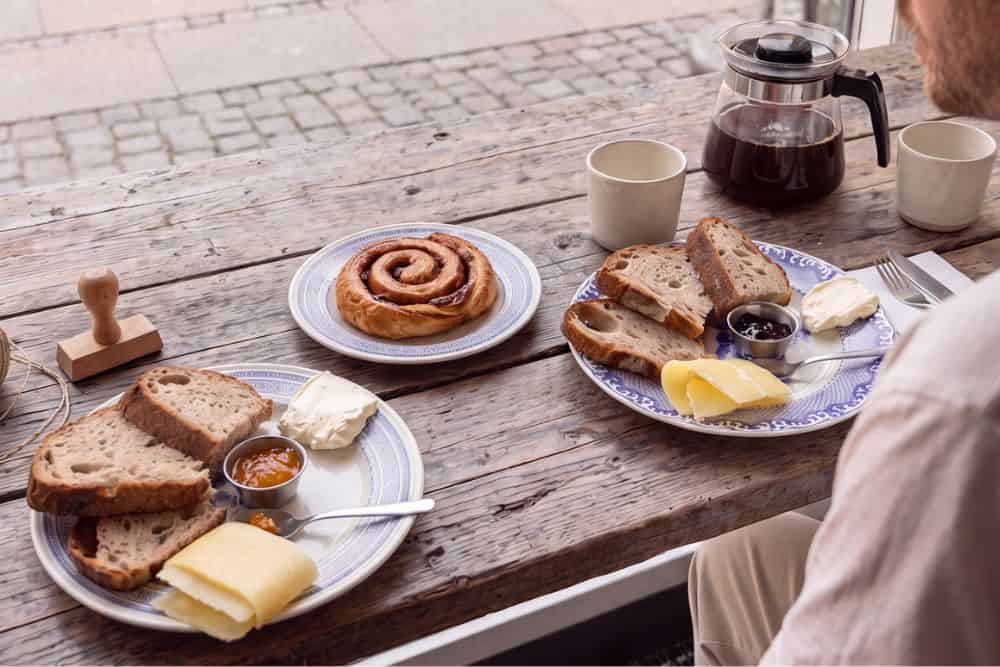
Bakeries are worth seeking out, too. Danish pastries, Swedish cinnamon buns, and Norwegian cardamom rolls make enjoyable treats without the cost of a full café meal. Look for lunchtime specials and informal food halls when you want to try local dishes at a more manageable price. Copenhagen’s official visitor information also recommends combining bakeries, markets, and casual restaurants with self-guided walks and free public spaces.
If you do want a proper restaurant dinner, make it a considered choice rather than an everyday expense. Pick one or two places you’re genuinely excited about, then keep the remaining meals simple. Carry a reusable water bottle, as tap water is safe to drink in the Scandinavian countries, and check whether your bank charges fees for foreign card payments.
Make the Most of Free Attractions
Some of Scandinavia’s best experiences cost absolutely nothing. Walking along Stockholm’s waterfront, exploring Copenhagen’s harbour areas, or wandering through Oslo’s sculpture parks can fill several enjoyable hours without buying an entrance ticket. Parks, public gardens, historic neighbourhoods and scenic viewpoints are often more memorable than expensive attractions, particularly when the weather is pleasant.
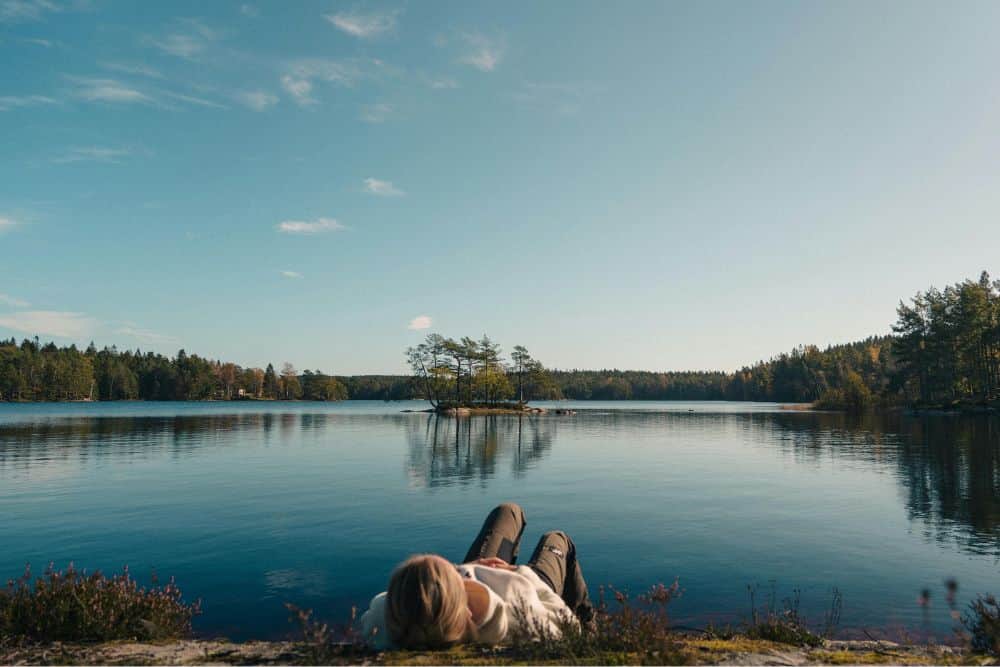
Nature is an even bigger advantage in Norway. Mountains, forests, lakes and many outdoor areas are accessible without an admission fee. You can spend a day walking near Bergen, enjoy a picnic beside a fjord or follow a marked trail outside Oslo. If you’re planning more ambitious hikes, check local conditions and bring appropriate clothing rather than assuming every route will be easy.
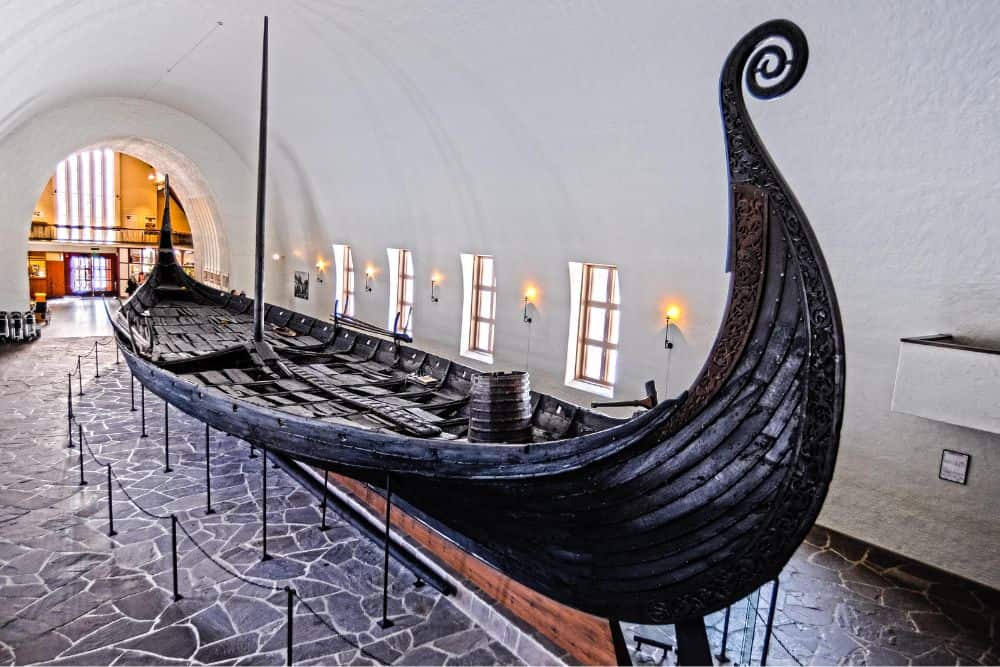
Paid attractions are still worth including, but choose them selectively. Instead of buying tickets for several museums in one city, identify the one or two that interest you most. City cards can offer good value if you plan to visit several included attractions and use public transport frequently. However, calculate the individual costs first, as a pass is not automatically the cheaper option.
Slow Down and Explore Fewer Places
One of the easiest ways to overspend in Scandinavia is to attempt too much in too little time. Moving between Stockholm, Oslo, Bergen, and Copenhagen in a single week might look appealing on paper, but every change of destination brings transport costs, accommodation expenses and time spent checking in and out.
Choose two or three bases instead and explore the surrounding areas at a comfortable pace. A few extra nights in one place can reduce travel expenses and make it easier to find accommodation with weekly rates or self-catering facilities. You’ll also have more time to discover neighbourhood cafés, local markets, and quieter attractions that are easy to overlook during a rushed itinerary.
A Scandinavian holiday doesn’t have to involve luxury hotels, restaurant dinners every evening, or an expensive excursion every day. With careful timing, advance transport bookings, and a little flexibility, you can experience the region without constantly worrying about the cost.
Spend your money on the experiences that matter most, whether that means a scenic railway journey, a memorable meal or a night in a traditional cabin. Balance those highlights with free walks, supermarket picnics and slower days in one destination. Scandinavia may not be Europe’s cheapest region, but its landscapes, cities and everyday pleasures are well within reach of travellers who plan thoughtfully.
* This is a collaborative post – please see my Disclaimer.




Leave a Reply