AD | Few journeys through Italy bring together so much history in such a short distance. Rome and Florence represent different chapters of the country’s past, yet both remain deeply connected to contemporary life. One is shaped by the legacy of the Roman Empire, the other by the artistic revolution of the Renaissance.
Travelling between them makes it possible to experience monumental ruins, elegant piazzas, Renaissance masterpieces, and lively neighbourhoods within a single itinerary. The journey from Rome to Florence is straightforward, but the contrast between the two cities gives it far more character than a simple change of location.
Two Cities, One Remarkable Route, Rome to Florence
Rome’s Ancient Heart
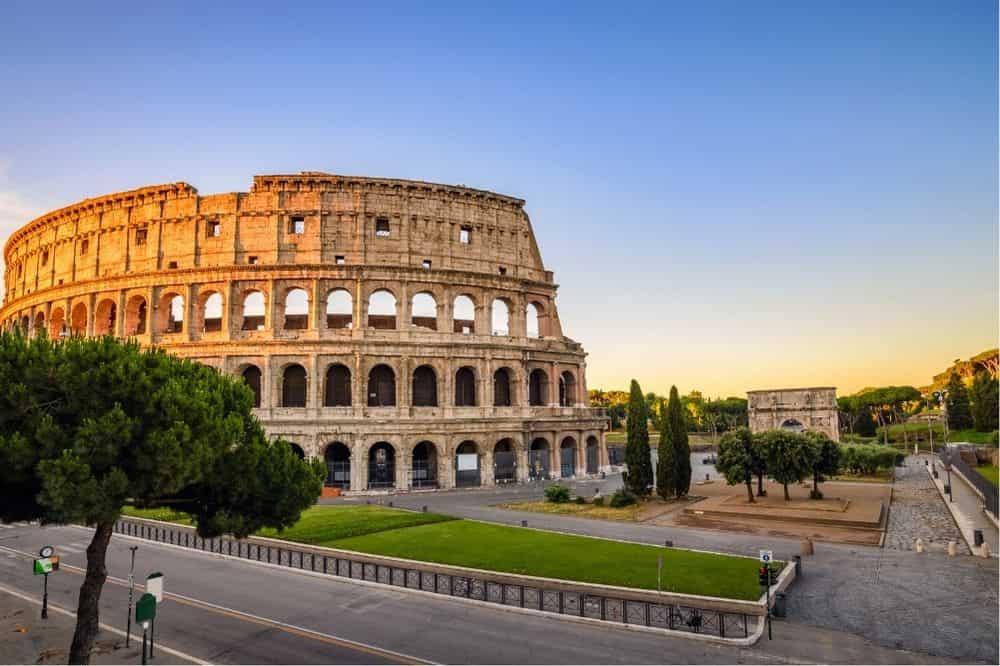
Rome reveals its history gradually, often in places where modern life continues around it. The Colosseum remains the city’s defining landmark, its vast arches offering a glimpse into the scale of ancient Roman entertainment and engineering.
Nearby, the Roman Forum stretches across an archaeological landscape once filled with temples, basilicas and political buildings. Walking between the ruins gives a sense of how central this area was to public life more than two thousand years ago.
Yet Rome is not simply an archaeological site. Scooters weave through narrow streets, restaurants fill with locals in the evening and small cafés occupy corners beside buildings that have survived for centuries.
Rail travel makes the connection between Italy’s major cities particularly convenient. Italy trains range from high-speed services linking major destinations to slower regional routes that stop at smaller towns.
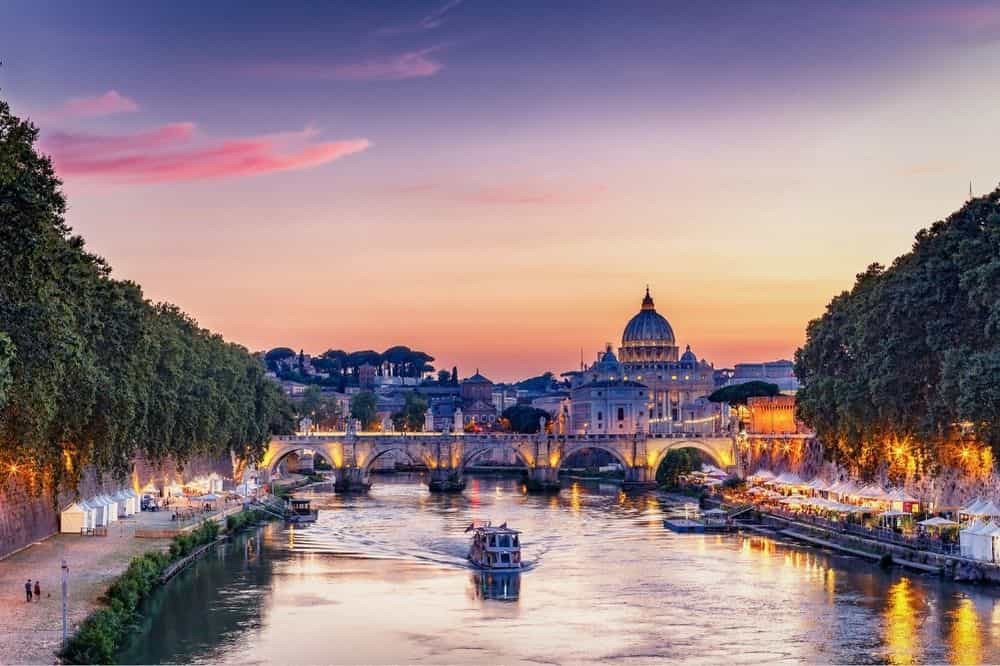
Travelling the Italian Way
For this particular journey, the Rome to Florence train offers an efficient way to move between the capital and Tuscany’s artistic centre. The landscape gradually changes outside the carriage windows, with Rome’s dense outskirts giving way to fields, rolling hills and glimpses of the Tuscan countryside.
Arriving in Florence also brings a distinct change in scale. The city centre is compact enough to explore largely on foot, allowing travellers to move easily between major works of architecture, museums and historic streets.
Florence Beneath the Duomo
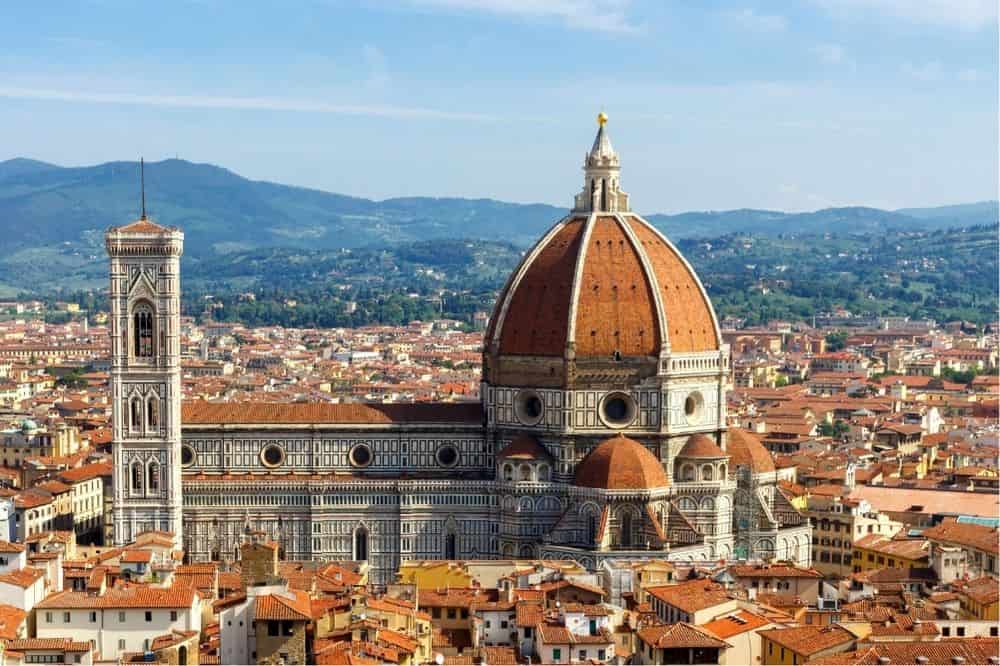
Florence’s cathedral dominates the city skyline with Brunelleschi’s extraordinary dome. Its terracotta exterior has become one of Italy’s most recognisable architectural images, but seeing it from the surrounding streets reveals details that photographs often overlook.
The Baptistery and Giotto’s Campanile stand alongside the cathedral, forming one of Europe’s most impressive architectural ensembles. Climbing the dome or bell tower provides a different perspective, with terracotta rooftops stretching towards the Tuscan hills.
At street level, the Piazza del Duomo remains busy throughout the day, while quieter lanes nearby lead towards artisan workshops, bookshops and small restaurants.
Renaissance Masters at Close Range
Florence’s greatest artistic achievement can be found inside its museums and churches. The Uffizi Gallery contains works by Botticelli, Leonardo da Vinci, Michelangelo and other artists who transformed European painting during the Renaissance.
The Accademia Gallery is particularly associated with Michelangelo’s David, whose scale and detail become apparent only when viewed in person. Other churches and palaces throughout the city contain sculptures, frescoes and architectural details that reveal the extraordinary concentration of artistic talent that once worked here.
Rather than keeping art behind museum doors, Florence allows it to remain part of the city’s physical environment.
Rome’s Piazzas and Fountains
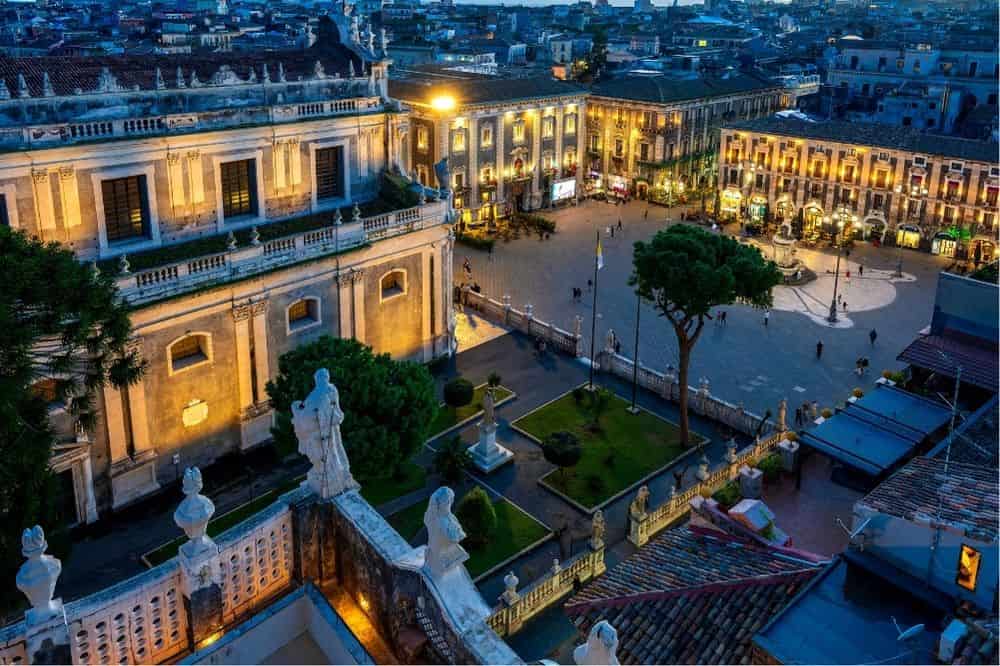
Back in Rome, public spaces provide a different kind of cultural experience. Piazza Navona occupies the site of an ancient stadium and is now surrounded by Baroque architecture, cafés and street artists.
The Trevi Fountain attracts visitors throughout the day, while quieter squares can be found by wandering away from the main routes. Piazza di Santa Maria in Trastevere, for example, offers a more relaxed setting where residents gather around a historic church and nearby restaurants.
These spaces demonstrate how Rome’s history continues to function as part of ordinary urban life rather than existing separately from it.
A Taste of Two Regions
Food provides another clear distinction between Rome and Florence. Roman cuisine is known for dishes with strong, uncomplicated flavours, including cacio e pepe, carbonara and amatriciana. Many recipes rely on a small number of ingredients prepared with confidence.
Florentine cooking reflects the traditions of Tuscany, where rustic dishes and high-quality local produce take centre stage. Ribollita, pappa al pomodoro and the famous bistecca alla Fiorentina are closely connected with the region’s agricultural heritage.
Markets provide an excellent introduction to both culinary cultures. Rome’s Campo de’ Fiori has long been associated with fresh produce, while Florence’s Mercato Centrale combines food stalls with spaces where visitors can sample regional specialities.
Along the Arno
Florence’s relationship with the Arno River becomes particularly atmospheric towards evening. The Ponte Vecchio, lined with jewellery shops and historic buildings, crosses the river at the heart of the city.
Walking along the waterfront offers changing views of bridges, palaces and hills beyond the historic centre. At sunset, the reflections on the water add another layer to Florence’s already distinctive scenery.
The Oltrarno district on the opposite bank feels somewhat removed from the busiest tourist streets. It is home to artisan workshops, independent businesses and the enormous Palazzo Pitti, making it a rewarding area for a slower afternoon.
Rome After Dark
Rome also changes character once the sun goes down. Historic façades are illuminated, restaurants spill onto pavements and neighbourhoods become increasingly animated as locals meet for dinner.
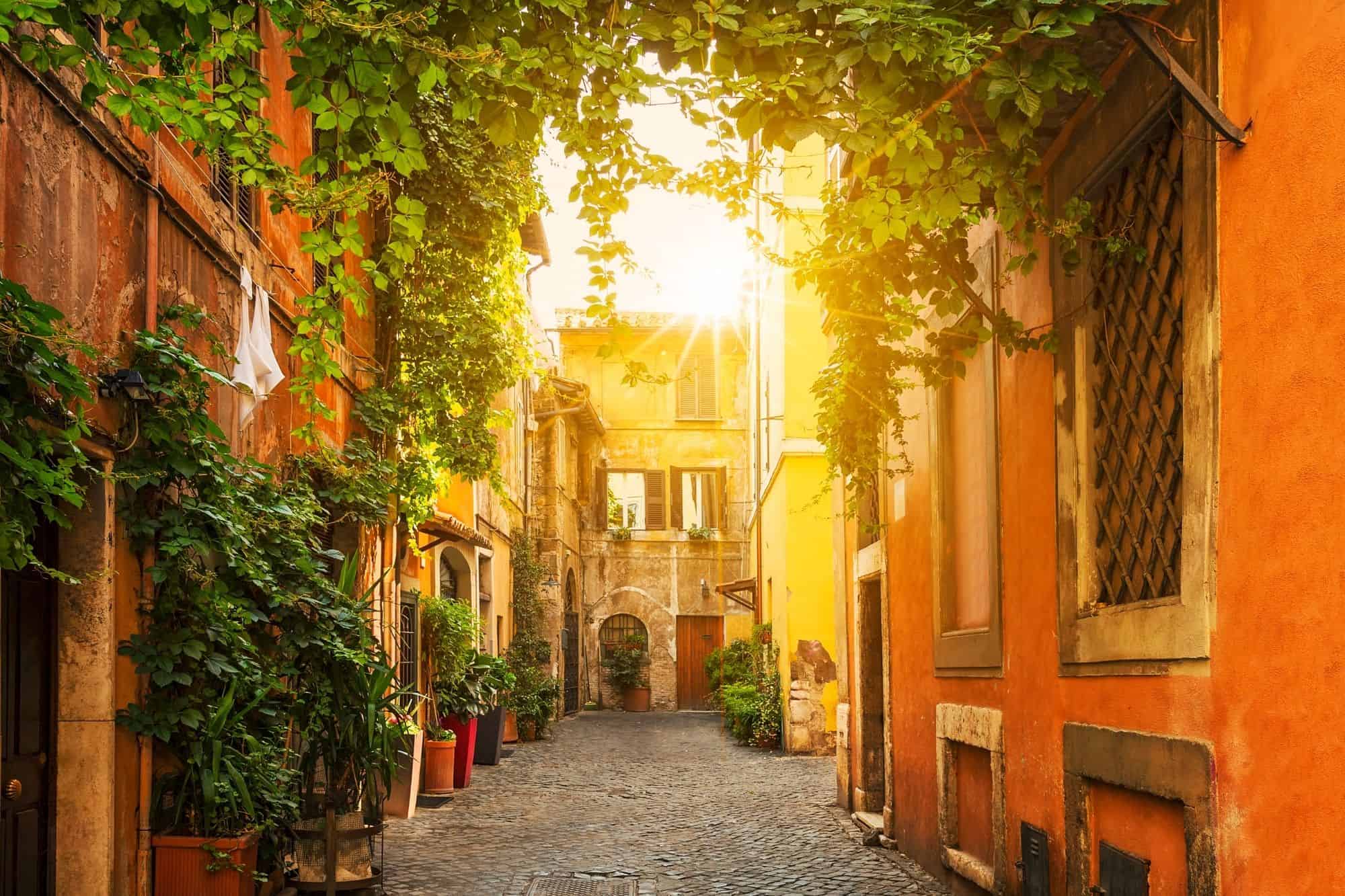
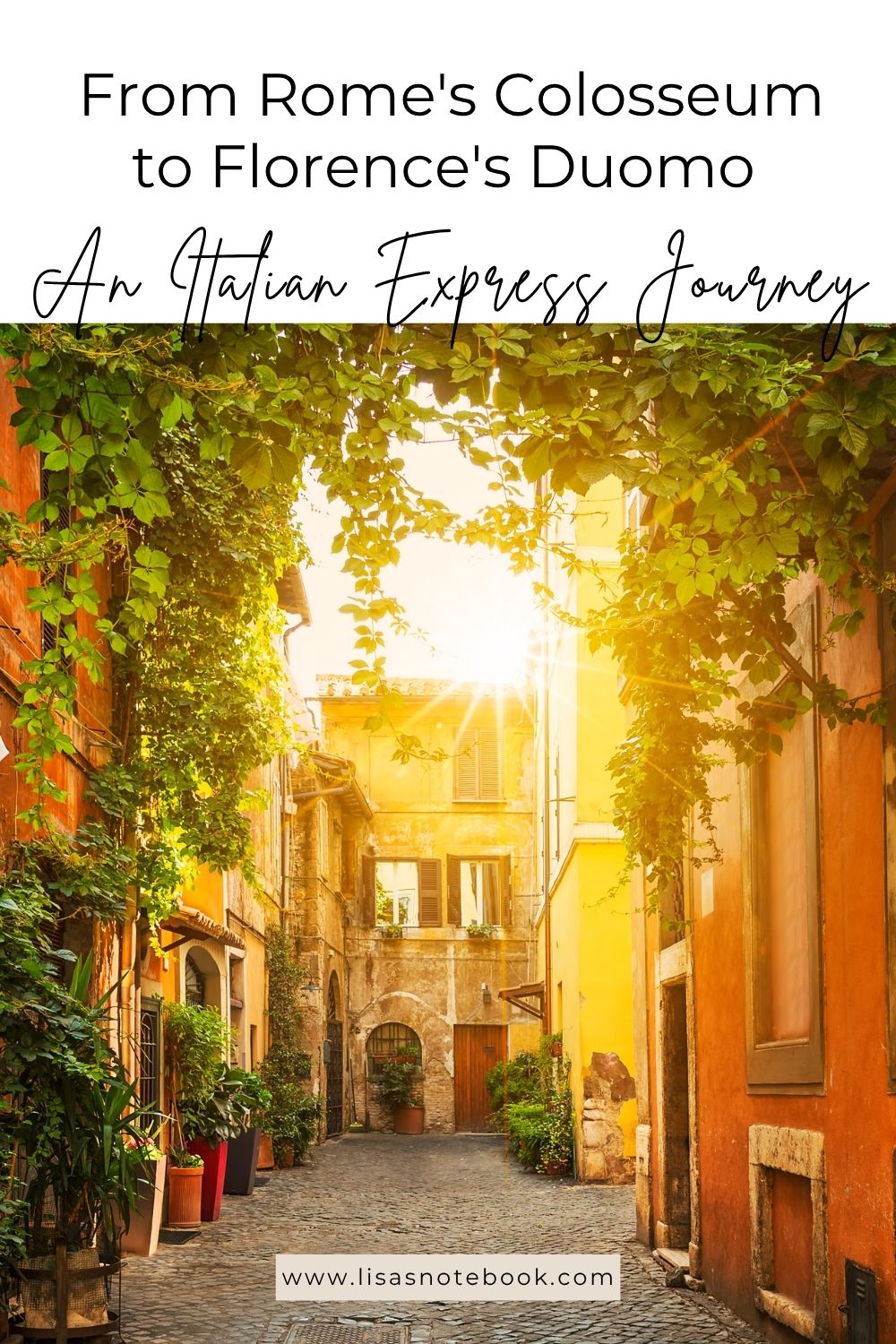
Trastevere is one of the most popular areas for an evening stroll, with ivy-covered buildings and narrow lanes creating a distinctly Roman atmosphere. Testaccio offers another perspective, particularly for travellers interested in food and local nightlife.
The city is at its most appealing when there is no need to hurry. An evening walk from one piazza to another can reveal fountains, churches and architectural details that might be overlooked during a busy daytime itinerary.
Beyond the Famous Landmarks
Although the Colosseum and Duomo naturally form the centrepieces of this journey, both cities reward curiosity beyond their most famous sights. Rome’s Aventine Hill offers peaceful gardens and panoramic viewpoints, while the Baths of Caracalla provide a fascinating glimpse into the scale of ancient public architecture.
In Florence, the Boboli Gardens extend behind Palazzo Pitti, offering landscaped paths, sculptures and views across the city. San Miniato al Monte, set above Florence, provides another excellent vantage point, particularly towards sunset.
These quieter stops create breathing space between major attractions.
An Express Journey Through Italian History
The route from Rome to Florence connects more than two famous destinations. It links the remains of an ancient empire with the birthplace of a cultural movement that changed art, architecture and intellectual life across Europe.
Yet the journey also reveals modern Italy, where historic buildings remain surrounded by cafés, markets, shops and busy neighbourhoods. The train makes the physical distance between the cities easy to cover, leaving more time to explore what lies beyond the station.
By the time Florence’s dome comes into view, the journey from the Rome’s Colosseum feels less like a simple transfer and more like a passage between two extraordinary periods of Italian history.
* This is a collaborative post – please see my Disclaimer.




Wow!!! Looks like you had a good summer vacation. Love your pictures. I miss traveling to Florence. I went there with my family in 2006. I believe there are a lot of changes there now.
Oh yes, Florence has changed quite a lot over the last 20 years!