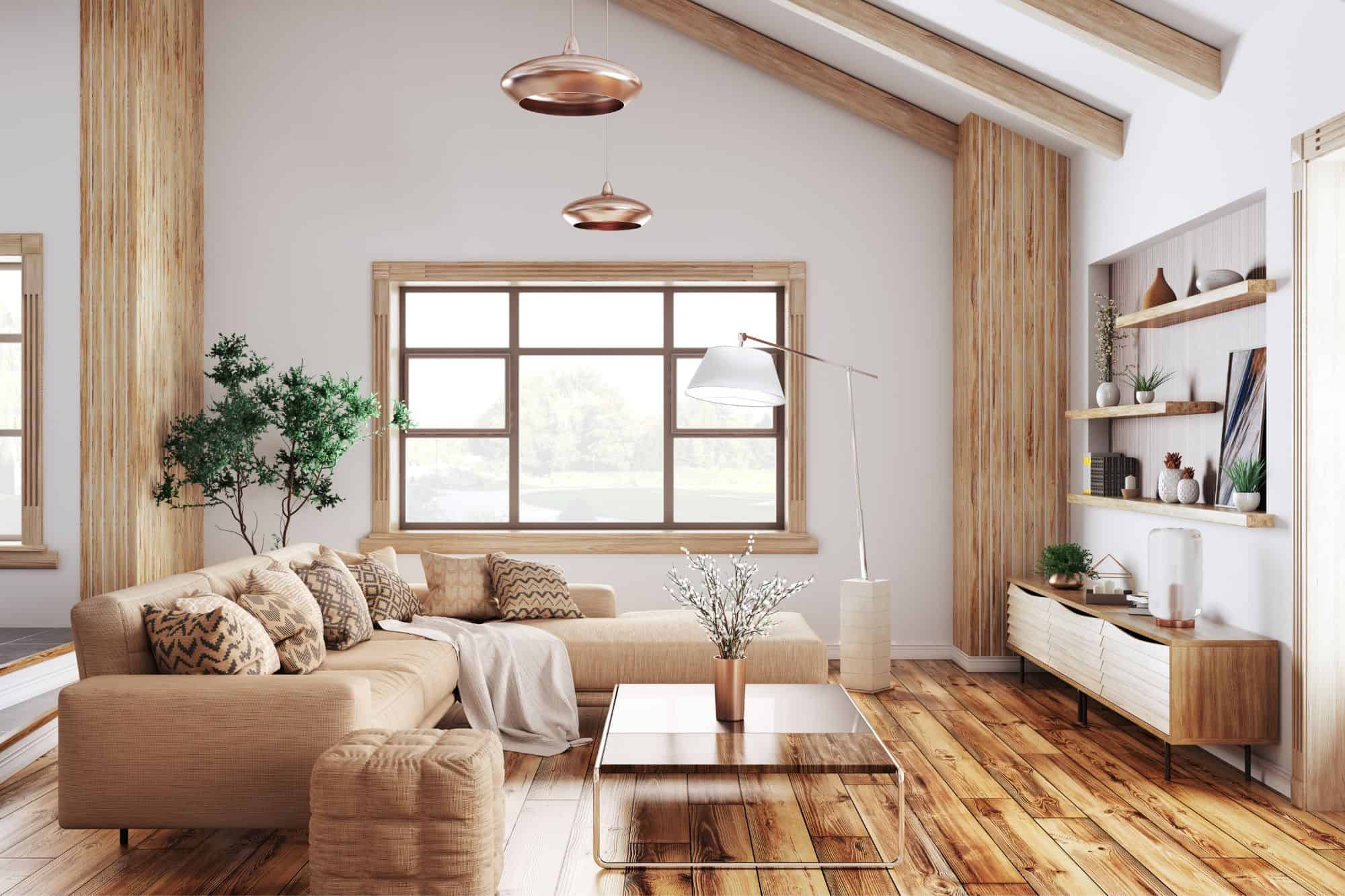
AD | Plywood is something of an engineering marvel. Used in all manner of ways, it’s an amalgamation of veneer pieces coated with resin and pressed together. This malleable material can be tailored to cater to various structural, interior, and exterior demands. But how do you work out which 12mm plywood fits your needs the best? Let’s take a look at the distinguishing features of various plywood types to help you choose the right plywood for your job.
Demystifying Plywood Quality Grades
Plywood panels have a dual-alphabetical grading system. This ingenious classification technique denotes the front face quality with the first letter and the back face with the subsequent one. For example, a plywood sheet labelled “A-D” signifies a high-quality front (A) with a lower-quality back (D).
A-Grade Plywood: The Crème de la Crème
The A-grade plywood is the best quality. This plywood variant has minimal to no imperfections such as knots and defects.
B-Grade Plywood: Almost Perfect
B-grade plywood is just a step below. It’s still great quality, but it might exhibit small knots or slight imperfections.
C- and D-Grade Plywood: Affordable and Functional
The more budget-friendly C and D-graded plywood sheets display noticeable knotholes, repairs, and voids. However, their affordability doesn’t compromise their utility. Ideal for foundational structures, they can be seamlessly layered with other materials, like MDF sheets.
How To Choose the Right Plywood for Your Job
Whether you’re a seasoned woodworker or a passionate DIYer, when it comes to your next big project, the choice of plywood can make all the difference. Far more than just a building material, the right plywood can be the foundation that inspires your creativity and elevates your work.

The Best Plywood for Home Furniture
For interior furniture, particularly items shielded from sunlight, such as clothing cabinets or bookshelves, high-grade plywood is a must. Cabinets, for instance, predominantly employ ¼ inch plywood. This selection is cost-effective and ensures a lighter-end product. However, opting for thicker plywood is advisable to stave off any sagging for more extended structures.
Durable Flooring and Plywood’s Role
Interior plywood also lends itself to robust flooring applications and is primarily used as a flawless underlay on which the final flooring material rests. Imagine a layered cake – a typical floor might encompass a concrete base, followed by a plywood substrate, another layer of plywood underlay, some insulation, and capped off with the surface flooring. For spaces shielded from moisture, such as bedrooms or corridors, interior plywood is perfect.
Plywood for Weather Exposure
Exterior plywood is ideal for braving the elements and works well for the outer walls of houses. And its versatility means it’s equally suited for interiors of rooms prone to moisture, like kitchens or bathrooms. For framing houses, the sheathing plywood fortifies the structure by bridging the studs, meaning you’ll need a thicker variant.
Marine Plywood: The Ultimate Protector
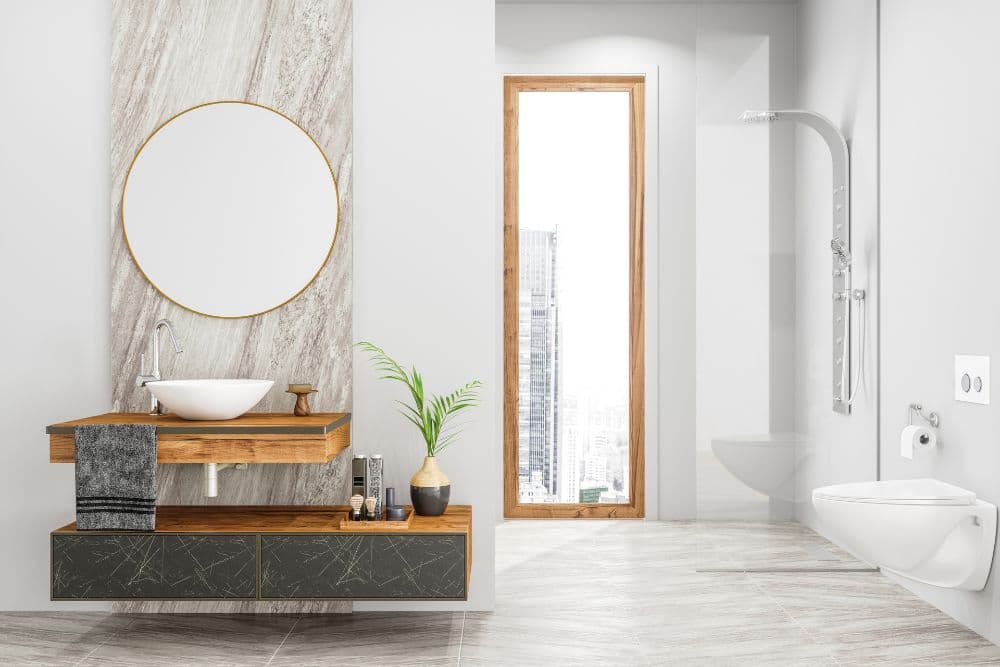
Marine plywood is the titan among plywoods. Crafted with premium glues binding the plies, it offers structural integrity and an impressive resistance to moisture. Exclusively available in A-A grade, either side can be showcased. Given its prowess against moisture and unparalleled strength, marine plywood is ideal for damp spaces such as bathrooms, basements, and underlays for hardwood-engineered flooring or tiles.
Plywood for Busy Spaces
Structural plywood, robust and almost rivalling marine plywood in durability, is the prime choice for spaces that experience heavy footfall, like entry points or upper-level corridors. With its characteristic coarse texture, it’s generally found in C-D or D-D grades.
A Plywood for Every Project
So, now you know the different plywood types, their durability and suitability for specific tasks, you can make informed decisions and choose the right plywood for your job. From home interiors to outdoor resilience, there’s a plywood out there that’s perfect for your every requirement. Which one will you go for?
Did you know how versatile plywood can be? Have you ever used it in any projects? What’s your plywood grade of choice?
* This is a collaborative post – please see my Disclaimer.

Plywood is really good, if it is the right one. We’ve put up plywood on the fence in the garden. I painted each on both sides about 3-4 times, 4 years ago. I refreshed the paint once, only on the side that is exposed, and the wood is still perfect. my neighbour used plywood too for a project in his garden, after he saw how good ours was, even in rain.
That’s a brilliant testament to plywood, Anca, wow, 4 years in the British weather and still going strong!