
AD | So your child wants to learn chess, or maybe they already play, but they need proper guidance. Perhaps you’ve heard about online chess coaching but aren’t sure how it actually works. This raises a question, “What does a parent need to consider before their child starts lessons?”
Online chess coaching has become a practical option for many families. You get access to qualified instructors without driving anywhere, and your child can learn from home. But before you commit, you need to understand exactly how these sessions work and what to expect.
Let’s take a look at what happens during online chess training for kids, how you can find good coaches, what it costs, and whether this approach suits your family.
How Does Online Chess Coaching Work?
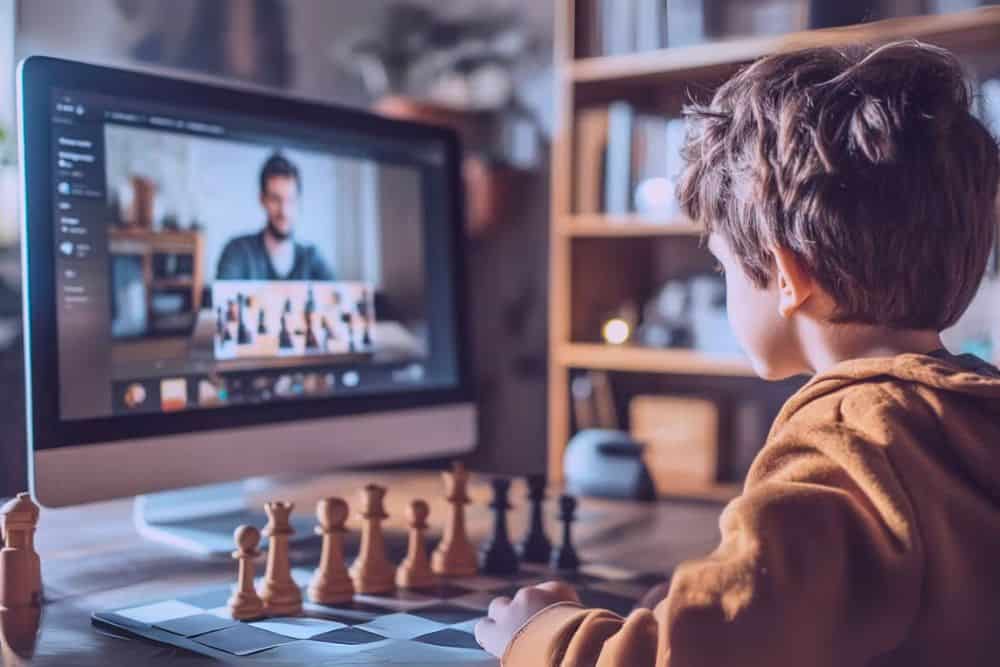
Online chess coaching happens through video calls combined with chess software. Your child and the coach both log into a chess platform like Chesskid.com or Lichess, then connect via Zoom or Google Meet. So both participants will be using a digital chessboard that they can see and interact with. All that your child will need is:
- Computer / laptop
- Webcam and microphone (laptops always have them built in)
- Stable internet connection.
The chess platforms work through web browsers, so you don’t need to download any software. Some coaches prefer specific platforms, but they’ll tell you which one during the booking process.
Lessons run for either 30, 45 or 60 minutes. Depending on the age and prior experience of the student will determine which length is best. Coaches usually schedule weekly sessions, though some families prefer twice weekly or fortnightly meetings. It all depends on your child’s goals.
What Happens During an Online Chess Session?
A typical lesson begins with the coach going over key learning points. If the student has had time to practice using their chess kid account since the prior session, the coach can see the matches they’ve played and focus on areas of their games where there are the greatest opportunities for improvement. This usually takes 5-10 minutes and helps the coach understand what to focus on next.
The main teaching segment varies based on your child’s level. Beginners learn basic rules, piece movements, and simple tactics like forks and pins. The coach sets up positions on the digital board and asks your child to find the best move. For intermediate players, lessons might cover opening principles, endgame techniques, or analysing complete games.
Coaches use different teaching methods throughout the session. Sometimes they’ll present a puzzle and give your child time to think before revealing the solution. Other times, they play short games where they deliberately make mistakes for your child to spot and correct. Advanced students might analyse famous master games or review their own tournament games move by move.
The final part of the lesson typically involves providing the student with key concepts to keep in mind when playing their next games.
Good coaches explain exactly what to practise and why it matters for your child’s development.
Vetting Online Chess Coaches
You may sometimes find a tip to look for coaches with a minimum 1800 chess rating or a serious FIDE chess player. If you are asking if this is a good practice, then our answer is – it depends. It is not that straightforward because not every great chess player is a great chess coach.
What’s more important is the coaching experience, especially with children. So read reviews from other parents carefully. Pay attention to comments about patience with young learners, and communication skills. Negative reviews about cancelled lessons, poor internet connections, or difficulty explaining concepts should raise concerns.
Ask specific questions during your initial contact. How long have they been teaching online? What’s their cancellation policy? Can they accommodate your child’s schedule consistently? Professional coaches will answer these questions clearly and promptly.
Most coaches offer trial lessons at reduced rates. Book one before committing to regular sessions. During the trial, observe how well the coach connects with your child, explains concepts at an appropriate level, and maintains engagement. Your child should feel comfortable asking questions and participating actively.
Is Online Chess Coaching Right for Your Child?
Consider your child’s age and attention span first. Children under 6 often struggle with online learning because they need more hands-on guidance and physical interaction. Kids aged 6-12 usually adapt well. Teenagers generally thrive in online environments since they’re already familiar with digital communication..
Prepare your child for a productive learning experience by setting up a quiet learning space away from distractions. Test the technology beforehand and ensure your internet connection is reliable during lesson times. Explain to your child what to expect and encourage them to ask questions during sessions.
If you can tick all these boxes, online chess coaching can provide excellent instruction in a highly convenient way. At Mindful Chess you can start with a trial lesson to see how your child responds, then decide whether to continue based on their engagement, progress, and overall enjoyment.
Have you or your child ever played chess? If not, do you think it’s an activity they might like to try now you know more about how it works?
* This is a collaborative post – please see my Disclaimer.

On the one hand, I’m glad this is a resource for so many kids because it does help to remove some physical barriers to learning the game (like, are there any classes near you). On the other hand, as an educator, I just don’t think virtual learning will ever compare!
I think online learning – as evidenced by COVID-19 – is a great supplement to in person learning. And, as you say, it makes it much easier if there are no physical classes nearby.
This is such a fabulous resource, I had no idea something so innovative and helpful was available in a virtual environment. My boys both love chess, so this is a great resource to share with them!
Isn’t it great? I had no idea either, but it makes perfect sense, and it’s so easy to participate!
I never learned how to play chess, so I would not be able to teach my daughter if she ever became interested. Online chess coaching does seem like a great option!
Doesn’t it just? Such a great way to try something without to much initial outlay or commitment!
I’ve never learned chess so I admire people who are really good at it.
Likewise, I would have loved to learn as a child.
This is an interesting topic. My husband loves chess and plays often. I play from time to time too, and I think this is a great game for children. Having a coach is a very good idea, especially for little ones trying to learn how to play properly.
I completely agree – I wish this had been around when I was a child, I would have loved to learn to play chess!
This was such a helpful read! I had no idea how structured and interactive online chess coaching could be. Love the idea of trial lessons to test fit before committing.
That’s wonderful to hear, I’m so pleased, thank you!
I can see the benefits of this, and it’s interesting to read what is available to supplement a child chess enthusiast. Very interesting!
It’s such a good way to learn, isn’t it?
This is such a helpful article! It’s sad that I wasn’t able to learn how to play chess when I was younger. Now, I’m too embarrassed to learn.
Never say never – they offer classes for adults as well. 🙂