
AD | Does your child struggle with asynchronous anxiety and virtual classroom shyness in middle school online settings? You’re not alone. Many kids feel overwhelmed and hesitant to participate in online learning. Look for signs like avoiding video calls or withdrawing from discussions. And then encourage small steps to boost their confidence, like role-playing or setting achievable goals. Creating a cozy study space can also help. If anxiety persists, you may find professional help to be beneficial. Here are some effective techniques to support your child further in this journey.
Identifying Asynchronous Anxiety in Kids
As you face the challenges of virtual classrooms, it’s essential to recognize the signs of asynchronous anxiety in your child. This anxiety often stems from the lack of immediate social interaction that traditional classrooms provide.
You might notice your child feeling overwhelmed by the independent nature of asynchronous learning, struggling to keep up with assignments, or avoiding participation in discussions. Look for changes in their mood or behavior, like increased frustration or withdrawal.
Encouraging open conversations about their feelings can help them express their worries. By fostering a supportive environment, you can empower your child to seek help and adapt to this new learning style, ultimately easing their anxiety and enhancing their virtual classroom experience.
Signs Your Child May Be Experiencing Virtual Classroom Shyness
Recognizing asynchronous anxiety is only the first step in understanding your child’s experience in a virtual classroom. If your child is hesitant about to participating in virtual engagement, avoids turning on their camera, or frequently complains about feeling nervous before online classes, these may be signs of virtual classroom shyness.
You might notice them withdrawing from discussions or struggling to connect with peers, which can stem from social anxiety. They may express frustration or sadness about missing out on social interactions, and you might even catch them fidgeting or looking distracted during lessons.
Pay attention to these signals; they’re your clues that your child needs support in navigating this new learning environment and finding their voice in the digital space.

Effective Techniques to Boost Your Child’s Confidence in Online Learning
If your child is struggling with online shyness, there are some effective steps you can take to help them feel more comfortable. Together, you can turn their virtual classroom experience into a more positive one.
Encourage Participation Through Practice
While it’s natural for kids to feel shy in virtual classrooms, encouraging practice can make a big difference and help them participate more confidently. Try these strategies:
- Role-playing scenarios: Create fun, low-pressure situations where your child can practice speaking up, to help them feel more at ease and prepared for real interactions.
- Practice conversations together: Engage in discussions at home, allowing them to express their thoughts and opinions. Prompt your child to ask questions and share thoughts, reinforcing that their voice matters.
- Set small goals: Start with easy tasks, like asking a question or making a comment, to build their confidence.
- Celebrate progress and small wins: Acknowledge their efforts, no matter how small, to boost their self-esteem, and to reinforce their willingness to participate.
With your support, your child can gradually overcome their shyness and begin to thrive in the virtual classroom environment.
Create A Supportive Environment
Creating a supportive environment is essential for helping your child feel comfortable in virtual classrooms. Start by encouraging dialogue about their feelings and experiences. Ask open-ended questions and listen actively, showing that their thoughts matter.
Fostering connections with classmates can also ease their anxiety; consider arranging virtual play dates or group study sessions. Let them know it’s okay to be shy and that everyone has their own pace.
Create a cozy, distraction-free workspace for them. Celebrate small victories, whether it’s unmuting themselves or sharing a thought. This positive reinforcement builds confidence and encourages them to engage more.
How to Create a Cozy Home Learning Space
Creating a cozy home learning space can make a big difference in your child’s comfort and engagement. Start by choosing a quiet location that’s free from distractions, and then personalize the area with their favorite learning materials and decorations. This not only nurtures their learning but also helps them feel more at ease in a virtual classroom.
Choosing the Right Location
Finding the perfect spot for your child’s virtual classroom can make all the difference in their comfort and engagement. Consider their location preferences and environmental factors to create a cozy learning space that fosters focus and confidence.
Here are some tips to help you set up the ideal spot:
- Choose a quiet area with minimal distractions
- Ensure they have good lighting, preferably natural light
- Provide a comfortable chair and desk arrangement
- Personalize the space with their favorite colors or decor

Personalizing Learning Materials
Personalizing learning materials can considerably boost your child’s confidence and interest in virtual classes. By creating a cozy home learning space, you help them feel more comfortable and engaged.
Start by incorporating customized resources that reflect their interests, like colorful notebooks or themed study aids. Tailored assignments can also make a significant difference; adjust tasks to align with their strengths, ensuring they feel challenged yet confident and capable.
Encourage them to decorate their workspace with personal touches, fostering a sense of ownership. This approach not only makes learning more enjoyable but also empowers your child to take charge of their education.
When to Consider Professional Help for Anxiety Issues
While it’s normal for kids to feel some anxiety in new situations, there are times when those feelings can become overwhelming and interfere with their daily lives. If your child struggles to participate in virtual classrooms, avoids social interactions, or experiences physical symptoms like headaches or stomachaches, it might be time to seek professional counseling.
A mental health professional can help identify specific anxiety triggers and provide coping strategies tailored to your child’s needs.
Remember, addressing anxiety early on can lead to healthier emotional development. Encouraging your child to express their feelings and seeking support when needed can empower them to regain control and thrive in their learning environment. You’re not alone in this journey; help is available.
The Next Steps
As your child navigates the virtual classroom, building their confidence can make a world of difference in their learning experience and online engagement. In guiding your child’s journey through asynchronous anxiety, remember that small steps can lead to big changes. Just like a seed needs nurturing to grow into a strong tree, your support can help your child blossom in the virtual classroom.
Stay patient, encourage open conversations, and celebrate their progress, no matter how small. If struggles persist, don’t hesitate to seek professional help. Together, you can turn this challenge into a stepping stone for their confidence and future success.
Does your child, or a child you know, suffer from virtual classroom shyness? Which of these coping strategies do you think would help them the most?
* This is a collaborative post, please see my Disclaimer.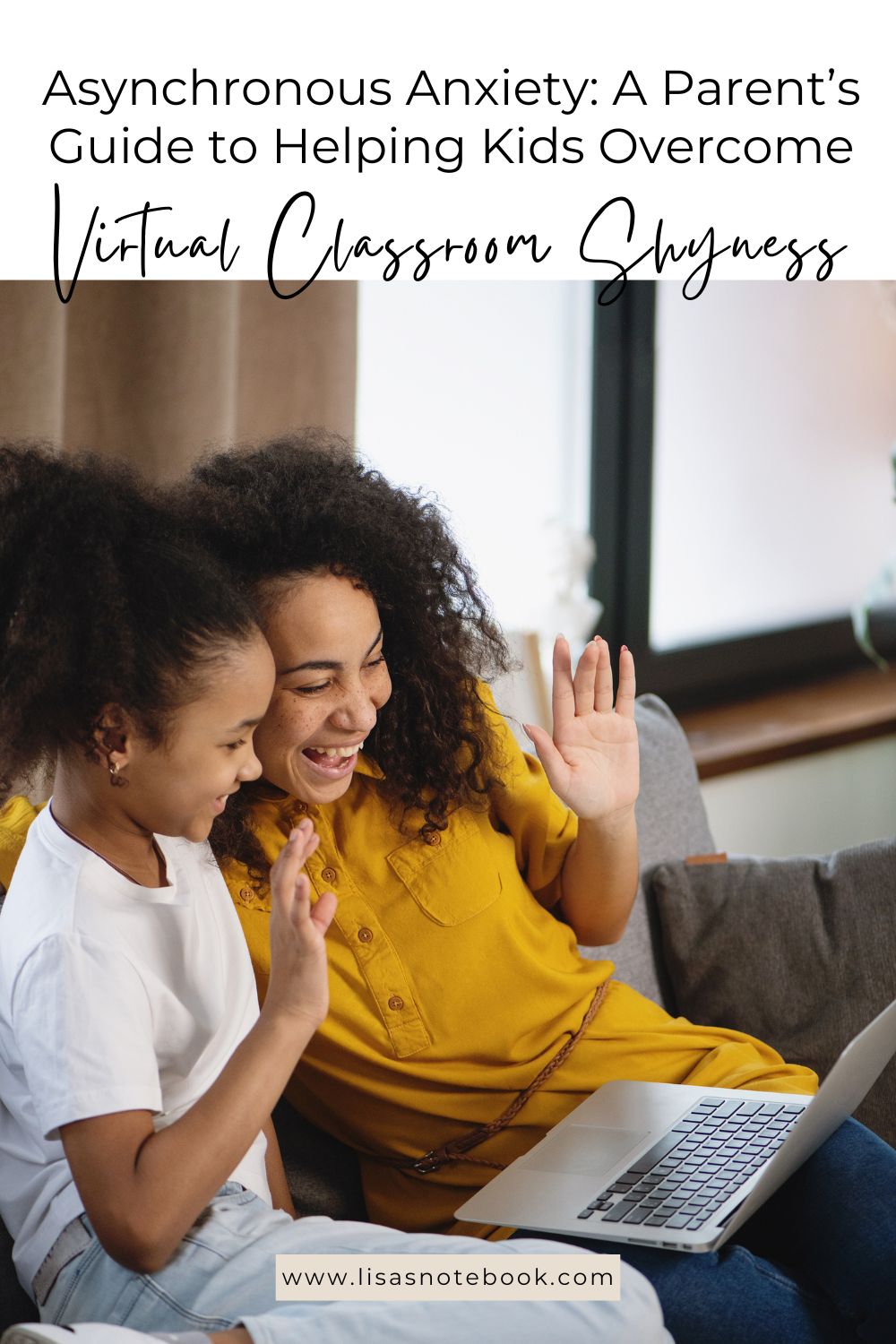

I used to have classroom anxiety when I first entered school. As an only child, it was my first time interacting with kids who weren’t my cousins. Alhamdulillah, I had a good classroom teacher back then. She made me feel welcome, and I overcame my anxiety well.
Glad you had an understanding teacher, Fadima, that’s good to hear.