
AD | Finland reveals itself most clearly when travelled lengthwise. From the measured calm of the south to the expansive quiet of the far north, the country doesn’t divide into opposites so much as stretch into different states of attention. Helskini’s urban life sharpens focus. Lapland’s wilderness softens it. Both feel deliberate, shaped by climate, geography, and a shared respect for space.
What makes this contrast compelling is continuity. Finland doesn’t treat nature as escape or cities as interruption. Instead, it allows both to coexist within a single rhythm – one that values balance, understatement, and daily practicality over spectacle.
Order, Light, and Everyday Design in Helsinki
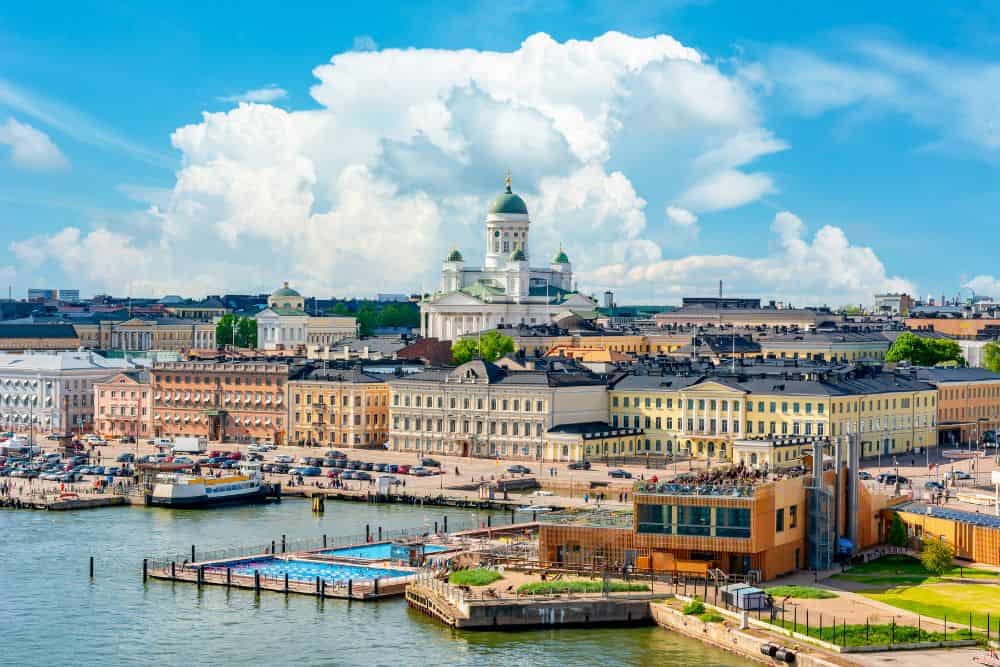
Helsinki’s character is subtle rather than declarative. Streets feel open, buildings prioritise function without abandoning beauty. The city’s relationship with the sea keeps horizons visible, even in dense districts. Design here isn’t ornamental, it’s applied quietly – in benches positioned for light, in libraries that function as social spaces, in transport that integrates smoothly into daily movement. Helsinki feels calm not because it is empty, but because it is considered.
For travellers exploring Finland tours, the capital often sets expectations gently. It introduces Finnish values through use rather than explanation.
A City That Respects Silence
Helsinki allows quiet to exist without labelling it. Cafés hum softly, public transport operates efficiently without noise, and even busy areas maintain a sense of composure. This respect for silence shapes behaviour. People move with awareness, space is shared without competition. The city doesn’t ask for attention; it assumes it. That assumption creates ease.
Leaving the Coast Without Losing Orientation
Travelling north from Helsinki doesn’t feel abrupt. The landscape changes gradually, loosening its urban edges before opening fully. Taking the Helsinki – Rovaniemi train compresses distance while preserving transition. Forests thicken, towns thin, and light behaves differently as latitude increases. The journey feels like an adjustment rather than a leap. Movement here prepares you for what follows.
The Forest Corridor
Between south and north, Finland becomes increasingly wooded. Lakes multiply, roads straighten, and settlements appear less frequently, but more deliberately. This middle stretch is essential. It bridges urban logic and wilderness awareness, reminding travellers that Finland’s identity is not concentrated at either extreme. The forest isn’t backdrop, it’s the country’s connective tissue.
Arrival at the Edge in Rovaniemi
Rovaniemi doesn’t announce itself dramatically, it sits within its surroundings rather than against them. Buildings are low, space expands outward, so the city feels like a threshold rather than a destination. Life here adapts to scale. Distances feel larger, time stretches. Nature isn’t visited; it’s encountered incidentally – during commutes, errands, and evening walks. Rovaniemi introduces Lapland without theatrical framing.
Wilderness as Daily Condition
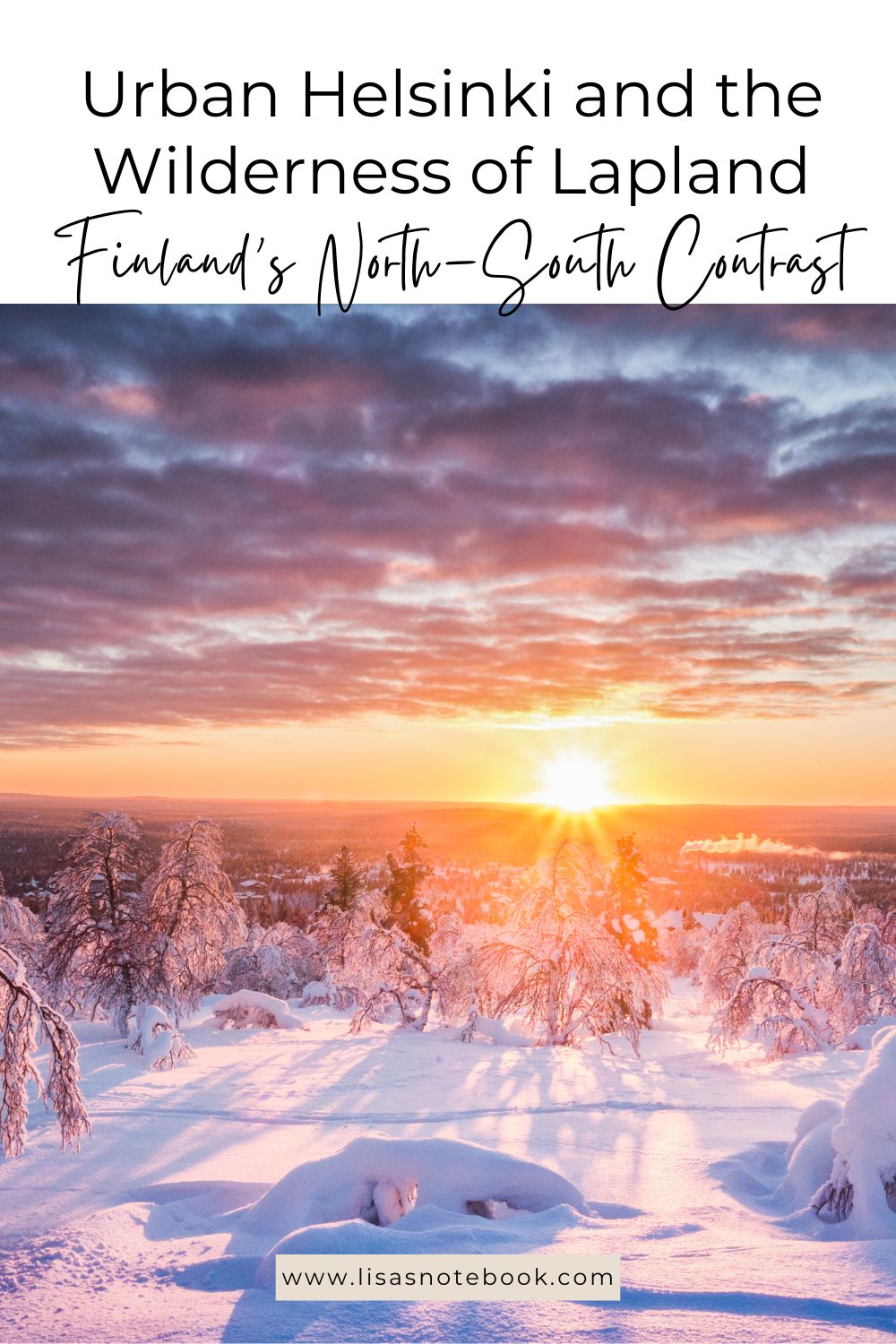
In Lapland, wilderness isn’t defined by remoteness. It exists alongside infrastructure, shaping routines rather than interrupting them. Forests extend beyond sightlines, rivers freeze and thaw on their own terms. Seasonal change dictates activity more than schedules do. The land sets boundaries, and people adjust accordingly. This adjustment isn’t framed as hardship, it’s accepted as normal.
Light, Darkness, and Attention
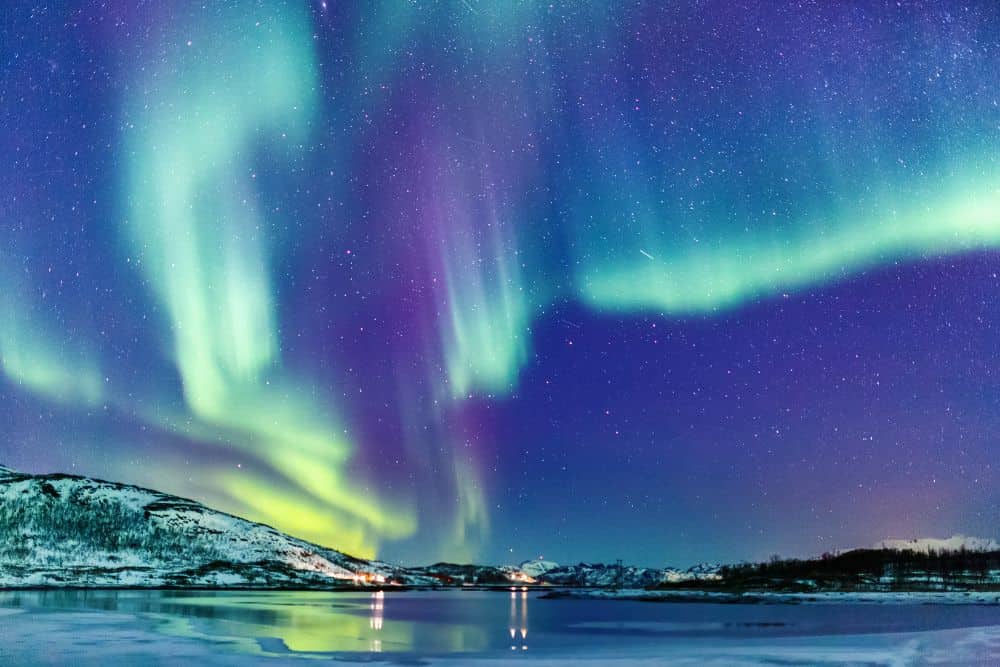
Lapland recalibrates perception through light. Summer nights stretch without darkness and Winter days compress into brief windows of glow. This variability changes how time is felt. Activities align with conditions rather than clocks, and attention sharpens because moments of light matter. The environment teaches awareness without instruction.
Movement That Requires Intention
Travel in the north carries weight; distances are longer, routes are fewer, and preparation replaces spontaneity. This intentionality deepens experience as you notice weather shifts and plan around daylight. You move because movement has purpose, and the landscape rewards that respect.
Helsinki and Lapland: Urban Logic, Northern Freedom
What becomes clear when moving between Helsinki and Lapland is that neither exists without the other. The city provides structure and the north provides scale. Helsinki’s order makes wilderness legible, Lapland’s openness gives urban life context. Together, they form a complete system rather than a contrast, and it’s a relationship that defines Finland more than any single landmark.
Why the Contrast Works
Finland’s north–south dynamic succeeds because it avoids hierarchy. One region isn’t framed as more authentic than the other, both are functional and necessary. The country’s strength lies in its ability to let places be what they need to be – quiet when quiet is required, expansive when space allows.
A Country Best Understood in Sequence
Finland resists instant understanding, it asks for movement, patience, and attention across distance. From Helsinki’s composed streets to Lapland’s open silence, the journey reveals how balance is maintained – not through compromise, but through clarity of purpose. In travelling from south to north, you don’t leave one Finland for another. You trace a single, continuous landscape that changes tone without losing its voice – steady, restrained, and deeply attuned to the land it occupies.
What part of Finland would you most like to visit – Helsinki in the south or Lapland in the north?
* This is a collaborative post – please see my Disclaimer.

Leave a Reply