AD | East Asia has a way of making every journey feel like several holidays rolled into one. You can spend the morning wandering through centuries-old temple grounds, have lunch in a bustling street market, and finish the day beneath a skyline illuminated by neon signs. Beyond the famous landmarks, the region offers extraordinary landscapes, distinctive food traditions and cultural experiences that stay with you long after returning home.
Japan and China provide two very different introductions, but South Korea, Taiwan and Hong Kong deserve attention too. Each destination has its own character, from quiet mountain retreats and traditional villages to energetic cities and spectacular coastlines. Rather than trying to cover everything in one trip, choose experiences in East Asia that reveal different sides of the region and allow enough time to enjoy them properly.
1. Take a Scenic Train Journey Through Japan
Japan’s railway network is an experience in itself, particularly when travelling beyond the major cities. The Shinkansen connects destinations quickly, but slower regional services can be just as rewarding, passing through rural villages, forested valleys, and coastal landscapes. Travelling between Tokyo, Kyoto, and Osaka is a convenient way to explore the country’s contrasting urban centres, while routes through the Japanese Alps reveal a quieter side of the country.
Travellers booking Japan tours should consider including destinations such as Kanazawa, Takayama or the Fuji Five Lakes region rather than concentrating entirely on the Golden Route. These places offer traditional architecture, mountain scenery, local crafts, and regional food that give a broader impression of Japanese life. Leave enough time between train journeys to explore the smaller towns rather than treating them as connections.
2. Walk Along the Great Wall of China
Few travel experiences compare with standing on the Great Wall and looking across the mountains stretching towards the horizon. The sections around Mutianyu are particularly appealing, with restored watchtowers, impressive views, and a cable car option for visitors who would rather avoid the steepest climb. Arrive early if possible, as the quieter hours make it easier to appreciate the scale of the structure.
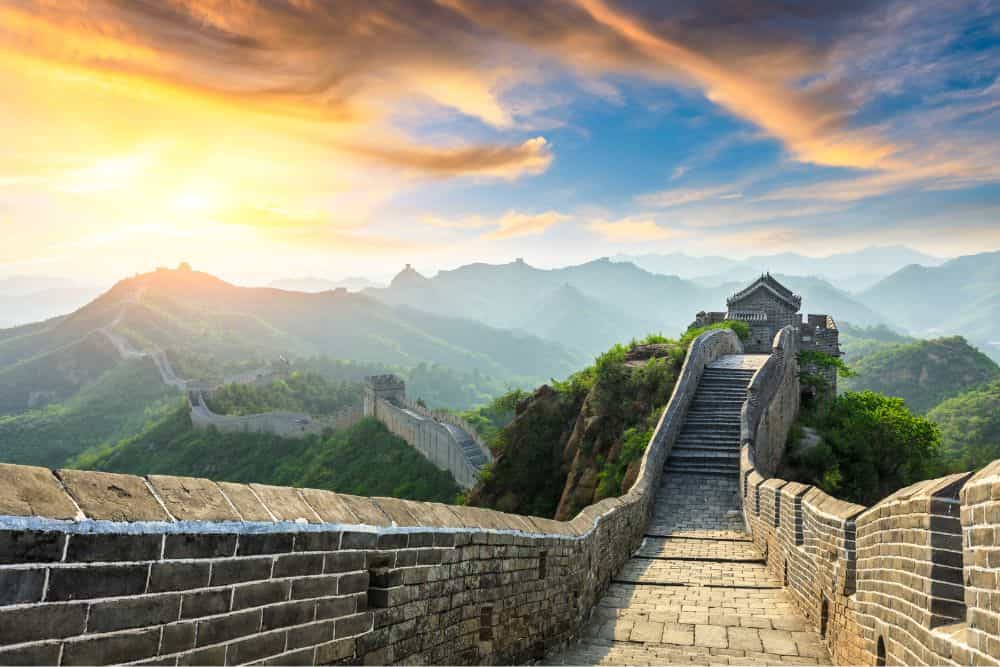
For travellers considering China tours, the Great Wall is an obvious highlight, but it’s worth looking beyond the most photographed viewpoints. Walking between sections gives a better sense of the terrain and the enormous effort involved in building and maintaining this historic defensive system. Wear comfortable shoes, carry water, and allow plenty of time rather than treating the visit as a quick photo stop.
3. Spend an Evening in Tokyo After Dark
Tokyo becomes a different city after sunset. Shinjuku’s illuminated streets, the enormous signs of Shibuya, and the lively entertainment districts create an atmosphere unlike anywhere else. Head to the Shibuya Sky observation deck for a sweeping view of the city, then explore the smaller streets around Omoide Yokocho, where compact restaurants serve grilled skewers and other Japanese favourites.
For something quieter, visit a traditional neighbourhood or take an evening walk beside the Sumida River. Tokyo’s appeal lies in these contrasts, where peaceful corners exist only a short journey from some of the busiest streets in the world.
4. Watch Kyoto’s Temples Come to Life in the Morning
Kyoto is one of the best places to experience Japan’s traditional architecture and religious heritage. Fushimi Inari Taisha, with its thousands of red torii gates, is particularly memorable early in the morning, before the busiest visitor hours. Kiyomizu-dera offers beautiful views over the city, while the narrow lanes of Higashiyama are lined with wooden buildings, small shops and traditional tea houses.
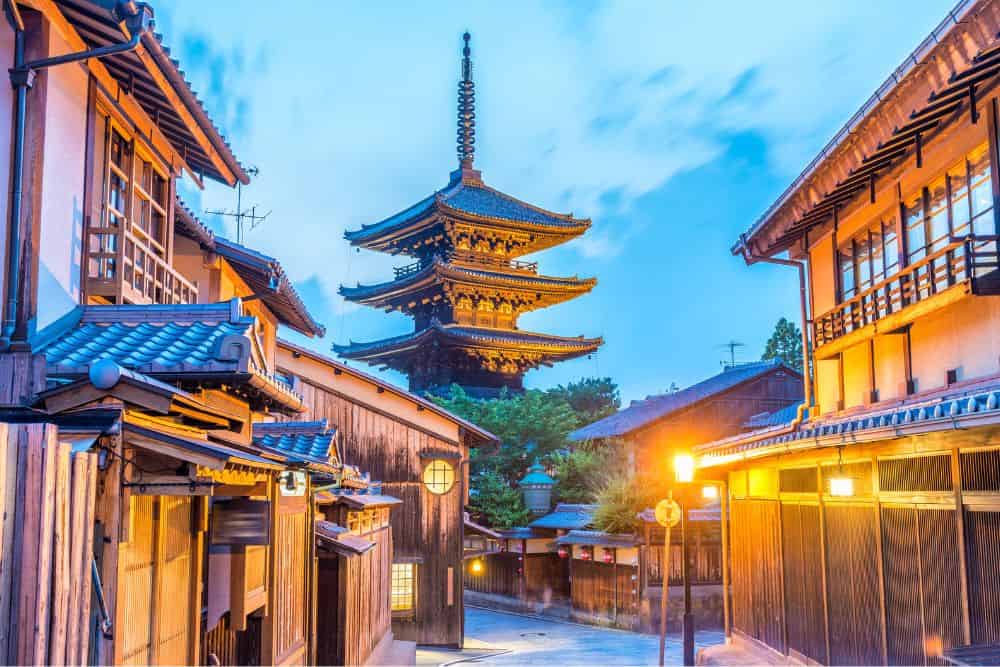
If time allows, visit a Zen garden or take part in a tea ceremony. These experiences provide a glimpse into Japanese aesthetics and hospitality, adding depth to a trip focused on temples and sightseeing.
5. Discover the Terracotta Army in Xi’an
China’s history becomes especially tangible in Xi’an, where thousands of life-sized terracotta figures were created to guard the tomb of the First Emperor, Qin Shi Huang. Discovered by local farmers in 1974, the army includes soldiers, horses, and chariots, with individual figures displaying different facial features and expressions.
The scale of the archaeological site is extraordinary, and seeing the figures arranged in their excavation pits is an experience that photographs cannot fully capture. Allow several hours for the visit, particularly if you want to understand the background through the museum displays. Xi’an itself deserves attention too. Walk along parts of its historic city walls, explore the Muslim Quarter and sample local specialities such as hand-pulled noodles and roujiamo, a savoury meat-filled flatbread.
6. Experience South Korea’s Blend of Old and New
Seoul offers an absorbing combination of royal history, contemporary design, and modern popular culture. Start at Gyeongbokgung Palace, where traditional architecture and changing mountain views create a striking setting. Nearby Bukchon Hanok Village has traditional Korean houses, although visitors should remember that it is also a residential neighbourhood and keep noise to a minimum.
Then head towards Hongdae or Seongsu for independent shops, cafés, and creative spaces. Food is another essential part of the experience. Try Korean barbecue, bibimbap, hotteok pancakes, and street snacks at a traditional market. If you have extra time, take a train south to Busan for coastal scenery, seafood markets, and beaches that provide a completely different perspective on the country.
7. Cruise Through Hong Kong’s Victoria Harbour
Hong Kong’s skyline is impressive from almost any angle, but seeing it from the water is something special. Take the Star Ferry between Central and Tsim Sha Tsui, preferably around sunset when the city’s towers begin to light up. The short crossing is an everyday part of local transport, yet it offers some of the finest views of the harbour without the cost of an organised sightseeing cruise.
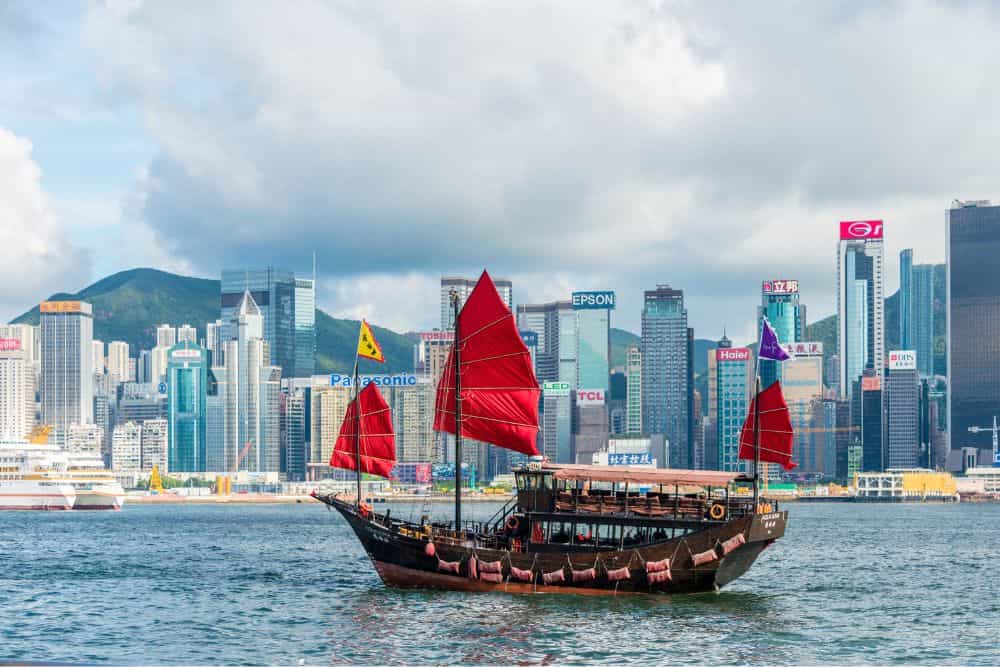
Beyond the waterfront, Hong Kong has plenty of contrasting experiences. Ride the Peak Tram for panoramic views, explore the traditional shops and markets of Sham Shui Po, or escape the city centre for a walk along the Dragon’s Back trail. A visit to a local tea restaurant is another worthwhile experience, particularly if you want to try pineapple buns, egg tarts, and Hong Kong-style milk tea.
8. Explore Taiwan’s Night Markets
Taiwan’s night markets bring together food, shopping and local entertainment in a lively setting. Taipei’s Shilin and Raohe markets are popular starting points, with stalls selling everything from pepper buns and oyster omelettes to sweet potato balls and shaved ice. The best approach is to arrive hungry, order smaller portions from several stalls and try dishes you might not recognise immediately.
Night markets are also an opportunity to see how food fits into everyday Taiwanese life. Families meet for dinner, friends browse the stalls, and vendors prepare dishes in front of customers. Once you’ve eaten your way through the market, spend some time exploring the surrounding streets or visit a nearby temple. The combination of local flavours and neighbourhood atmosphere makes this an experience worth planning an evening around.
9. Watch the Sunrise Over Mount Fuji
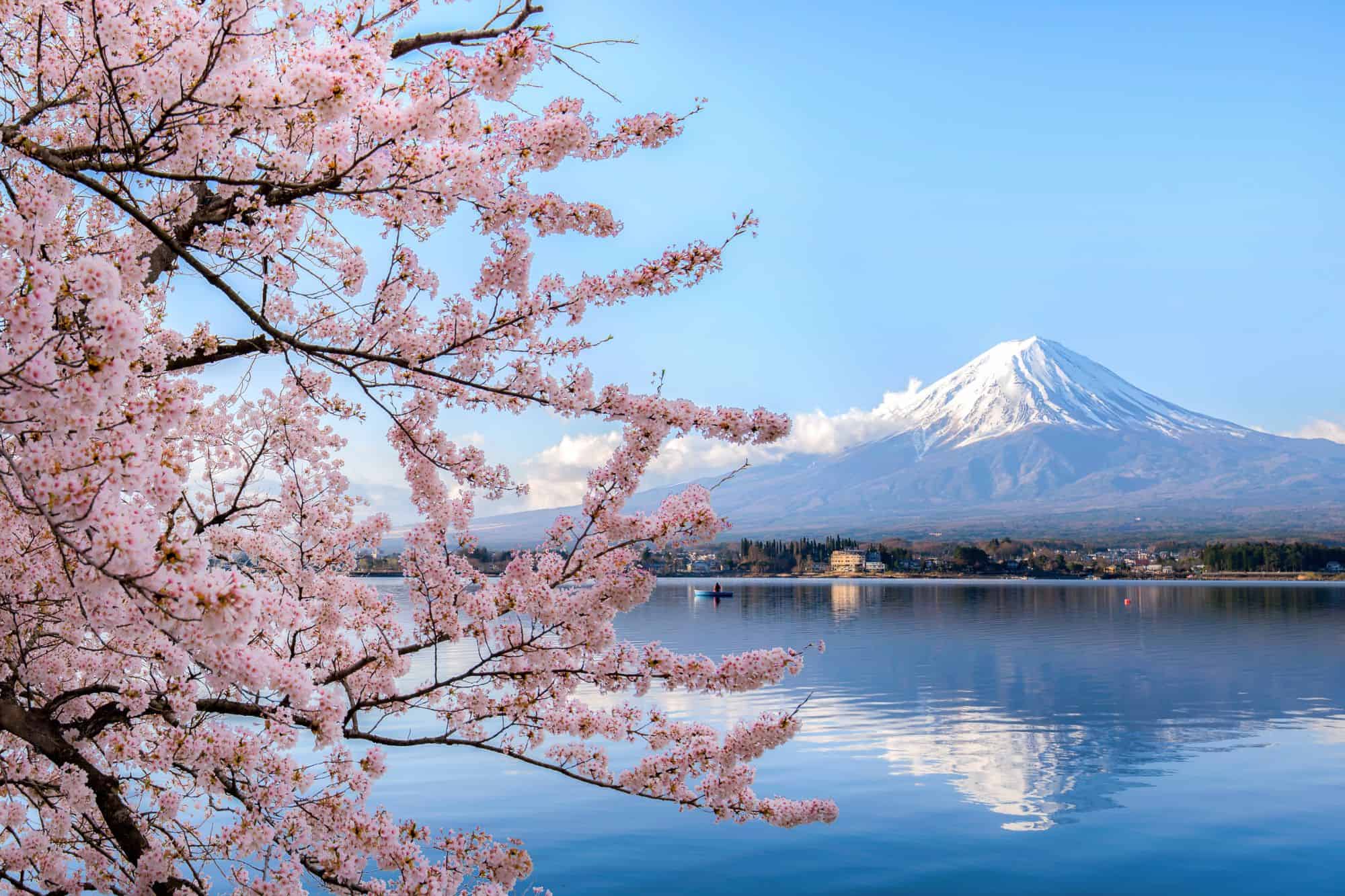
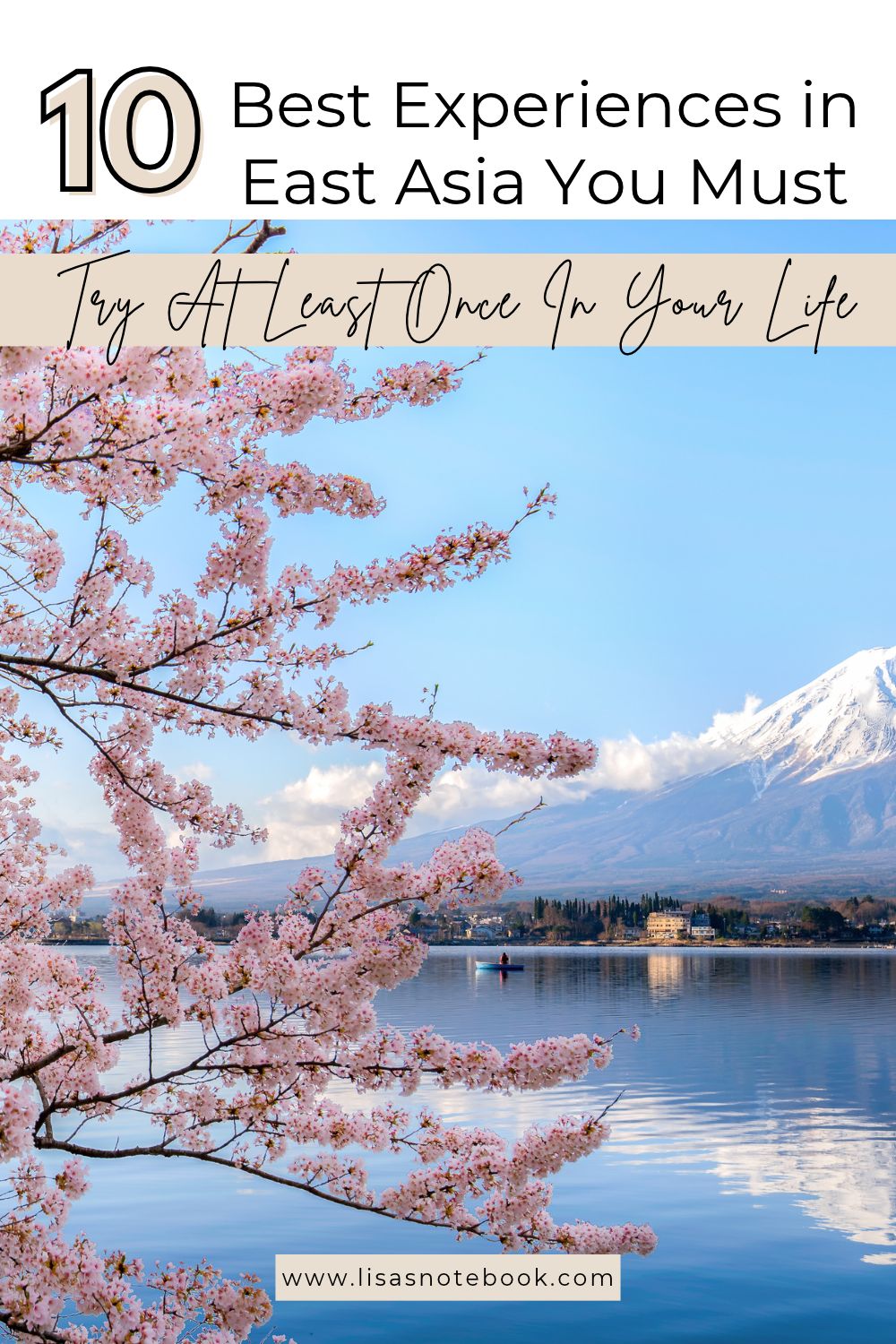
Mount Fuji is one of Japan’s most recognisable sights, but seeing it in person depends heavily on weather conditions. The Fuji Five Lakes region offers several excellent viewpoints, particularly around Lake Kawaguchiko, where the mountain can appear reflected in the water on calm mornings. Autumn brings colourful foliage, while spring offers cherry blossoms around the lake. In winter, clear skies often provide particularly impressive views.
You don’t necessarily need to climb the mountain to appreciate it. A lakeside walk, a visit to a traditional village, or a night in a ryokan with an onsen can make the experience memorable. If you plan to climb, research the official seasonal arrangements and safety requirements beforehand, as access and regulations vary.
10. Experience Traditional Life in a Japanese Ryokan
Spending a night in a traditional Japanese inn offers a completely different rhythm from staying in a modern city hotel. Ryokan accommodation often includes tatami-mat rooms, futon bedding, seasonal meals and access to communal or private hot-spring baths, depending on the property. The experience encourages guests to slow down and appreciate Japanese hospitality, from the presentation of dinner to the careful arrangement of the room.
Hakone, Kinosaki Onsen, and several mountain towns are popular places to experience this style of accommodation. Some ryokan have strict bathing customs, so familiarise yourself with the etiquette before visiting an onsen. For many travellers, an evening in a hot spring followed by a traditional multi-course meal becomes one of the most memorable parts of a Japanese holiday.
East Asia Is Best Experienced Beyond the Landmarks
The appeal of East Asia lies in its variety. One journey might involve ancient imperial history and archaeological discoveries, while another could centre on night markets, mountain landscapes, coastal walks or traditional accommodation. Japan and China offer an enormous range of experiences, but South Korea, Taiwan and Hong Kong add their own distinctive perspectives.
You don’t need to visit every destination to appreciate the region. Choose a few experiences in East Asia that genuinely interest you, allow time for local food and everyday discoveries, and avoid packing too many long journeys into one itinerary. The moments between the famous attractions, whether a quiet temple visit or an evening ferry crossing, are often the ones that leave the strongest impression.
* This is a collaborative post – please see my Disclaimer.




Leave a Reply