
AD | Japan is often described through contrast, but the more revealing story is continuity. The country’s cultural spine runs between Tokyo and Kyoto, not as a fault line but as a connective thread. Movement along it recalibrates attention rather than replacing it. Speed sharpens awareness; stillness refines it. Together, these cities show how Japan sustains intensity without losing memory.
What binds them is rhythm. Trains arrive precisely, ritual repeats quietly, neighbourhoods function with inherited logic. Travel here doesn’t ask you to choose between past and present; it invites you to notice how they coexist.
Density, Direction, and Daily Precision in Tokyo
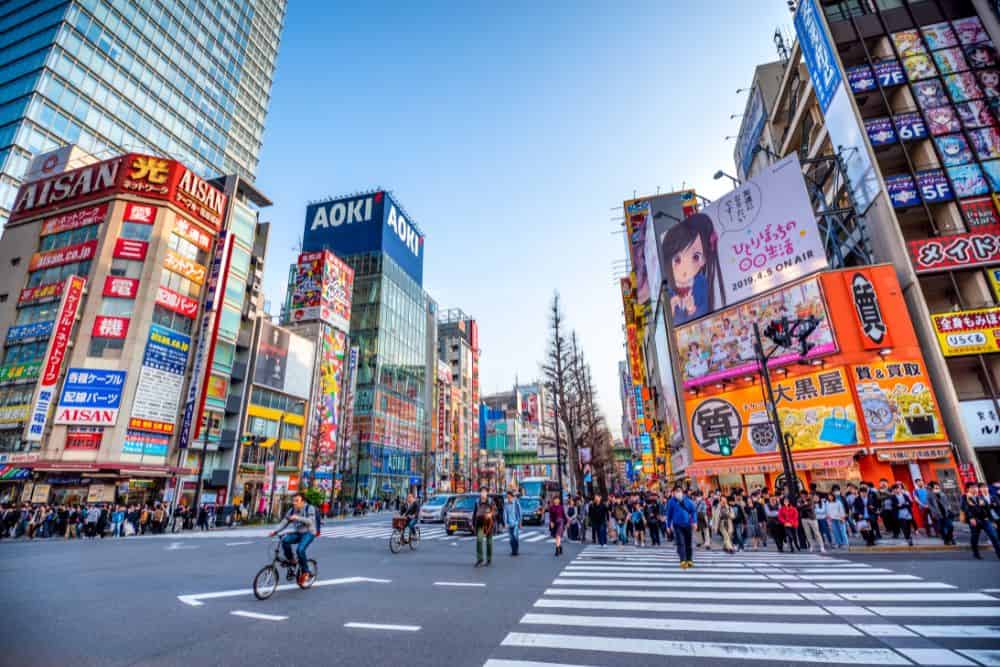
Tokyo’s energy isn’t chaotic, it’s regulated. Crossings release in waves, platforms choreograph movement. Quiet exists in distribution – found on side streets, upper floors, and the pauses between trains. The city rewards attention because it expects it.
What stands out is legibility at scale. Districts operate as complete worlds, stitched together by systems that value clarity over spectacle. Even novelty is absorbed quickly, folded into routine. Tokyo moves fast, but it doesn’t rush meaning.
Ritual Pockets Inside the Metropolis
Sacred space in Tokyo doesn’t retreat; it fits. Small shrines appear between buildings, trees interrupt concrete, bells ring beside traffic without competing with it. These pockets stabilise the city’s momentum, offering relief without escape. The effect is cumulative. A brief pause recalibrates the next burst of movement. Tokyo remains sustainable because intensity is balanced, not denied.
The Spine in Motion
Transition is where the cultural spine becomes visible. Platforms quiet the mind before acceleration arrives, precision prepares you for speed. Taking the bullet train from Tokyo to Kyoto compresses distance without flattening experience. Suburbs give way to fields, then reorganise again. The country reveals its connective tissue rather than its contrasts, so you arrive oriented, not disoriented.
Understanding Kyoto through Walking
Kyoto teaches through walking; routes curve, and boundaries are felt rather than marked. A short distance accumulates nuance: light shifts, textures change, quiet gathers. The city is read with the body before the mind. This embodied learning contrasts with Tokyo’s visual literacy, yet the two are complementary. One trains awareness; the other refines it.
Composure, Craft, and Care
Kyoto’s heritage isn’t staged, it’s practiced. Streets ask you to slow without telling you to stop. Stone changes footing, sound softens as paths narrow. The city’s power lies in placement – shrines at corners, gardens as transitions, rituals embedded in routine.
Here, time behaves differently. Repetition carries meaning and return deepens understanding. The city doesn’t demand attention; it assumes it. For travellers interested in Kyoto tours, this composure often becomes the lasting impression – not a single landmark, but a way of moving through space.
Craft Without Exhibition
Craft in Kyoto survives because it remains useful. Workshops operate behind modest façades, and skills pass through repetition rather than proclamation. Objects are made to be used, repaired, and returned to. This practicality keeps heritage alive. Nothing is precious beyond function; nothing is functional without care.
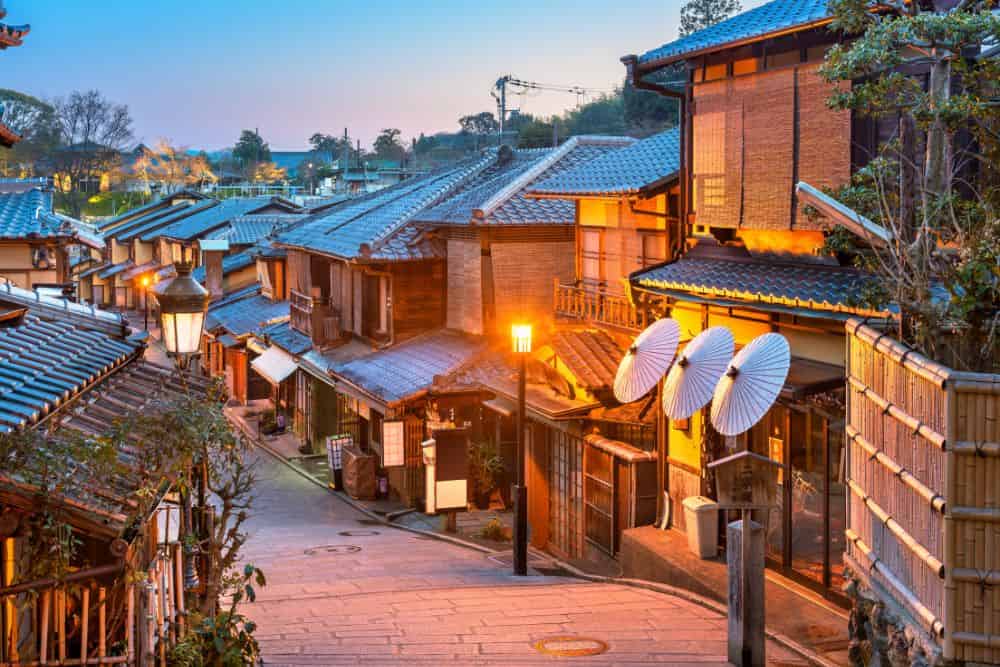
Across both cities, movement is a shared language. You learn when to stand, when to walk, when to wait. This choreography builds trust among strangers and keeps density humane. It’s a cultural literacy practiced daily, one that allows contrast without confusion.
Energy That Learns From Stillness
What becomes clear after moving between the cities is how much Tokyo borrows from Kyoto – attention to detail, respect for process, tolerance for quiet. Likewise, Kyoto benefits from Tokyo’s efficiency, which keeps tradition accessible rather than isolated. The spine works because influence moves both ways.
Why the Link Holds
Japan’s cultural spine endures because it isn’t only symbolic, it’s operational. Infrastructure supports habit, habit sustains meaning. Change arrives quickly, but it is absorbed into patterns that already work. Tokyo provides scale and experimentation. Kyoto provides depth and calibration. Neither replaces the other.
A Journey That Clarifies Rather Than Divides
Linking Tokyo’s energy with Kyoto’s heritage isn’t about choosing a favourite. It’s about understanding sequence. Speed teaches focus, and stillness teaches care. Together, they show how Japan maintains balance without compromise. Travel along this spine reframes expectation. You don’t move from modern to traditional; you move between two ways of paying attention – both precise, both generous, both deeply rooted in daily life.
Have you ever visited Japan? Did you travel to Tokyo or Kyoto? If not, would you be tempted now?
* This is a collaborative post – please see my Disclaimer.

Such a great guide! I loved the insights into Tokyo and Kyoto culture — it makes learning about Japan’s traditions and travel highlights so much easier. Thanks for sharing this helpful post! 🇯🇵✨
Thank you, I’m so pleased you found this article helpful. 🙂