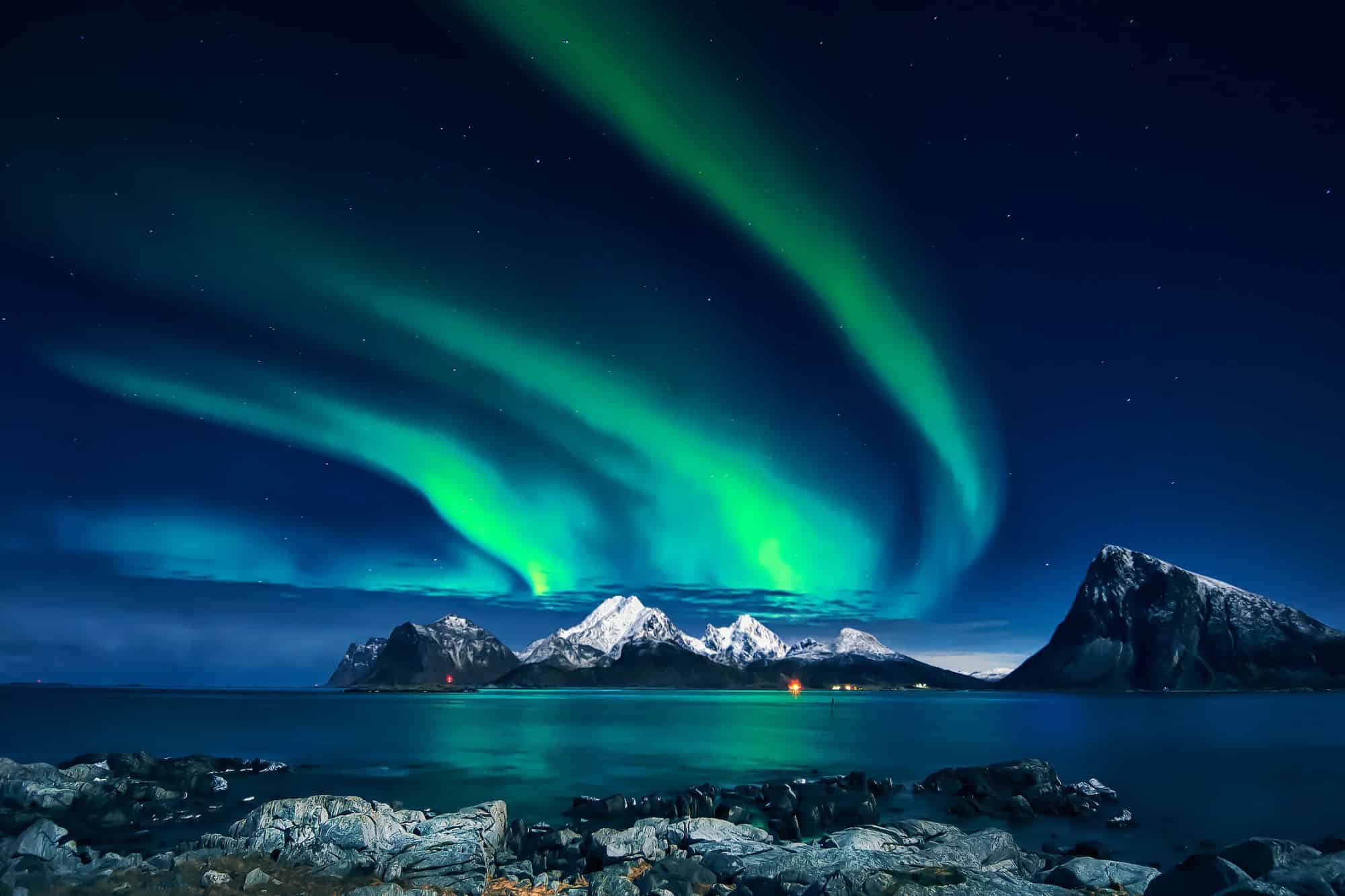
AD | Few natural spectacles inspire as much anticipation as the Northern Lights. One moment, the Arctic sky appears completely dark, with nothing but stars above the horizon. Then a faint green glow emerges, gradually forming ribbons of light that move and change shape across the night. Seeing the Aurora Borealis in person is an unforgettable experience, but planning a trip around it requires more than choosing a destination and hoping for clear skies.
The Nordic countries offer several excellent places to look for the lights, each with a different landscape and atmosphere. Norway brings dramatic fjords and coastal mountains, Finland has snowy forests and glass-roofed cabins, while Sweden offers remote Arctic wilderness and some particularly dark viewing locations. When chasing the Northern Lights, the trick is to allow enough time, stay flexible, and remember that nature doesn’t follow a travel itinerary.
Finland: Arctic Nights and the Magic of Lapland
Finnish Lapland is one of the most appealing destinations for an Aurora holiday, particularly if you want to combine night-time excursions with traditional winter activities. Rovaniemi is a convenient starting point, with accommodation, restaurants, and organised excursions available throughout the winter season. It’s also home to Santa Claus Village, making it a popular choice for families who want to combine festive attractions with the possibility of seeing the lights.
One of the most enjoyable ways to reach the north is the overnight train from Helsinki to Rovaniemi. You can settle into a sleeping compartment in the evening and wake up in Lapland, ready to explore. From Rovaniemi, continue towards quieter destinations such as Saariselkä, Levi or Inari if you want darker surroundings and a stronger sense of being in the Arctic wilderness.
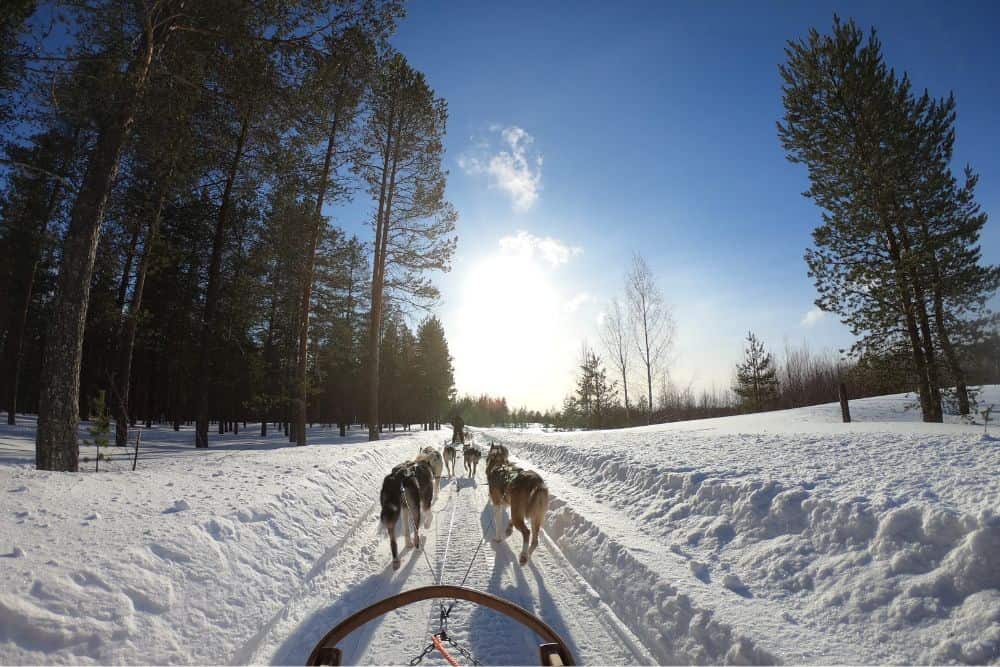
There’s plenty to do during daylight hours, too. Try a husky sled ride, visit a reindeer farm, explore snowy forest trails, or spend an afternoon in a traditional Finnish sauna. Some accommodation providers offer glass-roofed cabins, allowing guests to watch the night sky from a warm room. They are certainly atmospheric, although no accommodation can guarantee an Aurora appearance.
Norway: Fjords, Coastal Towns and Arctic Adventures
Norway offers a dramatic setting for northern lights watching. Tromsø is one of the best-known bases, with a lively town centre, good visitor facilities, and access to surrounding mountains and coastal landscapes. It’s also a convenient starting point for guided excursions, which can travel away from city lights in search of clearer skies. If you prefer somewhere quieter, consider Alta, Senja or the Lofoten Islands.
An organised Aurora chase can be particularly useful in Norway because coastal weather conditions vary considerably. Experienced local guides monitor cloud cover and may change locations during the evening to improve viewing opportunities. You can also combine the experience with dog sledding, snowshoeing or a visit to a traditional Sami cultural centre.
Norway’s railways offer another reason to explore the country. The Oslo to Bergen train journey is one of Europe’s most scenic railway trips, crossing mountain plateaus and beautiful valleys. Bergen is not an Arctic northern lights destination, so it shouldn’t be treated as the main base for an Aurora holiday. However, the journey makes a wonderful addition to a wider Norwegian itinerary before heading north by air or another suitable connection.
Sweden: Head North to Abisko and Kiruna
Sweden’s northern reaches offer some of the most rewarding conditions for Aurora watching, particularly around Abisko and Kiruna. Abisko National Park is famous among northern lights enthusiasts because of its mountain setting and the local weather patterns that can sometimes produce clearer skies than surrounding areas.
The Aurora Sky Station on Mount Nuolja is a particularly well-known viewing location, reached by chairlift when operating. Kiruna provides another useful base, with opportunities to explore the surrounding wilderness and visit the famous Icehotel in nearby Jukkasjärvi.
Staying outside the main town can help reduce light pollution, while guided excursions make it easier to find suitable viewing spots. If you enjoy combining natural attractions with unusual accommodation, a night in an ice room can add something memorable to the trip.
Sweden is also a good choice for travellers who enjoy outdoor activities beyond aurora hunting. Snowshoeing, cross-country skiing, and dog sledding are popular ways to explore the winter landscape. During the day, you can visit small settlements, learn about Sami traditions, and enjoy the stillness of the forests. Just remember that distances in northern Sweden are considerable, so avoid planning too many stops within a short holiday.
When Is the Best Time to See the Northern Lights?
The Aurora season across much of the Nordic region generally runs from late August or September until March or early April. Darkness is essential, so the long summer days are unsuitable for viewing, even though auroral activity continues throughout the year. Autumn and spring can be particularly rewarding, with September, October, February and March often offering favourable conditions.
Winter remains popular because the long nights provide plenty of opportunities to watch the sky. December and January also bring the classic Arctic scenery many travellers imagine, with snow-covered forests, frozen lakes and cosy accommodation. However, the cold can be intense while chasing the Northern Lights, particularly when standing outside for extended periods.
If you prefer milder temperatures and fewer visitors, early autumn or late winter may be a better fit. Cloud cover is just as important as auroral activity. A strong display is no use if thick clouds hide the sky, so check both the local weather forecast and an Aurora forecast during your stay. Ideally, plan at least three or four nights in an area with good viewing conditions rather than relying on a single evening.
How to Give Yourself the Best Chance of Seeing the Lights
There’s no guaranteed way to see the Northern Lights, but a few practical decisions can improve your chances.
- Spend several nights in your chosen destination. Even during a promising season, cloud cover or low auroral activity can spoil an individual evening. A stay of four or five nights gives you more opportunities to catch a display than a brief overnight stop.
- Get away from artificial light. A dark lakeshore, open field, or hillside often provides a much better view than a brightly illuminated town centre. If you’re unfamiliar with the area, join a local excursion rather than driving into remote countryside without knowing the roads or conditions.
- Check forecasts during the day, dress for prolonged exposure to freezing temperatures, and take spare gloves, warm socks, and a properly insulated jacket.
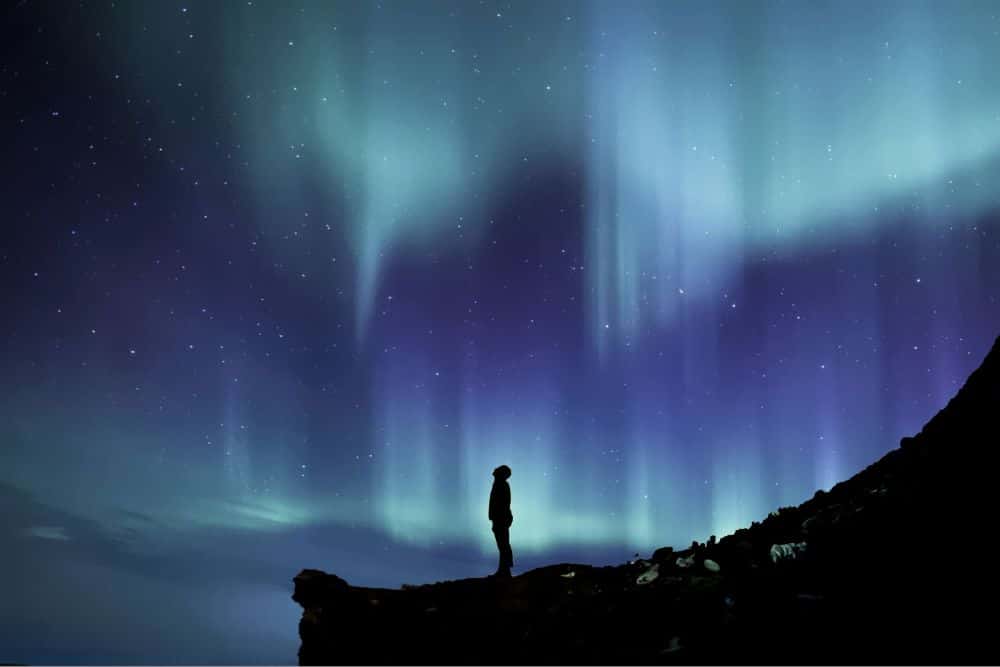
- A tripod and camera with manual settings can help capture the colours, although modern phones with night photography modes can produce surprisingly good results. Don’t spend the entire evening looking at a screen, though. Some displays are much more vivid to the naked eye than photographs suggest, and watching the lights move overhead is, after all, the real reason for making the journey.
Make the Journey About More Than the Aurora
A Northern Lights holiday should offer plenty to enjoy even if the sky stays cloudy. Choose a destination with activities and scenery that appeal to you, rather than selecting accommodation solely for its advertised Aurora views. Finland’s saunas and winter forests, Norway’s dramatic coastline, and Sweden’s remote national parks can all make your chasing the Northern Lights trip worthwhile independently of the weather.
Most importantly, resist the urge to rush between countries in search of the perfect display. Choose one main base, allow enough nights for a few attempts, and enjoy the surrounding landscape during the day. The Northern Lights are unpredictable, but that uncertainty is part of their appeal. When the sky finally does begin to glow, having waited patiently in the Arctic darkness makes the experience all the more special.
* This is a collaborative post – please see my Disclaimer.



Leave a Reply