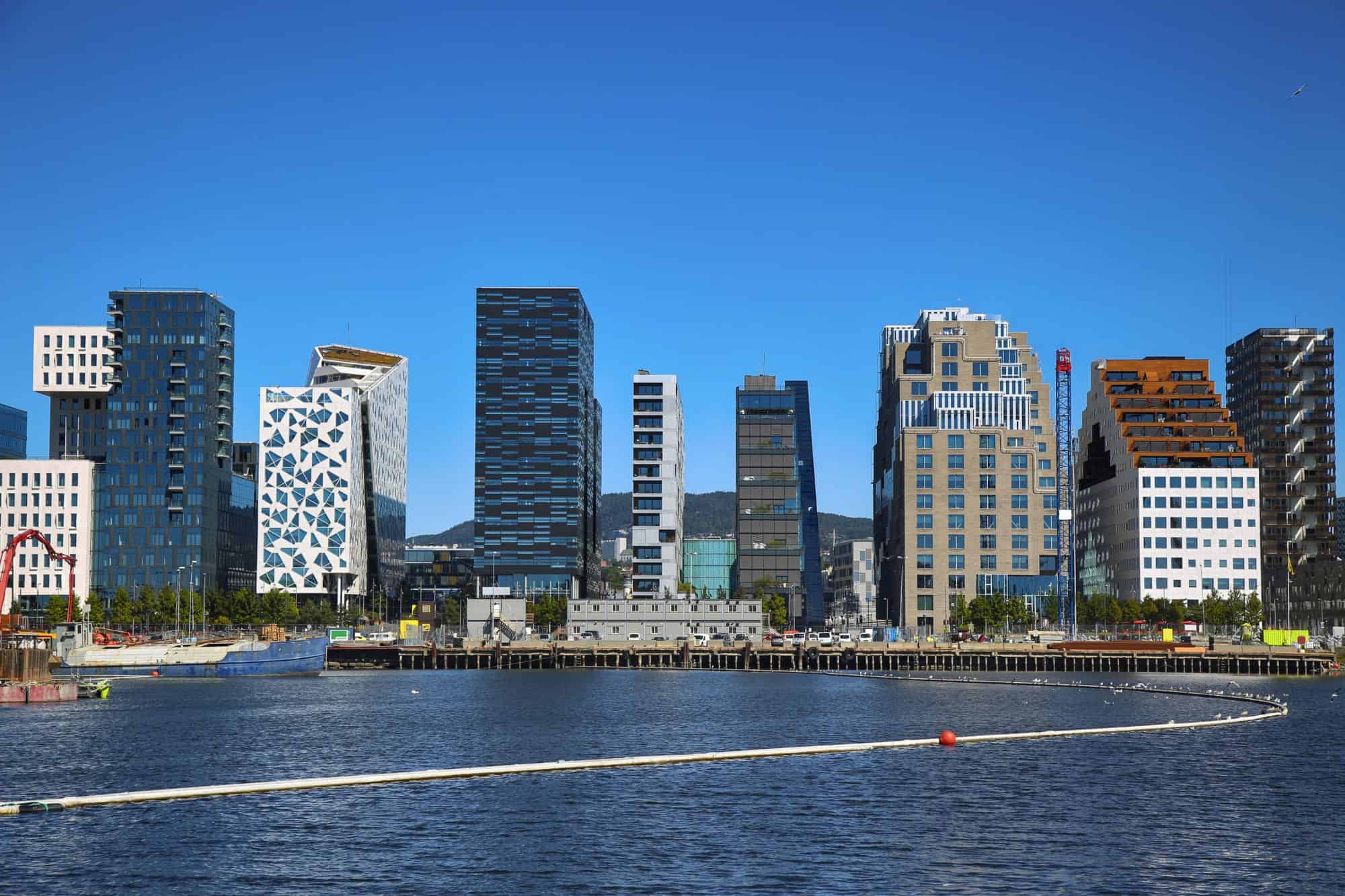
Norway’s coastal cities carry confidence without display. Their elegance is measured, shaped by geography and habit rather than ornament. In Oslo and Bergen, the relationship between land and water dictates rhythm – broad avenues open toward the fjord, while wooden quays tuck themselves against rain and tide. History here isn’t staged; it’s maintained through use.
What connects these cities is restraint. Architecture avoids excess. Public space prioritises access. Movement feels deliberate. Travelling between Oslo and Bergen isn’t a leap between opposites, but a gradual recalibration – from formality to intimacy, from linear order to layered texture.
Alignment and Civic Confidence in Oslo
Oslo’s centre reads clearly. Streets extend with purpose. Royal avenues create long sightlines that anchor the city to the fjord, reinforcing a sense of openness even within density. The city’s design reflects a trust in space – allowing buildings to breathe and people to move without compression.
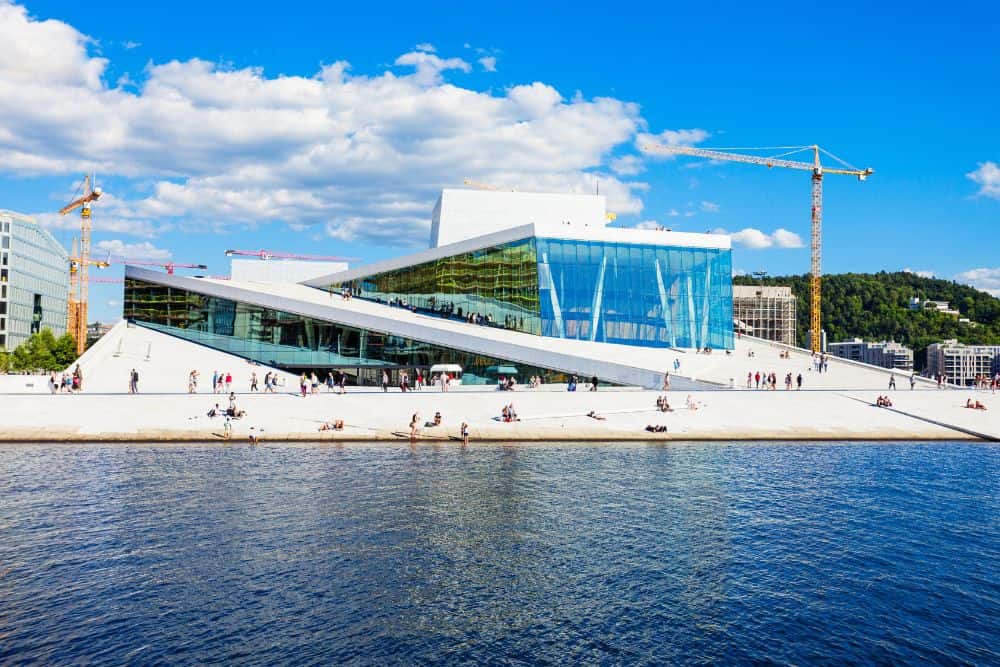
Daily life unfolds calmly here. Parks are used rather than admired. Waterfront paths function as commuting routes as much as evening promenades. Oslo’s elegance lies in how little it insists; it expects participation without performance. For travellers considering tailored Norway tours, this clarity often defines the first impression – a capital that feels confident without feeling closed.
A City That Values Access Over Display
Oslo resists monumentality. Cultural institutions sit near transport hubs and residential districts, integrated rather than elevated. The effect is familiarity. Art, history, and governance remain close to daily routines. This accessibility prevents distance from forming between people and place. The city remains readable because it is lived in.
Westward Without Losing the Thread
Norway’s internal journeys preserve context. Movement is designed to reveal rather than distract. Taking the Oslo to Bergen train transforms distance into experience. Forests thicken. plateaus widen, light changes as elevation rises. The route does not rush the transition; it allows the landscape to explain itself. Arrival feels prepared rather than abrupt.
Colour, Trade, and Memory in Bergen
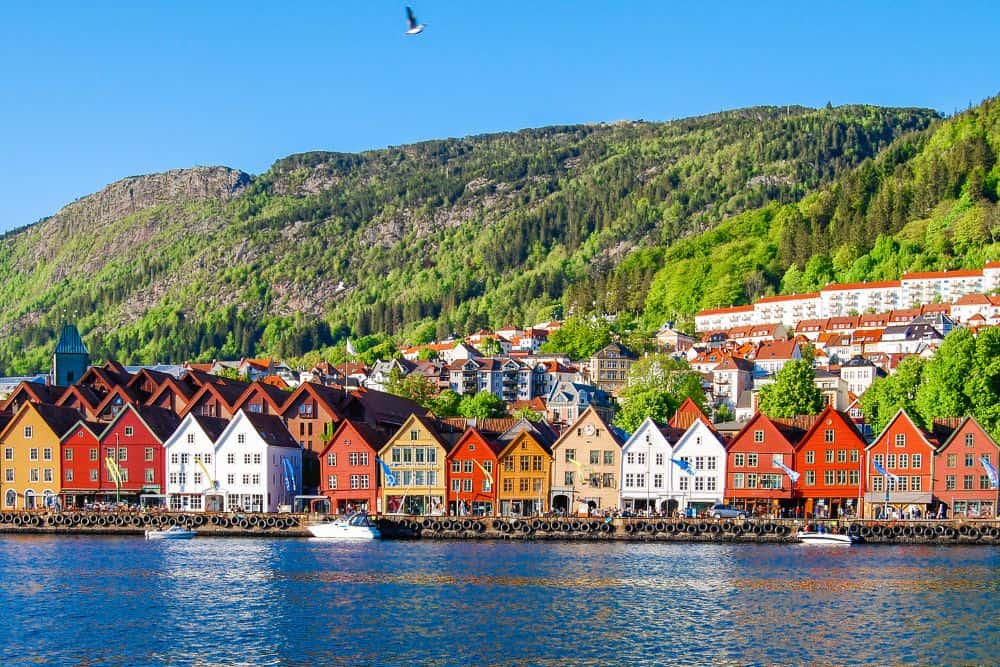
Bergen approaches elegance differently. Where Oslo aligns, Bergen layers. Rain softens edges. Streets curve. The city’s harbour remains central, shaping movement and conversation. Life here feels closer together. Markets gather early. Neighbourhoods cluster around shared routes. The city’s scale invites interaction without congestion. Bergen’s identity remains maritime – outward-facing, practical, and resilient.
Working History at Bryggen
Bryggen does not behave like a museum. Its wooden structures remain narrow, uneven, and active. Passages lead inward unexpectedly. Shops and workshops occupy spaces shaped by centuries of trade. The site’s power lies in continuity. Timber buildings endure because they are repaired, reused, and respected without being isolated. History remains tangible because it remains functional. Walking here feels less like observation and more like participation.
Two Cities, One Coastal Logic
Oslo and Bergen differ in texture, but share values. Both prioritise public access. Both allow history to remain operational. Both trust landscape to set tone. One expresses elegance through alignment and openness. The other through colour, proximity, and repetition. Together, they reveal how Norway sustains identity across varied terrain.
Weather as Design Partner
Norway’s coastal climate shapes behaviour as much as architecture. Rain and wind encourage inward gathering. Light becomes precious. Colour gains importance against grey skies. Both Oslo and Bergen respond thoughtfully. Materials absorb weather gracefully. Public space adapts rather than retreats. Cities feel inhabited regardless of conditions. This responsiveness gives Norwegian elegance its durability.
Water as Cultural Anchor
In both cities, water remains central – not as backdrop, but as reference point. Fjords organise perspective. Harbours guide growth. Movement often follows the edge between land and sea. This orientation keeps cities grounded. Expansion happens carefully, always aware of limits imposed by geography.
Why Coastal Elegance Endures Here
Norway’s cities endure because they don’t fight their conditions. They adapt to light, weather, and scale with patience. Change arrives incrementally, absorbed into patterns that already work. Culture remains active because it’s not separated from daily life. Streets are crossed. Quays are used. Buildings age visibly without losing purpose.
A Journey That Clarifies Rather Than Competes
Moving between Oslo’s avenues and Bergen’s Bryggen isn’t about choosing a favourite. It’s about understanding sequence – how order prepares you for intimacy, how openness sharpens appreciation for detail. Norway’s coastal elegance lies in this balance. Cities don’t overwhelm, they invite return. And in that invitation, they reveal a country comfortable with itself – composed, resilient, and quietly confident along the water’s edge.
Does a trip to the Norwegian coast appeal to you? Where would you choose to visit first – Oslo or Bergen?
* This is a collaborative post – please see my Disclaimer.

Leave a Reply