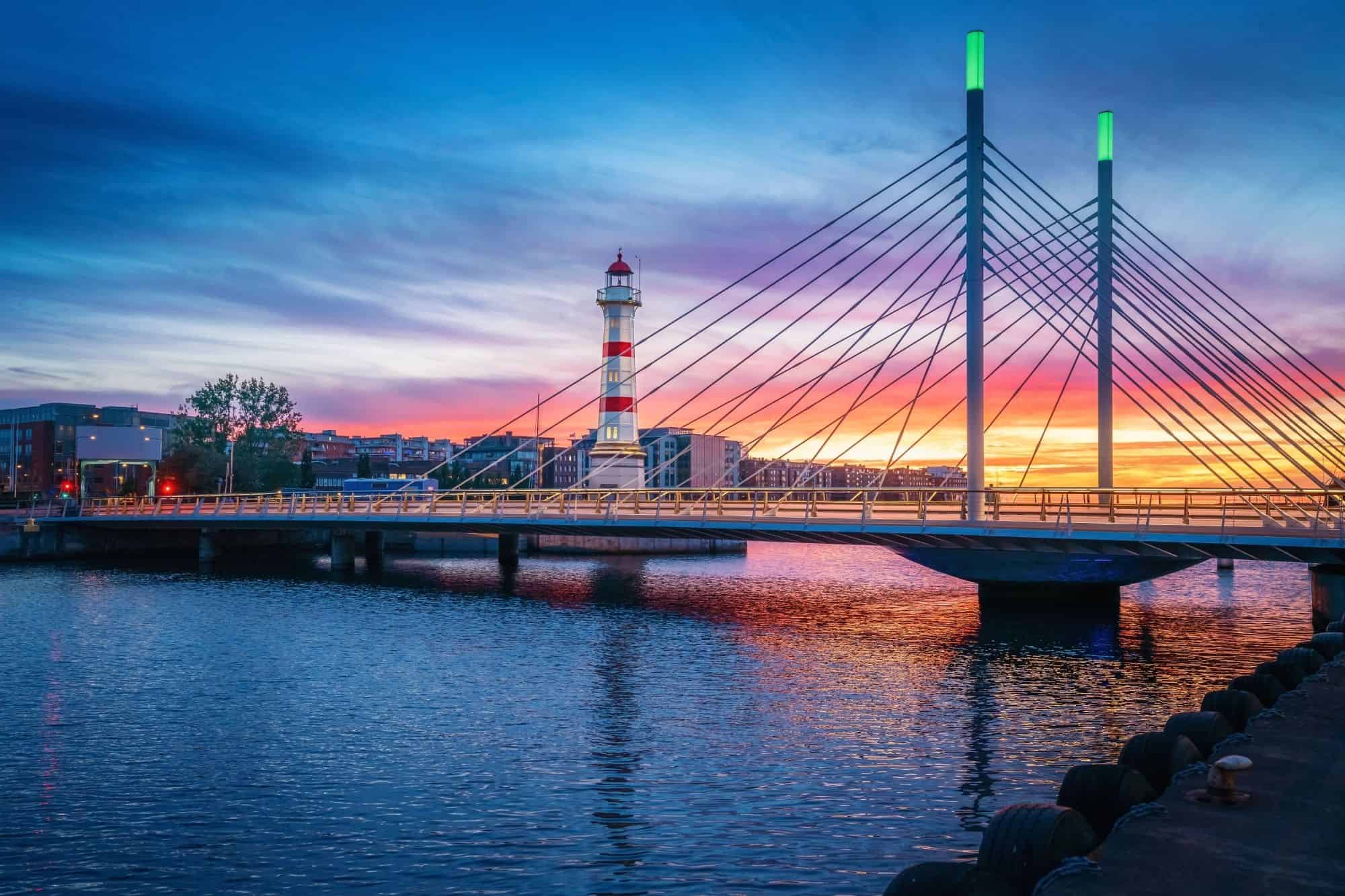
AD | Scandinavia is a region shaped by water. Deep fjords cut into Norway’s western coast, fishing harbours sit beneath steep mountains, and the Baltic and North Sea connect cities that have traded, travelled and shared ideas for centuries. A journey through Norway, Sweden and Denmark reveals how closely landscape and transport are intertwined.
Rail travel offers an especially appealing way to experience the Scandinavian Coast in this northern corner of Europe. Instead of flying between capitals, passengers can watch forests, lakes, farmland and coastlines unfold beyond the window. The route becomes part of the experience, linking dramatic natural scenery with some of Scandinavia’s most characterful cities.
Bergen Beneath the Seven Mountains
Bergen makes an atmospheric beginning. The Norwegian city sits between mountains and water, with colourful wooden buildings lining the historic harbour of Bryggen. Once an important centre of Hanseatic trade, the waterfront still carries traces of the city’s maritime past.
The surrounding landscape is impossible to ignore. Mountains rise almost immediately beyond the urban centre, while boats head out towards islands and fjords throughout the day. Take the Fløibanen funicular towards Mount Fløyen for sweeping views over rooftops, harbour waters and the mountains beyond.
Bergen also has a strong culinary identity. Seafood features prominently in local restaurants, while the city’s cafés provide welcome shelter when the weather turns characteristically changeable.
Across Norway’s Mountain Country
The railway journey inland provides one of Scandinavia’s most impressive changes of scenery. The Bergen to Oslo by train route crosses mountainous terrain, high plateaus and remote valleys before descending towards Norway’s capital.
During the colder months, snow transforms the landscape into an almost monochromatic wilderness. Summer reveals a completely different setting, with green slopes, waterfalls and mountain lakes appearing alongside the tracks.
The journey is rewarding precisely because there is no need to organise a succession of viewpoints. The scenery arrives naturally, changing from rugged western landscapes to forests and lower-lying countryside as the train approaches Oslo.
Oslo by the Water
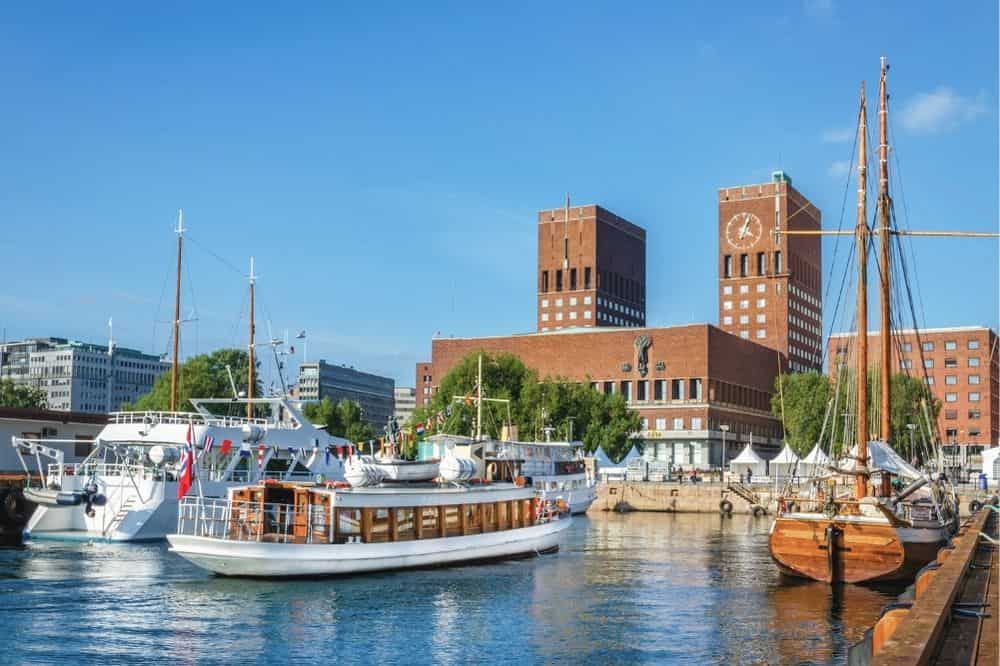
Norway’s capital has a more spacious and contemporary feel than Bergen. The city stretches around the Oslofjord, with parks, modern architecture and residential districts surrounding the compact centre.
The Opera House is one of the city’s most recognisable buildings, its sloping roof designed so pedestrians can walk upwards for views across the harbour. Nearby, the waterfront development around Bjørvika combines galleries, restaurants and new architecture.
For a glimpse of Norway’s maritime history, the Fram Museum and Viking Ship Museum area on Bygdøy are worth exploring. Ferries also make it easy to reach islands and coastal areas within the fjord, turning a city break into something resembling a miniature seaside escape.
Swedish Shores and City Life
Heading east and south introduces Sweden’s relationship with its extensive coastline and waterways. Stockholm is built across numerous islands, creating a city where bridges, ferries and waterfront promenades are part of everyday life.
Gamla Stan, the historic centre, is filled with narrow lanes, colourful façades and centuries-old buildings. Elsewhere, Södermalm brings independent shops, cafés and restaurants, with elevated viewpoints overlooking the water.
Stockholm’s archipelago extends far beyond the city itself. Thousands of islands and skerries create opportunities for boat trips, kayaking and summer excursions, while smaller communities offer a quieter taste of Swedish coastal life.
Across the Öresund
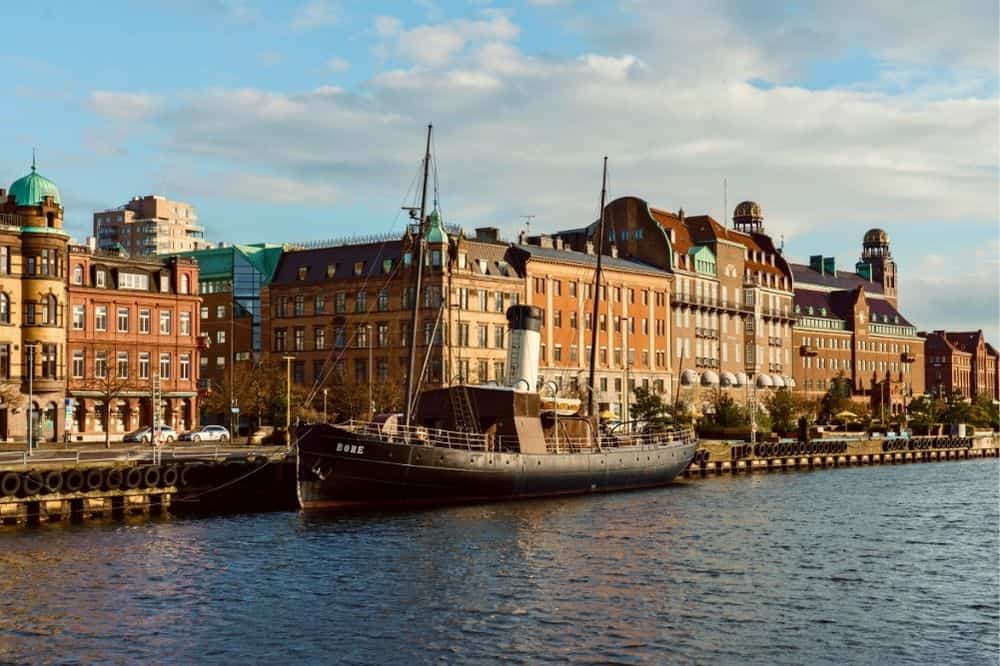
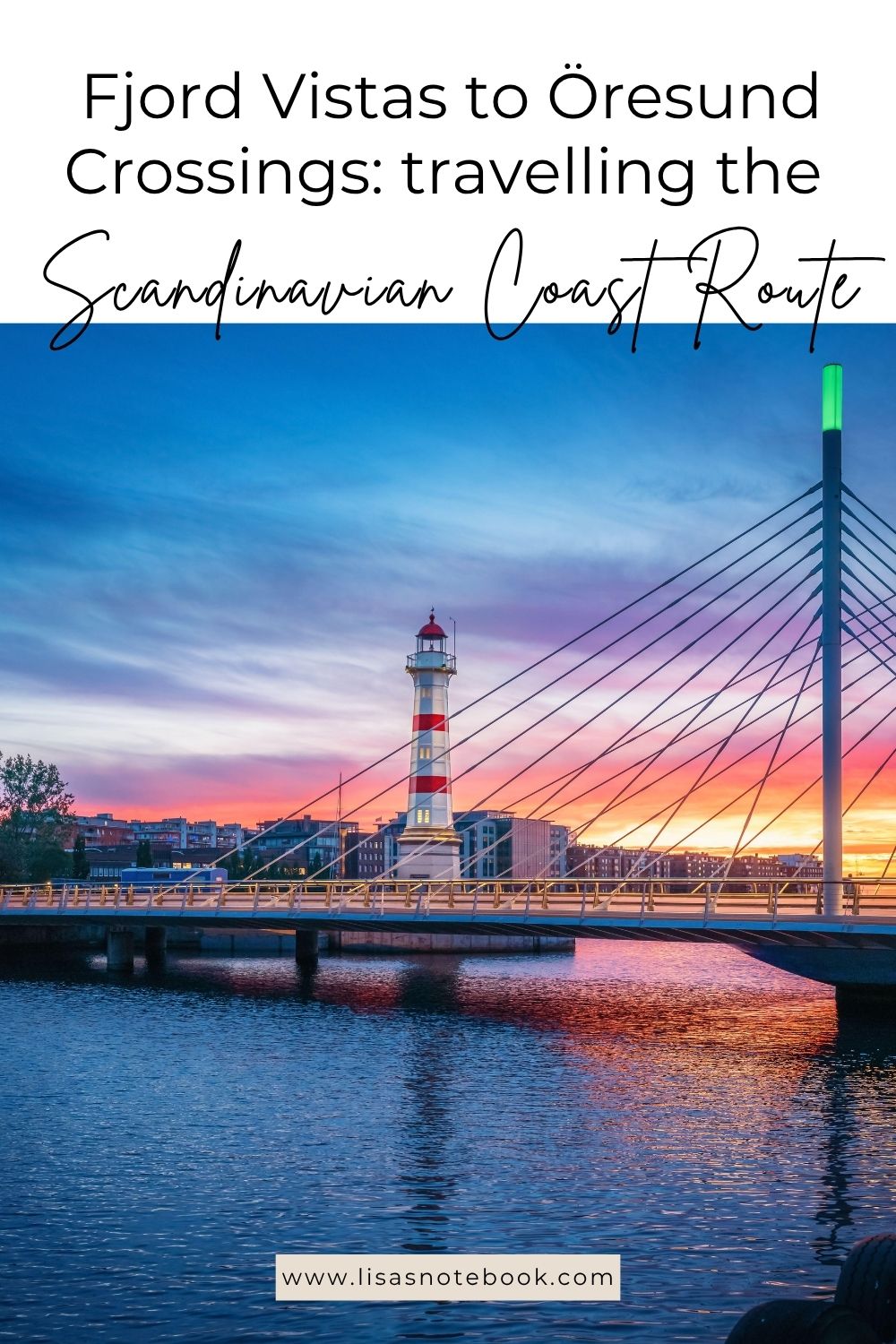
The Copenhagen to Malmo train crosses the Öresund connection linking Denmark with Sweden. The journey is remarkably short, yet crossing the water marks a transition between two countries with closely related cultures and noticeably different urban identities.
Malmö’s historic centre contains cobbled streets, squares and colourful buildings, while the Western Harbour district offers striking contemporary architecture. The Turning Torso tower has become a defining feature of the city’s skyline, rising above a neighbourhood designed around sustainable urban living.
The coastal setting remains central to Malmö’s appeal. Parks and waterfront paths provide space to walk, cycle or simply watch the changing light across the Öresund.
Forests, Lakes and the Swedish Outdoors
Sweden’s natural character becomes particularly apparent beyond its largest cities. Forests cover vast areas of the country, while lakes provide countless opportunities for swimming, fishing and canoeing during the warmer months.
The tradition of spending time outdoors is deeply established in Swedish life. Walking trails often pass through woodland close to urban areas, making it possible to escape the city without undertaking a major expedition.
Autumn brings vivid foliage to forest paths, while the long summer days encourage residents to remain outside late into the evening. In winter, snow and shorter daylight hours create a completely different atmosphere, with frozen lakes and illuminated town centres adding seasonal charm.
Copenhagen’s Maritime Character
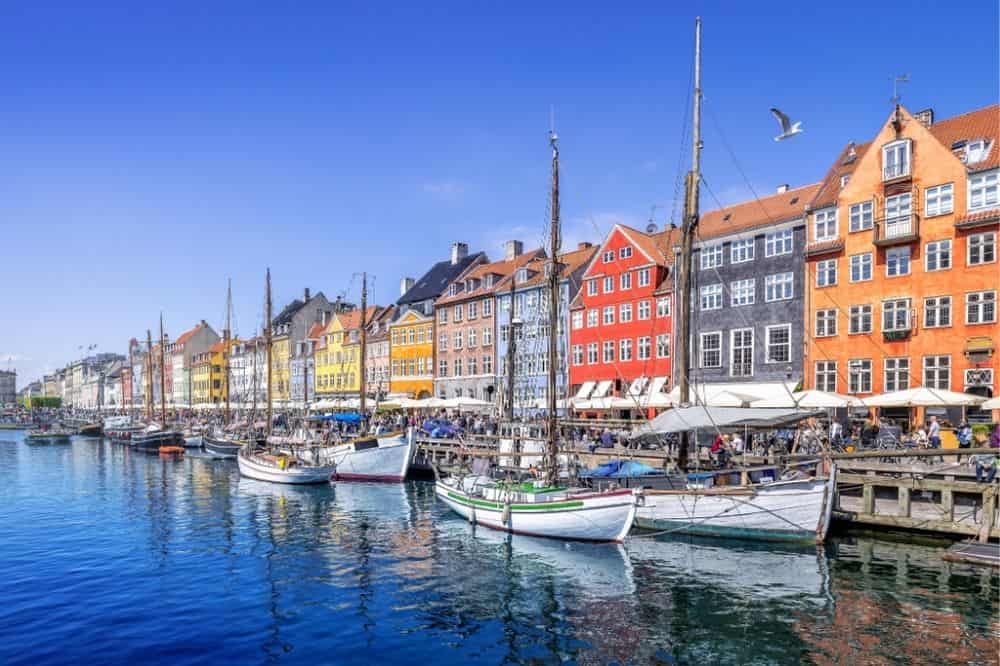
Denmark’s capital has a distinctly urban coastal personality. Copenhagen’s canals run through neighbourhoods filled with colourful houses, historic warehouses and modern cultural spaces.
Nyhavn is the city’s most recognisable waterfront, but quieter harbour areas reveal a more contemporary side. The former industrial district of Refshaleøen has developed into a creative area containing food markets, workshops and event spaces.
Cycling is central to Copenhagen’s rhythm. Dedicated lanes cross the city, allowing residents and visitors to move between museums, neighbourhoods and waterfront attractions without relying heavily on cars.
Islands at the Edge of the Cities
Coastal Scandinavia is not only about major ports. Islands provide another layer to the region’s geography, with ferries connecting urban centres to smaller communities, nature reserves and summer retreats.
Around Stockholm, island-hopping can fill an entire day, moving from forested shores to tiny harbours. Copenhagen’s position on Zealand also makes it a useful base for exploring Danish coastal towns, while Norway’s fjords and islands create an almost endless network of waterways.
The pace changes immediately once the city disappears behind the ferry. Wooden houses, rocky shorelines and small jetties replace traffic and office blocks.
Nordic Food by the Water
The coast has naturally influenced Scandinavian cuisine. Norwegian menus frequently feature salmon, cod, shellfish and other seafood, while Swedish cooking includes herring, crayfish and seasonal berries.
Denmark has developed a particularly strong reputation for modern interpretations of traditional ingredients. Copenhagen’s restaurants range from sophisticated dining rooms to bakeries and casual food halls, where rye bread, pastries and open sandwiches remain staples.
Markets are often the easiest places to sample regional flavours without committing to a long meal. They also provide a glimpse into how locals shop and socialise.
A Journey Connected by Water
The route from Bergen through Oslo and onwards towards Denmark and southern Sweden demonstrates how varied Scandinavia can be within a relatively compact journey. Mountains give way to forests, fjords lead towards urban harbours, and long stretches of coastline eventually meet the narrow waters between Denmark and Sweden.
What makes the journey memorable is the constant presence of the sea. It appears beside railway tracks, beyond city streets, between islands and beneath bridges, quietly shaping the character of the places along the way. By combining rail journeys with ferries, walks and coastal excursions, the Scandinavia coast becomes less a collection of separate destinations and more one continuous northern landscape.
* This is a collaborative post – please see my Disclaimer.

Leave a Reply