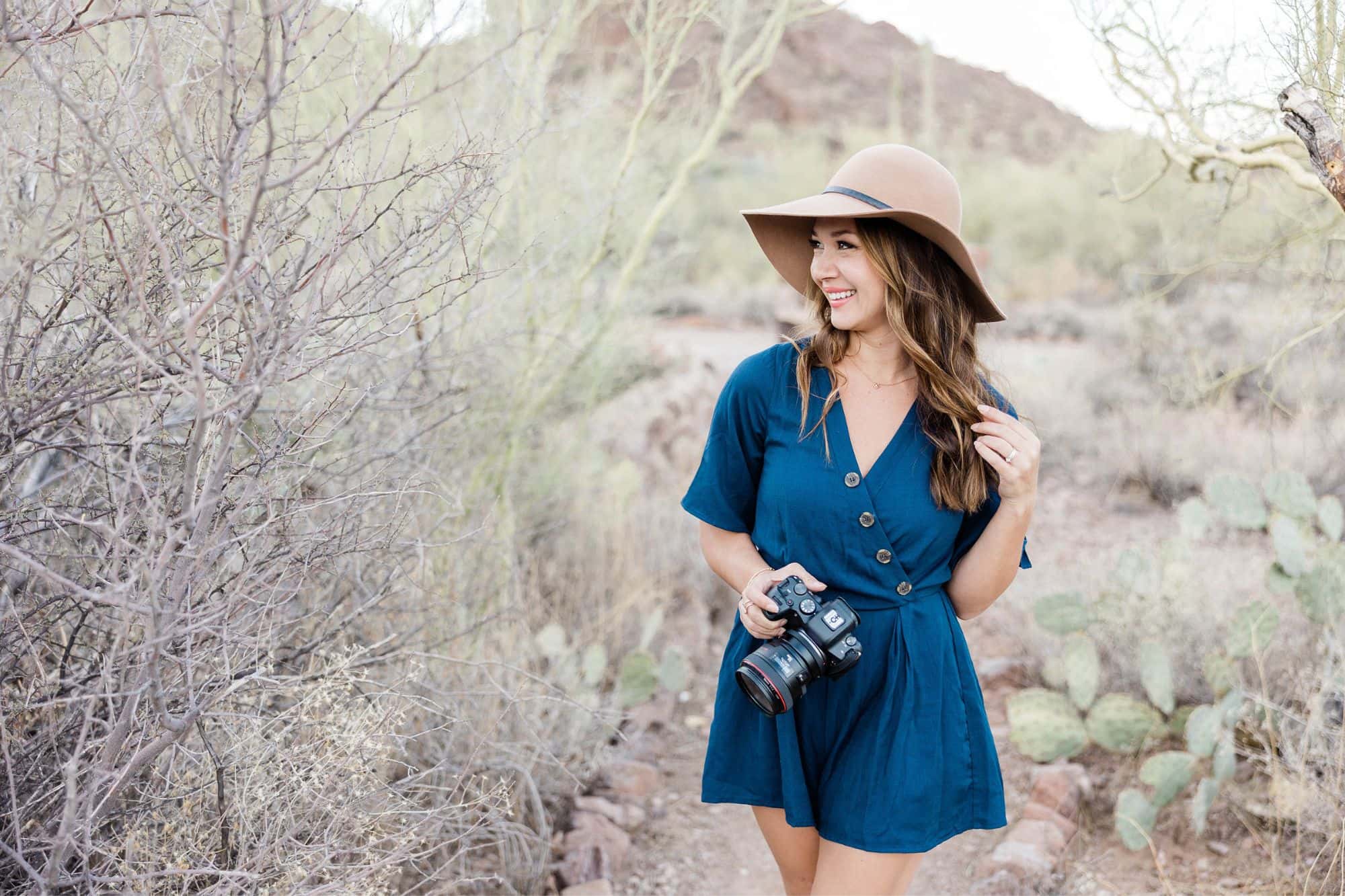
AD | The summer travel wardrobe has a packing problem most people never fully solve. Warm-weather trips demand breathable fabrics that resist the humidity of Mediterranean cities, the midday heat of safari-adjacent destinations, the sticky evenings of Caribbean ports, or the unpredictable transitions of a long train journey through southern Europe.
The usual suspects, maxi dresses, linen trousers, cotton tees, each handle part of the problem but don’t offer a complete solution. Whereas rompers quietly solve things far more than most travellers realise, which is why experienced travellers keep two or three in rotation and pack them before they pack most other warm-weather pieces.
The travel case for the romper isn’t a style argument, although it has aesthetic merit. It’s an efficiency argument. A well-chosen romper compresses smaller than a top-plus-bottom combination, dries faster after a hand wash, and carries you from breakfast terrace through a museum afternoon into dinner without an outfit change.
Curated collections like cute rompers now make the selection even easier by grouping styles for specific contexts. Here’s the travel-wardrobe case and how to actually make it work in a carry-on.

Why Does the Romper Earn Its Travel-Wardrobe Slot?
There are four main reasons why rompers work harder in travel than at home.
Packing compression. A romper folds smaller than the equivalent top plus bottom. In a carry-on where every litre counts, three rompers cover what four pieces of separates would cover. For travellers who’ve mastered the one-bag approach, the efficiency compounds.
Laundry turnaround. Rompers in breathable natural fibres wash in a hotel sink and dry overnight. Linen or cotton-blend rompers recover from hand-washing more gracefully than structured separates do, which makes a 10-day trip feasible with just three rompers plus one backup piece.
Context-shifting without outfit changes. A romper paired with sandals and a sun hat works during the day. Swap to low heels and layered jewellery and the same piece segues into the evening. Very few travel wardrobes deliver this kind of flexibility without taking up additional suitcase space.
Safety in uncertain weather. Summer weather in mixed-climate destinations (mountain towns, coastal regions with afternoon storms, cities with aggressive air conditioning) rewards pieces that handle layers. Rompers take a light shawl, linen jacket, or denim jacket gracefully without losing their profile. Travel-wardrobe planning advice from the Family Travel Association offers useful tips on packing and pacing decisions that apply whether you travel solo or with a group.
For travellers building practical wardrobes for trips like a luxury safari across multiple generations, rompers bridge the formal-dinner-at-camp versus gameview-vehicle-during-morning-drives gap that standard travel separates struggle with.
What Fabric Should a Travel Romper Use?
The choice of fabric is the secret to whether the romper survives the trip or becomes dead weight by day four.
Linen and linen-blend. The strongest travel fabric. Breathes in humidity, dries fast, wears better with every wash. Visible wrinkling is part of the aesthetic for summer travel; fighting it defeats the point. Choose structured-cut linen for slightly polished contexts; loose linen for casual.
Cotton and cotton-blend. More forgiving than pure linen on wrinkle management. Slightly less breathable but easier to maintain through a travel week. A good default for travellers who don’t want to think about fabric behaviour.
Modal and TENCEL blends. Premium hand feel, excellent drape, moisture-wicking. More expensive per piece but noticeably better in hot-climate travel. Worth it for one of the three rompers in the travel rotation.
Rayon and viscose. Drape beautifully but risk shrinking if laundered poorly. Travel-use requires cold hand-wash, never dryer. If you travel with anyone likely to machine-dry rompers, skip these fabrics.
Avoid for travel: 100 percent polyester (doesn’t breathe, smells after a day), satin and satin-blend (wrinkles visible in unflattering ways), and anything that requires dry cleaning.
Fabric choices matter more in hot-climate travel than most travellers appreciate. The Textile Exchange’s materials guidance covers how different fibre structures behave in humid versus dry heat, which is very useful when picking pieces for specific destinations.

How Should Rompers Pack in a Carry-On?
- Roll, don’t fold. Rolled rompers pack smaller and produce fewer creases than folded ones. Roll from the hem upward with the bodice outward.
- Use packing cubes. Three rompers in a single medium cube compress well and separate cleanly from other items.
- Pair with complementary separates. Two or three rompers plus one blazer, one cardigan, one wrap skirt, and one lightweight trouser cover 10+ outfit combinations.
- Choose a flexible colour palette. All three rompers should work with the same shoes, bags, and accessories. This is how three pieces become nine outfit combinations.
- Pack the dressiest romper at the top. First night in a new destination is often when dress code matters most; easy access to the piece matters.
- Keep one romper in the day bag if flying long-haul. If checked luggage is delayed, having one ready-to-wear piece on hand saves a stressed first day.
Travel-wardrobe commentary has evolved significantly; looking at how pieces earned their wardrobe spots historically, as in the Titanic fashion era analysis, shows that wardrobe efficiency and multi-context wear have always been evaluated by serious travellers.
How Should the Romper Travel-Rotation Actually Work?
Three rompers in rotation cover most summer trips elegantly.
Romper 1, The neutral workhorse.
A linen or cotton romper in a solid neutral (sand, olive, navy, or soft black). Works for brunch, museum days, airport days, casual dinners. Pairs with any travel shoe you’ve packed.
Romper 2, The printed piece.
A patterned romper in florals, stripes, or a subtle geometric. Use for situations where you want photographic presence, anniversary dinner, a specific view-based restaurant, a cultural event. Should feel special but not costume-y.
Romper 3, The dressier option.
A silk-blend or modal romper in a darker colour. Dinner-ready with heels; restaurant-appropriate without heels; works for the one night on a trip that calls for slightly more polish.
Rotation rhythm:
- Day 1: Romper 1, paired with travel shoes
- Day 2: Romper 2 for morning sightseeing, back to Romper 1 for evening (after quick rinse of Romper 1 the night before)
- Day 3: Romper 3 for the dinner that matters; Romper 2 during the day
- Day 4: Romper 1 refreshed, paired differently
- And so on, rotating
Outside the three rompers, the travel separates are: one blazer, one cardigan or light sweater, one wrap skirt or long skirt (good for religious-site visits), and one pair of long lightweight trousers for cool evenings or air-conditioned venues.
What Are the Common Travel-Romper Mistakes?
Taking too many. Four or five rompers for a 10-day trip is unnecessary. The point is efficiency, not maximalism.
Choosing the wrong fabric for the destination. Polyester in humid Vietnam or pure silk in dusty Morocco defeats the travel case. Match fabric to destination conditions.
Ignoring bathroom-break practicality. Complex zipper-back or tie-around-neck rompers are miserable in narrow airport stalls. Side-zip or pull-on styles travel better.
Over-matching accessories. The point of three rompers is one set of shoes and one bag, not three complete looks with coordinated accessories.
Packing the dressy romper deep in the suitcase. Always keep the dressier option accessible near the top; unpacking order at destination often doesn’t match outfit order.
Skipping the pre-travel wash. New rompers straight out of the tag often shrink unpredictably on first wash. Wash once before a major trip to know the true fit.
What to Remember
- Rompers compress better than equivalent separates, so they earn their slot on packing efficiency
- Linen and cotton blends outperform synthetics for hot-climate travel
- Three rompers plus four supporting separates cover 10+ days of warm-weather travel
- Rotate rompers with quick hotel-sink washes between wears
- Avoid over-packing, over-matching, and dry-clean-only fabrics
Frequently Asked Questions
How many rompers should I pack for a 7-day summer trip?
Two rompers plus one supporting dress, paired with 1-2 blazers or cardigans, cover a full 7-day trip. Three rompers is appropriate for 10+ days or when daily outfit variation matters.
Can rompers work for formal travel dinners?
Silk-blend or satin-blend rompers in dark colours paired with heels and structured jewellery are dressier than most travellers expect. Not tuxedo-dinner formal, but comfortably upscale-restaurant appropriate.
How do I hand-wash a romper in a hotel sink?
Cool water, mild soap (shampoo works in a pinch), gentle squeeze (don’t twist), rinse thoroughly, roll in towel to absorb excess water, hang on the provided hanger or shower rod overnight. Most rompers dry within 8-12 hours.
Are rompers acceptable attire for religious site visits?
Usually the shoulder and hemline coverage of most rompers falls short of dress codes for conservative religious sites. Pack a light wrap, scarf, or long skirt to throw on over the romper for site visits.
The Bottom Line on Rompers for Summer Travel
The romper’s real travel virtue is doing more with less. Three well-chosen rompers plus a handful of complementary separates carry a summer traveller through almost any warm-weather trip, cultural cities, coastal villages, extended safari-adjacent adventures, island hops, without the packing anxiety of a fuller wardrobe. The trick is fabric discipline (breathable natural fibres), shape flexibility (one neutral, one printed, one dressy), and colour co-ordination (one set of accessories). Get these right and the travel-romper becomes the category you reach for first, every time you pack.
Do you own any rompers and are they part of your summer travel wardrobe too? If not, are you tempted to give them a try now?
* This is a collaborative post – please see my Disclaimer.


I love wearing rompers because you do not have to think about what tops and bottoms to pair together. I never thought about just packing rompers for a trip though.
It’s such a versatile piece of clothing, perfect for a trip of any length.