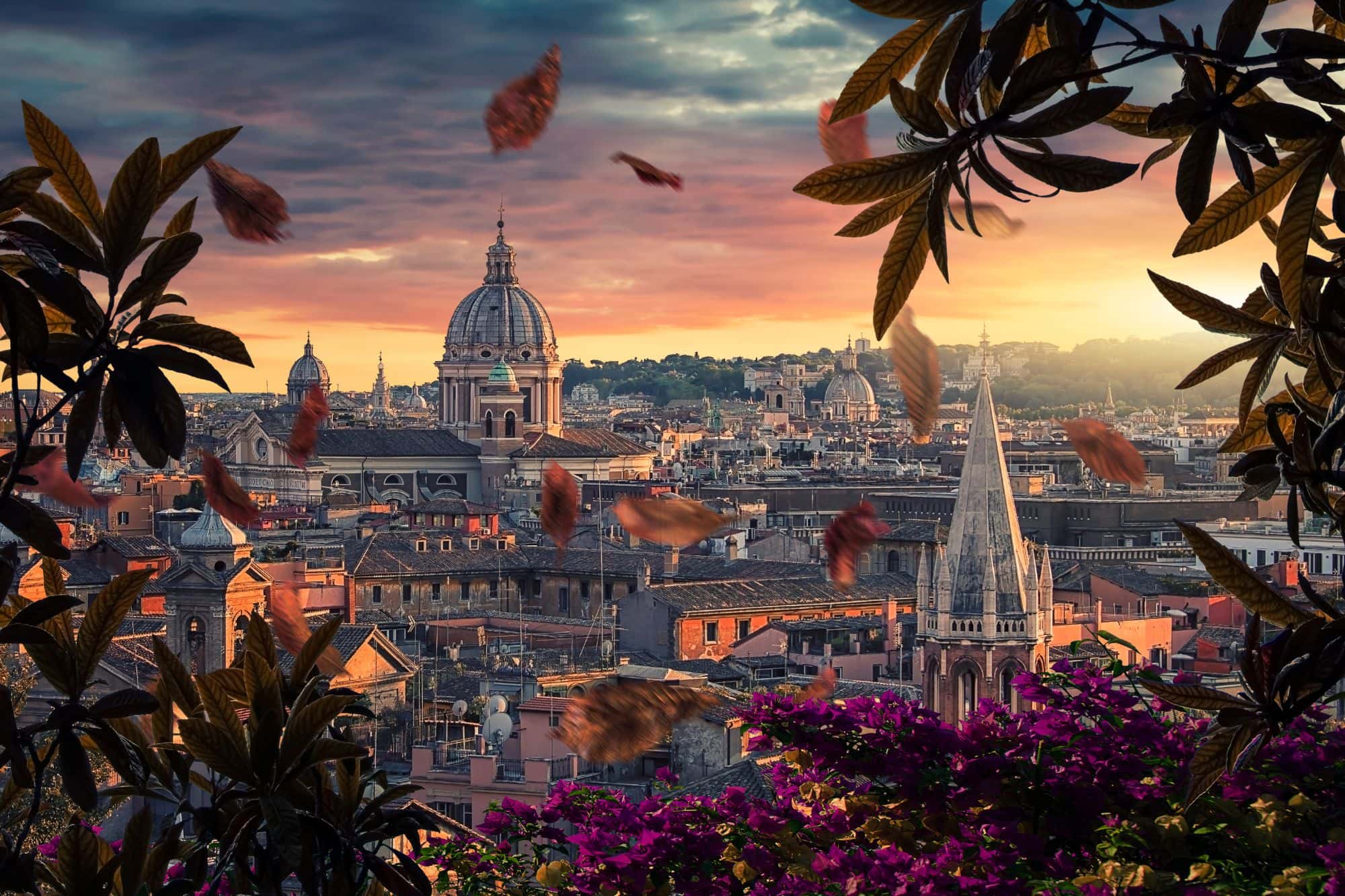
AD | Italy doesn’t arrive as a single idea. It comes in pieces, sometimes out of order, sometimes overlapping. One place feels current and alert. Another slows you down without warning. Another seems to carry everything at once. Milan, Venice, and Rome are often described through roles – fashion capital, floating city, ancient centre – but moving between them softens those labels quickly.
What connects them is not theme, but accumulation. Pace changes. Attention shifts. You don’t replace one experience with the next. You carry each forward, even when you don’t realise you’re doing it.
Milan Moves Before You Do
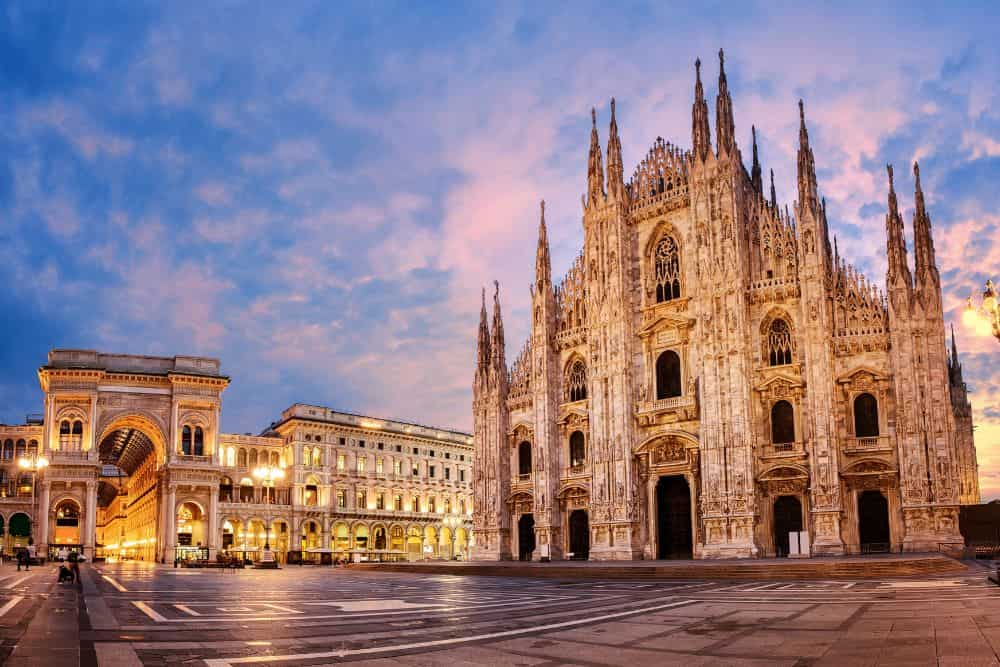
Milan feels oriented toward motion. Not rushed, but forward-leaning. Streets feel purposeful. People walk as though they know where they’re going, even when they don’t look hurried. In Milan, style isn’t confined to certain districts or moments. It’s embedded in routine. Clothing, design, and presentation feel applied rather than performed. Nothing asks to be admired for long. The city doesn’t linger on itself. It keeps going.
Everyday Precision
What stands out in Milan is how little separation exists between creativity and function. Offices sit beside workshops. Cafés operate with quiet efficiency. Older buildings feel maintained rather than preserved. There’s a sense that things are meant to work first and look good second – even though they often manage both. Beauty here feels practical, almost incidental. You notice it more after you’ve moved on.
Leaving Without Losing Momentum
Travel east feels smooth rather than transitional. The Milan to Venice train doesn’t signal a shift immediately. The city’s alertness stays with you for a while, even as the surroundings begin to change. Industrial edges soften. Water appears more often. The air feels different before you can explain why. You arrive already adjusting.
Venice Refuses Straight Lines
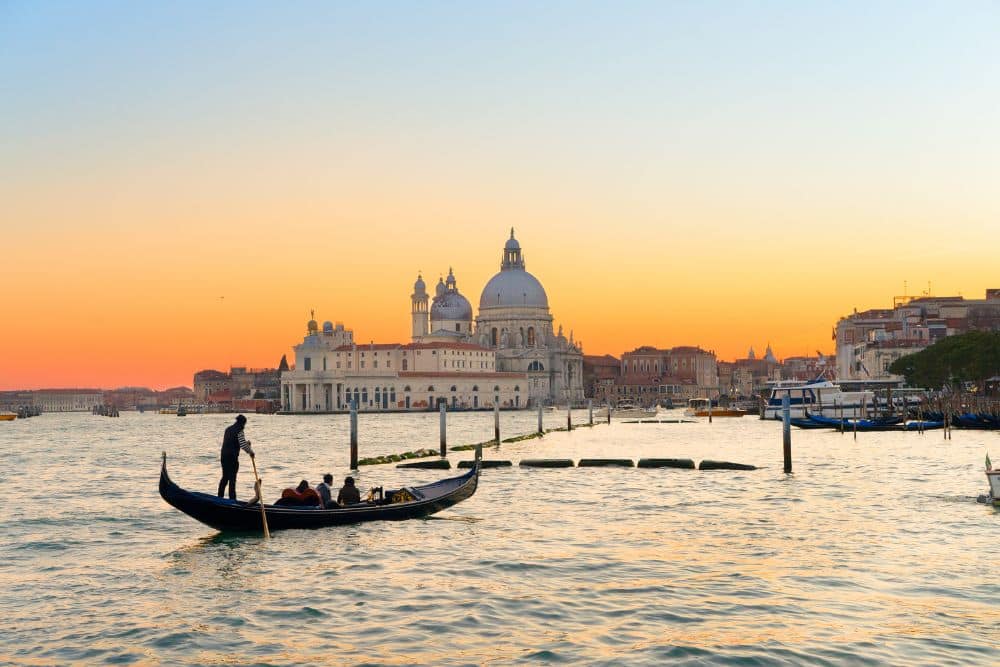
Venice interrupts habit. Streets narrow suddenly. Routes bend. Water replaces roads without explanation. In Venice, efficiency stops being useful. You follow bridges, canals, and paths shaped long before speed mattered. Sound behaves differently. Distance feels altered. You stop rushing because rushing stops working.
Life That Continues Anyway
Despite its constraints, Venice doesn’t feel fragile. It feels practiced. Deliveries arrive by boat. Locals move with ease. Conversations carry across water, then disappear. The city doesn’t seem concerned with being understood. It functions. Beauty appears when you’re not looking for it. Venice doesn’t present itself. It persists.
South, Without a Clean Break
Leaving Venice doesn’t feel like departure so much as release. Along the Venice to Rome train tickets route, water recedes, but continuity holds. Land replaces canals. Towns feel closer together. History begins to surface more frequently, less politely. The journey feels like tightening focus rather than changing direction.
Rome Carries Everything at Once
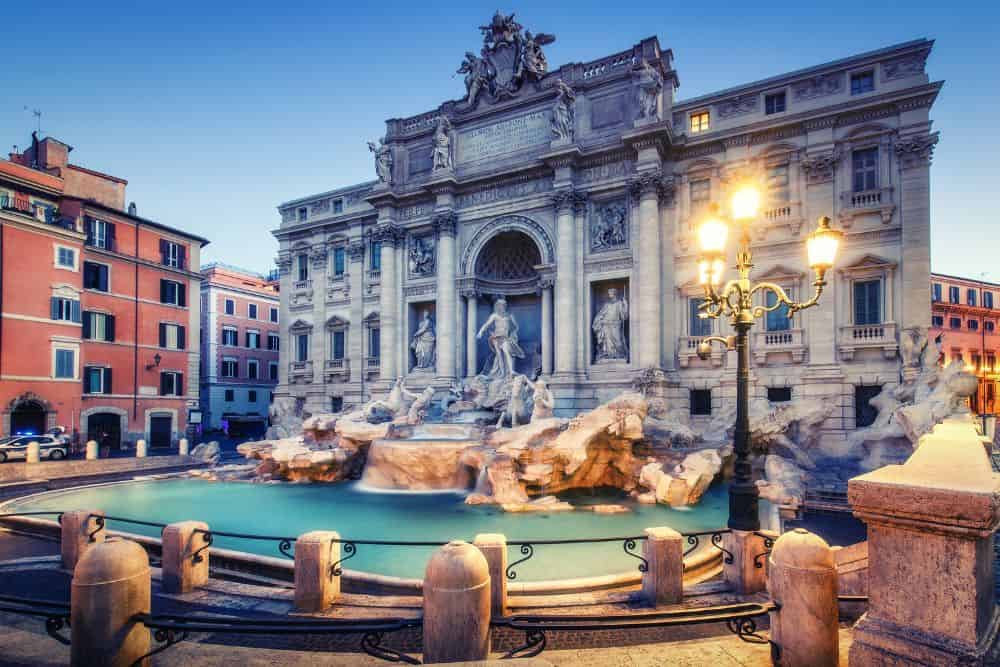
Rome does not sort its past. It layers it. Ancient stone supports later additions, which frame modern life without commentary. In Rome, history is encountered incidentally – while crossing a street, waiting for coffee, taking a longer route home. Nothing is set aside. You don’t step back to look. You move through it.
Familiarity Replaces Awe
The first time something appears monumental. The second time, it becomes navigational. By the third, it’s simply there. This repetition changes how Rome feels. Grandeur softens into presence. Monuments turn into reference points. Rome doesn’t preserve by distance. It preserves by use.
Three Paces, One Country
Milan sharpens attention. Venice redirects it. Rome absorbs it. None cancels the others out. You don’t leave one city behind when you enter the next. You adjust posture. You change pace. The earlier rhythm lingers in the background. Italy works this way – layered, not segmented.
Meaning Without Summary
Understanding doesn’t arrive all at once. It accumulates quietly. Through walking. Through waiting. Through noticing how often you stop trying to explain what you’re seeing. By the time you reach Rome, clarity no longer feels necessary. Continuity does.
What Stays With You
Later, what returns isn’t a list of places. It’s the sensation of shifting speeds – Milan’s forward pull, Venice’s attentiveness, Rome’s density. These differences don’t compete. They settle together. Italy in layers isn’t something you decode. It’s something you carry, long after the movement itself has stopped.
Have you ever travelled to Italy? Which of these three beautiful cities would be top of your list to visit first?
* This is a collaborative post – please see my Disclaimer.

Leave a Reply