
AD | There’s something about moving water that the brain finds genuinely difficult to ignore and simultaneously impossible to analyse. Writers, philosophers, and exhausted people on holiday have always known this. The sea does something to the mind that land cannot replicate – and spending a week on it makes it crystal clear.
What the Sea Does to the Mind
The surface of the sea changes constantly – the pattern of light, the texture of the waves, the colour shifting from green to blue to near-black as the depth increases – but it changes in ways that are irregular enough to resist prediction and repetitive enough to become hypnotic.
The result is a particular quality of attention that is neither focused nor distracted but somewhere between the two: alert, receptive, and unusually empty of the noise that fills the mind in ordinary circumstances.
This is the state that psychologists sometimes call soft fascination – an engagement that occupies just enough of the attentional system to prevent rumination without demanding the kind of concentrated effort that thinking about work requires.
In other words, exactly the condition in which useful thinking tends to happen. Not directed thought, but the kind of associative, unhurried processing that produces clarity about things you’ve been too busy to understand properly.
The History of the Connection
The relationship between the sea and serious thinking has a long history. Aristotle is said to have walked the shore while teaching. Darwin spent years at sea before writing the work that changed how humanity understands itself. Countless writers have described the ocean as the place where ideas arrive that refused to come on land.
This is not coincidence or romantic mythology. It reflects something consistent about what the sea does to the cognitive conditions that creative and reflective thought requires – the quieting of the executive mind, the loosening of habitual thought patterns, the creation of space in which something new can appear.
Modern neuroscience has begun to catch up with what these people knew intuitively. The default mode network – the brain system associated with mind-wandering, self-reflection, and creative insight – is most active when external demands are low and sensory input is present but not overwhelming.
The deck of a boat at sea, with the horizon in every direction and nothing more pressing than the next few hours of sailing, is close to an ideal environment for this network to do its best work.
“The sea empties the mind without emptying it completely. What’s left, once the noise clears, is usually worth paying attention to.”
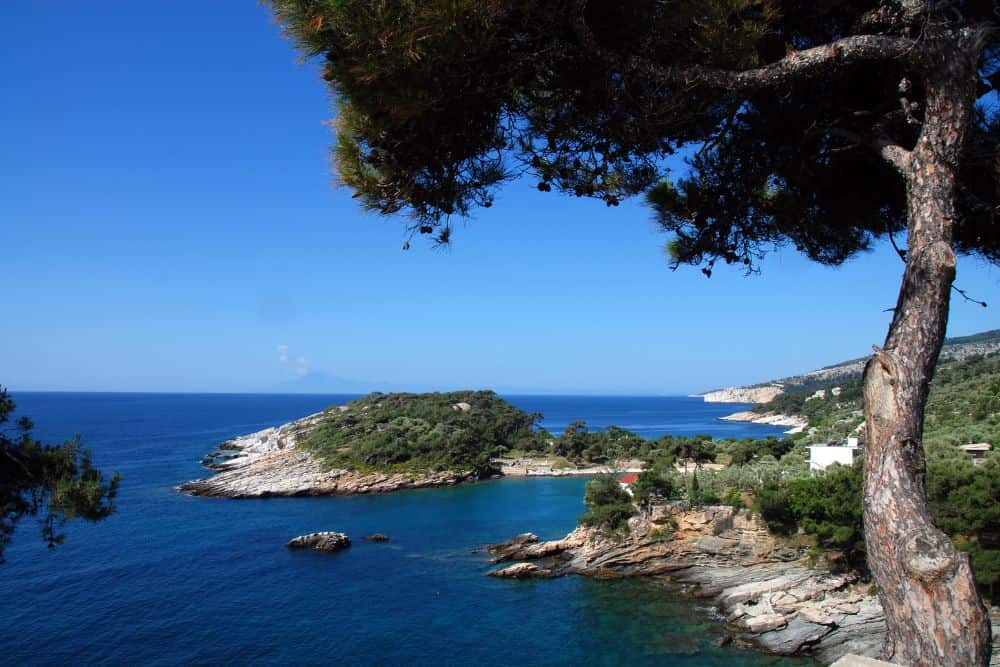
A Week on the Adriatic
The particular quality of the Adriatic – contained enough to feel navigable, open enough to feel genuinely free, with an island geography that provides constant visual interest without demanding constant decision-making – makes it one of the best bodies of water in Europe for this kind of thinking.
A luxury yacht charter Croatia puts you in this environment for a week, moving at a pace that the sea itself sets rather than one imposed by a schedule, with the Croatian islands appearing and receding in a sequence that never quite repeats itself.
The mornings on the water before the wind picks up, with the surface flat and the light low and the day entirely open, produce a quality of mental stillness that most people find they have been wanting without knowing quite what to call it.
The evenings anchored in a bay with no road access, the only sounds the water against the hull and the occasional bell of a distant buoy, extend that stillness into the night in a way that makes sleep deeper and waking more genuinely refreshed than most land-based holidays manage.
What You Come Back With
The thinking that happens at sea is not always dramatic. It’s not usually the place where life-changing decisions get made or major problems get solved. More often it is subtler than that – a clearer sense of what matters and what doesn’t, a reduced urgency around things that seemed pressing before departure, a quality of perspective that ordinary life consistently makes difficult to maintain and the sea, just as consistently, restores.
Most people who spend a week on the water come back with something they did not arrive with and find difficult to name precisely. A quietness, perhaps. A sense of proportion. The feeling of having had, for a week, exactly the right amount of space to think properly – and the recognition that this is rarer and more valuable than almost anything else a holiday can provide.
* This is a collaborative post – please see my Disclaimer.

Leave a Reply