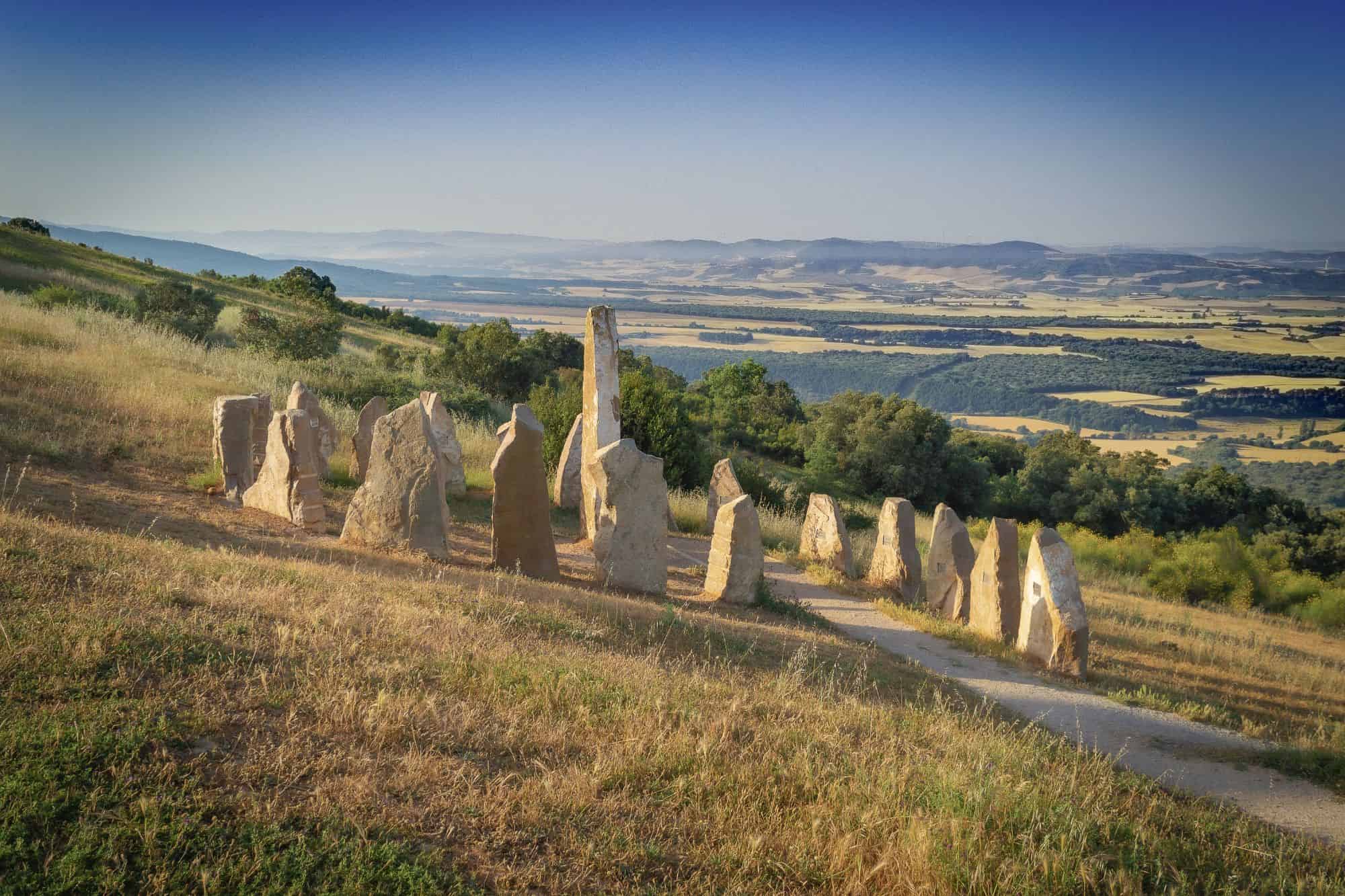
AD | Walking the Camino de Santiago isn’t complicated, but it does have a steady rhythm that becomes obvious after a few days. Whether you walk a full route like the Camino Francés or a shorter section starting closer to Santiago, the daily structure is similar: early starts, consistent walking hours, simple meals, quiet afternoons, and early nights. The Camino de Santiago tour experience is predictable in a good way. If you’re trying to understand what your days will actually look like, here’s a clear breakdown of the routine most pilgrims follow.
Early Mornings Start the Same Way Everywhere on a Camino de Santiago Tour
Most people begin walking between 6:00 and 7:00 a.m. Albergues often require guests to leave by 8:00, which naturally sets the pace. You wake up to the sound of zippers, backpacks, and quiet movement as other pilgrims get ready. Breakfast is usually basic: toast, pastries, fruit, coffee, or yogurt. Some places offer a simple “pilgrim breakfast,” while others require you to stop at the first café on the route.
Starting early helps beat midday heat and gives you time to cover distance without rushing. Within a few minutes of walking, the towns are quiet and the trail feels calm. The early morning is often one of the most peaceful parts of the day.
A Mix of Walking Surfaces and Terrain
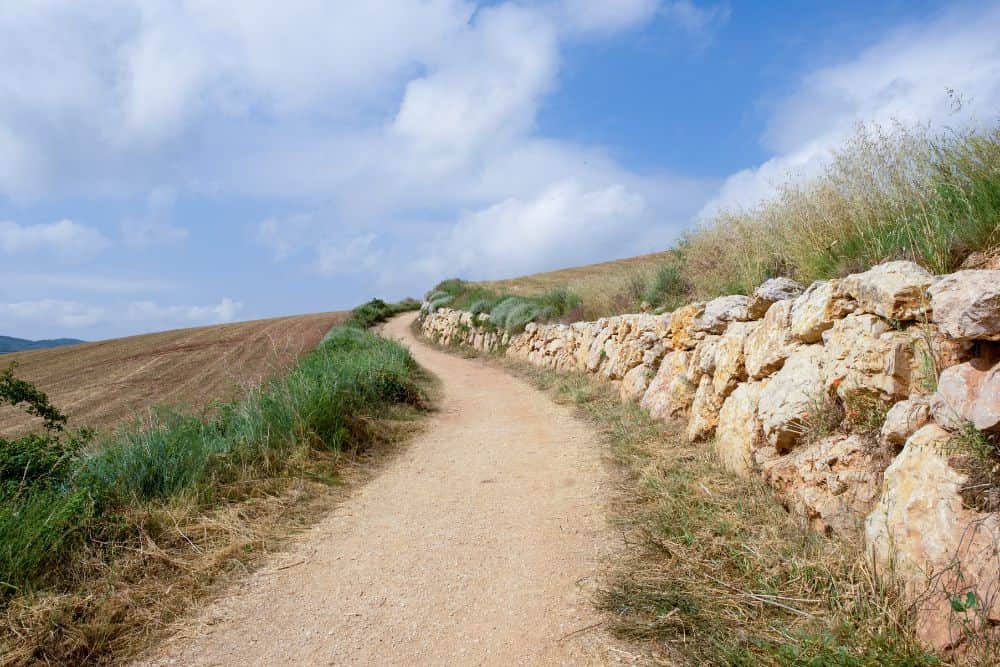
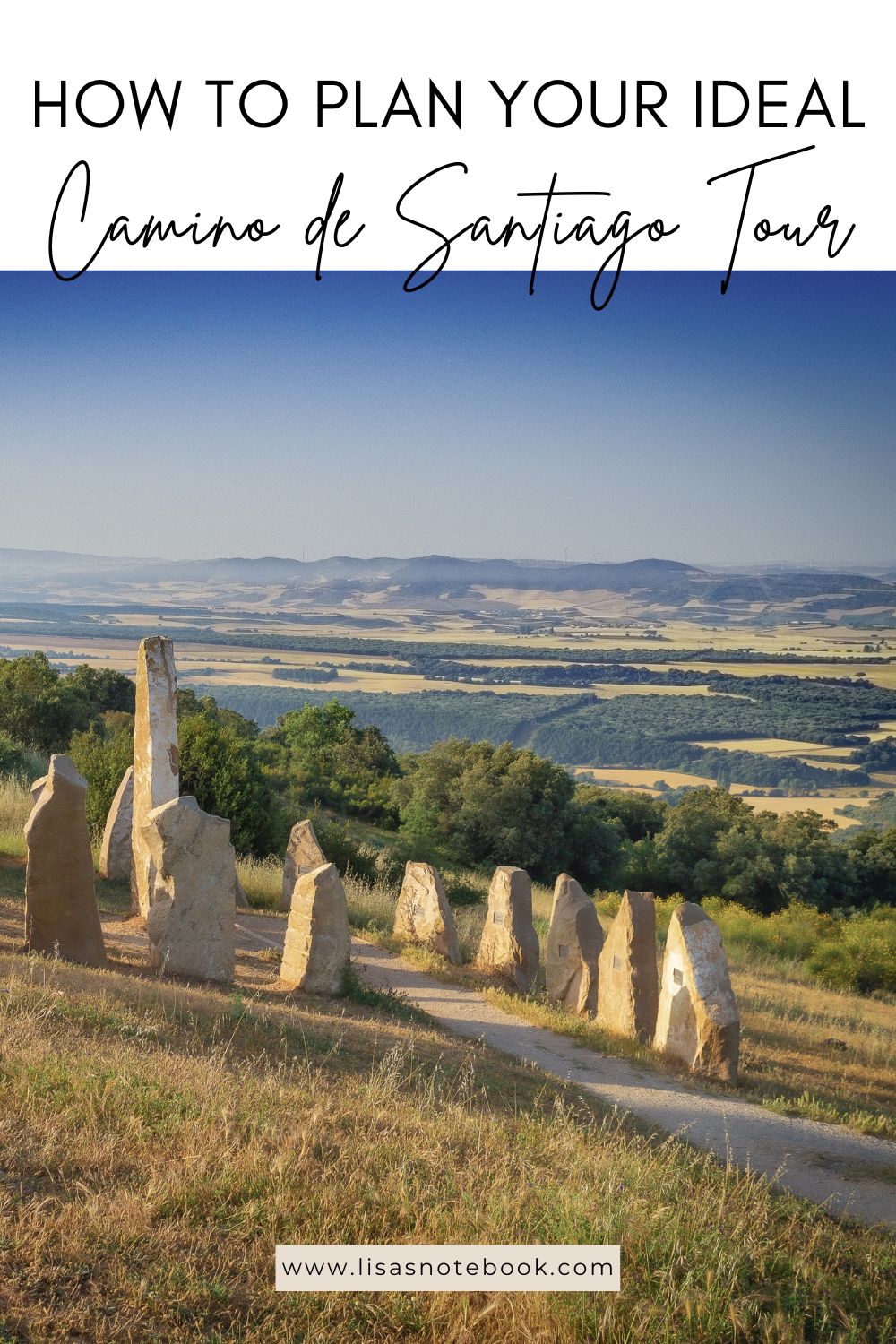
The Camino isn’t a mountain trek, but the terrain varies enough to keep the day interesting. You can expect:
- Paved or gravel paths leaving towns
- Dirt tracks through farmland
- Quiet roads between villages
- Occasional short hills or forest sections
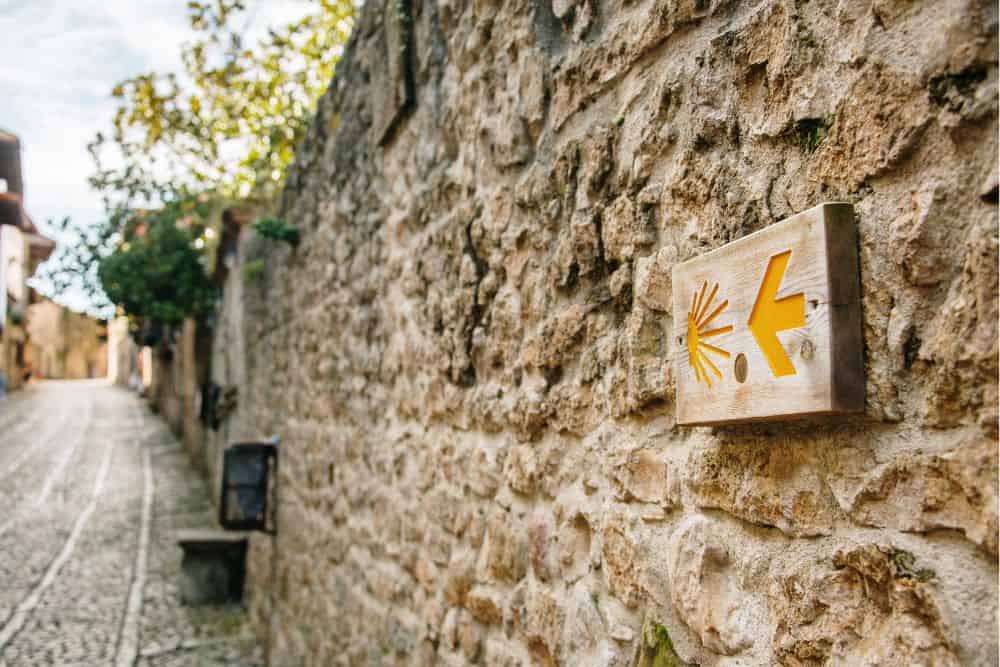
These shifts happen gradually. Nothing is technically difficult, and the route is well-marked with yellow arrows and scallop-shell symbols. Most people settle into a comfortable pace quickly. You don’t need advanced navigation skills — the signs are frequent and obvious.
Regular Villages and Cafés That Break Up the Day
One of the most predictable parts of the Camino is the spacing between villages. Small towns usually appear every 5 to 8 kilometers. This means you can stop for water, food, or a bathroom if needed without planning too hard. Pilgrims often take their first break mid-morning at a café, where coffee, tortilla española, and fresh bread are standard.
These villages make the walk feel manageable because you’re never far from a place to rest. Unlike remote long-distance trails, you’re rarely more than an hour from a service point.
A Midday Finish to Most of the Hard Work
Most pilgrims finish the bulk of their walking by early afternoon. On a typical day, you cover 15 to 25 kilometers, depending on your pace and fitness. The earlier you start, the earlier you finish.
Arriving early also means you can choose your accommodation before the popular albergues fill up. If you’re staying in private rooms or booking ahead, timing is less important, but most walkers still prefer finishing before the heat builds or weather shifts.
Albergue Check-In, Showers, and Laundry
When you reach your stop for the day, the first tasks are simple: check in, drop your backpack, shower, wash your clothes, and let them dry. Most albergues offer sinks, laundry lines, and sometimes machines. The routine becomes automatic within a few days.
Because the Camino involves continuous walking, taking care of your feet also becomes part of the daily schedule. Many people use the afternoon to air out socks, patch blisters, or stretch stiff muscles.
Afternoons Are Dedicated to Rest or Exploration
After the essentials, the rest of the day is flexible. Some pilgrims nap. Others sit outside, read, or talk with people they met on the trail. Many wander the town to find a pharmacy, grocery store, or café.
Every town is different. Some are tiny villages with a single bar and church. Others have bigger networks of shops, bakeries, and historical sites. Regardless of size, afternoons are slow and quiet because most pilgrims are resting. This is one of the reasons the Camino feels so manageable — the daily effort is balanced by long stretches of downtime.
Dinner Is Social but Simple
Evening meals typically fall into two categories:
- Pilgrim menus offered at restaurants or albergues
- Self-cooked dinners made in shared kitchens
A typical pilgrim menu includes a starter, main course, dessert, bread, wine, and water for a reasonable price. Portions are generous because the meal is meant to refuel tired walkers.
Dinner is also when most of the day’s conversations happen. People talk about where they started, how their day went, and how their feet are holding up. You meet new people easily because everyone follows the same routine.
Evenings Are Early and Quiet
Pilgrims go to bed early — usually around 9:00 or 10:00 p.m. — because mornings start early and walking all day is tiring. Albergues often enforce quiet hours for this reason.
There’s no nightlife culture on the Camino unless you deliberately seek it out in larger cities like Pamplona, León, Burgos, or Santiago. Most hikers prefer rest over staying up, and the rhythm quickly becomes second nature.
The Overall Rhythm Repeats Itself
Every day on the Camino follows the same pattern:
- Early start
- Steady walking
- Café stops
- Arrival in early afternoon
- Showers and laundry
- Rest or exploration
- Dinner
- Early sleep
This consistency is part of what makes the route so easy to manage. There’s no guesswork. You fall into the rhythm naturally, and the days begin to flow in a predictable, almost comforting way.
Difficulty Remains Reasonably Steady
The Camino has some challenging days – especially the Pyrenees crossing at the start of the Francés or the climbs around O Cebreiro – but for the most part, the terrain stays moderate. The challenge isn’t technical difficulty; it’s endurance. Walking day after day takes patience, pacing, and foot care.
Many first-time long-distance walkers complete the Camino without issues because the route is forgiving and the logistics are simple. For those who prefer extra structure or company, options like guided Camino de Santiago tours make the experience even easier.
Why the Daily Routine Works So Well
The Camino is built around repetition. You walk, rest, eat, and sleep in a clear cycle. Instead of focusing on complicated logistics or unpredictable terrain, you focus on the act of moving forward. Everything else – villages, cafés, albergues, other pilgrims – fits into that structure without requiring much planning.
If you’ve never done a long-distance walk before, this routine is one of the main reasons the Camino remains such a popular and approachable choice. It’s steady, manageable, and grounded in simple, predictable days that add up to a memorable journey across Spain.
Have you ever experienced the Camino de Santiago trail? If not, would you like to try it now? What sort of hiking do you like best?
* This is a collaborative post – please see my Disclaimer.

Leave a Reply