
AD | Technology is advancing, and significant adjustments are being made to how each sector of an industry functions. The common factor in all of them is its effect on energy use. The energy sector in particular has experienced a lot of adjustments, and benefits, as seen in these IoT use cases in the energy sector. But it’s not the only one. So, what other industries have been, and will be, transformed by the integration of IoT?
What is the IoT?
Imagine all your favourite gadgets could talk to each other. That’s what the Internet of Things, or IoT, is all about. It’s like a giant web connecting all sorts of devices with special chips and sensors that can communicate with each other, such as your phone, tablet, computer, fitness trackers, etc. They then collect information, send it, and talk to each other to make things easier, more efficient, and even predict when things might go wrong.
Healthcare Industry
Within the healthcare industry, technology can collect data about patients’ health to help tailor treatment plans. And it provides a method for effectively communicating with patients if they can’t physically visit their doctor’s office.

For people who want to keep fit, fitness apps have been developed for easy exercises that can be downloaded onto a smartphone, to take part in workouts designed to be done at home. Other devices can allow for the monitoring of physical vitals such as heart rates and blood pressure levels. These devices have built-in sensors that can help alert people when their breathing has changed, or other areas of their health need medical attention.
Retail Industry
Thanks to the IoT, shoppers can experience more convenience in regards to both e-commerce and physical shopping. Most stores offer an online shopping experience through apps or their websites, which allows shoppers to purchase their products online from the store. At times, these companies use an external delivery service, or if they have their own drivers, these products will then be delivered to the customer’s chosen address, without them needing to leave their homes.
Virtual reality and augmented headsets will even allow people to virtually try on clothes within the comfort of their own homes.
Real Estate
Within the real estate sector, smart buildings have been developed. These buildings use energy-efficient methods, providing building security, and the optimum user experience for occupants. And they also enable companies to meet their corporate ESG goals on the path to Net Zero.
They can also cost less to build by ensuring that environmentally friendly materials are used. And by using the data to implement energy-saving practices after construction, this ensures the building is resilient and future proofed, rather than contributing to global warming and climate change.
Financial Services
Technology services now give people more options for controlling their money without having to physically enter a bank. Using apps and other accessible services, such as talking to consultants online, people can now manage their finances from their smartphones.

By using connected devices, customers can now access loans, transfer money, and accept deposits electronically. Particularly useful for remote workers, carers, or stay-at-home mums, for example.
Manufacturing
The manufacturing industry will see more advanced technology incorporated, especially for factories that produce mass goods, such as ways to help monitor assets and equipment. The IoT can also help predict when equipment or assets need repairing, and maintenance to ensure production is not delayed, or equipment breaks down. This will also help create efficiency by streamlining production processes.
Other areas, such as admin, can be streamlined by using apps to do bookkeeping and some HR activities, such as timesheets and payroll.
Hospitality Industry
Within the hospitality industry, there have been more new changes. Some hotels now incorporate facial recognition, so managers know who their customers are before they’ve even arrived.
Other devices, such as emotion recognition cameras and sensors, will also assist in helping employees understand their customer’s true emotions and how they can solve their customer’s problem. For example, if a guest seems to be hungry, the employee can provide recommendations to their customer based on their personal preferences, which are picked up and predicted by advanced technology devices.
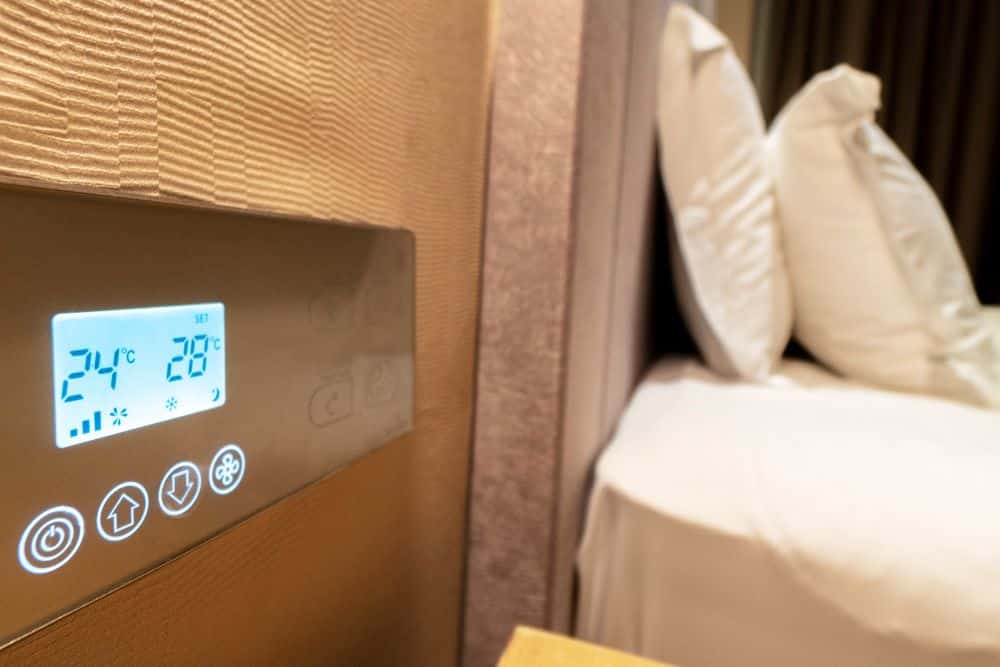
Or, they can assist hotel staff in tailoring rooms to each customer, based on their personal preferences, so no two rooms are the same.
Communications and Advertising
Advanced technology has made it easier for people to communicate with each other. Social media platforms and instant messaging apps allow people to advertise their products and services to their target clients and market sectors, making it much easier to attract buyers.
Other Industries That Can Be Transformed by IoT
The seven industries listed above are not the only ones to benefit from the IoT though. Others, such as farming and transportation, have also seen positive changes as new technology advances, which will allow companies to reach new opportunities and markets within their respective industries.
* This is a collaborative post – please see my Disclaimer.




It’s interesting how technology is becoming increasingly integrated in many areas, there have been some very interesting advancements in the last couple of decades. Reading this, it’s easy to see how many industries rely on this more and more.
Absolutely, the IoT has been a real game changer for so many industries – things can only get more digital 🙂
I hadn’t heard of the abbreviation IOT. Thanks for sharing.
You’re very welcome. 🙂
The convenience and time saving we get from integration is something we get used to so quickly, but 10 years ago things were definitely way less integrated.
Absolutely – it’s hard to remember the unconnected old days now!