
AD | Airflow is a fundamental aspect of indoor comfort that’s often overlooked. Why is this important? Because a well-designed airflow system can ensure every room in your home maintains a consistent temperature, improving comfort, air quality, and energy efficiency. That’s why many homeowners in Australia have recently upgraded to solutions like 4 way cassette ac to maximize their system’s efficiency and make sure air circulates properly throughout their living spaces.
Why Airflow Matters – And How To Get It Right
Even if you’ve invested in high-quality heating and cooling systems, inadequate air distribution can lead to uneven temperatures, increased energy bills, and potential health issues caused by stagnant air. And the way your HVAC system integrates with your home’s design is key. Even state-of-the-art systems can falter if ductwork, vents, or registers are poorly placed, or if they become obstructed over time.
In New Zealand, residents have found success by implementing 4 way cassette heat pump installations that are specifically designed to work with modern architectural layouts. Such targeted solutions demonstrate that technology paired with thoughtful design can significantly improve how air moves through a space, ensuring every room receives adequate ventilation and maintains an optimal temperature.

Understanding and optimizing airflow in your home isn’t just about adding high-tech equipment – it’s also about a holistic review of your interior layout, insulation, and the condition of your ductwork. Poor insulation and blocked vents can lead to significant energy loss, forcing your HVAC system to work harder and reducing its overall efficiency.
Regular maintenance, such as cleaning ducts and checking for leaks, is essential for keeping your system in top condition. And assessing your home’s layout and making simple adjustments like repositioning furniture away from vents can enhance the natural flow of air, preventing hot and cold spots.
Why Effective Airflow Is Essential
Effective airflow is vital for a number of reasons that extend beyond mere comfort. When air circulates evenly, it helps to remove pollutants, moisture, and allergens from the indoor environment. This circulation not only promotes a healthier living space but also helps prevent the buildup of mold and mildew.
Poor airflow, on the other hand, can result in areas of stagnation where air quality diminishes and allergens accumulate, potentially causing respiratory issues and other health problems.
Here are 3 reasons to maintain optimal airflow in your home:
- Energy Efficiency: A well-maintained airflow system means your HVAC unit doesn’t have to work overtime to heat or cool your home, which translates into lower energy bills.
- Improved Air Quality: Proper air circulation reduces the concentration of indoor pollutants and allergens, contributing to a healthier environment for you and your family.
- Extended System Life: When your HVAC system operates efficiently, it experiences less strain and wears out more slowly, saving you money on maintenance and replacement costs.

Actionable Strategies to Optimize Airflow
Improving your home’s airflow doesn’t necessarily require a complete overhaul of your HVAC system. There are often several practical steps you can take to boost efficiency and comfort without significant investments.
- Start by assessing your current setup and identifying any visible blockages, such as dusty vents or obstructed registers. Simple tasks like moving furniture or cleaning vents can dramatically enhance air distribution.
- Additionally, consider scheduling regular professional inspections of your ductwork. Experts can identify and remedy issues like leaks, blockages, or design flaws that may be undermining your system’s performance. If you’re experiencing persistent issues with uneven temperatures, you might also explore advanced zoning solutions that allow you to control the climate in different parts of your home independently.
- Using a smart thermostat can further optimize your system by automatically adjusting the temperature based on real-time occupancy and weather conditions. This technology not only ensures comfort but also maximizes energy efficiency, as then your HVAC system only operates when necessary.
Combining these strategies creates a more balanced and responsive environment, ensuring that your home remains comfortable and energy-efficient regardless of the external weather conditions.
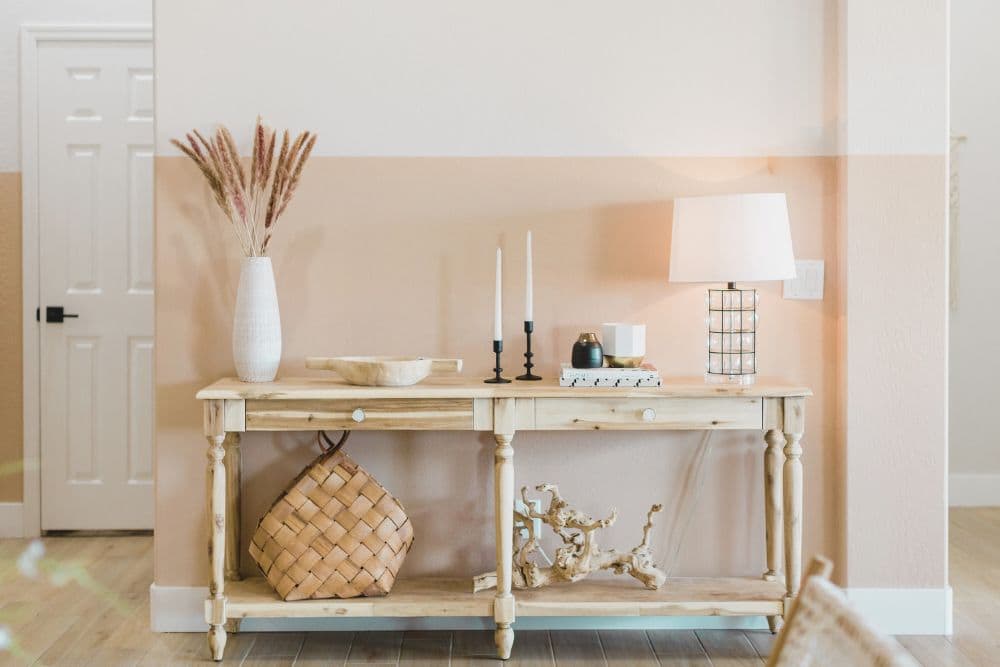
Getting Your Airflow Right
Optimizing airflow is a multifaceted process that involves both technology and thoughtful home management. By understanding the impact of effective air circulation and implementing actionable strategies, you can enjoy a consistently comfortable indoor climate, improved air quality, and reduced energy costs.
Whether you’re making small adjustments or investing in state-of-the-art systems, getting your airflow right is a key element in creating a healthier, more efficient living space for you and your family, and potentially adding value to your home too.
* This is a collaborative post – please see my Disclaimer.

I read the title and immediately went back to growing up in the Caribbean where from sunrise to sundown, all the doors and windows are opened to let air pass through the home. This isn’t what this post is about but the principle is the same. Good ventilation system is crucial for both comfort and health.
You’ve made me remember a long ago Caribbean holiday now! And yes, good ventilation, in whatever form, is so important.
Interesting information, thanks for sharing.
Thank you, glad you found it useful.