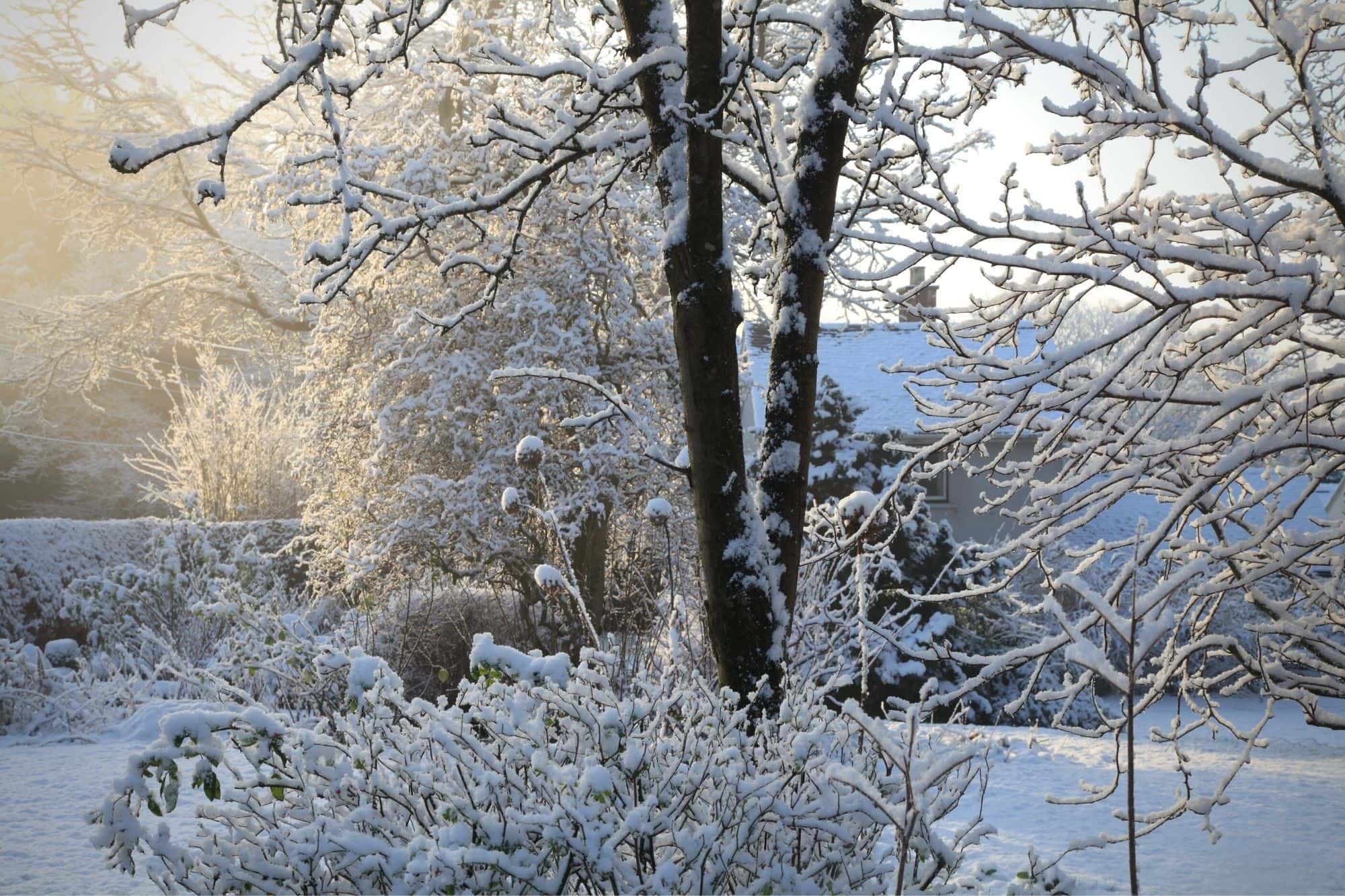
You might not think there’s much to do in a garden as we head towards Winter. But, as regular readers of my garden updates will know, there’s always something for us gardeners to do outside. Whether that’s tidying up or planning for next year, you need to be preparing your garden for Winter now if you want a head start come Spring. No matter how tempting it is to curl up inside where it’s warm…
10 Tips for Preparing Your Garden for Winter
Here are some things for you to be thinking about or, as Monty Don from the BBC’s Gardeners World would say, “Jobs for the weekend.”
Weed Your Garden
Now’s the best time to get rid of all the pernicious weeds in your garden as they should come out of the ground more easily when the soil is wet. Which also means less work in Spring once the growing season gets underway.

Dig them up and throw them out – do NOT compost them, you don’t want any weed seeds or root fragments in your compost pile. You can remove dead vegetables and any other dead plants too, but again, only compost healthy dead matter to prevent the transfer of diseases to the next growing season. That said though…
Make Space for Beneficial Organisms
Don’t be in a hurry to get rid of all the spent blooms, leaves, and foliage in your garden. Many beneficial animals, including birds, hedgehogs, mice, and insects, take refuge in such places to shelter from the cold weather or hibernate over Winter.
Protect Your Soil
One of the easiest methods of preparing your garden for Winter is to use cover crops or mulching to protect the top layer of the garden soil from being swept away during the rainy winter days. Soil protection when the ground freezes is even more important for sloping gardens on hills.
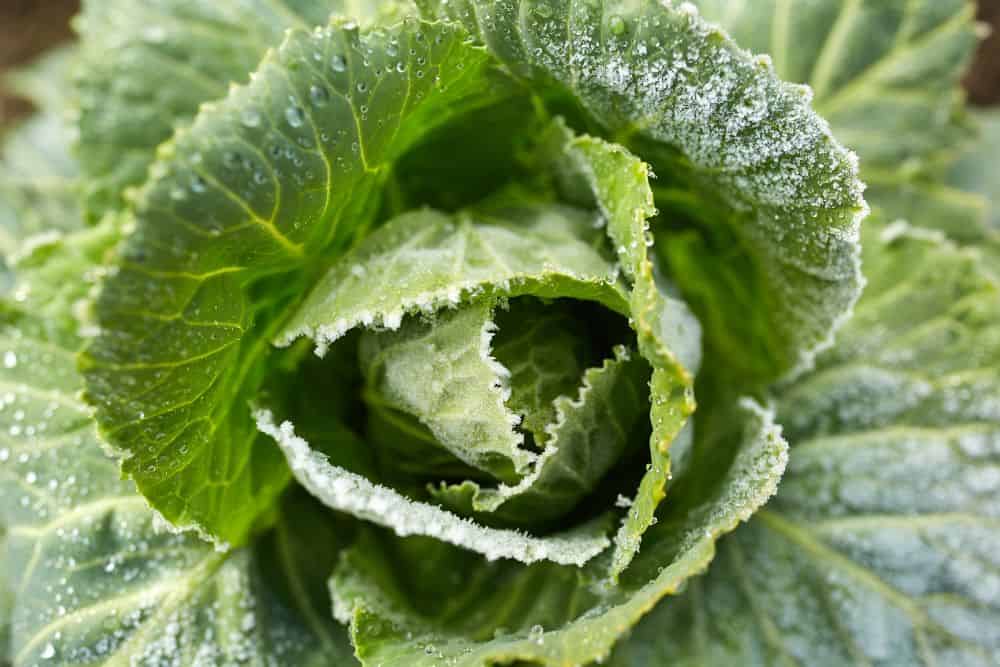
Cover crops and a thick layer of mulch* (at least 5 inches) can significantly help to reduce water erosion, as well as add important organic matter to the soil. The best time of year to plant cover crops is from late August to early September, but you may still be able to find young plants in the sale tables at garden centres now.
Plant Winter Crops
You can extend the gardening season by cultivating a thriving Winter garden. Depending on where you live, there are plenty of native frost-resistant plants that will survive the cold weather. Good crops for your vegetable garden include: garlic, carrots, broad beans, lettuce, carrots, peas, and shallots. Planting them now will give them a good head start and allow them to get their roots down before the first frosts.
Transfer Pots and Containers
If you grow your crops in pots and containers, you’ll know the advantage these have over garden beds and raised beds is that they’re portable. So, move them to warmer, sheltered areas where the plants can continue to grow and thrive.
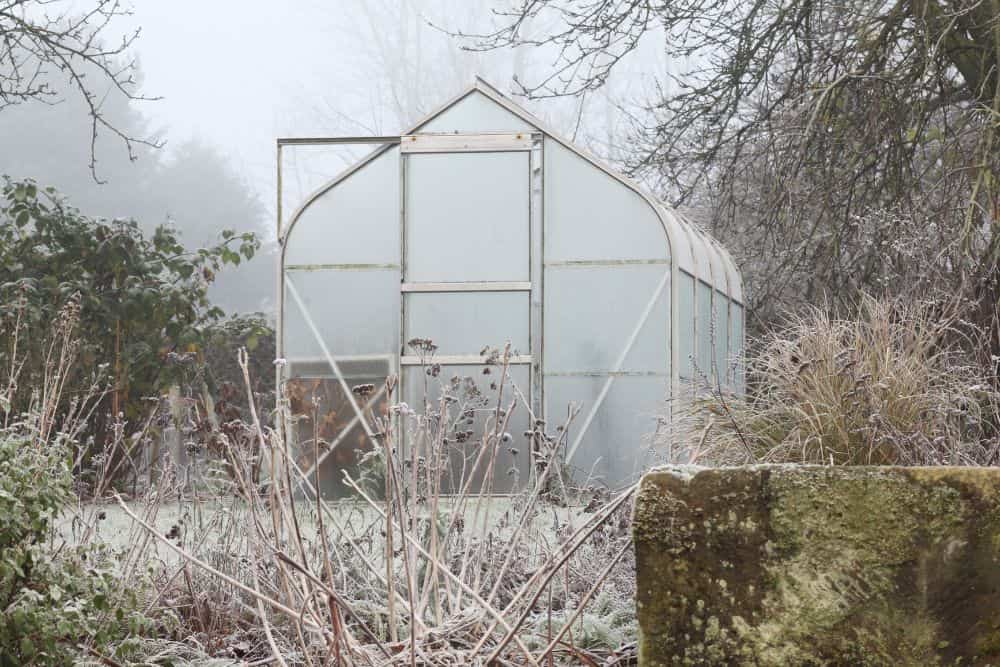
Raise them up off the ground with bricks and cover them over with plastic bubble wrap if you know a frost is due. Or, keep your most frost-sensitive crops inside a frost-free greenhouse* until Spring.
Collect Seeds
Plants for free! I’m a big fan of collecting seeds at this time of year, it saves me a lot of money and it’s also an easy, fun, and engaging activity for kids. Make sure you only collect seeds from healthy plants though, you don’t want to transfer bacteria and disease-causing organisms onto next year’s plants.
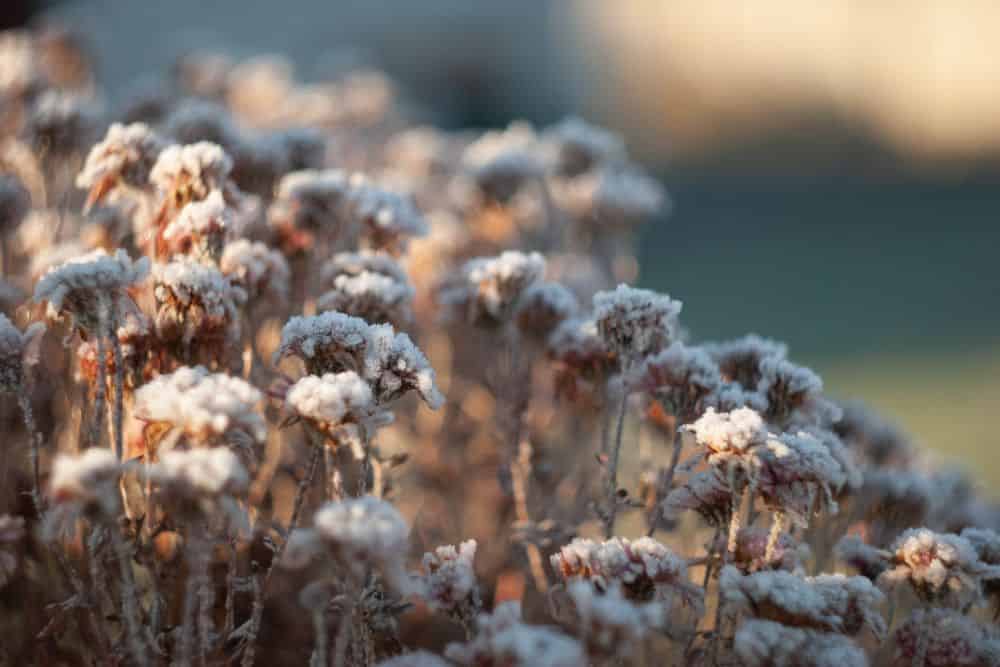
Some of the best plants to collect seeds from now include beans, garlic sets, squashes, tomatoes, and sunflowers. Collect them on a dry day, keep them in a paper bag or envelope, label them, and store them seeds in a cool and dry place until you’re ready to sow them.
Prune Trees and Shrubs
Removing any overgrown branches on trees and shrubs in your garden before you get heavy snow is one of the most important jobs when preparing your garden for Winter. Otherwise, the weight of the snow is very likely to break these branches and cause damage to your plants.
Expand Your Garden
Late Autumn is the best time to prepare new grounds to expand your gardening space. Whether you want to create new garden beds, add compost, add mulch, or plant cover crops, doing it now means you’ll have less work to do when Spring arrives.
Take Care of the Garden Tools
The best time to do this is also at the end of Autumn. You want to wash off all soil and debris, clean all sharp edges, and dry them well. Applying a thin layer of vegetable oil or a quick spray of WD40* on the surface and hinges will prevent rust build-up before you pack them away in a dry place. You can also repair any damage, such as worn handles, and replace worn-out or lost screws before you store them.
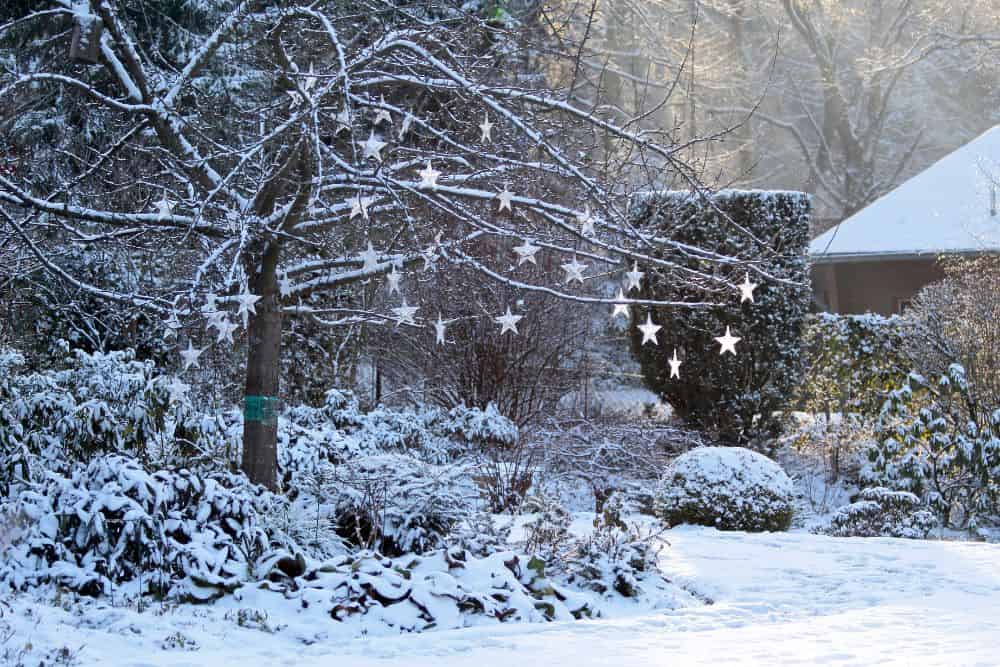
Don’t forget to drain any water from your garden hose* to prevent the water from freezing and bursting through the pipes. Lastly, check your garden shed has no leaks or gaps – repair anything that needs attention before Winter arrives.
Conduct a Garden Audit
As auditing your garden should be a continuous process throughout the year, this is one final job that can be done indoors, from the comfort of your armchair at home. Preferably with a warm drink or glass of wine to hand. Conducting a garden audit will help you pinpoint areas of improvement for next year.
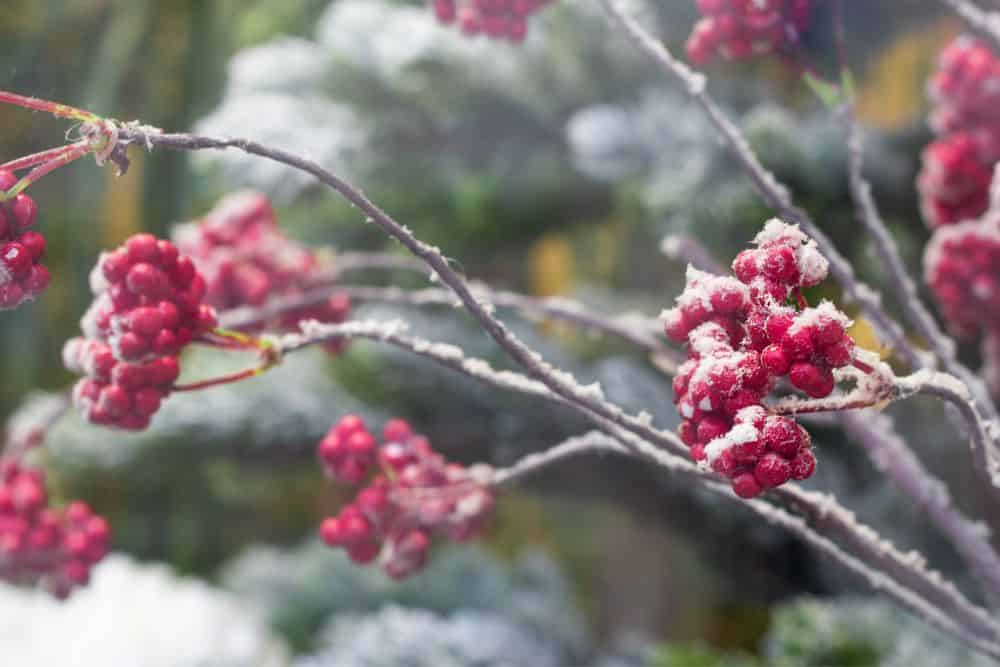
Think about how things went this year. What were the challenges? What worked? What didn’t work? Consider companion planting and crop rotation. Decide if you need to move any plants or replace them altogether. Note the weather, the planting season, the watering, and the yields you get from the garden as well.
Winterizing Your Garden
Preparing your garden for Winter all depends on your location, garden size, and of course what you grow. But putting some – or all – of these tips into practice is a good start and should certainly help you look forward to an even more fulfilling gardening season next year. Good luck!
How do you put your garden to bed for Winter? Which tip did you find most useful? Is there anything I should add to this list?
* This post contains affiliate links, please see my Disclaimer.


I really appreciated your tip for making space for beneficial organisms. This is such an important consideration I had never even thought of. Truthfully, I am usually always in such a hurry to make everything neat and tidy.
Thank you, Heidi, and yes, it’s very therapeutic to tidy everything up, as long as we leave a little pile somewhere for Nature too!
I always learn so much from your garden posts! One day I hope I have enough space to have a large outdoor garden like yours 🙂
Oh Alison, thank you, that’s very kind, and I hope you do too 🤞
Great tips, Lisa. I’ve been gardening for years and learned on the job, but it’s nice to see suggestions outlined here.
Thank you Sue – TBH, so did I but I’m always learning new things 🙂
Some great tips for preparing your garden for the Winter. My Mam, as she says, has mowed the grass for the Winter as she knows she won’t be doing it again until Spring! x
Lucy | http://www.lucymary.co.uk
Your Mam is lucky – Alan’s still having to cut our grass in the lawn and orchard, it’s rampant! x
Ohhh I love the idea of the garden audit! More so it it comes with wine! Haha. Fabulous gardening post as always.
Claire.X
http://www.clairemac.co.uk
You and I have similar horticultural tendencies, Claire! x
I love the idea of a garden audit! I am going to try and map out where everything is going – I’ve just created a gardening calendar to stay organised x
Oh that’s a really good idea, I should do that too – I tend to wing it with what I did last year! x
This is interesting, your garden look so pretty in winter, I still don’t have my own house but will definitely will have and these will be very helpful.
Thank you very much, I’m glad it was useful, hope you get your own garden sometime soon 🙂
These are fantastic tips! It’s good to know what veggies can be planted now, and that’s a great idea to do a garden audit!!
Thank you very much, Karalee, glad it was helpful!
Malaysia is a one-season country. But it is nice to hear what people from four seasons country do every time seasons change. Thank you for sharing.
Oh really, I didn’t know that, thank you for teaching me something new, Fadima!
I think collecting seeds is a brilliant step to take when making sure your garden is ready for winter and protected from the coming chill. I learn so much each time I read one of your posts and feel that when/if I get to live somewhere with a garden, I will have a good basis of knowledge to work from because of this. Thanks for sharing!
Molly, I think that’s one of the loveliest comments on a garden-related post I’ve ever received, thank you so much. 💖
These are great tips on preparing your garden for the winter! It is so helpful! Thanks for sharing this, I love your photos too! 🙂
https://melissakacar.com
Thank you very much, I’m so pleased you enjoyed it!
Thanks for mentioning the importance of draining any water from a garden hose. One more thing homeowners should consider is insulating their garden hose during the colder months to further protect it from freezing. Foam pipe insulation or specially designed hose insulators will be a good solution.
Yes, that’s a good idea too 🙂
Thanks for sharing!
If your HVAC system includes an outdoor condenser unit, it’s important to keep the area around it clean and well-maintained. This can involve trimming back vegetation, clearing debris, and ensuring proper airflow to the unit.
Yes, good point, thank you 🙂