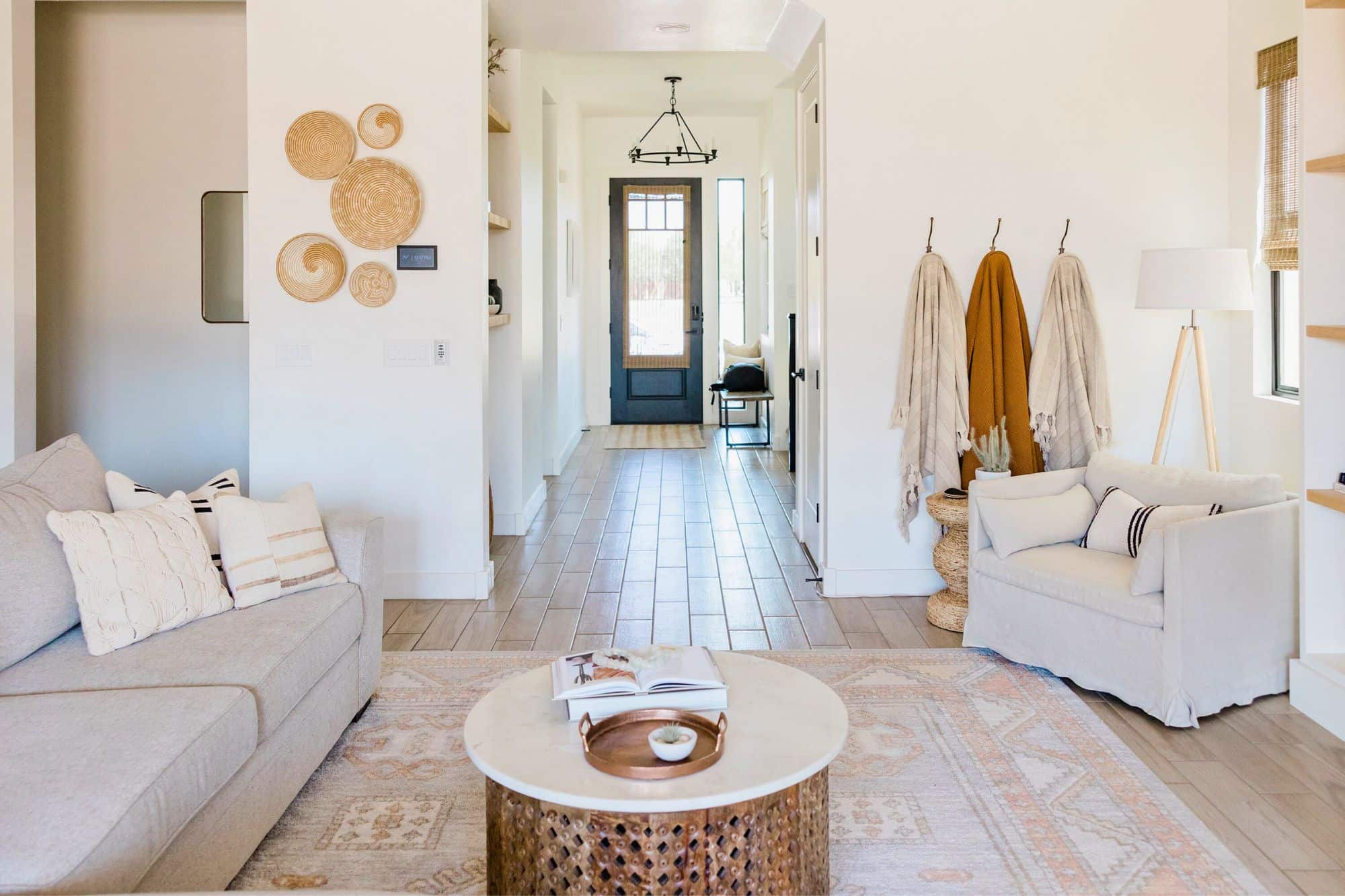
AD | The transformation of our living spaces often starts from the ground up. Patterns and textures in flooring create the foundation for a room’s overall look, shaping how furniture, colour, and light work together. When homeowners update interiors, laminate flooring often appears as a practical option that combines durability with visual consistency.
Modern laminate designs offer a wide range of finishes that reflect natural materials with high accuracy. Warm oak tones, muted greys, and structured patterns allow floors to influence a room’s character without extensive renovation. Textured surfaces add depth, helping spaces feel cohesive and comfortable rather than flat or unfinished.
Choosing flooring locally allows you to assess texture, finish, and scale in person. This makes it easier to judge how a floor will work with existing décor and lighting conditions, while also meeting everyday requirements around wear and maintenance.
The Psychology Behind Textured Surfaces in Home Design
Floor texture plays a role in how a room feels and functions. More pronounced textures tend to create a sense of warmth and familiarity, while smoother finishes support cleaner, modern interiors. These differences affect how we experience a space during daily use, from how relaxed a room feels to how formal it appears.
Texture also influences visual comfort and how we respond emotionally to a space, with subtle surface variation contributing to a calmer atmosphere and supporting emotional wellbeing in interior spaces, particularly in open-plan homes where flooring connects multiple zones.
Regional preferences influence these choices. Traditional British homes often favour wood-effect textures that feel established and familiar, while urban interiors lean toward subtler finishes that suit contemporary layouts. In both cases, texture works quietly in the background, shaping the atmosphere without drawing attention away from the rest of the space.
Consistency across adjoining rooms also matters. When flooring texture flows smoothly from one space to another, our rooms feel more connected and easier to move through. Sudden changes in surface texture can break visual continuity and make interiors feel fragmented, even when colour palettes align.
Mixing Patterns Without Creating Visual Chaos
Patterns add personality once a floor texture is established. Successful pattern mixing relies on restraint and scale rather than variety. A strong flooring pattern works best when paired with simpler patterns elsewhere, allowing each element to remain distinct.
Variation in pattern size helps guide the eye through a space. Larger floor patterns can sit comfortably alongside smaller accents in furnishings or décor, creating rhythm without clutter. This approach reflects broader principles of pattern scale in interior design, where proportion and restraint help interiors feel intentional rather than visually crowded.
Neutral flooring tones often support this balance by anchoring more detailed elements. In well-balanced interiors, flooring acts as the stabilising layer. It supports pattern use elsewhere without competing for attention, allowing our rooms to feel structured rather than busy.
How Flooring Textures Anchor Your Design Scheme
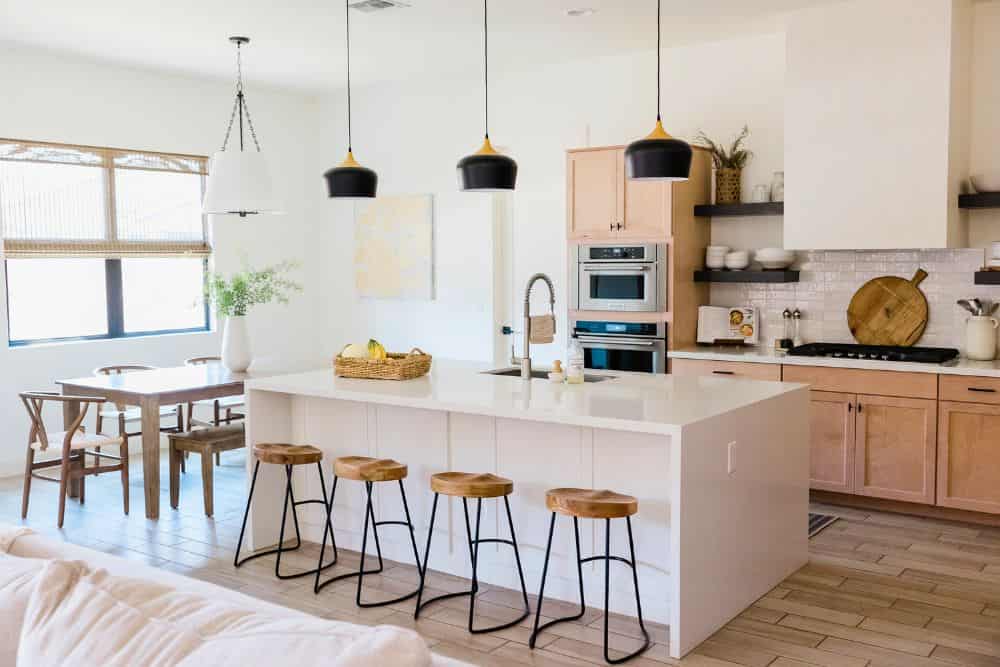
Flooring provides the visual base for every room. A textured laminate floor influences furniture choice, colour palettes, and even lighting placement. Smooth finishes often suit compact or minimalist spaces, while textured wood-effect designs add presence to larger or more traditional rooms.
Wood-effect laminate remains popular across UK homes due to its balance of appearance and practicality. When selecting laminate flooring near me, viewing finishes in person helps you assess tone, texture, and how different options respond to room orientation, natural light, and daily foot traffic.
North-facing rooms often benefit from lighter or warmer finishes that prevent spaces from feeling dull, while south-facing rooms can handle deeper tones without losing brightness. These decisions shape the entire interior scheme. A well-chosen floor simplifies later design choices and supports a consistent look throughout your home.
Flooring texture also influences how long a design remains relevant. Finishes with moderate texture tend to age better than highly stylised patterns, allowing interiors to adapt as furniture or colour schemes change. This flexibility helps you update rooms over time without needing to replace the floor.
Practical Ways to Layer Textures in Small Spaces
Smaller rooms benefit from a measured approach to texture. A textured laminate floor provides enough visual interest without the need for multiple competing finishes. Soft furnishings can then add contrast through limited, complementary materials.
Lighting plays an important role in how texture appears. Subtle shadows highlight surface detail and add depth without introducing extra objects. Floor lamps and wall lights can emphasise texture in the evening, while natural daylight reveals surface variation during the day.
Seasonal changes offer a simple way to refresh texture without altering the base scheme. Heavier fabrics during colder months and lighter materials in warmer periods keep rooms feeling appropriate throughout the year. This restrained layering helps compact rooms feel intentional and comfortable rather than crowded. Soft furnishings can then add contrast through limited, complementary materials. Layering with ready-made curtains from Terrys makes it easy to adjust this balance seasonally, and introduce warmth and texture without overwhelming the room
Floor texture can also help define zones in smaller homes. Subtle changes in pattern direction or surface detail distinguish living, dining, or working areas without physical dividers. This approach supports practical use of space while maintaining a clear and uncluttered layout.
Balancing Texture Across Living Spaces
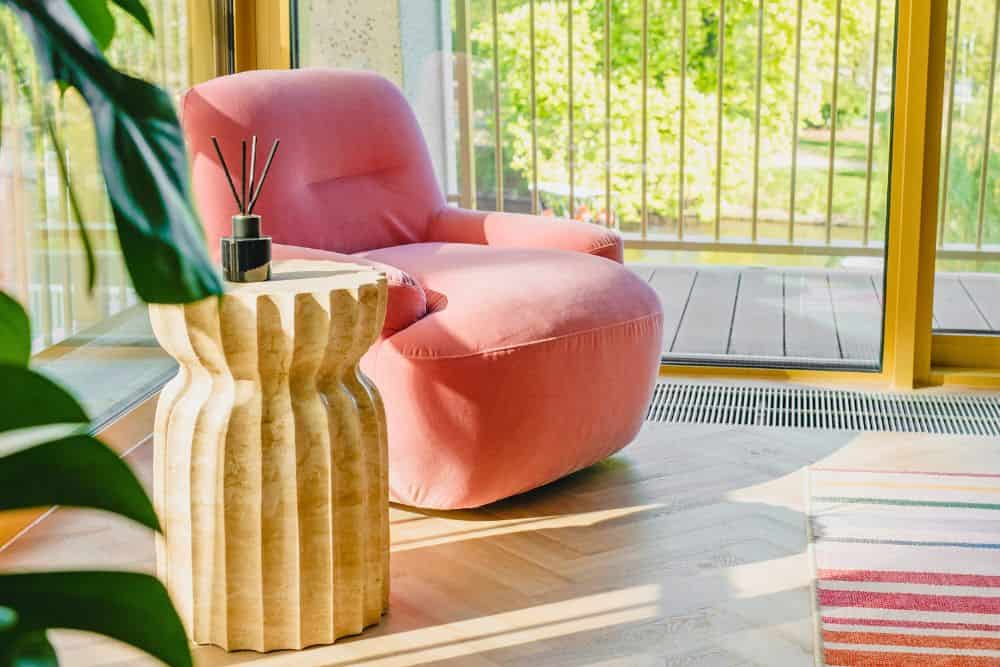
Texture combinations work best when visual weight stays controlled. Floors with stronger surface detail tend to sit comfortably alongside softer materials elsewhere, while smoother laminates allow heavier fabrics or more structured furniture to take focus without the space feeling crowded.
You can use patterns and textures to support function as well as appearance. High-use areas often benefit from finishes that reduce the visibility of everyday wear, helping living rooms and hallways stay visually consistent over time. In homes with children or pets, this practical balance becomes especially important.
Consistency between adjoining rooms also affects how textures read. When flooring texture flows naturally from one space to the next, interiors feel calmer and more connected. Subtle choices in finish and surface detail play a role in how flooring influences perceived quality, shaping how refined or cohesive a space feels over time.
Testing samples together before final decisions helps avoid mismatches. Viewing materials under different lighting conditions ensures textures interact well throughout the day, reducing the risk of unexpected contrasts once installed.
Understanding Pattern Scale in Interior Design
Pattern direction plays an important role in spatial perception. Horizontal layouts often make rooms appear wider, while directional patterns draw the eye forward and help guide movement through a space, particularly in open-plan interiors. Observations on how floor patterns affect room atmosphere show how visual rhythm and pattern orientation influence how calm, dynamic, or structured a room feels during everyday use, beyond surface appearance alone.
Scale also affects how easily a space can be styled over time. Flooring with a restrained pattern allows more flexibility when furniture, textiles, or wall finishes change. Strong or oversized patterns may feel impactful at first but can limit future design adjustments.
Patterns and textures influence more than how a space looks. They shape how our rooms feel, how easily they adapt over time, and how comfortable they are in daily use. Flooring choices set the visual and functional foundation, supporting balance, flow, and consistency across the home. When textures and patterns are selected with scale, light, and lifestyle in mind, interiors feel calmer, more connected, and easier to live with. Thoughtful flooring decisions allow spaces to evolve without losing coherence, supporting both comfort and long-term satisfaction.
What type of flooring do you have in your home? Are you a fan of using patterns and textures to set the tone for your living spaces?
* This is a collaborative post – please see my Disclaimer.

The muted colors of these rooms really highlights the textures chosen!
They’re gorgeous, aren’t they!
I agree that laminated flooring make a huge difference. We had carpet in the living room and with our dog getting in and out a few times a day, it was a nightmare to keep it clean. We changed to flooring and don’t even consider going back to carpet. It has shades and light reflects from it, it looks much better.
It really does – we did the same as you in our conservatory and also our hallway, it’s been a game changer, we’d never go back to carpet now!
I love how you explain the impact of textures and patterns—it really makes me think differently about my own flooring choices. Such a practical and inspiring guide!
Thank you, I’m so pleased it was helpful. 🙂