
AFF | If you’re lucky enough to have a garden or outside space, one of the most rewarding things you can do in it is to restore some Nature. Our ancient meadows, hedges, woodlands, and swamps are shrinking every year, so it’s more important than ever that, those of us who can, do their bit to help to replenish these rapidly diminishing wild habitats. Would you like to make your garden more wildlife friendly? If so, you may be surprised at how easy and inexpensive it is to do and (speaking from personal experience) how much joy it will bring you too.
How To Make Your Garden More Wildlife Friendly – 15 Top Tips
Did you know it’s not only insects that can be good pollinators in your garden? Some birds can be as well. And birds, hedgehogs, frogs, and mice will all do their bit to help keep garden pests under control. Here are some easy ways you can provide food, shelter, and water to help attract all manner of wildlife into your garden.
Install a Bird Feeder
Probably one of the cheapest and easiest ways you can make your garden more wildlife friendly. If you want birds to visit your garden, give them food and water in a dedicated bird feeder*. Yes, it really is that simple. And even more important during extreme weather, such as summer drought or winter snow and ice.
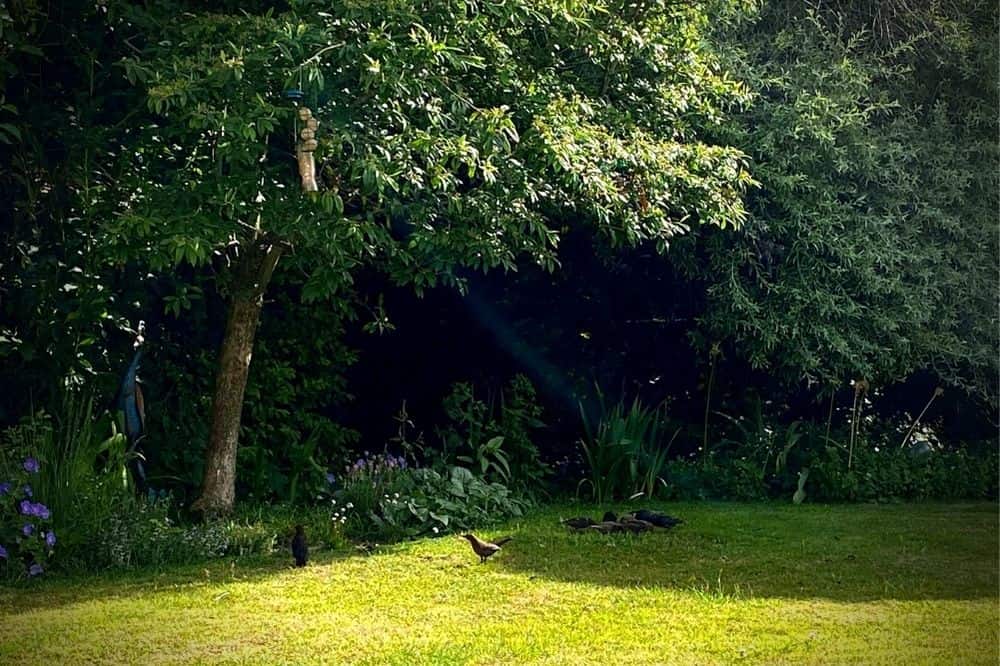
Go for quality wild bird food* and high energy fat balls* and make sure you hang any feeders at your own head height, to deter predators pouncing on the birds mid-meal – as happened in our garden last year <sob>.
Build a Pond
Even a small pond can become a magnet for wildlife – frogs, newts, dragonflies, and more. We have three ponds but if you don’t have much space, you could repurpose a wash basin or dedicate a swampy part of your garden to rain water.

Make sure whatever container you use is shallow enough to allow animals to escape easily, should they fall in. You can also add a bird bath in one of the secluded sections of the garden (although we don’t do this because we have 3 watchful cats).
Put Up a Bird Nesting Box
Do some research the birds in your area so you know what kind of nesting box* to buy. Birds such as house sparrows and blue tits love nesting boxes with small holes. Larger birds such robins do well in nesting boxes with large openings – or even an old teapot 🙂 This really is one of the best low maintenance wildlife friendly garden tips.

Hang any boxes on the side of the house or a tree trunk facing north and east, not in direct sunlight as they’ll overheat.
Plant Colourful Flowers
Planting colourful, pollen-rich, native flowers that bloom at different times of the year, including in pots, will provide sanctuary and food for insects. Ensuring consistent food for wildlife in your garden all year long will attract migrating birds and butterflies, as well bees and other pollinators who will help your crops thrive.
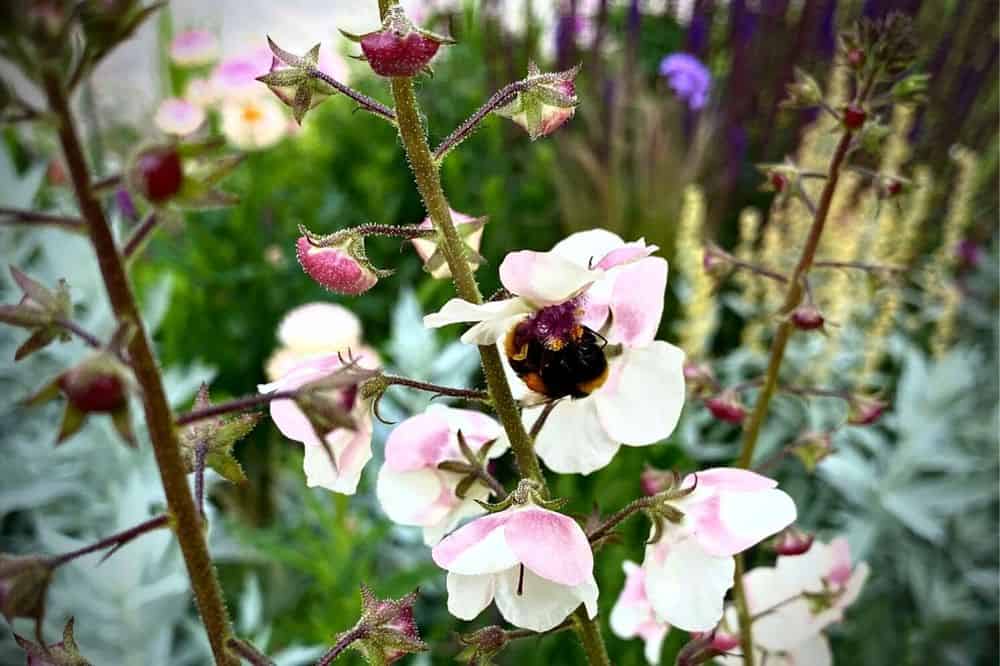
Don’t forget to choose some night-blooming flowers as well, for the night time pollinators such as moths. Some flowers can even attract predatory insects that feed on bugs and pests, thereby providing you with a simple, organic solution to pest control.
Reduce the Use of Pesticides
Tempting as it is to use pesticides with chemicals that kill pests and insects, don’t use too many. Yes, they can be effective, but excessive use of pesticides and herbicides will also harm beneficial insects and animals.
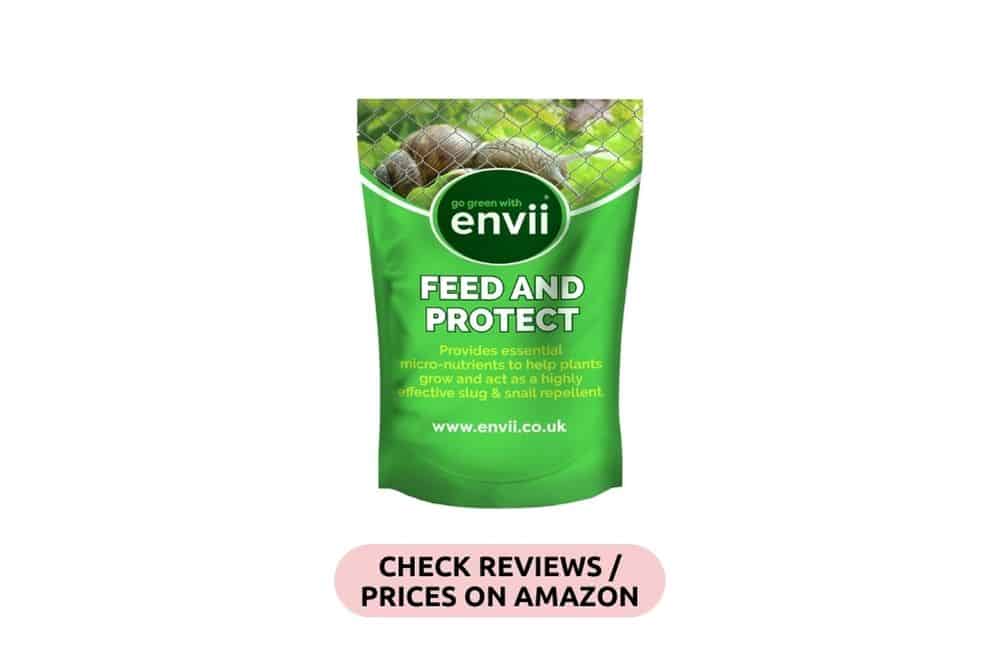
If you must use slug pellets (as I do to protect our new seedlings) then look for organic non-toxic slug repellants* that are safe for use around children, pets, and wildlife, including birds and hedgehogs.
Compost Your Kitchen Waste
Composting is a great way to provide plentiful, natural, and organic fertiliser for your plants. And it’s easy to do too: you can either buy a compost bin* or build your own with pallets*.
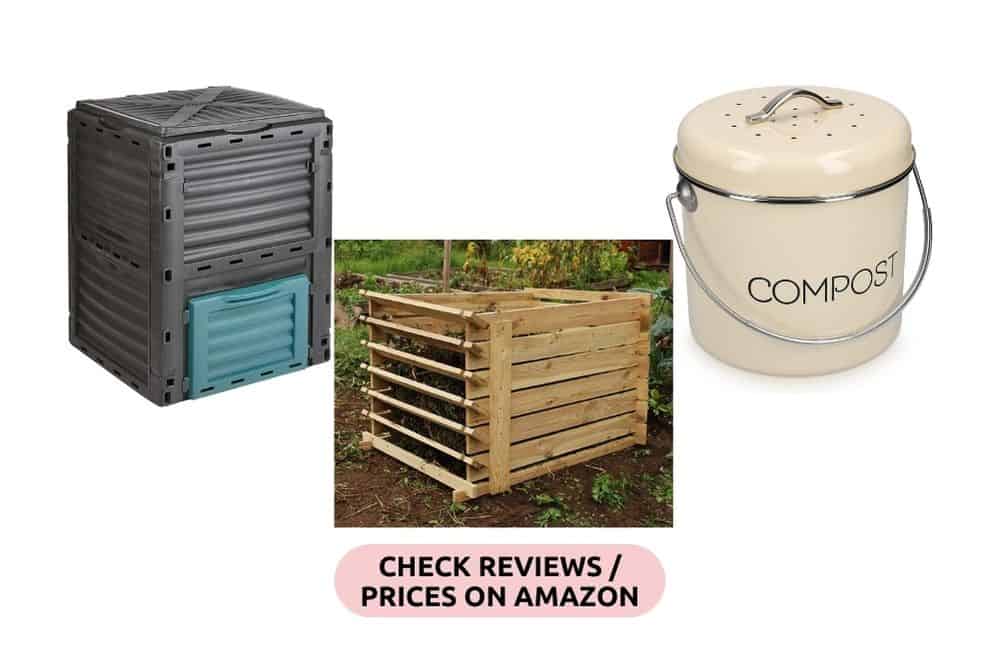
Simply throw in any uncooked food scraps from your kitchen caddy*, plant matter, and other biodegradable waste such as cardboard and give it an occasional stir with a stout stick. As the matter decomposes, it creates the perfect environment for worms, small insects, and other beneficial microorganisms to thrive.
Let the Grass Grow
One of the best ways you can make your garden more wildlife friendly is not to cut the grass. Tall grass is home to a variety of small wildlife such as newts, frogs, insects, and mice.

At the time of writing this post, it’s #NoMowMay month, and we’ll be leaving a few areas of grass uncut to create a safe habitat for all kinds of small creatures in our garden and orchard.
Plant a Living Fence
Instead of building a fence or a wall, why not grow a live screen? A live fence can be a home, carbon store, and a great source of food for insects, birds, and other small animals. Hedges and shrubs are perfect choices for this, whether you opt for a native mixed hedge or evergreen. Particularly since a recent National Trust study reported that we’ve lost over 50% of our hedges since 1900. And that’s a very scary statistic about these living wildlife corridors that stitch our countryside together.

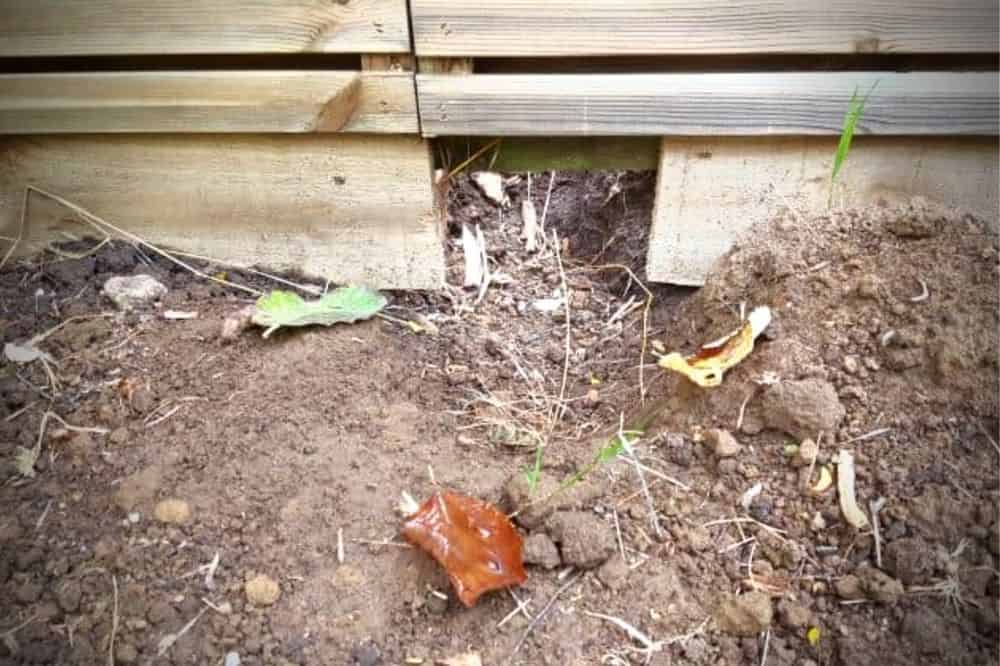
However, if you do decide to build a fence, remember to leave a small opening at the bottom for wildlife such as hedgehogs to get in and out of the garden.
Keep the Garden Natural
One of my favourite wildlife friendly garden ideas is to keep at least some parts of your garden as natural as possible. Don’t cut down every single dead plant or weed everything away. Dead plants will provide a home for bugs and food for birds and other wildlife too. Plus, reflecting the natural landscape will help the birds and other wildlife adapt faster and more easily to your garden.
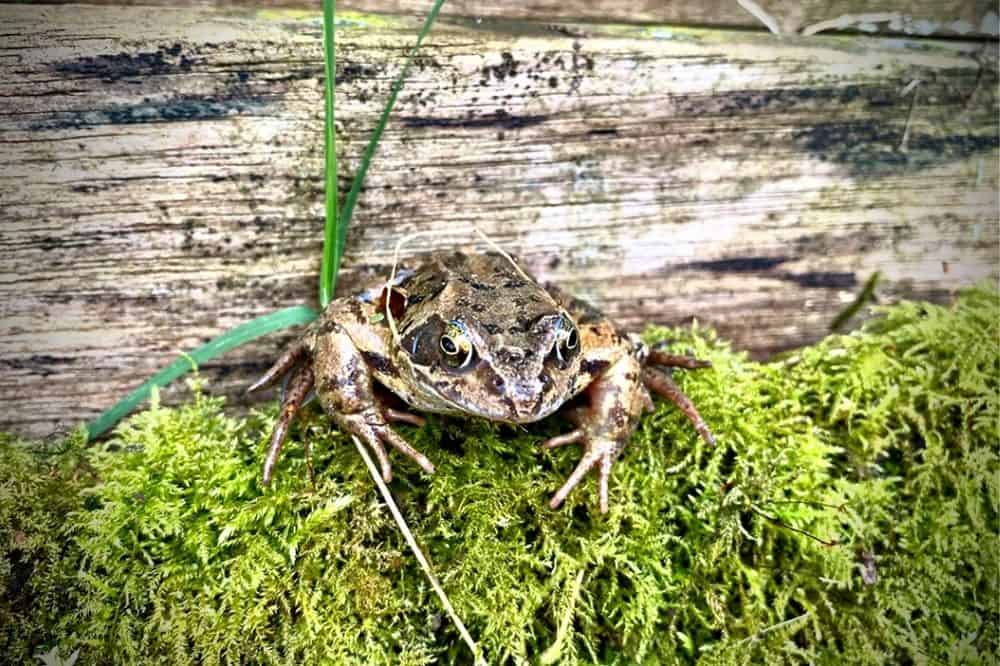
Stacking twigs, logs, and other timber material in a shaded part of the garden will create the perfect ecosystem for insects, frogs, and other small mammals that love decaying wood but don’t like being disturbed. Or pile up some stones into a rock garden to attract bugs who don’t like being out in the open.
Grow Your Own Herbs
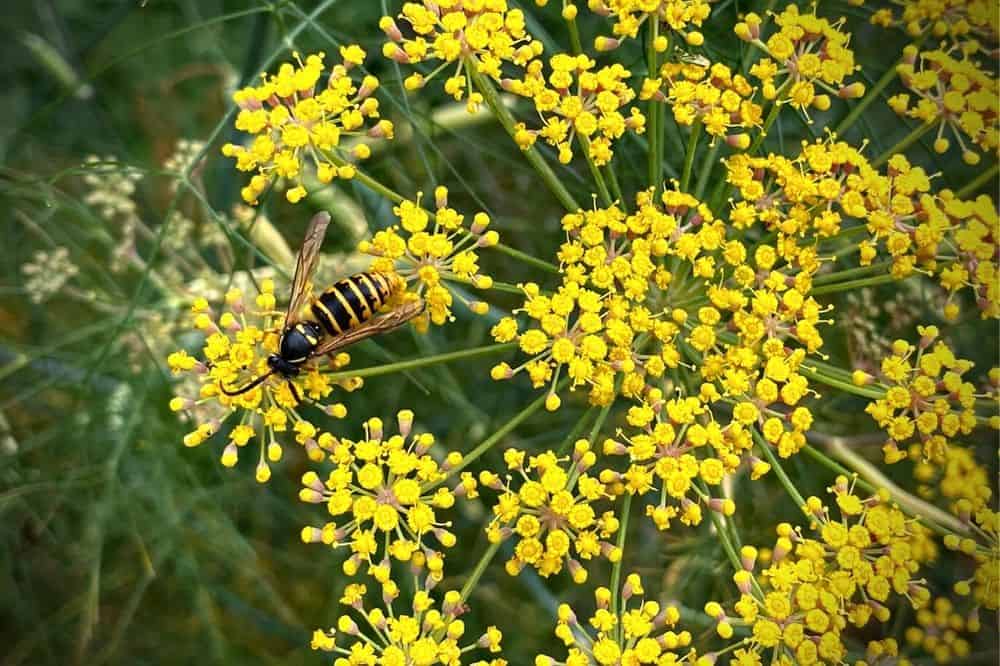
As well as being much cheaper than buying from the supermarket, herbs also provide good food for insects and birds. Rosemary, sage, mint, chives, thyme, oregano, and fennel will attract bees, butterflies, hover flies, and other kinds of pollinators when in flower.
Keep a Hedgehog House
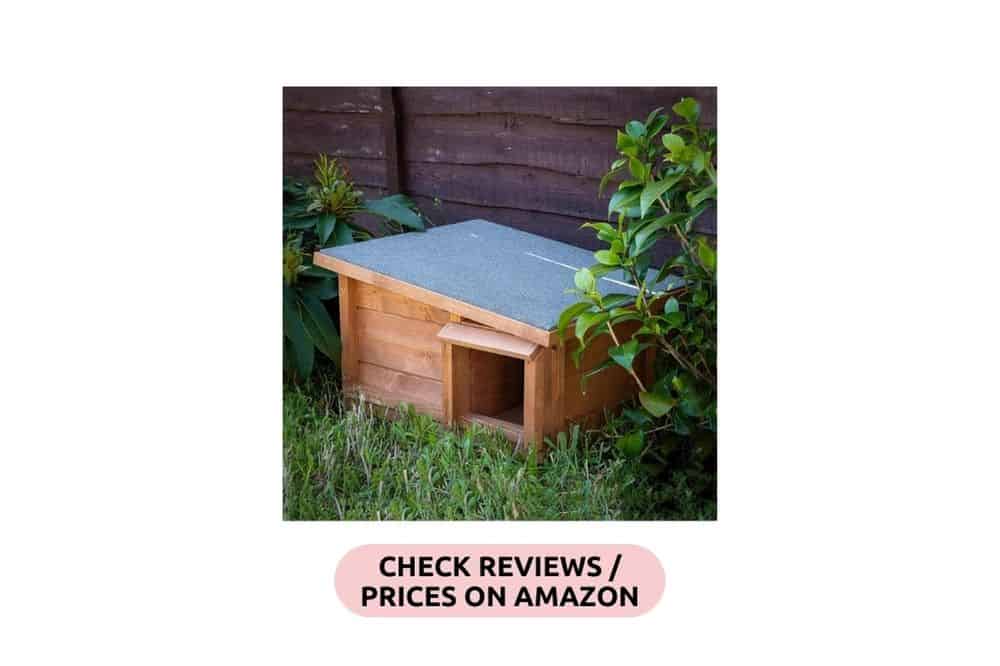
Get a hedgehog house* and place it somewhere private and shaded. Keep a bowl of water close to this house and another one for their food – wet cat food is ideal. Don’t give them milk or bread as it upsets their tummies.
Hedgehogs will gladly feed on snails and slugs in your garden, helping to keep them away from your crops.
Attract Solitary Bees With a Bug Hotel
Get a bee house or bug hotel* to attract the solitary bees that visit your garden. A bee house should be securely fixed and facing south in a sunny position.

We have a couple in our garden and each year they are HUMMING with solitary bees coming and going, laying their eggs for the next year. Honestly, it’s one of the easiest ways you can make your garden more wildlife friendly.
Install a Bat Box
If you build it they will come – well, the bats took around 4 years to come in our garden but it’s been well worth it to see them swooping around at dusk and feasting on the gnats over the last couple of summers!
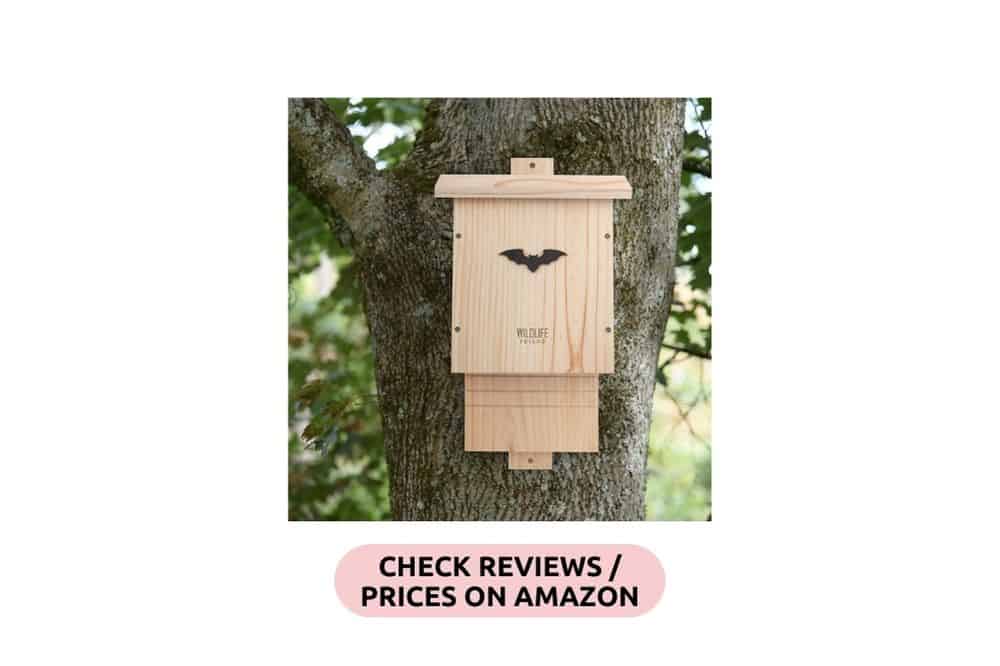
You need to install the bat boxes relatively high up, either in a tree or on the side of house roof. Make sure the bat box is made of untreated timber* because bats don’t appreciate chemicals.
Plant More Trees
Every garden, no matter how small, has room for a small tree, even in a pot. Trees provide an amazing and safe habitat for birds, insects, and butterflies. They also provide shade and create a wonderful microclimate that allows wildlife to thrive.
Create a Green Roof or a Living Wall
Biophilic design is very much in vogue now and it’s surprisingly easy to do. You can incorporate an element of modern living art by creating a green roof on your garden shed or a living wall of plants on a side wall of your house. These serve two purposes; they keep your shed and home insulated from the heat, and they provide shelter and food to a wide range of birds and insects.
So there we are, 15 easy ways to make your garden more wildlife friendly – how many have you tried in your outside space? Which one is your favourite? Do you know any more ways of attracting wildlife into your garden that ought to be on this list too? 🙂
* This post contains affiliate links, please see my Disclaimer.


Great tips! I’ve got a couple of hedgehog houses which I need to put out.
Thank you so much, Nikki 🙂
These are such great tips. I definitely want to grow more herbs and flowers. The bird feeder was also such a great idea. I would love to be able to attract more migrating birds to my yard!
Thank you, Heidi – and the herbs and flowers would be super useful for your recipes too 🙂
these are all such lovely tips. a few of these we already do, but we’ve recently talked about installing a living wall. primarily this was to shield us a bit more from neighbours, but there are so many more benefits to them. we could also do with looking into wildlife attracting plants too.
claire.x
http://www.clairemac.co.uk
Living walls are brilliant – so much nicer to look at as well as being good for wildlife and other benefits – hope you can install one in due course! x
Such a great post and informative, it reminds me i can do more and it doesnt take much to put up a couple bird houses. Keep up the great work.
Thank you, Matt, that’s very kind.
Love this post, I love seeing the wildlife in my garden. We get parrots, squirrels, foxes, red kites, all kinds of birds it’s wonderful!
Rosie
Lucky you – we have the occasional sparrowhawk but no red kites – yet!
Great ideas, I love to have animals in the garden. These things are in my mind for when I have my own big garden. Thank you for sharing!
Thank you so much, I’m glad this was useful!
My Dad would like I make his garden wildlife friendly. I shall share this post with him. Thank you for for sharing.
Ah, thank you, Fadima, I hope this is useful for him!
These are really cool ideas. I need a bird bath and more hedges.
Thank you – and yes, you do, you do 🙂
I am thinking about putting a live fence up. To me it would be easier to do, since it won’t require a permit.
That’s very true, although you’d need to keep it to a maximum height and width if it overhangs a pavement.
Wonderful tips Lisa! I’d love to start growing my own herbs. Leaving a small opening in your fence is a great idea too. Thank you for sharing!
Thank you, I’m so pleased you found it useful – happy herb growing!
Love these ideas, Lisa! My dad built a new bigger pond in our garden and the influx of wildlife has been incredible to experience. My favourite thing was watching a family of Great Tits taking turns bathing in the waterfall last summer x
Oh wow, that must have been magical – that wouldn’t happen in our garden because of our cats, unfortunately, but at least our birds are well fed and watered 🙂 x
Okay I need to get a hedgehog house when I move into my own house! At home at the moment, we have squirrels that come up to the back door and take peanuts and an array of pigeons who we feed too. When I move, I’ll be in the country, so even more opportunities for wildlife to come and visit!
Oh wow, I cannot wait until you move into your new home and start posting about all the wildlife you’re going to encourage!
This is such a lovely post Lisa 🙂 I don’t have a garden myself, but I think encouraging wildlife whenever you can is so important. Thank you for sharing x
Thank you, Eleanor, that’s very kind, glad you enjoyed it 🙂 x
Guess which one of these I’m doing. I’m letting the grass grow. At the very end of the garden 😂.
But there’s a few inspiration here. Adding some wild colorful flowers is a good idea.
Sounds perfect, Bev! 😂
It’s so good to see more and more awareness about making gardens and other green spaces more wildlife friendly. We can all do our bit and encourage this kind of environmental action — great reminder!
Thank you, Molly, I’m so pleased you enjoyed the post, and yes, we can all do something, no matter how small 🙂
This post gave me the nudge I needed to get back out in the yard and do some work I’ve been putting off for too long. The herbs are coming in so nicely already. Thanks for the inspiration!
You’re most welcome, and I’m so pleased you enjoyed the post – happy gardening!
Great tips! We’ve been employing a bit of all of this in our slow transformation of our garden. It takes time to do these things right and really foster a natural haven.
That’s so good to hear – and yes, it does take time, but it’s really worth it 🙂
Such a great post and informative, it reminds me i can do more and it doesnt take much to put up a couple bird houses. Keep up the great work.
Thank you so much, I’m very pleased it was helpful.
We don’t have a massive garden so we can’t do as much as I would like, but we’ve just planted lots of wildflower seeds and I can’t wait to see what they turn out like!
Corinne x
https://skinnedcartree.com
That’s so exciting – I’ve been throwing handfuls of wildflower seeds down too – fingers crossed for both of us! x
These are excellent tips. It is soothing to garden as well. It is a great way to relieve stress.
https://www.bauchlefashion.com/
Yes, it really is – thank you, Heather!
These are great suggestions for ways to make the garden more wildlife friendly! My partner’s mother recently had her garden home rebuilt, so now would be a great time to install a bird feeder and nesting box
Thank you, Karalee – and yes, now would be perfect, especially as the building work has finished!
This is such a lovely read! I would like my little balcony garden to be more wildlife-friendly 🙂
Thank you so much – bird feeders and herb pots would be fab on a balcony!