AD | European tourism merges the continent’s rich legacies with contemporary business practices. And it’s a winning formula. Demand for modern and immersive experiences within the historical tourism niche is growing with visitors increasingly keen to learn about and experience the history, culture, and heritage of their chosen destination.
Europe’s Top Historical Destinations
Europe offers countless historical destinations. Here are just a few of the most popular highlights.
- Paris, France offers landmarks like the Eiffel Tower, world-renowned art museums like the Louvre, and medieval Gothic cathedrals like Notre Dame.
- Rome, Italy gives visitors glimpses into the grandeur of the Roman Empire, with magnificent structures like the enormous amphitheatre known as the Colosseum.
- In Berlin, Germany, tourists can explore the city once separated by the Berlin Wall, a Cold War-era barrier that divided East and West Germany. Although it was torn down in 1989, fragments of this infamous wall can still be seen today.
- The Netherlands was the birthplace of many world-famous artists, including Rembrandt, Vermeer, and Van Gogh. Visitors can walk in the footsteps of these talented artists and experience the culture and scenery that inspired their masterpieces.
Band of Brothers Tours
These European locations have no shortage of cultural and historical attractions. But they’re just as well-known for their military history, especially their roles in the Second World War. Europe attracts many military history fans looking for a deeper connection to this significant period in world history.
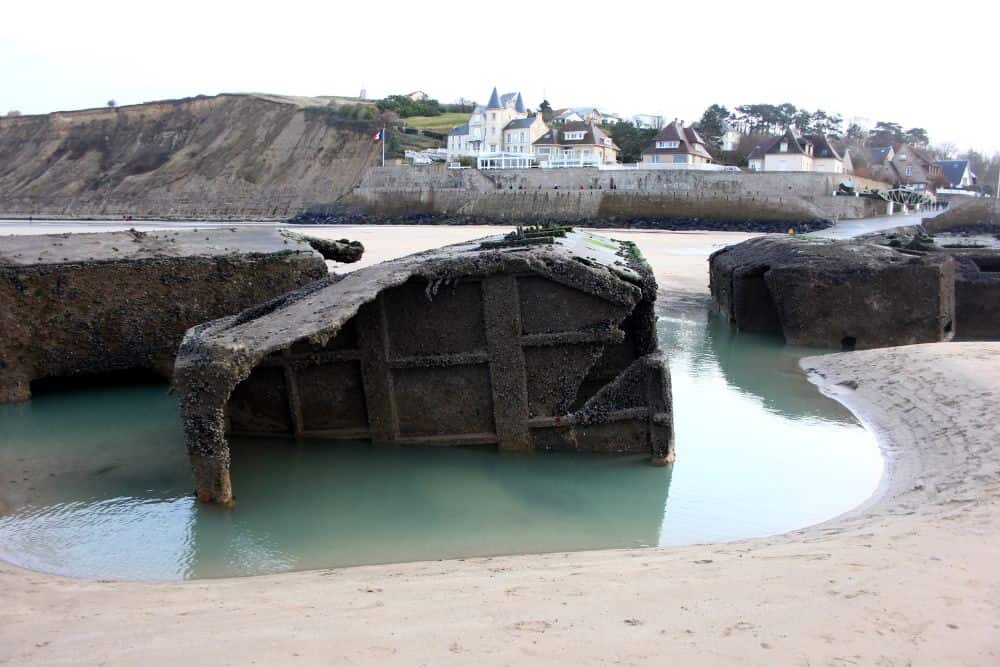
And a Band of Brothers Tour will ensure they’re not disappointed. It allows visitors to explore the top World War 2 sites in Europe, including the battlegrounds of Normandy. Expert guides provide the tour participants with accurate and in-depth insights and highly personalised experiences.
The Rise of Historical Tourism in Europe
History-focused travel is experiencing renewed interest in Europe, and it’s not difficult to see why. The European continent has a rich and exciting story to share. Many of Europe’s ancient castles, monuments, and places of interest can still be visited today. Historical battlegrounds and military monuments also draw in the crowds. The continent was the stage of countless military battles, including two world wars, after all.
Interest in Europe’s heritage provides many economic benefits, particularly for tourism businesses in local communities. Recent statistics show that travel and tourism account for almost 10% of Europe’s Gross Domestic Product (GDP). And this is expected to rise. And it’s not just the major players in the industry that stand to win. Even smaller tour operators can enjoy a revenue boost by including historical tours in their itineraries.
Merging Business with Historical Tourism
The influx of people attracted by historical tourism allows local businesses in these European destinations to thrive. It’s not just the tour operators, museums, and hotels that enjoy these gains. By catering to the demand for authentic traditional cuisine, crafts, and activities, restaurants, and other businesses get a boost for their visibility, reputation, and revenue.
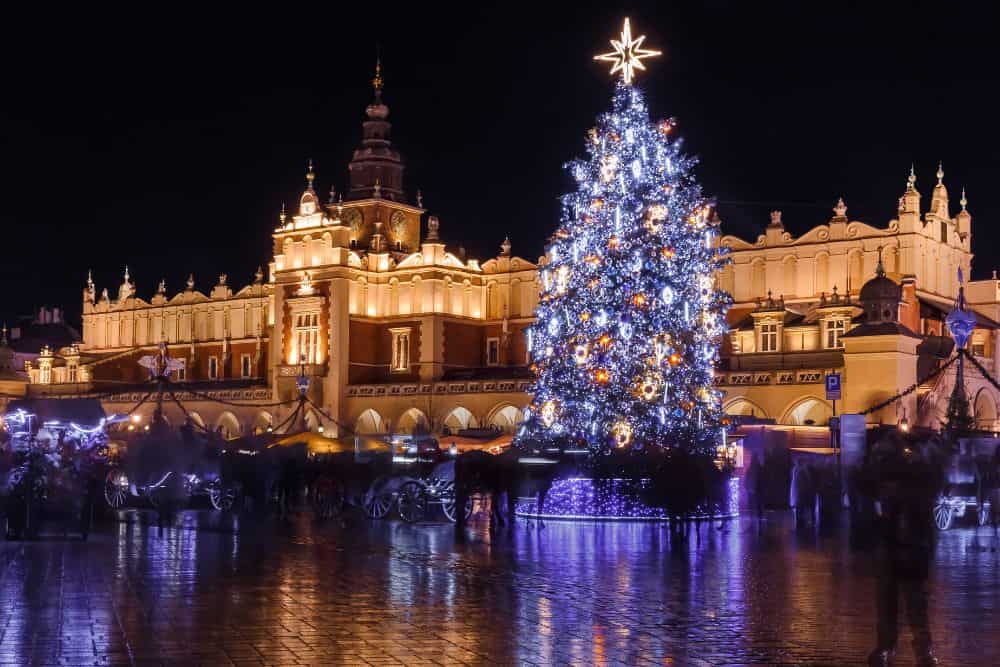
Informal businesses and craft markets benefit too. Visiting an open-air market isn’t just one of the best fun and free things to do in Bath. It’s a fun activity on a historical European tour too. Plus, it allows small local vendors to market their specialised artisanal goods to both locals and tourists.
Digital Transformation in Historical Tourism
New technologies like the Internet of Things (IoT) are now celebrated in every industry, including travel and hospitality. And it’s changing the way we experience historical tourism, too.
These innovations are playing an increasing role in enhancing the whole experience. Wearable technology is part of this shift too. AI sunglasses have started appearing among tech-savvy tourists who want to document and stay connected during historical tours without the interruption of reaching for a phone or camera at every turn.
Museums, art galleries, and various other businesses are adapting to the demands of modern, tech-savvy tourists, and virtual tours and augmented reality encounters are now commonplace in museums like the Louvre.
Challenges and Opportunities
With so many advantages, can there possibly be a drawback to the business of historical tourism? Unfortunately, yes, there are a few challenges alongside these business opportunities.
Firstly, managing mass tourism while maintaining authenticity is a common challenge in historical tourism.
Secondly, and even more importantly, there needs to be a balance between promoting and preserving Europe’s iconic historical sites.
Without this balance, the landmarks and monuments that attract so many visitors to Europe can easily fall into disrepair. And this raises the risk of damage or loss of important historical treasures. Fortunately, a successful balance between preservation and profits is possible and European countries know what’s needed to ensure continued authenticity, despite soaring tourism numbers.
The Future of Historical Tourism in Europe
Europe has always been the preferred destination for historical tourism. Despite a shift to African and Asian historical and cultural tours in recent years, Europe’s appeal is very unlikely to wane. The carefully curated experiences offered by tour companies like Band of Brothers Tours will ensure continued success.
But for the historical tourism industry to have a promising future, a concerted effort to balance business opportunities with preservation efforts is crucial. And this will allow many more generations of tourists to experience the wonders of Europe’s past. Because when historical tourism meets business, everyone wins.
Are you a fan of historical tourism? Which European destination for this kind of experience appeals to you most?
* This is a collaborative post – please see my Disclaimer.


Pretty much all the tourism I’m doing has a history link, as I am a historian. I love the fact that this kind of tourism getting more and more popular. The Band of Brothers tour sounds really good.
I thought of you when I published this piece, it would be right up your street!
I am one for a good beach holiday but will just as easily jump on a historical tour. I am very interested in the how and the when and the why. I may not remember it all but I am interested. I also think Greece would also make one such great historical tour list.
Yes, Greece would be a great historical touring holiday – but out of season, when it’s not so hot!