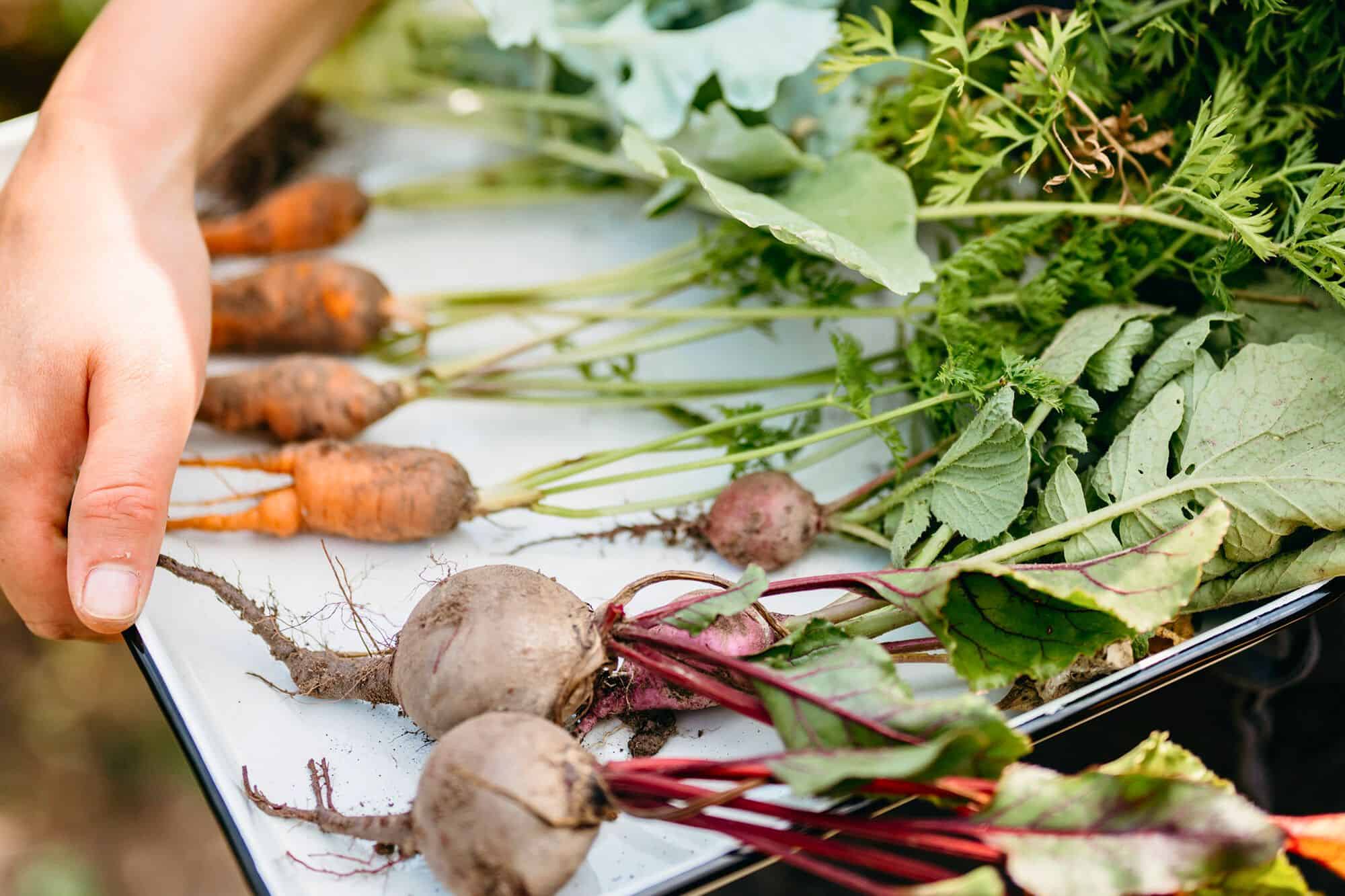
What do you do when you have big dreams of growing your own food, but you’re restricted to gardening in small spaces? Even if you live in a rented apartment, you can still make use of balconies, patios, walkways, and other places with containers, hanging baskets, and pots to grow a goodly harvest. If you’ve got the grow your own bug and want to find out how to get more yield per square foot, these are my favourite tips, tried and tested over the years.
Types of Small Garden Spaces
There are so many small gardening spaces that are perfect for gardening lovers, such as:
- Indoor or Windowsill Garden
- Balcony or Patio Garden
- Vertical Garden
- Raised Bed Garden
- Rooftop Garden
Small space gardening offers its own challenges, but also its own opportunities. Why not search or subscribe to a few home and garden magazines or websites for design ideas to see what might work in yours? And now, let’s take a look at how to garden and what to grow in small spaces.
Making a Small Space Work – Tips for Gardening in Small Spaces
Grow Crops That Offer Rich Rewards
Think about growing expensive crops or hard-to-find crops. Growing easily available crops such as Squash or Cabbages won’t yield as much value as more expensive crops such as Mushrooms, Ginseng, or even Saffron.
You can easily find Cabbages or leafy vegetables at the supermarket or at a farmer’s market. But you’ll have to pay a lot more for other rarer and more exotic crops, so why not give them a go in your small garden space instead?
Choose Fast-Growing Crops
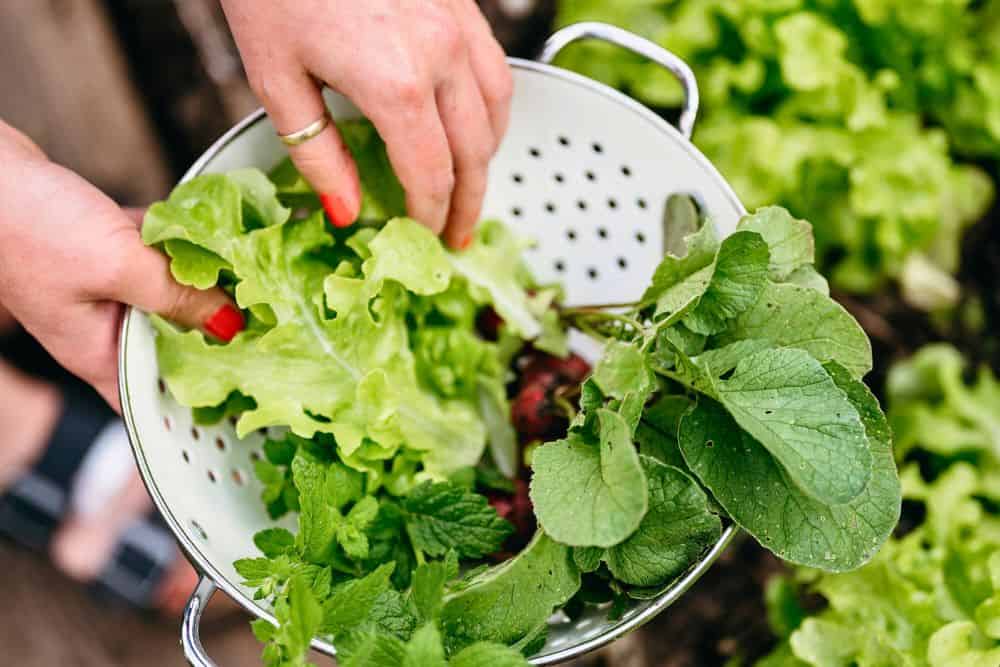
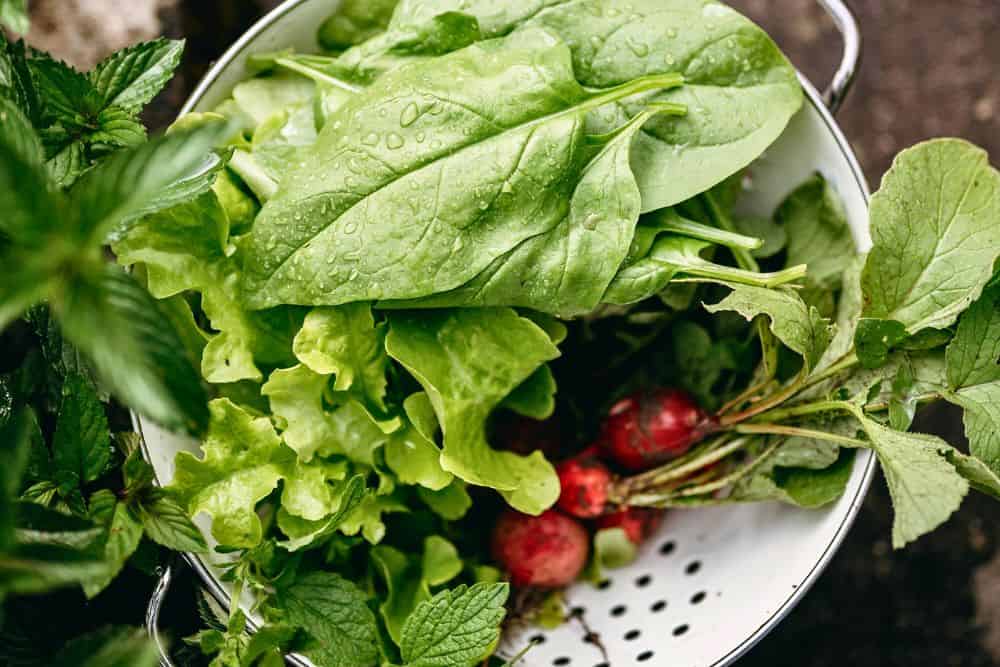
The quicker the rate of return the more profitable a venture is. And the same applies to gardening in small spaces. Avoid planting long-term crops, look for plants you can grow and harvest several times in one year. Such as Lettuces* and Radishes*.
Introduce Companion Planting
Companion planting is when you grow different crops together for mutual benefit. Mix crops that grow tall with crops that cover the ground. The tall ones will provide shade for the lower ones, while the lower crops provide shade for the roots and protect the soil from drying out.
A good example of companion planting would be planting Calendulas* together with Courgettes* in the same garden space. Both will also benefit from natural pest control and pollination.
Intercropping
Intercropping means planting smaller crops between taller (or bigger) ones. The smaller crops are usually faster-growing and you’ll be picking them before your larger crops start to mature. For example, Radishes* will grow and be harvested before your Courgettes* get too big.
Trellis Vining Crops
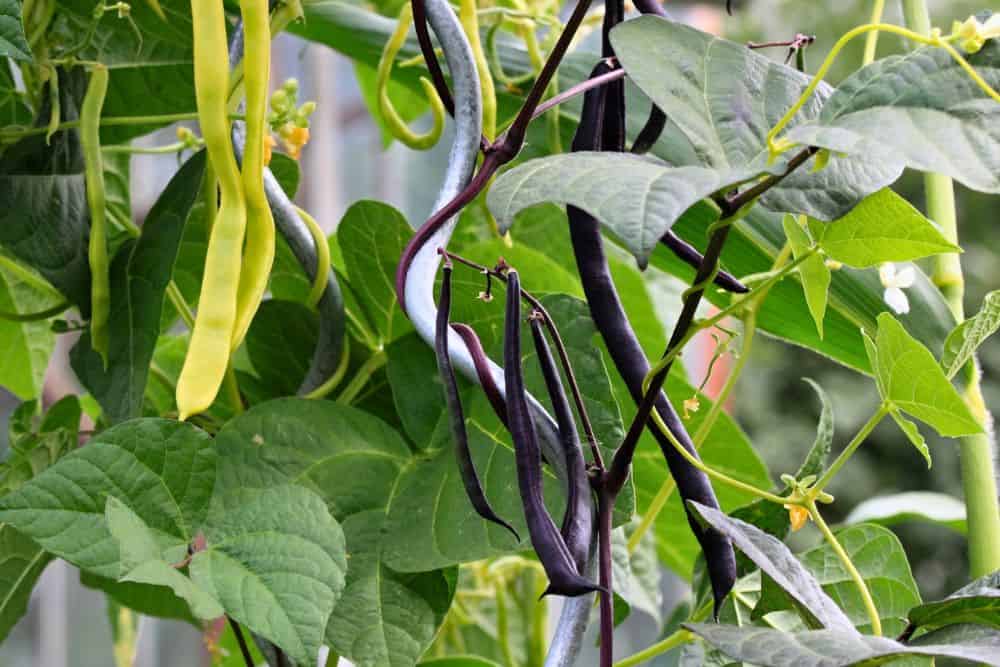
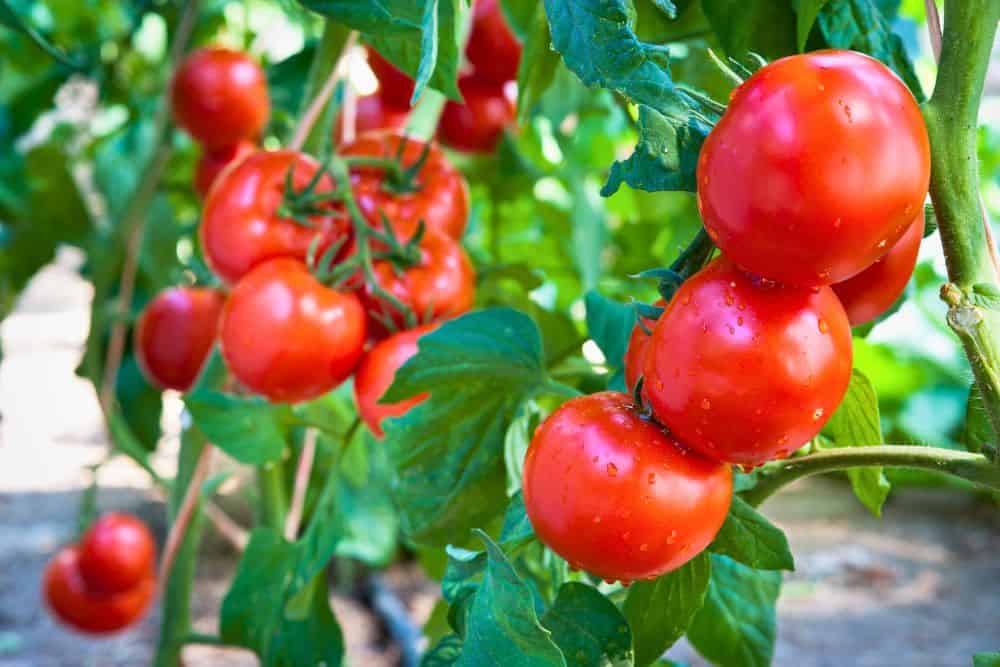
Consider planting up instead of out. Vining crops, such as French Beans* or Tomatoes*, can save a lot of space because they can grow up a trellis or canes. And the trellis or canes will support them and keep the fruits off the ground as well as prevent the possibility of contracting soil-borne diseases.
Use Raised Beds
The raised-bed technique makes suspended gardens and creates a larger growing space. Just make sure you leave enough spacing between them to allow the plants in the lower beds get enough sunlight. You’ll get more yield per square foot when growing on a raised bed because the soil is lighter and less compact than the ground. And plants’ roots can penetrate such soil more easily.
Choose Compact Varieties
Your choice of crops to grow will also impact the yield of your space. Choosing compact crops means you can grow a lot of them in a small space. Most leafy vegetables grow upwards and outwards, whereas herbs, for example, grow more compactly.
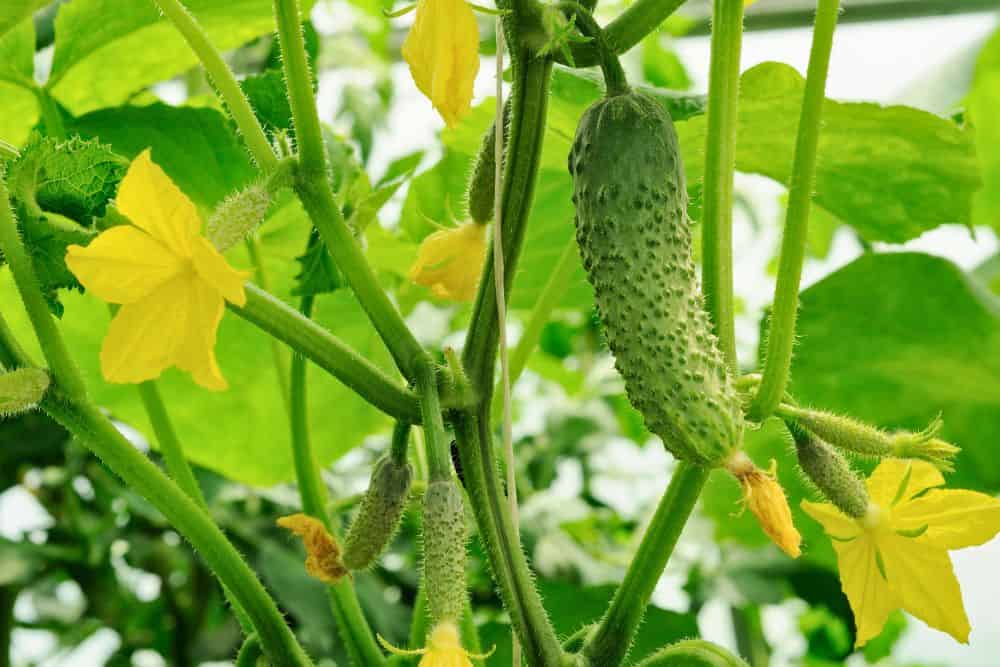
Vegetable gardening also lends itself to growing smaller varieties of crop. For instance, if you love Cucumbers*, try a small space variety that produces high yields of cucumbers not larger than 9 inches. The Tiny Tim Tomato variety is a dwarf species that also allows you to grow many tomatoes in a small space.
Use Closer Spacing
Don’t be tempted to ignore the spacing rule between plants when growing your favourite crops and vegetables. Some crops can be grown closer than recommended and still thrive, but it’s best not to congest them if you want a good yield.
That said, while closer spacing can reduce weeds as they won’t have enough space to grow, it can also make it harder to remove them too. Vegetables you can harvest in clusters or bundles, such as Lettuces* can be planted closer together though.
Add Containers
Containers are great because they’re portable and can be tucked anywhere (including patios, balconies, and front yards) to enhance your garden space. Container gardening is a good option for rentals if your landlord doesn’t allow gardening on their property. And you can take them with you when you move out.
Use Succession Planting
Space out planting times by a couple of weeks instead of planting everything at once if you want to grow vegetables throughout the year.
If you plan things out, succession planting will give you a steady supply of fresh vegetables and crops.
Use Hanging Baskets
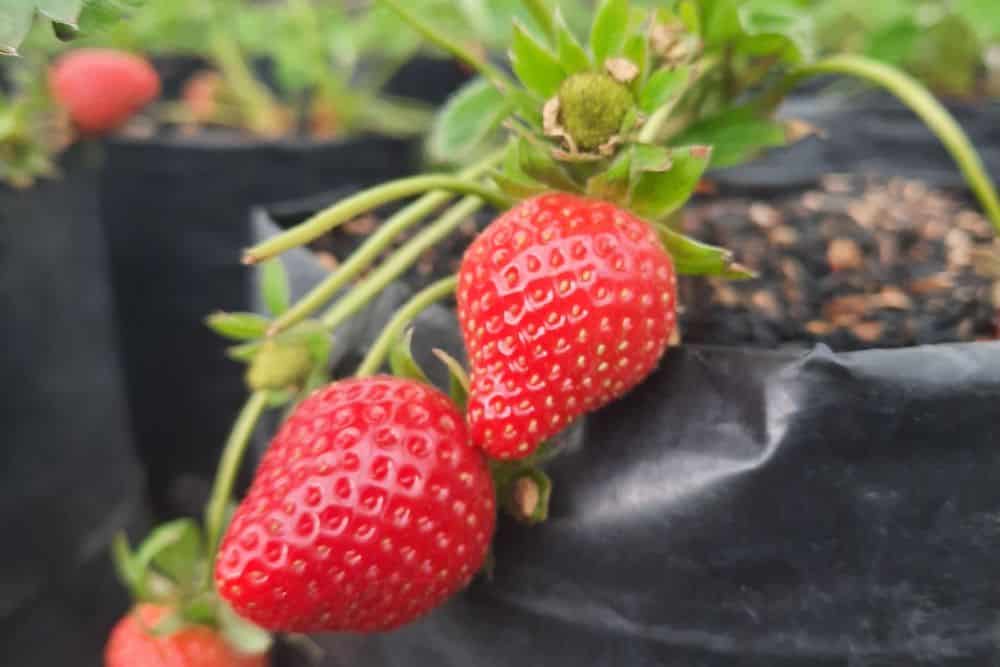
Apart from adding personality to your home, hanging baskets can also extend a small space very effectively. Crops like Strawberries* can thrive on hanging baskets, even indoors, because they can grow and tumble over the sides of the basket rather than bruising on the ground.
Prune Oversized Plants
Plants like Tomatoes* and Cucumbers* can take up a lot of extra space so pruning them is key. Not only to make the most of your small garden space but also to help them thrive, as all the important minerals and energy will be redirected to the important parts of your plants.
Try Square Foot Gardening
As the name implies, this means measuring and dividing your space into equal squares and then planting your crops accordingly. This method, pioneered in the 1970s, means there’s no wasted space and you’ll be making the most of your yield potential. It’s also a great technique to get your kids started on gardening as the smaller spaces are easier for little hands to manage.
Final Rule of Thumb for Small Space Gardening
Once you’ve planned out your design and chosen the crops you want to grow, make sure you have the right gardening tools before you start sowing, planting, and growing. And then you can really enjoy reaping all the rewards of gardening in small spaces. Good luck, and happy eating!
* This post contains affiliate links, please see my Disclaimer.

Lots of great ideas here, Lisa! I love companion planting and planting in pots when space is limited.
Thank you, Caroline – always a fan of making the most of the space I have!
My apartment does not even have a balcony, so I am stuck with gardening indoors. These are wonderful tips for those with smaller spaces!
Thank you, Karalee – I lived in an apartment with a window box for 15 years, so I feel you!