
AD | Gardening and home care are more than simple household tasks – they’re long-term investments in your comfort, health, and quality of life. A well-kept home with a thriving garden creates a space that feels inviting, functional and relaxing. Whether you live in a small apartment with potted plants or a house with a large patio, smart gardening and home care can greatly improve your environment and everyday life.
The Connection Between Gardening and Home Care
Let’s take a look at some practical, easy-to-use gardening and home care tips that anyone can implement. From nourishing plants and soil to maintaining indoor spaces, they’ll help you create a healthier, more beautiful home without unnecessary complexity.
Why Gardening and Home Care Go Hand in Hand
The two are deeply linked as both focus on maintaining living environments. A neglected garden can invite pests, mold and rot, while poor home care can reduce the benefits of outdoor greenery. When done together, gardening and home care create balance inside and out.

Gardening improves air quality, reduces stress and increases attractiveness, while home care ensures cleanliness, safety and comfort. Together, they support a lifestyle rooted in awareness and sustainability.
How a Healthy Home Environment Impacts Well-Being
Consistent gardening and home care have positive effects on mental and physical health. Plants can reduce indoor pollutants, regulate humidity, and promote relaxation. Clean, organized living spaces reduce allergies, improve sleep, and make daily routines smoother. When maintenance becomes habit, it creates a sense of pride and peace in your living space.
Getting Started with Gardening at Home
Choosing the Right Plants for Your Space
Success begins with choosing plants that best suit your environment. Consider sunlight, temperature, and available space. Low-maintenance plants such as herbs, succulents, and native species are ideal for beginners and busy families. Indoor plants such as Snake Plants and Pothos are popular because they require minimal water and thrive in a variety of conditions. Outdoor gardens benefit from native plants that are naturally adapted to the local climate.
Soil, Water, and Basic Plant Care
Healthy soil is key. Use nutrient-rich soil and compost to help plant growth. Overwatering is a common mistake, so always check the soil moisture before watering. Understanding the basic needs of plants – sunlight, spacing, and pruning – makes gardening and home care more rewarding and less frustrating. Small, consistent efforts lead to noticeable results over time.
Indoor Gardening and Home Care Solutions
Benefits of Indoor Plants
Indoor gardening and home care goes beyond aesthetics. Houseplants improve air quality, improve mood and add natural beauty to living spaces. They can also soften harsh interiors and make homes feel more inviting. And these strategies can be adapted to any room, from the kitchen to the bedroom. Herbs in the kitchen or calming greenery in the living room emphasize both function and mood.
Managing Indoor Plant Maintenance
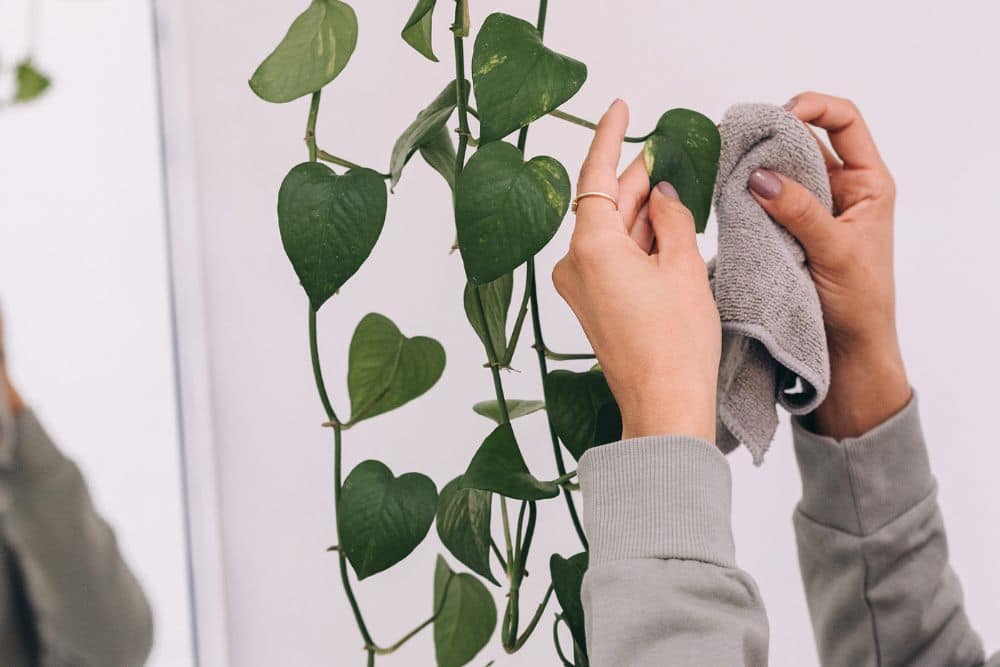
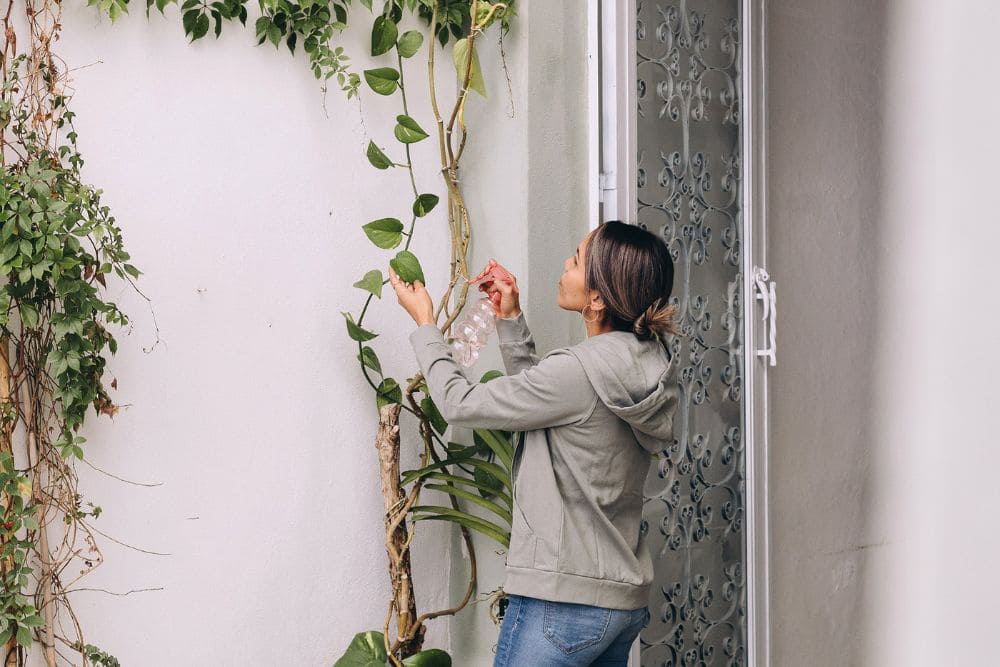
Indoor gardening requires regular but simple routines. Dusting leaves, rotating plants for even sunlight, and checking for pests to keep plants healthy. Using the right pots with drainage holes prevents root rot and water damage – protecting both your greenery and home surfaces.
The right planter even becomes part of your décor. Mixing ceramic pots, woven baskets, metal planters, or modern fiberglass containers from Jamali Garden adds texture and visual interest while complementing your home’s style. For areas with limited natural light or hard-to-reach shelves, consider blending high-quality silk plants with live greenery. This combination creates a lush look with less maintenance
Outdoor Gardening for Long-Term Home Care
Lawn and Garden Maintenance Basics
Outdoor gardening includes regular mowing, pruning, and seasonal cleaning. Keeping your lawn healthy prevents weeds and erosion, while neat garden beds reduce pests and improve appearance. Mulching is the key to conserving moisture, enriching the soil, and reducing weed growth, making outdoor spaces easier to manage all year round.
Seasonal Gardening Tasks
Each season brings unique responsibilities. In spring the focus is on planting and clean-up, in summer on watering and pest control, in autumn on pruning and preparation, and in winter on protection and planning. Following a seasonal schedule helps prevent damage and keep both plants and structures in good condition.
Home Care Practices That Support Gardening
Cleanliness and Organization
Effective home care depends on cleanliness. Mudrooms, entrances, and storage areas should be organized to prevent dirt and mess from spreading indoors. Proper storage of tools and cleaning after use extends their life and supports efficient home care.
Water and Pest Management
Water treatment is very important. Fixing leaks, diverting runoff, and using rain barrels saves resources and protects your home’s foundation. Similarly, pest control should be preventive. Sealing cracks, removing standing water, and maintaining plants reduces the need for chemical solutions, keeping your home environmentally friendly.
Sustainable Gardening and Home Care Practices
Eco-Friendly Gardening Techniques
Sustainable gardening focuses on working with nature. Composting kitchen waste, using organic fertilizers, and planting pollinator-friendly flowers support biodiversity. And by reducing waste, you’ll be creating healthy ecosystems around your home.
Energy Efficiency and Home Care
Gardening and home care also affect energy use. Trees and bushes provide natural shade, reducing the cost of cooling in the summer. Green roofs and vines can keep buildings safe and improve efficiency. Combining such energy-saving habits creates a more sustainable and cost-effective home.
Creating a Routine for Gardening and Home Care
Planning and Time Management
Consistency is important. Creating a weekly or monthly schedule can prevent tasks from becoming overwhelming. Simple checklists help you track the need for watering, cleaning and maintenance. And by integrating them into your regular routines, these tasks become manageable rather than burdensome.
Involving the Whole Household
Gardening and home care are easier and more fun when shared. Assigning age-appropriate tasks promotes responsibility and teamwork. For example, children can water the plants, while adults can handle pruning or repairs. Shared duties build relationships and appreciation for your home environment.
Frequently Asked Questions (FAQs)
1. Why are gardening and home care important for everyday life?
They improve air quality, reduce stress, increase comfort, and protect the long-term value of your home. Together they support your physical and mental well-being.
2. How can beginners start gardening and home care?
Start small. Choose low-maintenance plants, focus on basic cleaning routines, and slowly build habits that fit your lifestyle.
3. How often should gardening and home care be done?
Most tasks benefit from weekly attention, with seasonal intensive maintenance as needed.
4. Can gardening and home care be environmentally friendly?
Yes! Composting, water conservation, natural pest control, and energy-efficient landscaping make them more sustainable.
5. How does gardening and home maintenance improve property value?
Well-maintained gardens and tidy, functional interiors add curb appeal, reduce repair costs, and make homes more attractive and liveable.
Gardening and home care are essential practices that shape the way we live, relax, and connect with our surroundings. Together, they create a harmonious balance between indoor comfort and outdoor vitality. By choosing the right plants, maintaining a clean and organized space, and adopting sustainable habits, everyone can enjoy the benefits. The key is persistence, attention, and willingness to learn over time. So, your home becomes more than just a place to live, it becomes a healthier, more beautiful haven for you and your family.
Had you realised the connection between thoughtful gardening and home care? Which of these practices do you follow in your day-to-day life?
* This is a collaborative post – please see my Disclaimer.

I really like how you connected gardening with overall home care, it makes so much sense that the two go hand in hand. The seasonal breakdown was especially helpful; I often get overwhelmed trying to keep track of what needs doing and when, so having it laid out clearly is motivating.
Thank you, that’s great to hear, I’m very pleased you found my article helpful!