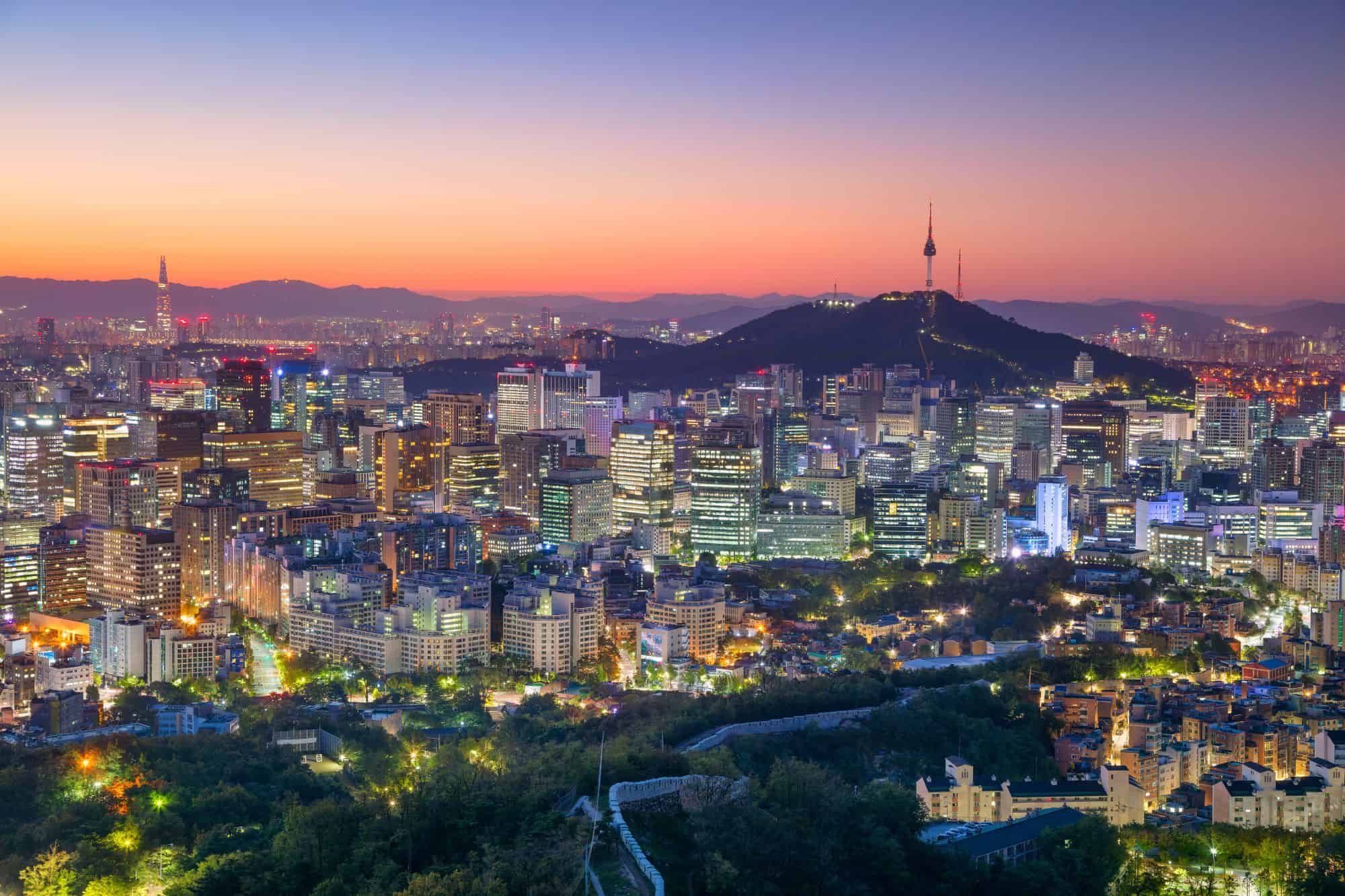
AD | South Korea is often described through speed – fast trains, fast cities, fast change. Yet the country reveals itself most clearly through variation rather than velocity. Its identity stretches across regions that move to different internal rhythms, shaped by history, creativity, and geography. Travelling between Seoul, Gwangju, and Busan is less about covering distance and more about noticing how character shifts without breaking continuity.
These three cities don’t compete to define Korea. They complement one another. Each holds a distinct role within the national story, offering different ways of living with memory, expression, and movement.
Art as a Public Language in Gwangju
In Gwangju, art doesn’t retreat into institutions alone. It appears in streets, community spaces, and conversations. Exhibitions feel porous. Participation matters as much as observation. This openness gives the city a reflective quality. People pause. Dialogue is encouraged. Culture unfolds slowly, inviting engagement rather than reaction. Gwangju feels intentional without being heavy – expressive without excess.
Creativity and Collective Memory
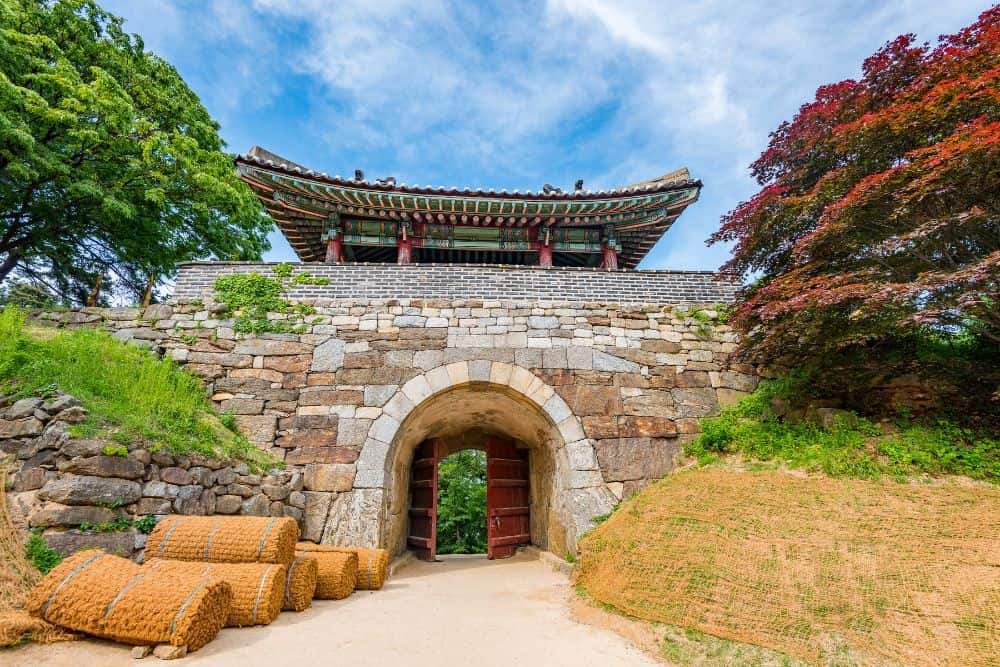
Gwangju approaches culture differently. Where Seoul layers history into routine, Gwangju foregrounds expression and remembrance. Art here is not ornamental; it’s civic. The city’s creative identity grew from moments of resistance and reflection. Museums, galleries, and public art spaces remain grounded in lived experience rather than abstraction. Creativity is used as a way of processing memory, not escaping it.
Journeys such as Gwangju to Seoul highlight this contrast clearly. You move between political centre and cultural conscience, between administration and articulation.
Layered Time and Everyday Ritual in Seoul
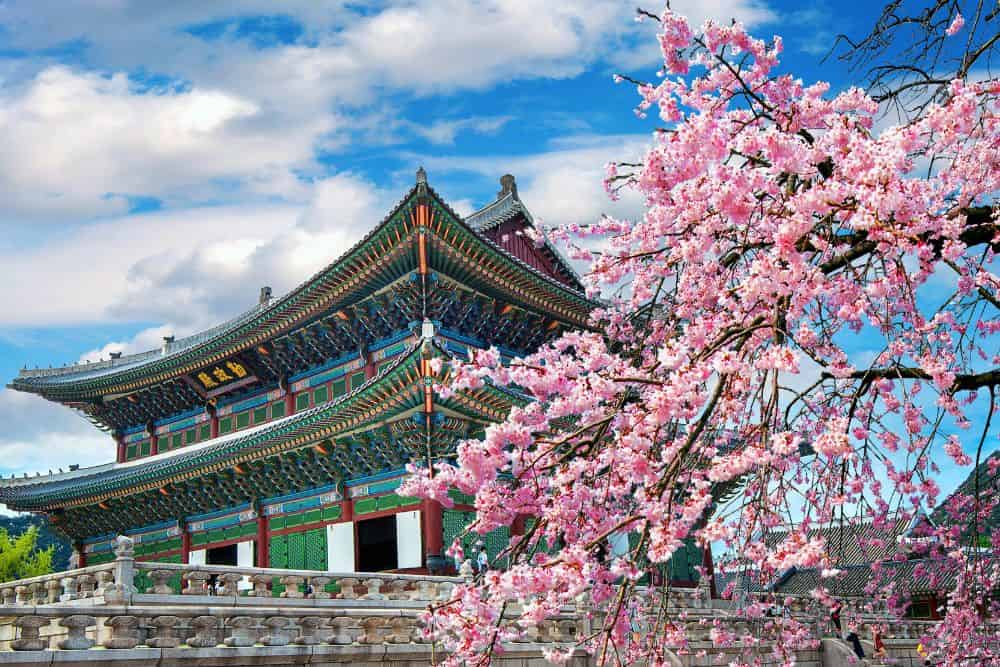
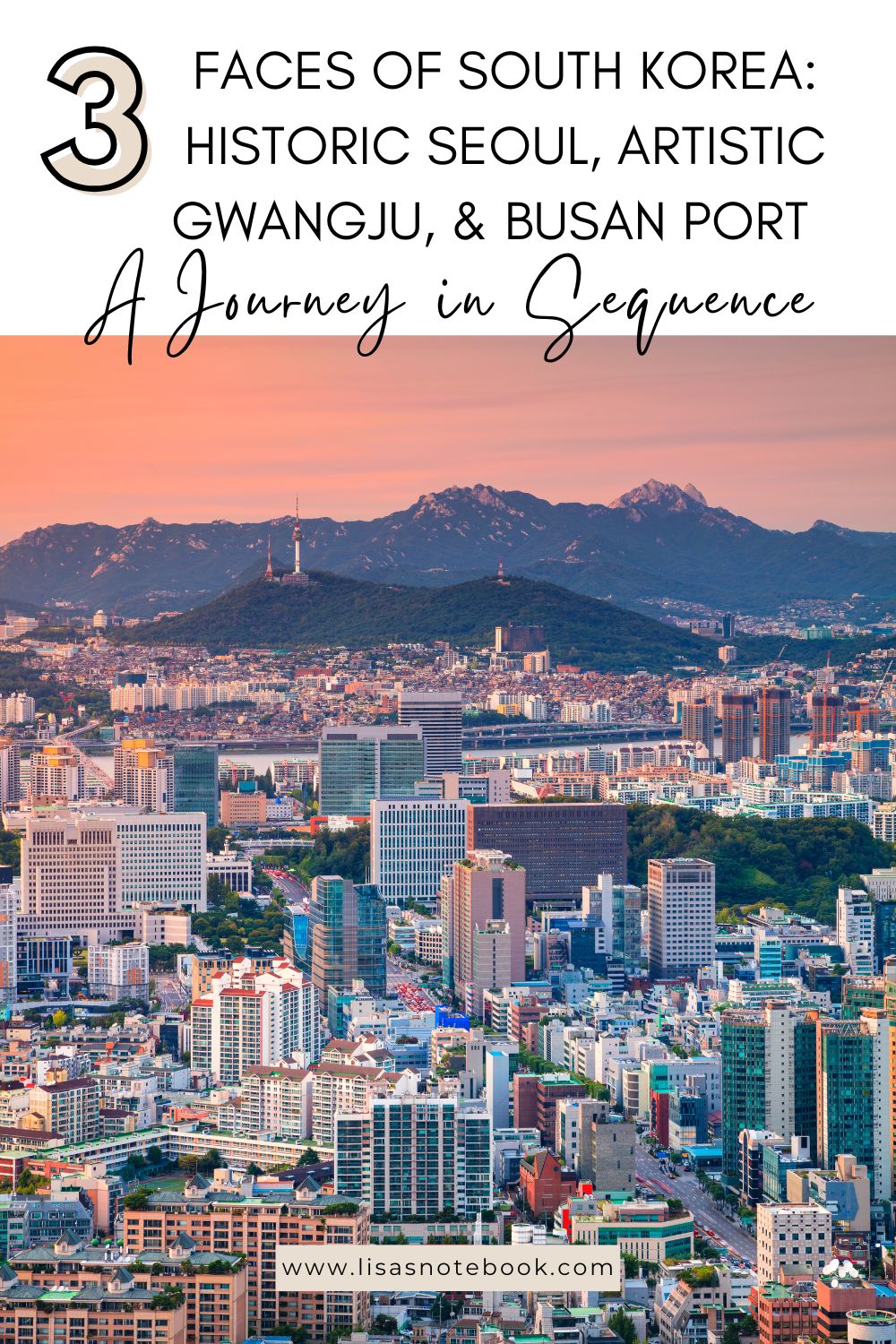
Seoul carries history vertically. Ancient gates sit below glass towers. Palaces remain active within modern districts. The city doesn’t isolate its past; it threads it through daily routes. Walking here involves constant recalibration. A quiet hanok street opens onto a six-lane road. A shrine appears behind an office block. The city teaches awareness by refusing to simplify itself. You’re always moving between eras without ceremony.
What stands out is how functional this layering remains. Historic spaces aren’t frozen. They’re used – visited briefly, crossed often, returned to without fanfare.
Movement That Keeps the Thread Intact
South Korea’s transport system reinforces this sense of continuity. Distance shrinks, but identity holds. Taking the Seoul to Busan train demonstrates how seamlessly regions remain connected. Urban density loosens gradually. Landscapes reorganise rather than disappear. Arrival feels expected, not abrupt. Travel becomes a bridge rather than a break.
Southward Momentum and the Sea in Busan
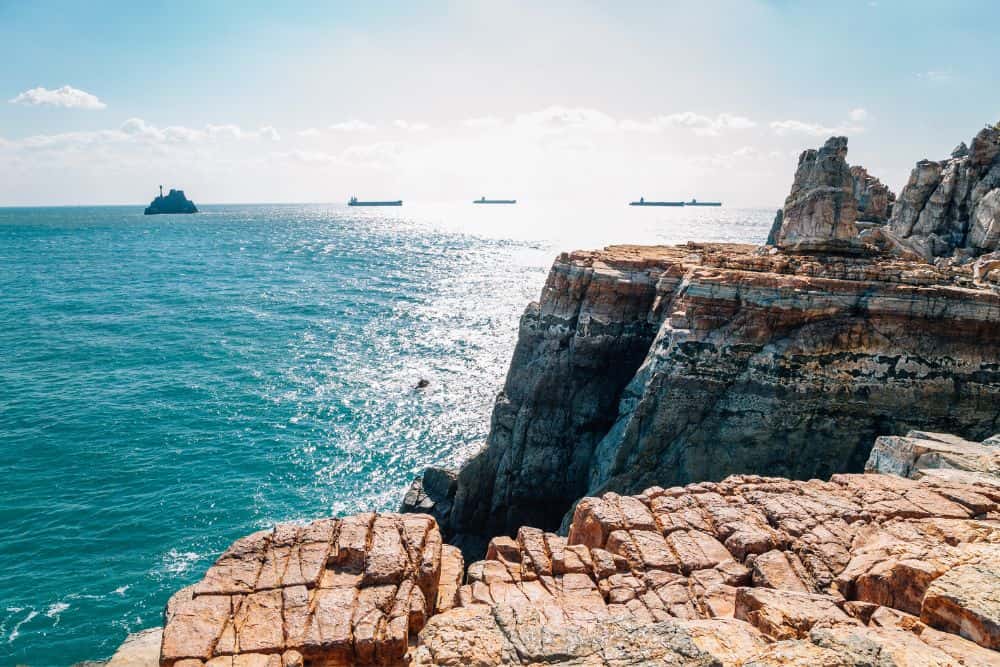
Busan introduces air and horizon. The city stretches along the coast, shaped by water rather than walls. Streets slope. Neighbourhoods open outward. The sea moderates pace and temperature alike. Life here feels practical and outward-facing. Markets stay busy. Ports remain active. The city’s identity is rooted in exchange – of goods, people, and ideas. Busan doesn’t frame itself as a destination apart from daily life. It functions first, and meaning follows.
A City That Breathes Differently
What distinguishes Busan is dispersion. Density exists, but it spreads rather than compresses. Beaches, hills, and harbours interrupt urban patterns, creating natural pauses. The rhythm is steady rather than fast. Even busy areas feel breathable. Light behaves differently here, reflecting off water and softening edges. Busan offers release without retreat.
Three Cities, One System
Seoul, Gwangju, and Busan operate as parts of a single cultural system rather than isolated centres. Each balances the others. Seoul provides structure and scale. Gwangju provides reflection and voice. Busan provides movement and openness. Together, they form a narrative that remains flexible without losing coherence. This balance keeps South Korea legible despite rapid change.
Geography as Cultural Influence
Mountains, plains, and coastlines shape more than scenery. They influence how cities grow, how people gather, and how culture circulates. South Korea’s geography prevents uniformity. Cities adapt to land rather than impose upon it. This adaptation preserves regional distinction even as infrastructure connects everything efficiently. Difference persists because it’s supported, not erased.
Why the Contrast Matters
Understanding Korea through these three cities reveals how modernity can coexist with memory and expression without collapse. Speed doesn’t eliminate reflection. Density doesn’t erase openness. The country’s strength lies in its ability to let places specialise – to allow cities to carry different responsibilities without forcing uniform identity.
A Journey Best Taken in Sequence
Travelling between Seoul, Gwangju, and Busan clarifies Korea’s internal rhythm. You don’t move from old to new or quiet to loud. You move between modes of attention. Historic continuity sharpens creative expression. Creative reflection deepens movement. Movement prevents stagnation.
Together, these three faces reveal a country that doesn’t rush its meaning – even when it moves quickly – offering travellers not a single narrative, but a layered understanding that continues to unfold long after the journey ends.
Have you ever travelled to South Korea? Which of these cities would you like to visit first?
* This is a collaborative post – please see my Disclaimer.

Leave a Reply