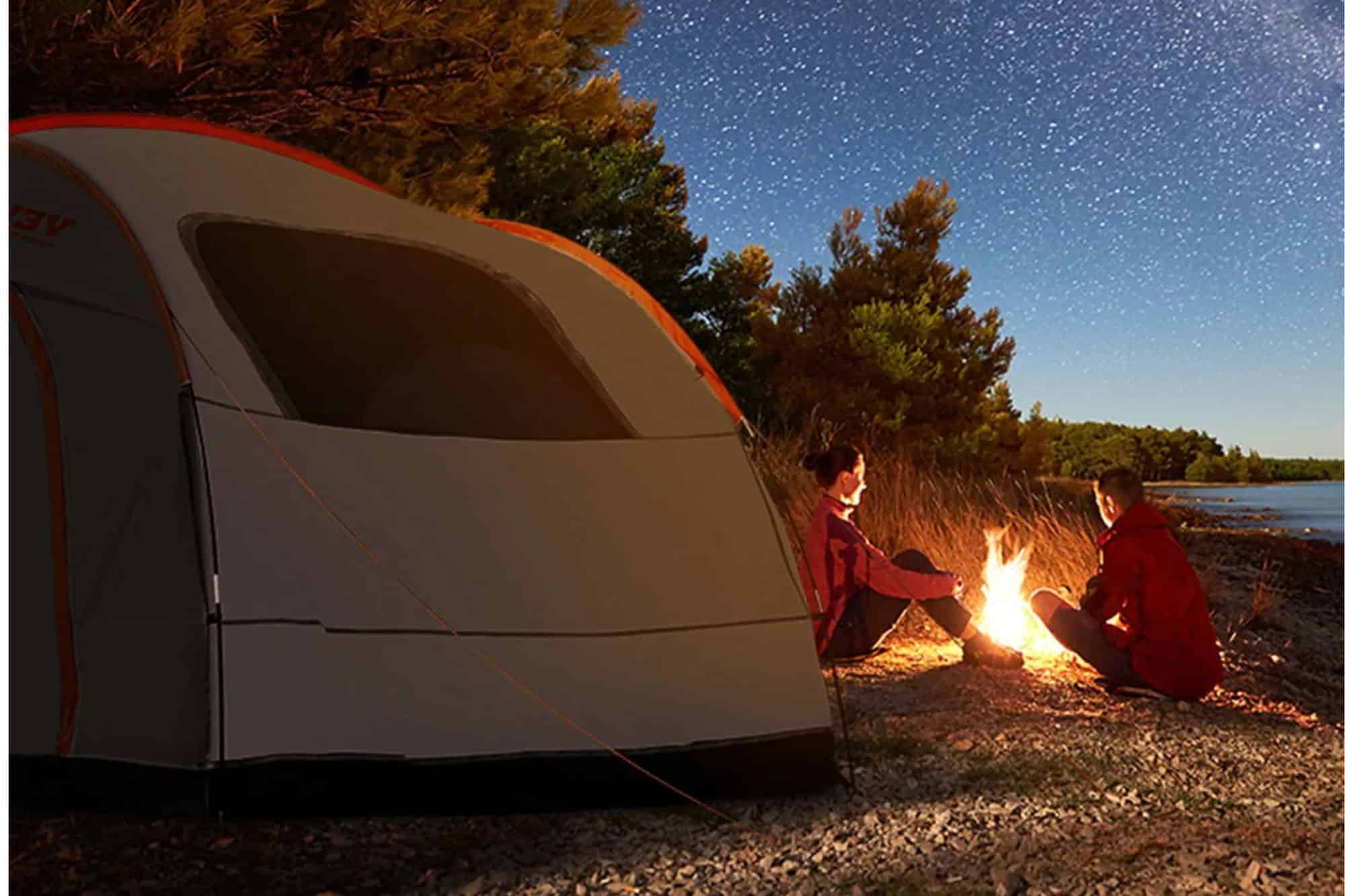
AD | Camping with a tent that connects directly to an SUV makes outdoor trips more comfortable and practical. Instead of sleeping on the ground or struggling with limited space, this setup gives extra room, weather protection, and quick access to your gear. The best tent connected to SUV is one that fits the group size, attaches securely to the vehicle, and offers strong weather resistance.
Choosing the right model depends on a few factors. Size, ease of setup, and ventilation all play a big role in comfort. Materials and design also matter, since a good floor and rainfly can make the difference between a dry night and a wet one, making camping easier and more enjoyable.
SUV tents also come in different styles, from large family options to smaller designs for quick trips. Some can stand alone once detached, while others are designed to stay connected to the vehicle at all times. Knowing the differences helps campers pick the tent that matches their style of travel.
Key Takeaways
- A good SUV tent adds comfort, space, and protection while camping
- Key features like size, setup, and weather resistance guide the right choice
- Different styles fit different camping needs and travel habits
Key Factors for Choosing the Best Tent Connected to SUV
A tent designed to connect with an SUV should balance fit, comfort, and weather protection. Features like waterproofing, airflow, and sleeping space make the difference between a quick overnight stop and a comfortable camping trip.
Tent Compatibility and Fit with SUV Models
The first step is making sure the tent matches the vehicle. SUV tents connect through the rear hatch or tailgate, so the attachment system must seal tightly without gaps. Poor fit can let in bugs, wind, or rain.
Some tents, such as tailgate tents or hatchback styles, work with a wide range of vehicles, while others are designed for specific models. Checking the fit before purchase saves time and frustration.
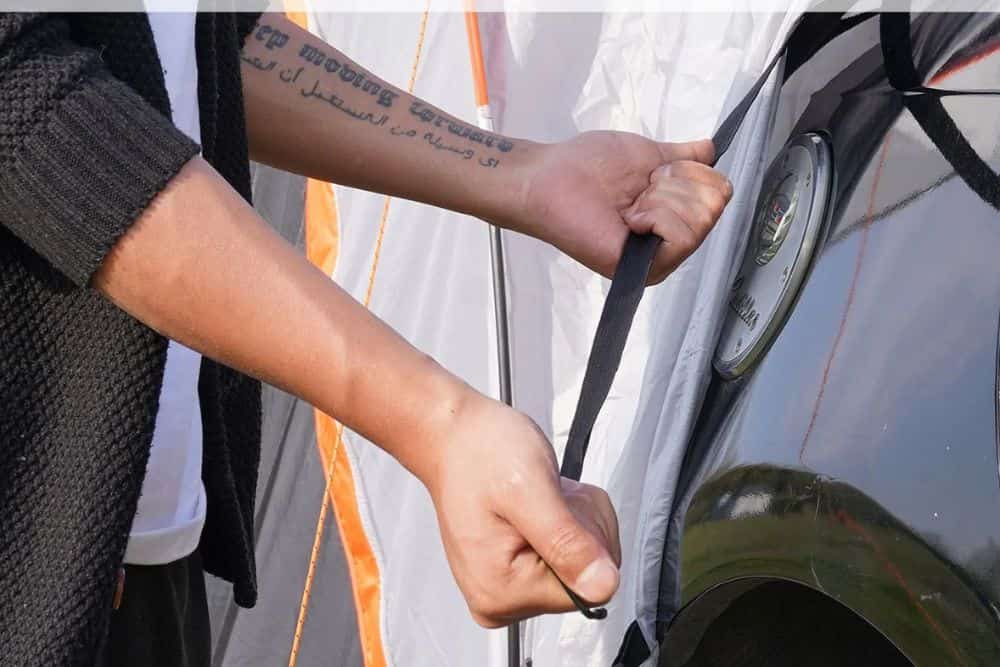
Many campers prefer designs that can also function as a standalone tent. This allows the group to drive the SUV away without taking down the shelter. Features like color-coded poles and adjustable straps make an easy-to-set-up tent connected to SUV even quicker and more convenient to assemble.
Size and Sleeping Capacity
The size of the tent should match the number of people using it and the type of trip planned. A compact 2–3 person tent works for solo camping or couples, while larger models like the VEVOR SUV camping tent can sleep 6–8 people and provide room for gear.
Extra space is helpful for families or longer trips. Some tents include a screen porch or awning, which adds shade and keeps bugs out while giving more living space.
When comparing sizes, look at both the floor dimensions and peak height. Being able to stand up inside makes changing clothes or moving around much easier.
Weather Resistance and Waterproofing
A good SUV tent should handle rain, wind, and varying temperatures. Look for sealed seams, a waterproof rainfly, and strong zippers. These features prevent leaks and drafts during storms.
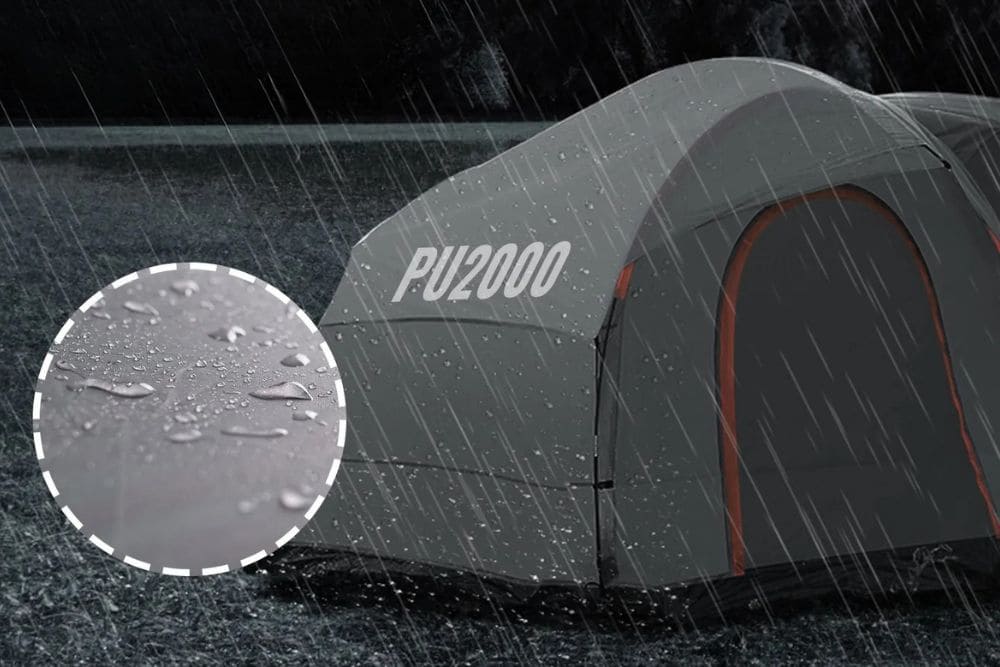
Double-layer designs provide added protection and reduce condensation inside the tent. Materials with ratings like PU2000mm or higher can withstand heavy rain without soaking through.
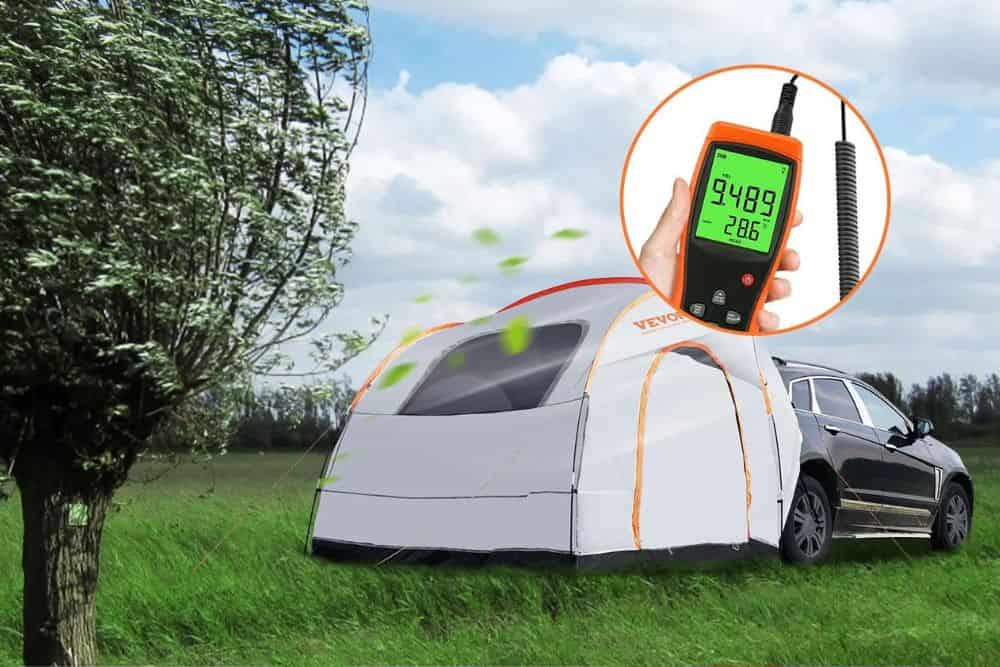
Sturdy poles and reinforced corners help the tent stay stable in windy conditions. This is especially important for large SUV camping tents that catch more air.
Ventilation and Mesh Windows
Airflow is important for comfort, especially in warm weather. Mesh windows and roof vents allow fresh air to circulate while keeping insects out.
Some SUV tents include multiple mesh panels with zippered covers, giving campers control over airflow and privacy. A tent with screen porch areas allows even more ventilation while providing a bug-free zone.
Proper ventilation also reduces condensation during cooler nights. Without it, moisture can collect on the tent walls and sleeping gear. Choosing a tent with well-placed mesh windows helps maintain a dry and comfortable space.
Essential Features and Types of SUV Tents
SUV tents come in different designs that affect how quickly they set up, how much space they provide, and how they connect to the vehicle. Features like mesh windows, waterproof rainfly covers, and awnings can also change the comfort level during a trip.
Ease of Setup and Portability
The setup process matters when arriving at a campsite late or in poor weather. Many tents now include color-coded poles or pre-attached frames to speed up assembly. A simple tailgate tent can be ready in minutes, while larger standalone tents may take closer to 20 minutes.
Portability is also important for packing with other camping gear. Lightweight materials like 190T polyester keep the tent easier to carry without adding bulk. Rooftop tents are heavier but save trunk space since they stay mounted to the vehicle.
When choosing, campers should balance setup time with comfort. A quick-deploy tent may trade off interior room, while a larger tent provides more space but requires more effort to pitch.
Standalone vs. Attached Designs
SUV tents generally fall into two main groups: standalone tents and attached tents. A standalone tent works on its own and can be used even without the vehicle. This design gives flexibility if the car needs to be moved during the trip.
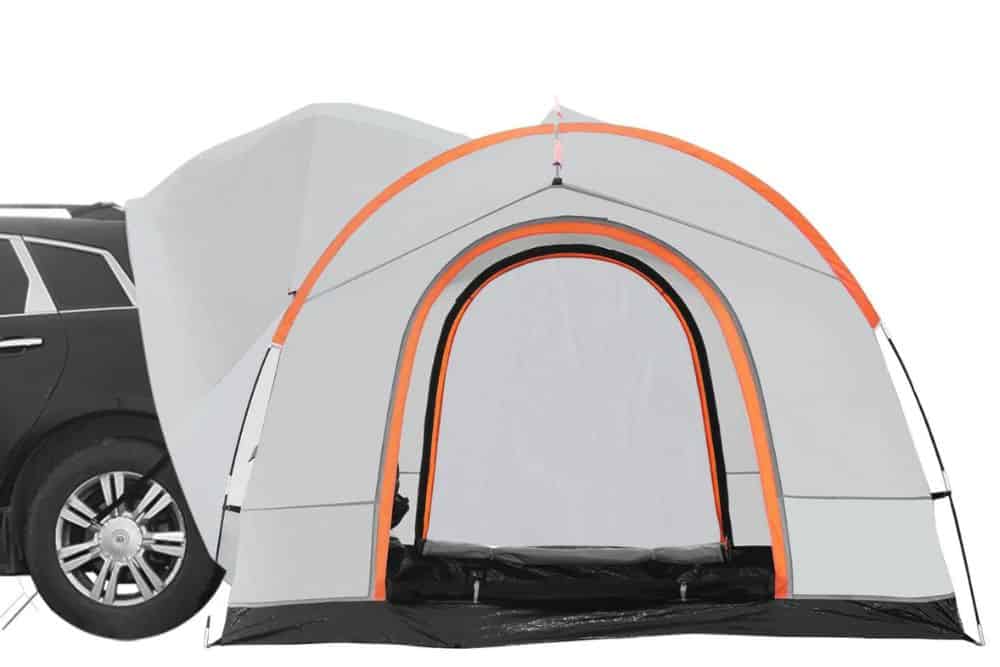
Attached tents, such as tailgate tents, connect directly to the back of the SUV. They extend the cargo area into sleeping or storage space, which helps keep camping gear inside and dry. Some attached tents can also be detached and used as a ground tent.
Rooftop tents are another option. These mount on top of the vehicle and keep campers off the ground, which can be useful in wet or uneven terrain. They usually come with ladders and built-in mattresses but are heavier and less portable.
Awning and Screen Porch Options
Extra features like awnings and screen porches make a difference in comfort. An awning provides shade for cooking or relaxing outside the tent. It also creates a dry entry point during rain.
A tent with a screen porch adds bug-free space for eating or storing outdoor gear. Mesh walls allow airflow while keeping insects out. Some SUV tents include both an awning and a screen porch, giving more usable space around the vehicle.
When looking at these options, campers should think about how they plan to use the tent. Families often value a large screen porch, while solo travelers may prefer a compact awning for quick stops.
Happy Camping
Choosing a tent that connects to SUV comes down to matching personal camping needs with features such as space, setup style, and weather protection. A good fit depends on how many people will use it, the type of trips planned, and the level of comfort desired.
Key points to keep in mind include:
- Size and capacity: Match the tent to the group size.
- Ease of setup: Look for designs that save time and effort.
- Weather protection: Check for durable materials and waterproofing.
- Flexibility: Consider if the tent can be used both attached and free-standing.
By using this checklist, campers can select a tent that makes their trips more comfortable and practical. And the right choice allows them to make better use of their vehicle while still enjoying the outdoors.
* This is a collaborative post – please see my Disclaimer.

Leave a Reply