
AFF | As a beginner gardener, I’d heard the term “companion planting” bandied about a lot. But I didn’t really understand it, nor how beneficial it can be, and I was definitely missing a trick. Having tried it in our garden a couple of years ago, I can confirm it’s one of the easiest gardening tips for a productive flower, fruit, and vegetable harvest. So, with all the zeal of a new convert, here’s my short guide to companion planting, also known as companion cropping or polyculture, if you’d like to try it out in your garden or outside space too.
What is Companion Planting?
Farmers and other horticulturists have used companion planting for centuries, as far back as 8,000 years ago when native Americans were planting their squash. Quite simply, it’s when you plant different groups of plants together to enhance their development and growth and take advantage of their natural abilities to help each other thrive.
A Beginner’s Guide to Companion Planting
As this is a HUGE topic, there’s no way I can cover it all in one blog post! So, this article will just be an introduction to the benefits of companion planting, what plants shouldn’t be planted together, interspersed with some tried and tested techniques you may find useful.

What are the Benefits of Companion Planting?
Here are seven reasons why you should consider companion planting, along with a few tips for what plants you can try combining successfully, particularly in your vegetable garden, and a list of companion plants not to try.
Natural Pest Control
Any guide to companion planting should start with pest control. Some plants attract beneficial insects and other wildlife who feed on pests. This can effectively help control or eradicate them, which reduces the need to use pesticides, saving you money and providing organically healthy food. It’s also known as Trap Cropping. For example, the strong scent of French Marigolds* helps deter Whitefly, so many gardeners like to plant them alongside their Tomato* plants, especially in the greenhouse – see this article’s cover picture.
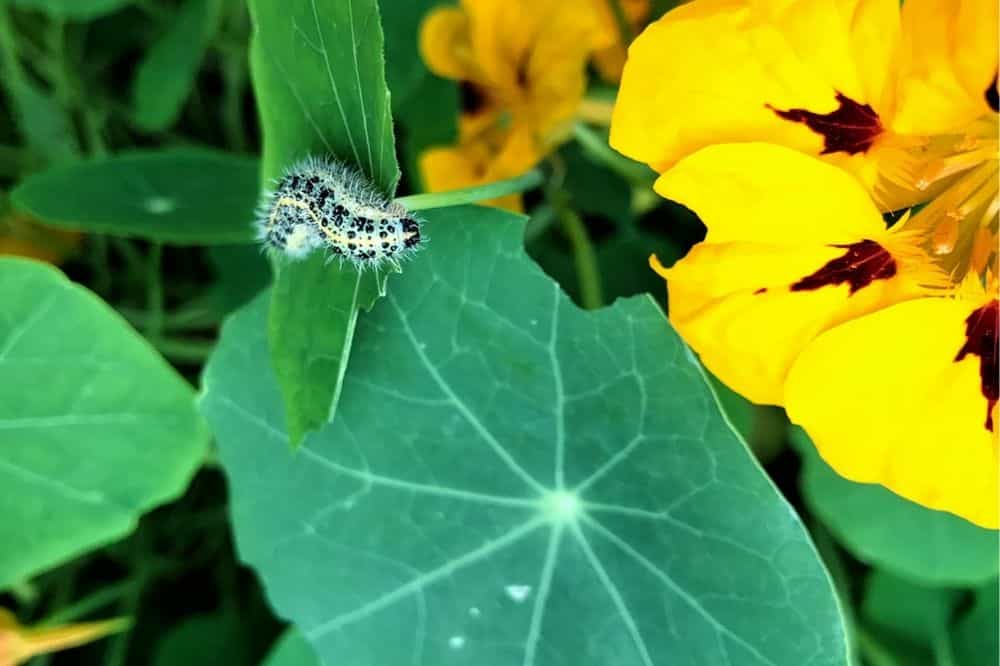
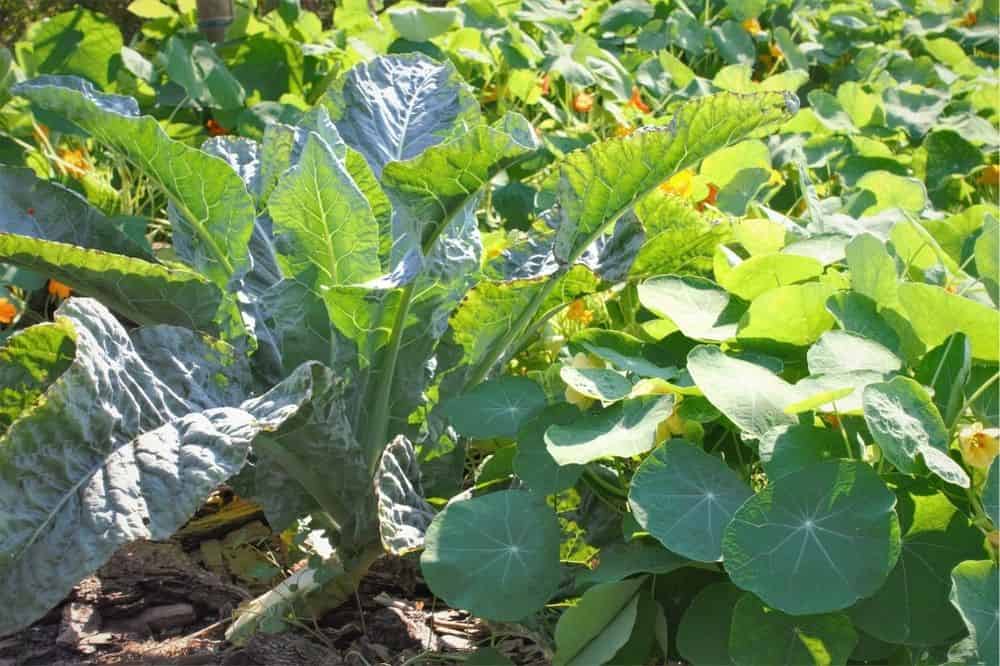
Planting your Beans or Brassicas with Nasturtiums* as Sacrificial Crops will help keep aphids and the Cabbage White butterflies, whose caterpillar progeny can devastate your plants, off your precious vegetables as well.
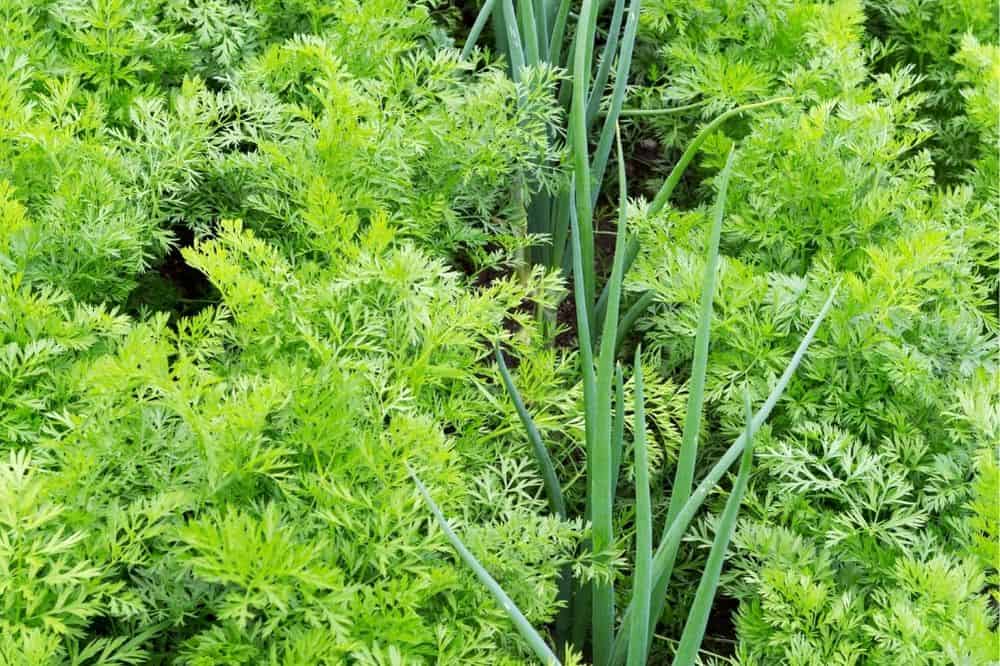
I read recently that ladybirds are attracted to Lavender, so I’m going to underplant some of my Roses with this lovely aromatic herb, in the hopes the ladybirds will gobble up all the green aphids I’m currently having to remove by hand. Apparently Garlic has the same effect, but I prefer the smell of Lavender. And I’ve been planting Spring Onions* with Carrots* because the smell of the Spring Onions masks the smell of Carrots when they’re pulled, so deterring the Carrot Fly. Or you could try Mint, which has the same effect as Onions.
Helps in Pollination
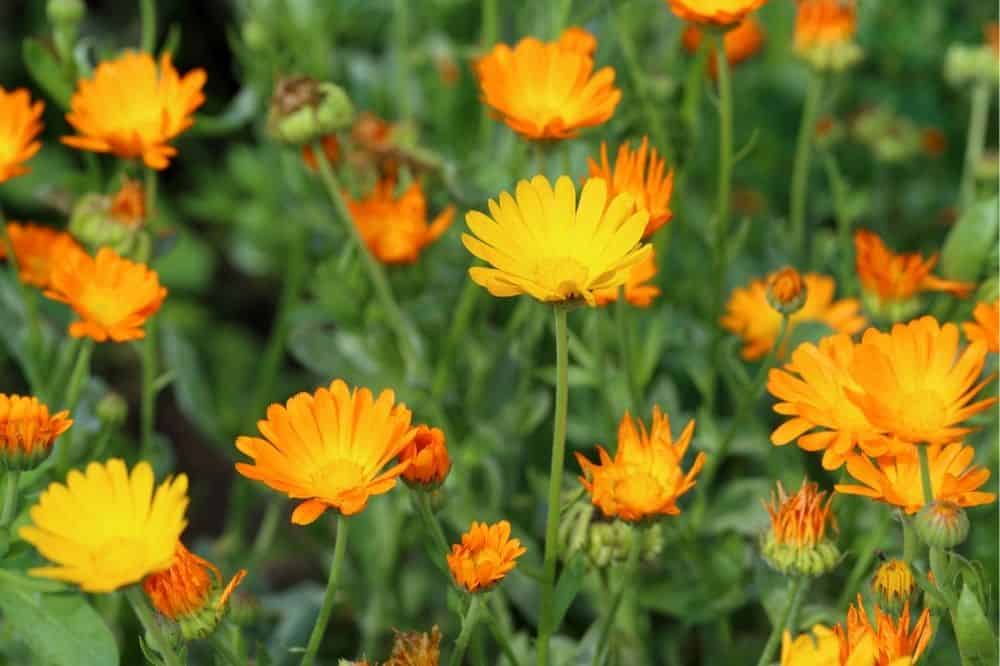
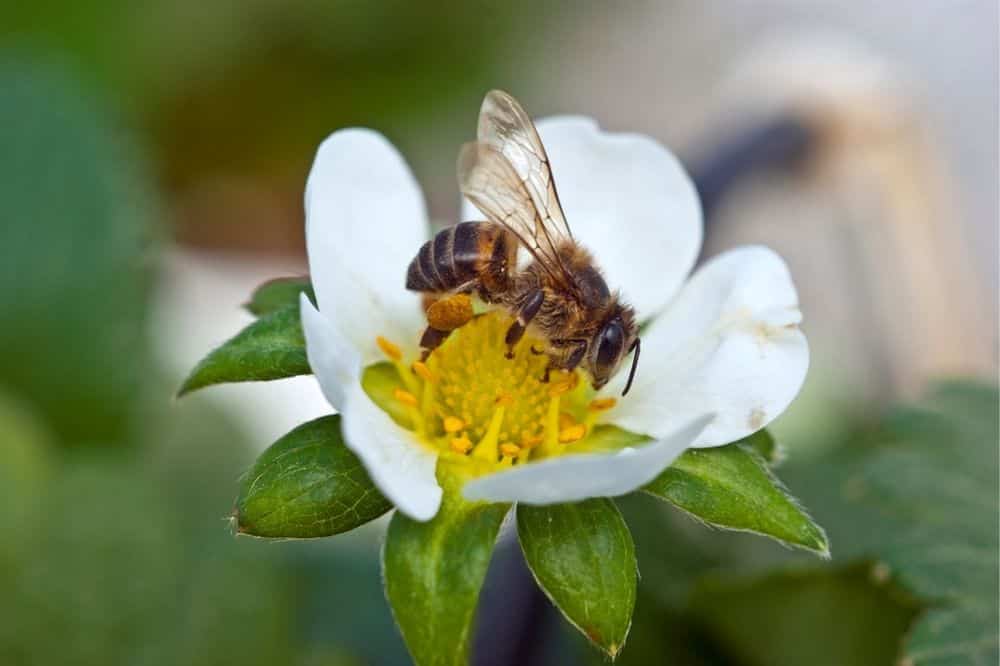
Many flowers are excellent attractors of bees and other pollinators, so when you plant them close to vegetables, they’ll encourage more pollination, hopefully resulting in a higher crop – which is why I’m planting Calendulas* with our Courgettes* this year.

Provides Shade
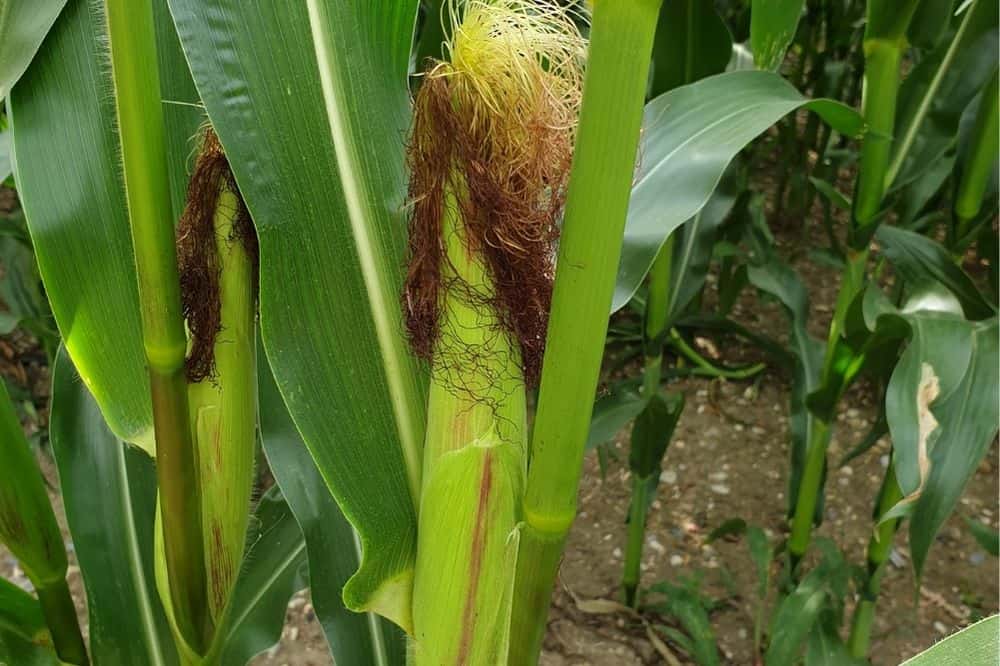
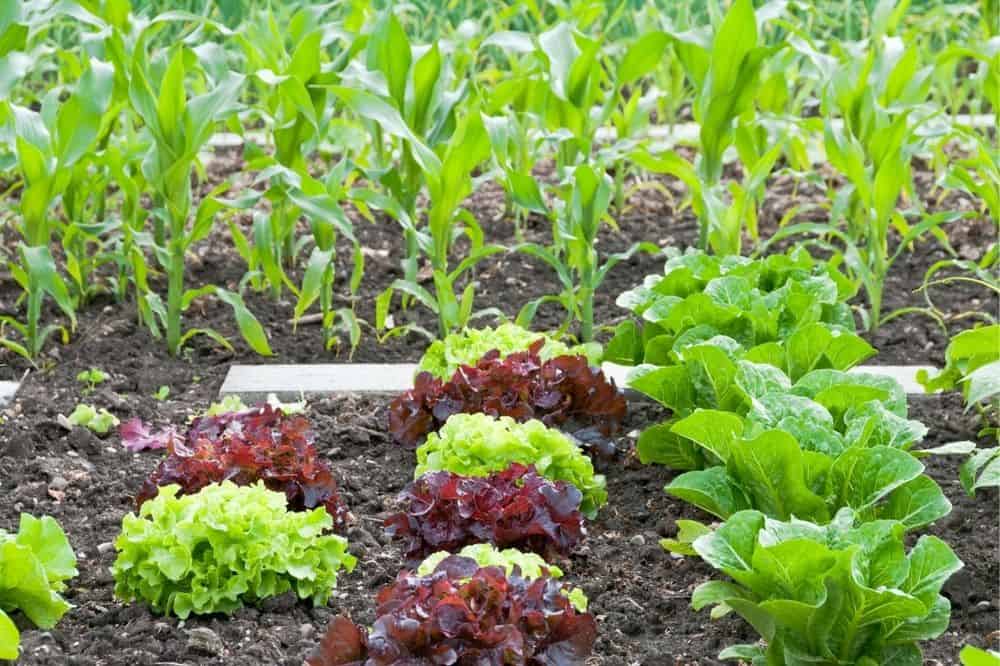
Tall plants provide shade for short cool-season plants, creating a microclimate that helps them thrive. This year I’m trialling planting our Courgettes between our Sweetcorn*. As the Sweetcorn plants grow, they’ll shade the Courgette fruits when they come through. And if there’s any space left, I’ll be sowing some Lettuces* in there too, as they’ll appreciate some shade to stop them bolting.
Acts as Support Crops
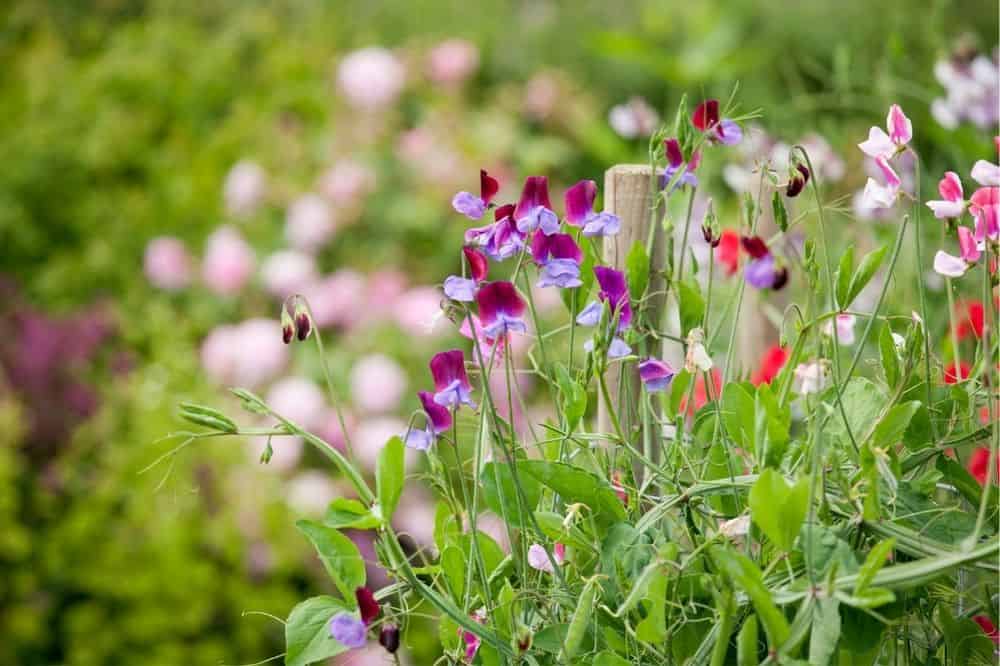
Tall crops also help climbing plants grow well because they act as a trellis, offering support systems for these crops. Well, that’s the theory. I did try planting Sweet Peas* with our French Beans* a few years ago, and yes, they supported each other brilliantly. But as the flowers look so similar, it was hard to tell what to pick for the vase and what to pick for the plate! Maybe I’ll try French Beans with Cucamelon* vines this year instead.
Enriches The Soil
Some crops add much-needed minerals to the soil and increase the possibility of higher yields for their companion plant. This is why I always leave the roots of Sweet Peas and Beans in the ground at the end of the season, to fix nitrogen in the soil for future crops. Also, plants with deep taproot systems (such as Beans or Sweet Peas) can work well with shallow-rooted plants (such as Lettuces). The shallow-rooted plants cover the ground, slowing soil erosion, while the deep-rooted plants penetrate the ground, enhancing soil aeration for the benefit of their shallow-rooted companions.
The classic example of mutually beneficial companion planting is the “Three Sisters” technique, where each of the three crops (Corn, Beans, and Squash) has something to offer the others within their ecosystem. As the Corn grows it provides support for the Beans, and the Beans act as Nurse Crops providing nitrogen into the soil to support the growth of Corn. Squash provides moisture retention and ground cover.
Improves Flavour
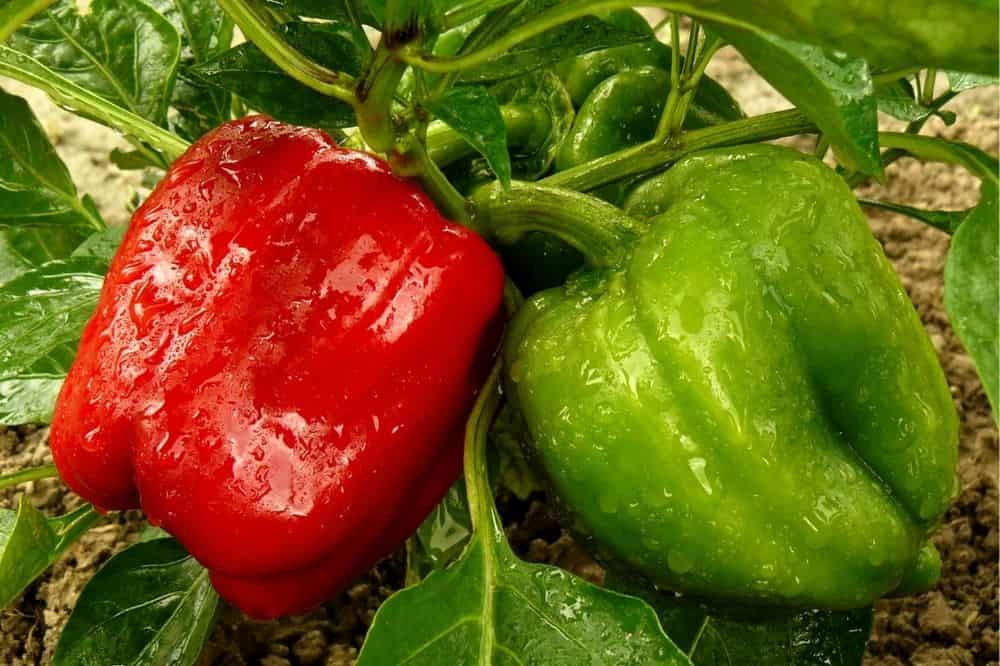
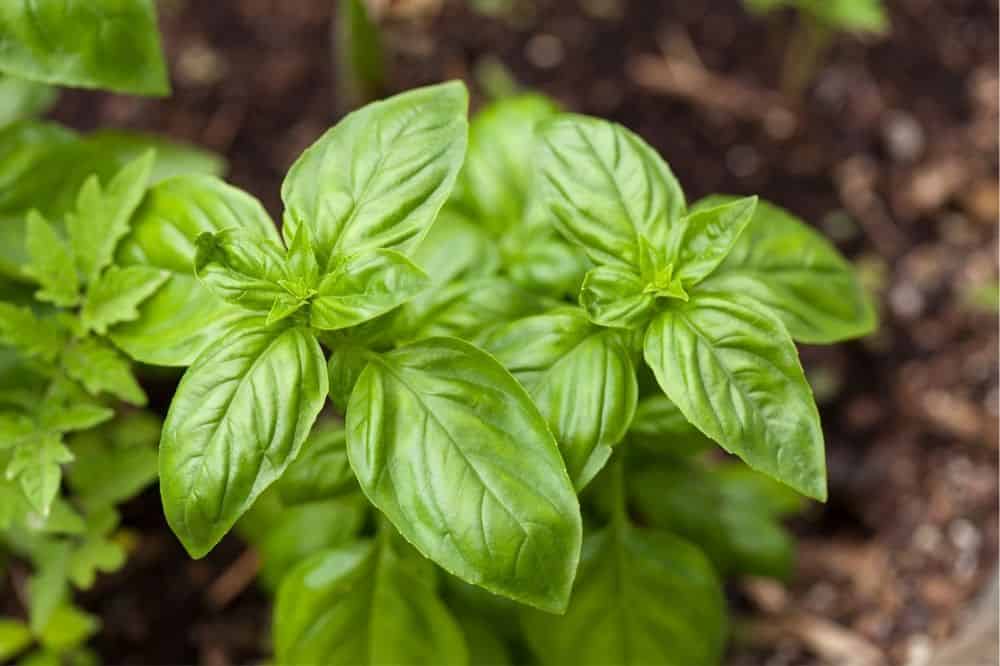
Grouping certain plants together can provide some extremely tasty results. For example, Basil enhances the flavour of Tomatoes and Bell Peppers*.
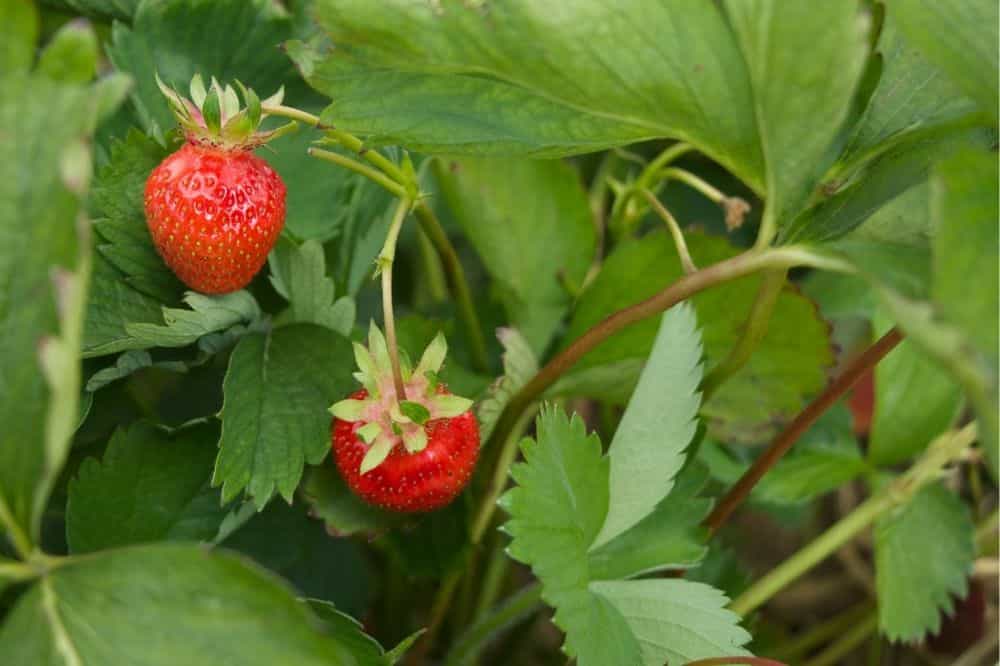
And my favourite flower for ice cubes, Borage*, apparently improves the taste of Strawberries, as well as being a pollinator magnet for bees, butterflies, and hoverflies.

Saves Space
As any guide to companion planting should tell you, this is a brilliant way of using as much space as possible, particularly if you have a small garden or not enough raised beds. Plus of course, a mix of flowers and vegetables is not only how plants were traditionally grown in potager gardens, they can also look extremely attractive.
Good Companion Planting Examples – Combinations To Try
There are lots more good combinations of plants that will grow well together and help each other thrive. Here are a few examples.

And here are a few more examples of good companion planting combinations.
Bad Companion Planting Examples – What Plants Shouldn’t Be Planted Together
There are also quite a few plants which shouldn’t be planted together too – here are some examples not to try.

And here are a few more examples of bad companion planting combinations.
What Else Should I Know About Companion Planting?
Whether you’re a beginner gardener or a seasoned horticultural expert, there are plenty of reasons why companion planting is an easy garden win. From repelling pests and attracting beneficial insects to improving soil fertility, crop yields, and maximising space, this holistic approach to gardening goes way beyond simply growing plants.
Successful companion planting requires planning, observation, and experimentation though. Every garden is unique, and what works in mine may not work as well in yours. You need to consider the specific requirements and preferences of your chosen plants, their growth habits, and their nutrient and water needs. And it may take time to find the perfect combination that works best for you.
That said, Nature is an ever-patient and very forgiving teacher. So if you’d like to create a sustainable and diverse garden ecosystem that supports the well-being of plants, beneficial insects, and yourself, then here’s my top tip: just dive in and get started – happy companion planting!
Have you ever tried companion planting? Have you even heard of it before? If not, has my quick beginner’s guide to companion planting encouraged you to give it a try?
* This post features affiliate links but all opinions are my own unless stated otherwise (see my Disclaimer).


I think my mum has/does companion planting and I’ve read a lot about it within Indigenous crop knowledge; this was so great to learn more about!
It’s such a no brainer, I can’t believe I haven’t been doing it before now!
Okay this is an entirely new concept for me but it makes absolute sense and it’s amazing that different plants, veggies etc can help each other grow and thrive! 🙂
Isn’t it just though? And no nasty pesticides either, win-win!
This is such a helpful post. My partner is starting to plot plants and do more with her gardening, so I will share this post with her. Thank you for the tips and information.
Lauren
Oh great timing on my part then, hope it’s helpful for her, thank you, Lauren.
These tips are amazing thank you! My garden is really in bloom now – with the help of your tips over the years!
Rosie
Ah, that’s so kind of you to say so, Rosie, and whoop!
Never heard of this term, as a garden lover it’s awesome to hear about it.
Pretty pictures..
It’s such a good tip, I’m so happy to share it 🙂
We do companion planting on our allotment, and the more I read about it, the more I think that it is such a good idea. Nothing to lose! x
Absolutely, it’s such a brilliant method – as you say, nothing to lose! x
This is a really interesting post I’d never heard of companion planting but will have to try it. Particularly like the natural pest control idea anything that helps reduce need for chemical pesticides is great. thanks for the tips
Glad I’m not the only one it’s a relatively new concept for! Thank you, that’s great you found the article useful.
I loved that you used basil to enhance the flavor of your tomatoes and bell peppers! I have used companion planting for pollination and for shade purposes, but you have inspired me to take this concept further.
Oh that’s wonderful to hear, Heidi, thank you so much – good luck with your future companion planting!
I started my garden for over two years now and was always wondering what plant goes best with them. Now I know and have some great choices to choose from like the rose and garlic. maybe I would have some luck with them the next time I decide to plant them.
I’m so pleased this article was helpful – good luck with your roses next season.
My dad knows all these tricks but for me, it’s kind of new territory! I started a little veg patch but with a few vegs that I like 🙂 Lettuce, carrots, strawberries, courgette . . . and all the herbs together basil, rosemary, sage, mint.
But will review and take your suggestions in mind. Thanks for sharing.
Your veg patch sounds great – it’s good to grow things you love and know you’ll eat. Glad this article was helpful for you 🙂
I had never heard of companion planting until reading your post – but it totally makes sense! I am not a gardener by any stretch, I kind of leave my garden to its own devices, however I do take serious pride in mowing my lawns. My front lawn looks like Wembley with the lines running down! 🙂 Sim x
Your garden sounds like a perfect wildlife haven if you leave it to itself – although you’re far more lawn-proud than we are!
This is the first time I heard of companion planting. It sounds cool. Thank you for sharing. I always learn cool new things from your blog.
Ah, Fadima, that’s so kind of you – what a wonderful thing to hear!
I’ve never heard of the term companion planting before, I didn’t realise that planting different plants together could enhance their growth! x
Lucy | http://www.lucymary.co.uk
I knew about it a little, but not as much as I do now! x
Companion planting is so important — it has so many benefits! And in a home garden, it really helps to avoid waste. I remember when I was a kid, the first year we had our garden bed, we pretty much filled it up with tomatoes. We had to can so many because there was no way to eat or gift them all! We might even still have a few cans left. Every year after, we did more planning on what to pair together, and our harvests were much more manageable.
Wow, I would love to have a tomato glut, so many things I could do with that! Glad you’re a fellow companion planting fan 🙂
I am familiar this, from my great grandmother to my parents but it didn’t have a name. At least none I recall. Still it was intriguing to read about it
I only wish I’d known about and implemented it earlier!