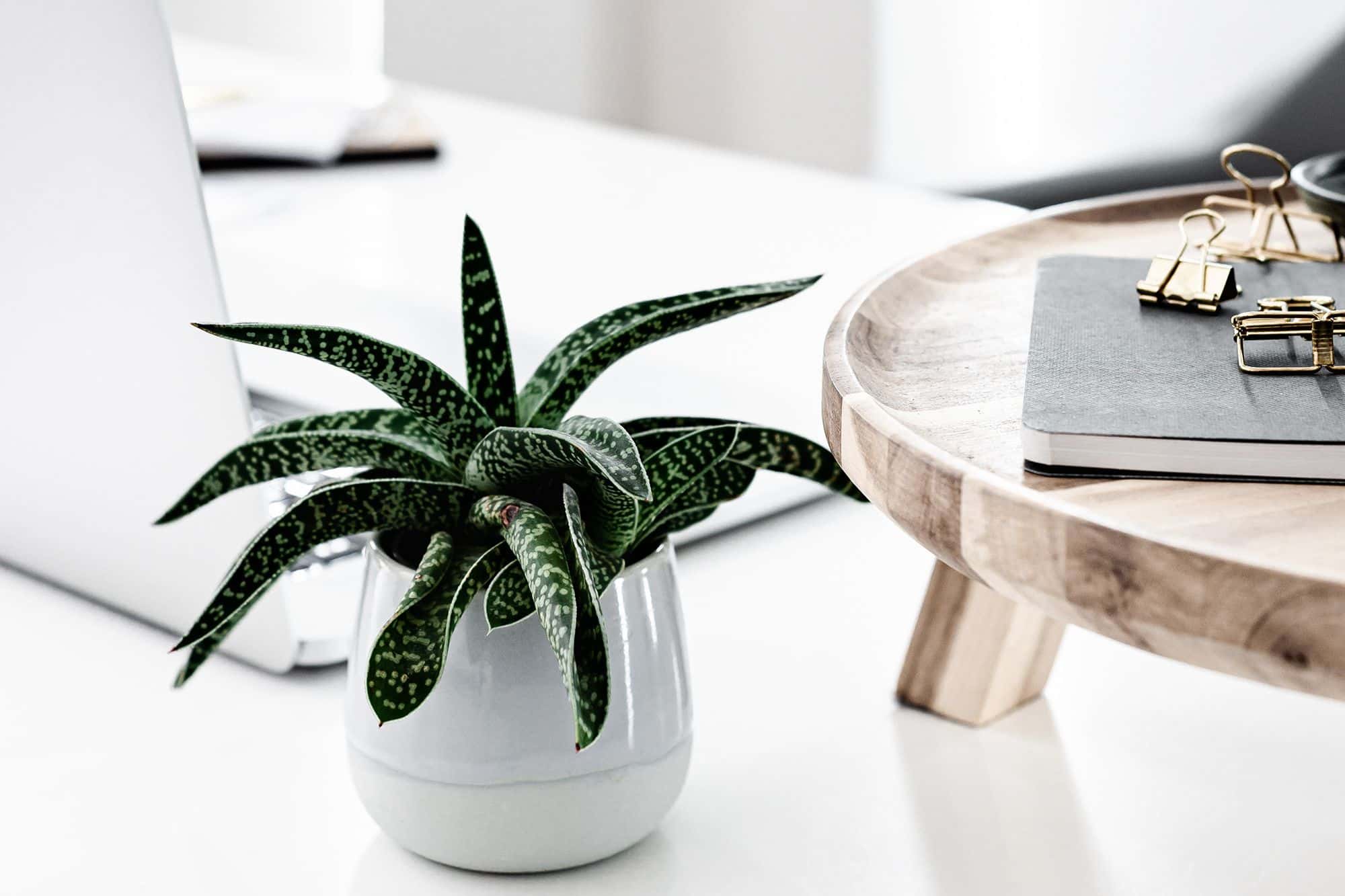
AD | Not every home or office is flooded with sunlight, and that’s OK. If you’ve ever looked around your room and thought, “I’d like some greenery in here, but there’s almost no natural light,” you’re not alone. The good news is, there are lots of indoor plants for low light spaces that not only survive, but actually thrive in dim corners, shadowy rooms and offices with artificial light.
Why Choose Indoor Plants for Low Light Spaces?
Let’s take a look at some of the best indoor plants for low light spaces, why they work so well, and how you can care for them without it becoming a full-time job. Whether you’re decorating a cozy apartment, a corporate office or a windowless hallway, try these tips to help you choose the right plants with confidence.
Understanding Low Light Environments
Low light doesn’t mean light without light, it simply refers to areas that receive indirect sunlight or rely mostly on artificial light. Think about north-facing rooms, spaces away from windows or offices with fluorescent lights. These environments may seem dreary, but the right indoor plants for low light spaces can instantly liven them up.
Plants adapted to low light typically originate from forest floors where sunlight is filtered through dense canopies. This makes them perfectly suited for indoor environments with limited exposure. Rather than demanding bright, direct sun, they focus on efficiency – using whatever light’s available. When you choose plants that naturally thrive in these conditions, you’ll spend less time troubleshooting yellowing leaves and more time enjoying the calming presence of greenery.
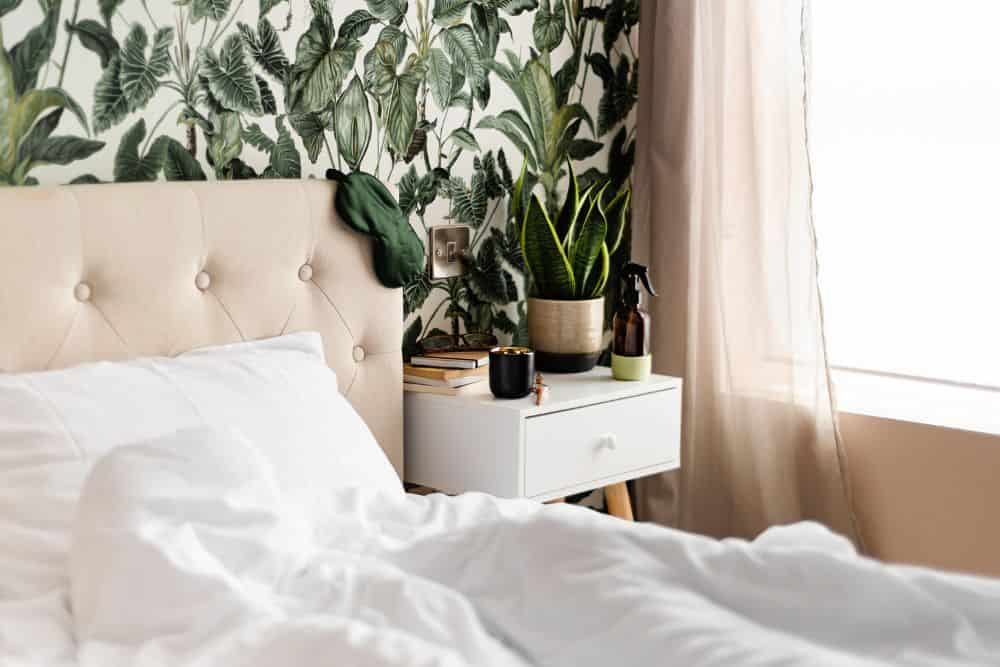
Benefits of Low Light Indoor Plants
It’s not just about aesthetics. These plants provide real, tangible benefits such as:
- Improving air quality by filtering toxins
- Reducing stress and increase productivity
- Adding warmth and texture to minimalist spaces
- Needing minimal maintenance compared to sun-loving plants
For offices, low-light plants can soften harsh interiors and create a more welcoming atmosphere. At home, they make even the darkest corners look more stylish. Put simply, they’re one of the easiest upgrades you can make to your environment.
Best Indoor Plants for Low Light Spaces
Snake Plant (Sansevieria)
The Snake Plant is often called the ultimate survivor, and for good reason. It’s one of the most reliable indoor plants for low light spaces,, able to handle low light, irregular watering and temperature changes without complaint. The straight, sword-like leaves add structure and a modern feel to any room. Snake Plants also release oxygen at night, making them a popular choice for bedrooms and offices. If you’re new to plant care, this is one of the safest places to start.
Why it’s beginner-friendly:
- Maintenance is extremely easy
- Water only when the soil is dry
- Avoid excessive watering
- Place in indirect or dim light
With minimal effort, the Snake Plant rewards you with years of steady growth.
ZZ Plant (Zamioculcas Zamiifolia)
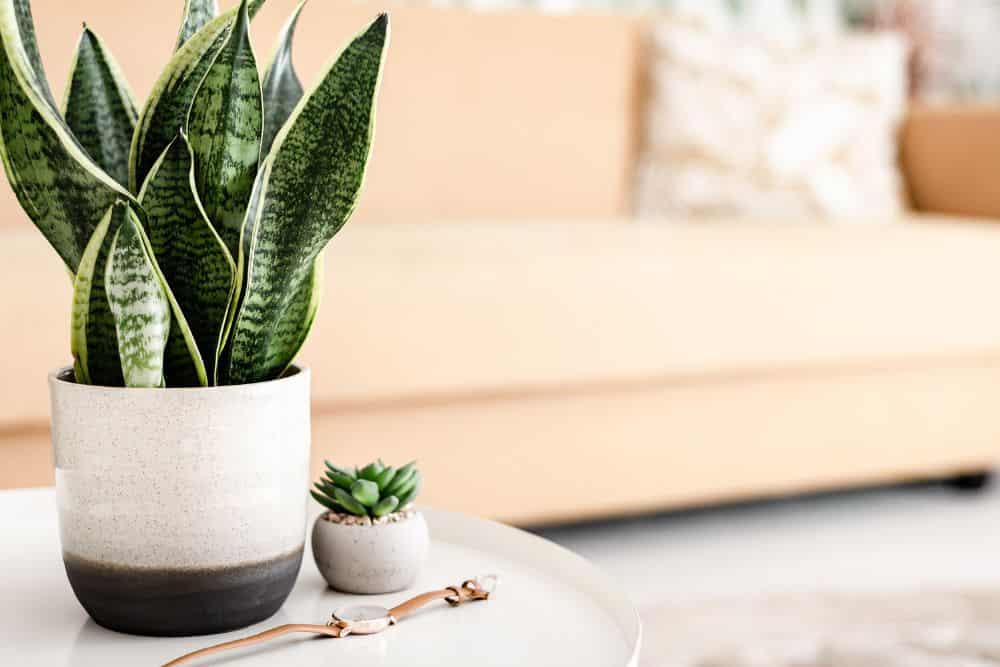
If there was a competition for hardiness among low-light plants, the ZZ Plant would be a top contender. The glossy, deep green leaves look almost artificial, but they’re completely real – and incredibly forgiving. ZZ Plants are ideal for offices and commercial interiors as they tolerate fluorescent lights, inconsistent watering and long periods of neglect. In fact, they prefers to be alone.
Why people love them:
- Thrive in very low light
- Drought tolerant
- Slow growing and clean
If you want green without the daily responsibility, the ZZ Plant has your back.
Trailing and Decorative Low Light Plants
Pothos (Devil’s Ivy)
Pothos is one of the most versatile indoor plants for low-light areas, especially if you like trailing or trailing plants. The heart-shaped leaves fall beautifully from shelves, desks or hanging baskets, adding instant visual interest. What makes Pothos special is its adaptability. Although it grows quickly in bright light, it does well in low light conditions. It’s also excellent for beginners because it clearly shows when it needs water – the leaves droop a little, then bounce back after watering.
Popular varieties include:
- Golden Pit
- Marble Queen
- Jade Pothos
Each variety copes well with low light, making Pothos a prime choice for homes and offices.
Philodendron
Philodendron is another classic choice. With their lush, soft leaves and relaxed growth habit, they lend a tropical atmosphere even to shady interiors. They’re particularly suitable for living rooms, reception areas and workplaces where there’s no direct sunlight. Philodendrons also adapt well to indoor humidity levels, making them easier to maintain than fussy tropical plants.
Basic care tips:
- Keep the soil slightly moist
- Avoid direct sunlight
- Wipe the leaves periodically to remove dust
Their forgiving nature and beautiful appearance make Philodendrons an all-time favorite.

Low Light Plants for Offices and Workspaces
Peace Lily
Peace Lilies are often recommended as indoor plants for places with little light because they combine beauty with function. Their dark green leaves and white flowers brighten up offices without requiring much sunlight. They’re also known to improve indoor air quality, which is a big plus in closed work environments. Peace Lilies are expressive plants – they dry out when thirsty and refresh quickly after watering, making care easy even for beginners.
Best suited for:
- Office desk
- Conference room
- Shady spots
Just keep them out of direct sunlight and cold wind and they’ll continue to thrive quietly in the background.
Cast Iron Plant
True to its name, the Cast Iron Plant is practically indestructible. It’s one of the hardiest indoor plants for low-light locations, able to handle deep shade, temperature fluctuations and minimal care. The long, dark green leaves create a classic, simple look – perfect for professional settings or traditional interiors. Although it grows slowly, this is part of its charm: it remains neat and manageable for years. If you want a plant that will exist beautifully without attracting attention, the Cast Iron Plant is a great choice.
How to Care for Indoor Plants in Low Light
Watering and Soil Tips
One of the biggest mistakes people make with indoor plants in areas with little light is overwatering. Less light means slower growth, which means less water is needed. Always check the soil before watering – if the top inch is dry, it’s usually safe to water. Choose well-drained soil and make sure the pots have drainage holes to prevent root rot. Remember, it’s easier to revive a water-deprived plant than one that’s waterlogged.
Advice on lighting and placement
Even low-light plants need some light. Place them near windows with filtered light, or in rooms with constant artificial light. Rotate the plants at regular intervals so that all sides get equal exposure. Avoid keeping low-light plants in complete darkness. With the right balance, indoor plants for low light areas will remain healthy, vibrant and long-lasting.
Frequently Asked Questions (FAQs)
1. What are the easiest indoor plants for low-light spaces?
Snake Plants, ZZ Plants, and Pothos are among the easiest choices due to their low maintenance requirements.
2. Can indoor plants from areas with low light survive in artificial light?
Yes, many grow well under fluorescent or LED lighting commonly found in offices.
3. How often should I water indoor plants in low light?
Water less often than sun-loving plants. Always check the soil moisture before watering.
4. Do plants grow more slowly in low light?
Yes, they usually grow more slowly, which actually makes them easier to maintain.
5. Are low-light indoor plants good for offices?
Absolutely, yes, they’re ideal for offices as they tolerate artificial light and improve the working environment.
Creating a lush, attractive environment doesn’t require sunny windows or perfect conditions. With the right indoor plants for low light spaces, you can transform dim rooms and offices into cool, stylish areas that feel alive. From Snake Plants and ZZ Plants to Pothos and Peace Lilies, there’s a low-light plant for every taste and setting.
And by choosing plants that are naturally adapted to low light and following these simple care principles, you’ll enjoy all the benefits of indoor greenery without the stress. Low light isn’t a limitation, it’s an opportunity to explore some of the most resilient and beneficial plants around.
Do you have any indoor plants in low-light areas in your home or office? Had you realised how easy they are to care for, and how much they can benefit your environment?
* This is a collaborative post – please see my Disclaimer.

Leave a Reply