
AD | Indoor gardening offers a wonderful way to enjoy fresh herbs and vegetables all year long, regardless of outdoor weather conditions. And it’s actually incredibly easy to do, as well as lots of fun. Would you like to create a thriving indoor garden that provides continuous harvests through different seasons? If so (and why wouldn’t you), here are some easy tips and tricks to follow, meaning you’ll always have access to fresh produce no matter the weather.
Why Choose Indoor Gardening?
Indoor gardening offers a multitude of benefits, making it an attractive option for beginners, kids, and experienced gardeners alike. Here are some more compelling reasons to give it a go.
Year-Round Harvests
It gives you the ability to enjoy fresh herbs, fruits, and vegetables throughout the year. Unlike traditional outdoor gardens that are subject to seasonal changes, an indoor garden can provide a continuous supply of produce. For example, you can enjoy homegrown tomatoes in the middle of Winter or fresh basil for your Christmas holiday meals, regardless of the weather outside.
Controlled Environment
Indoor gardening allows you to create a controlled environment for your plants, free from the challenges of outdoor gardening. You can manage factors such as temperature, humidity, and light, ensuring optimal growing conditions. This helps you avoid common gardening problems such as:
- Pests: indoor gardens are less susceptible to pests like aphids, caterpillars, and slugs.
- Diseases: by controlling the environment, you reduce the risk of plant diseases caused by fungi and bacteria.
- Unpredictable Weather: your plants won’t suffer from sudden frosts, heavy rains, or droughts.
Convenience
Having an indoor garden is incredibly convenient. Imagine being able to pick fresh herbs, fruits, and vegetables directly from your kitchen or living room while cooking. Not only saving you time and money on trips to the grocery store but also ensuring you always have the freshest ingredients at hand:
- Less Maintenance: indoor plants don’t need weeding and often require less general upkeep compared to outdoor gardens.
- Accessibility: gardening indoors is easier for those with limited mobility, as there’s no need for bending and kneeling in the soil.
Choosing the Right Plants
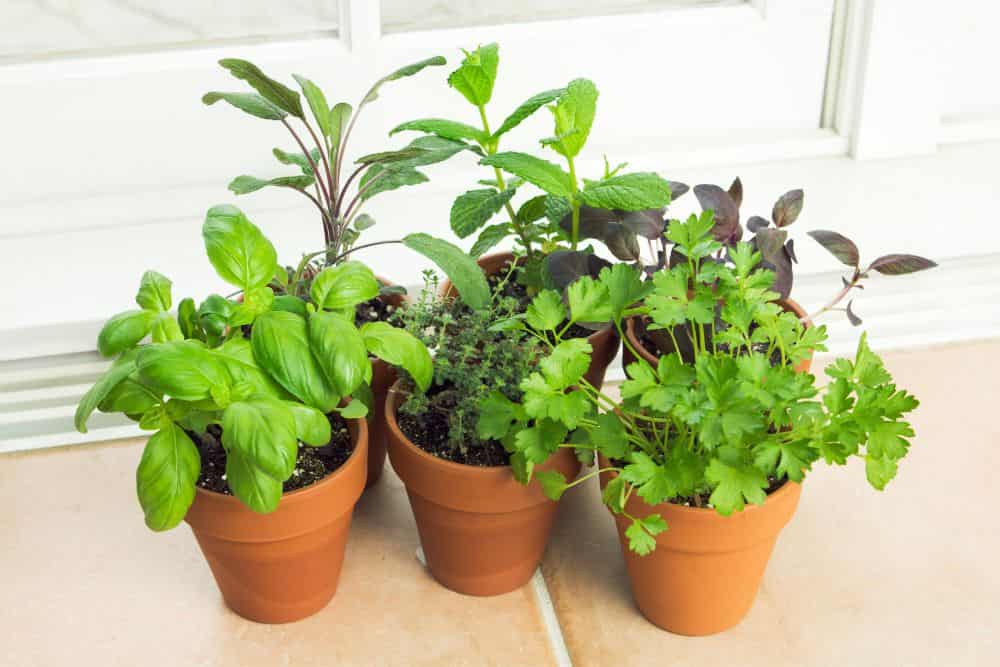
Selecting the right herbs, fruits, and vegetables is key for a successful indoor garden. Some of the best options include:
Herbs
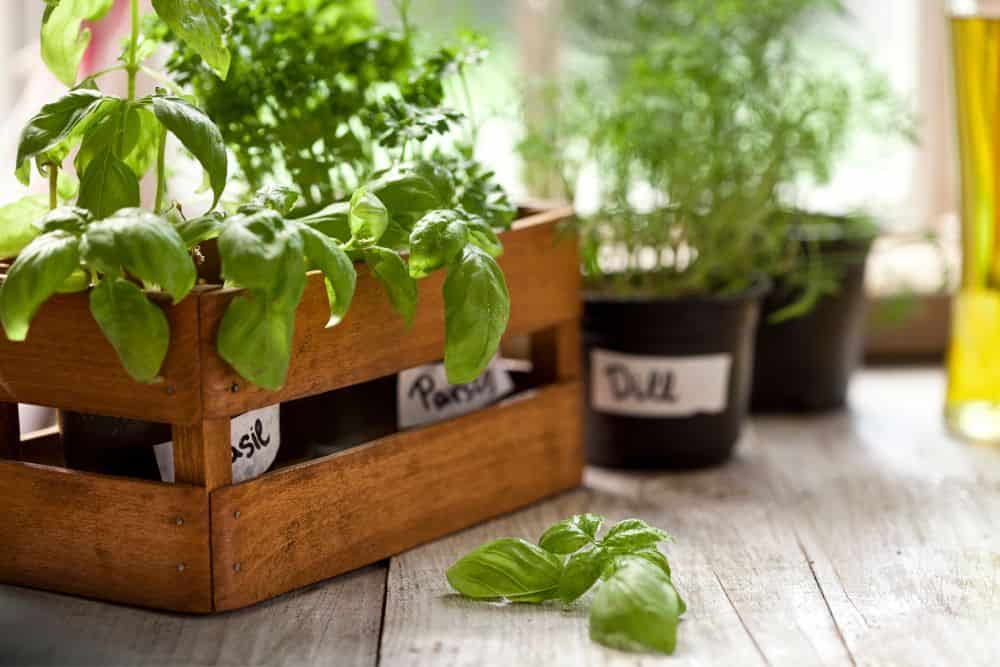
- Basil: easy to grow, it thrives in warm temperatures and requires plenty of light – check this tutorial: How to Grow Basil
- Mint: easy to grow and highly adaptable. Also best grown in pots to avoid its takeover tendencies.
- Parsley: grows well in partial shade.
- Chives: perfect for windowsills with indirect light.
Fruit
- Cherry Tomatoes: require ample light but offers high yields.
- Strawberries: as above, and easy to grow in hanging baskets.
Vegetables
- Lettuce: quick-growing and suitable for lower light conditions.
- Spinach: tolerates cooler temperatures and partial shade.
- Peppers: need a sunny spot and warm temperatures.
Setting Up Your Indoor Garden
Creating a successful indoor garden requires planning and the right tools to ensure your plants thrive year-round.
Lighting
Proper lighting is vital since natural sunlight is often insufficient, especially during the Winter months. Here’s how you can help your plants:
- Types of Grow Lights: the most common types of grow lights include fluorescent, LED, and incandescent lights. LED grow lights are highly recommended due to their energy efficiency, longevity, and ability to provide a full spectrum of light that mimics natural sunlight. Spider Farmer full-spectrum LED grow lights are an excellent choice as they’re known for their high-quality construction, energy efficiency, and ability to deliver the perfect light spectrum for plant growth. Spider Farmer lights use advanced technology to provide plants with the necessary wavelengths, promoting healthier and faster growth.
- Placement: position your grow lights 6-12 inches above the plants to ensure they receive adequate light without getting scorched. Make sure you adjust the height as your plants grow.
- Light Duration: most indoor plants need about 12-16 hours of light per day. Using a timer can help maintain a consistent light schedule.
Containers
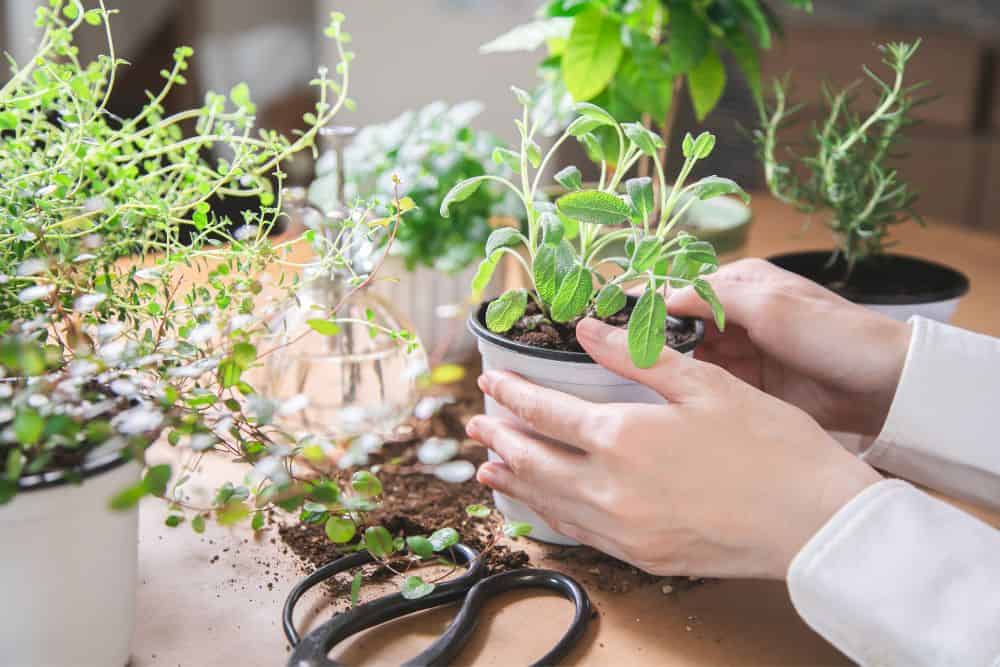
Choosing the right containers is essential for the health of your indoor plants. Here are some top tips:
- Drainage: select pots with drainage holes to prevent water from accumulating at the bottom, which can lead to root rot. Adding a layer of gravel, stones, or “crocks” (broken pot shards) at the bottom can also improve drainage.
- Size: ensure the container is large enough to accommodate the plant’s root system. As plants grow, you most likely need to repot them into larger containers.
- Material: containers come in various materials such as plastic, clay, and ceramic. Each has its benefits; for example, clay pots are porous and allow for better air circulation, while plastic pots retain moisture better.
Soil and Fertiliser
The right soil and fertiliser are also key to providing your plants with the nutrients they need:
- Potting Soil: go for a high-quality potting mix specifically designed for indoor plants. These mixes are typically lighter and provide better drainage and aeration than garden soil.
- Fertilisation: Indoor plants benefit from regular feeding. Use a balanced, water-soluble fertiliser (e.g. 10-10-10) every 4-6 weeks. Be mindful of the specific needs of each plant, as some may require more or less frequent fertilisation.
Watering
Proper watering is vital to prevent overwatering or underwatering as both will inhibit healthy plant growth:
- Soil Moisture: check the soil moisture regularly. Water when the top inch of soil feels dry to the touch. Different plants have different water needs, so adjust your watering schedule accordingly.
- Water Quality: use room temperature water to avoid shocking the plants. If possible, use filtered or rainwater, as tap water may contain chlorine and other chemicals harmful to plants.
- Techniques: water the base of the plant or around the roots rather than the foliage to prevent fungal diseases. Self-watering pots can help maintain consistent moisture levels.
Seasonal Tips for Indoor Gardening
Indoor gardening does requires adjustments during the year. Here are some tips for each season:
Winter
- Maximise Light: place plants near south-facing windows to capture the most sunlight. Supplement with grow lights to compensate for the shorter days.
- Maintain Humidity: indoor heating can dry out the air. Use a humidifier or place a tray of water near your plants to maintain humidity levels around 40-60%.
- Temperature Control: keep plants away from cold draughts and heat sources. Maintain a consistent temperature between 65-75°F (18-24°C).
Spring
- Gradual Transition: if you plan to move your plants outdoors, acclimate them slowly by increasing their exposure to outdoor conditions over 1-2 weeks.
- Pest Prevention: inspect plants for pests before bringing them back indoors, to prevent infestations.
- Repotting: Spring is ideal for repotting plants that have outgrown their containers. Use fresh potting mix to provide new nutrients.
Summer
- Shade from Direct Sun: move plants away from direct sunlight or use sheer curtains to prevent overheating and sunburn.
- Frequent Watering: increase watering frequency as temperatures rise, but avoid waterlogging.
- Fertilisation: continue regular feeding and fertilisation to support the rapid growth that comes in Summer.
Autumn / Fall
- Harvest and Preserve: harvest herbs, fruits, and vegetables before growth slows. Preserve the harvest by drying, freezing, or making jams and chutneys.
- Prepare for Winter: clean and disinfect all your pots and tools to prevent disease. Plan for indoor lighting needs as daylight hours decrease.
Is Indoor Gardening for You?
Hopefully, the answer is yes – seasonal indoor gardening is a really rewarding way to ensure a constant supply of fresh herbs, fruits, and vegetables, no matter the time of year. By choosing the right plants, providing adequate lighting, and adjusting care routines according to the season, you’ll soon be harvesting your own homegrown produce all year round with ease, won’t you? 🙂
* This is a collaborative post – please see my Disclaimer.

Your ideas for growing herbs inside are next level smart. I especially loved your tip for growing basil inside. I have personally found this to be one of the easiest herbs to grow and I am able to grow it almost any time of year.
Thank you so much, Heidi, that’s great to hear – Basil is one of my favourites too, especially as it helps keep the flies away in summer since they don’t like the smell!