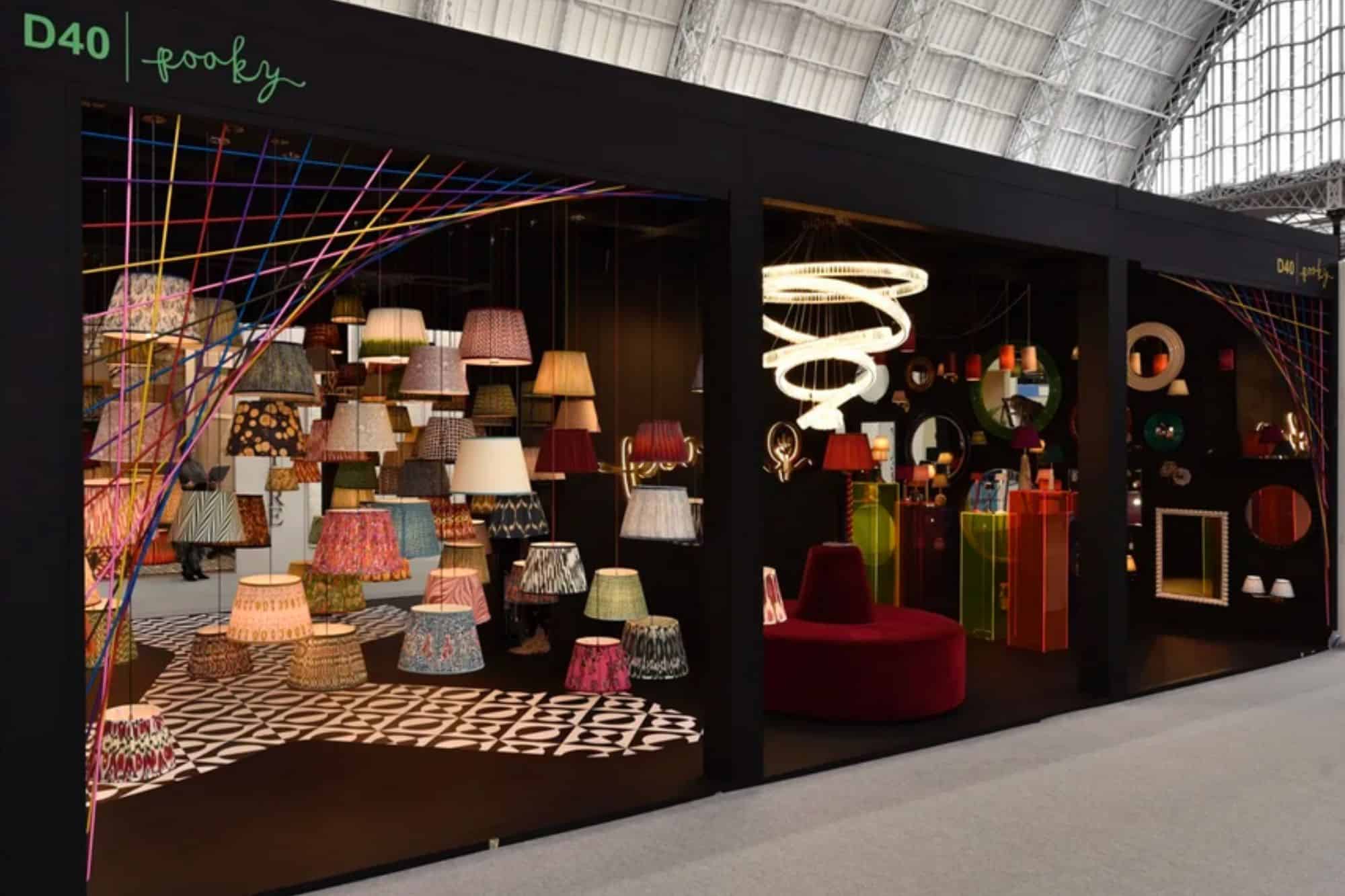
AD | As a non-specialist, it’s easy to treat exhibition stands as a static, unchanging invention. But the reality couldn’t be further from the truth. Over the past decade or so in particular, stands have evolved rapidly, driven by changes in technology, visitor expectations, sustainability demands, and the growing importance of measurable return on investment.
Today’s exhibition stands are no longer just physical structures; they’re immersive brand environments designed to inform, engage, and convert. Let’s take a look at how things are set to continue evolving over the coming year. From durability to data-informed design strategies, these are some of the key trends to consider as you revamp your stand design for 2026 and beyond.
Exhibition Stands Built to Last
It wasn’t so long ago that exhibition stands were often made from surprisingly cheap materials. As a result, after just a few uses, they could already start to look quite tatty. Scratched panels, unstable structures, and faded graphics meant they’d either need repairing or replacing.
Recently, we’ve seen designers start to use much higher quality materials, including reinforced aluminium frames, premium fabrics, and more resilient surface finishes, resulting in stands that are quite clearly built to last.
And we expect to see this material evolution continue, with longevity becoming a core consideration rather than a bonus. The impact extends beyond lifespan alone, as higher-quality materials also improve visitor comfort, perceived brand value, and overall user experience.
AI & Digital Integration
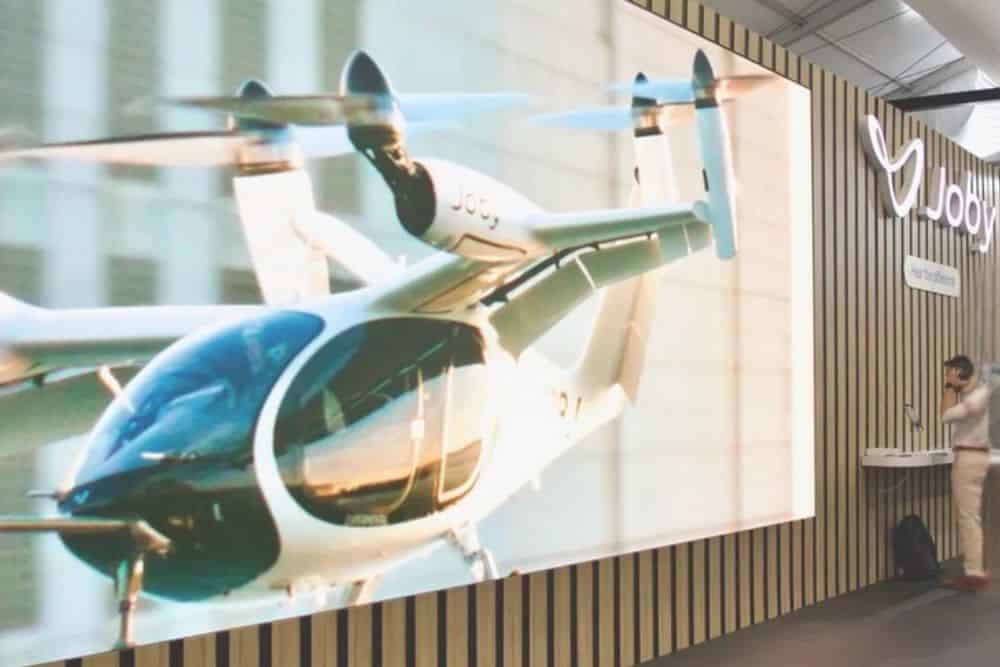
Artificial intelligence feels like it’s been the buzzword of the year for a while now, but we’re still seeing an increase in practical applications. It often takes a while for different sectors to get to grips with how they can best use an emergent technology. While early attempts at digital integration often felt gimmicky, designers are now using AI in more thoughtful, purposeful ways.
A range of new features are being integrated into stands, often using real time data such as audience demographics, footfall patterns, or dwell time to adapt the experience to visitors as they move around the space. And this valuable behavioural data also helps exhibitors understand what resonates most with visitors. Keep an eye on these innovative uses of AI over the months to come, it could be a game-changer in the stand-design sphere.
A Softer Feel
Trade shows aren’t traditionally known for paying too much attention to creating a soft, warm environment. As a result, visitors can quickly start to tire of the harsh lighting and loud noises. So, stands offering a softer, more welcoming respite stand out even more.
This year, we’re expecting to see more designers lean into this approach, creating softer spaces where people feel comfortable and more inclined to engage with brand reps. Comfortable seating areas, subtle branding, and thoughtful spatial design are all aspects that you’ll need to make sure align with your brand identity, but they can have a big positive impact.
Data Driven
With more access to user experience data than ever before, stand designers are leveraging insights from previous events, visitor tracking tools, and spatial analytics to optimise layouts, messaging, and engagement points.
It’s important to collect as much information as possible on the spaces you’ll be exhibiting in, your target audiences, and any other relevant metrics. That way you can give designers like Focal Exhibitions the information they need to provide you with the perfect stand that’s both visually striking and strategically effective.
Sustainability and Circular Design
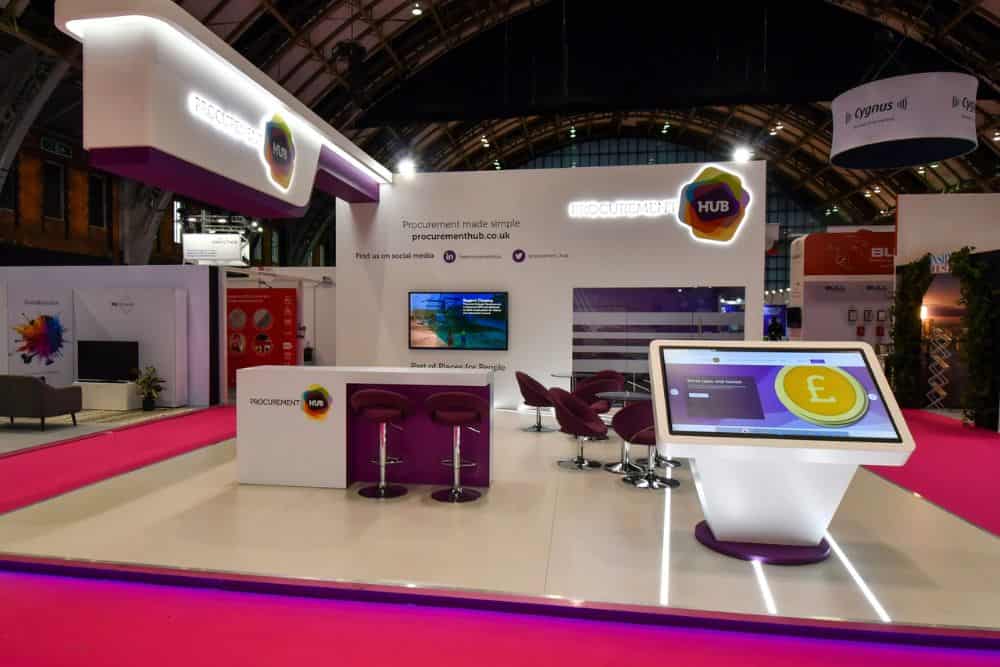
One of the most significant shifts shaping exhibition stands is the growing focus on sustainability. As businesses face increasing pressure to reduce their environmental impact, stand design is moving away from single-use builds and towards circular, reusable solutions.
Designers are prioritising recyclable materials, modular components, low-energy lighting, and graphics that can be easily updated rather than replaced. Some stands are now designed with full life-cycle planning in mind, ensuring components can be reused across multiple events or repurposed entirely. This not only reduces waste and lowers long-term costs, it also strengthen a brand’s sustainability credentials, which are increasingly important to modern audiences.
Modular and Flexible Layouts
Another key evolution is the rise of modular stand systems that can adapt to different spaces and event formats. Rather than commissioning a bespoke stand for each show, businesses are investing in flexible designs that can be reconfigured depending on floor size, audience flow, or event objectives.
This modularity allows exhibitors to scale their presence up or down without compromising on brand consistency. Panels, structures, and digital elements can be rearranged to create fresh layouts while maintaining a recognisable look and feel.
Looking Ahead
Exhibition stands will continue to evolve in a number of different areas over the coming year, and it’s worth keeping an eye on these changes to see whether they could be of use to your business. Not all of them will be relevant, but even selectively adopting one or two of these trends can make a meaningful difference, and could help you attract and convert some valuable leads.
Have you ever had to organise exhibition stands for your firm? Did you realise how much goes into their design?
* This is a collaborative post – please see my Disclaimer.

Leave a Reply